
Now Reading: 11 Pantry Organization Ideas That Make Food Last Longer
-
01
11 Pantry Organization Ideas That Make Food Last Longer
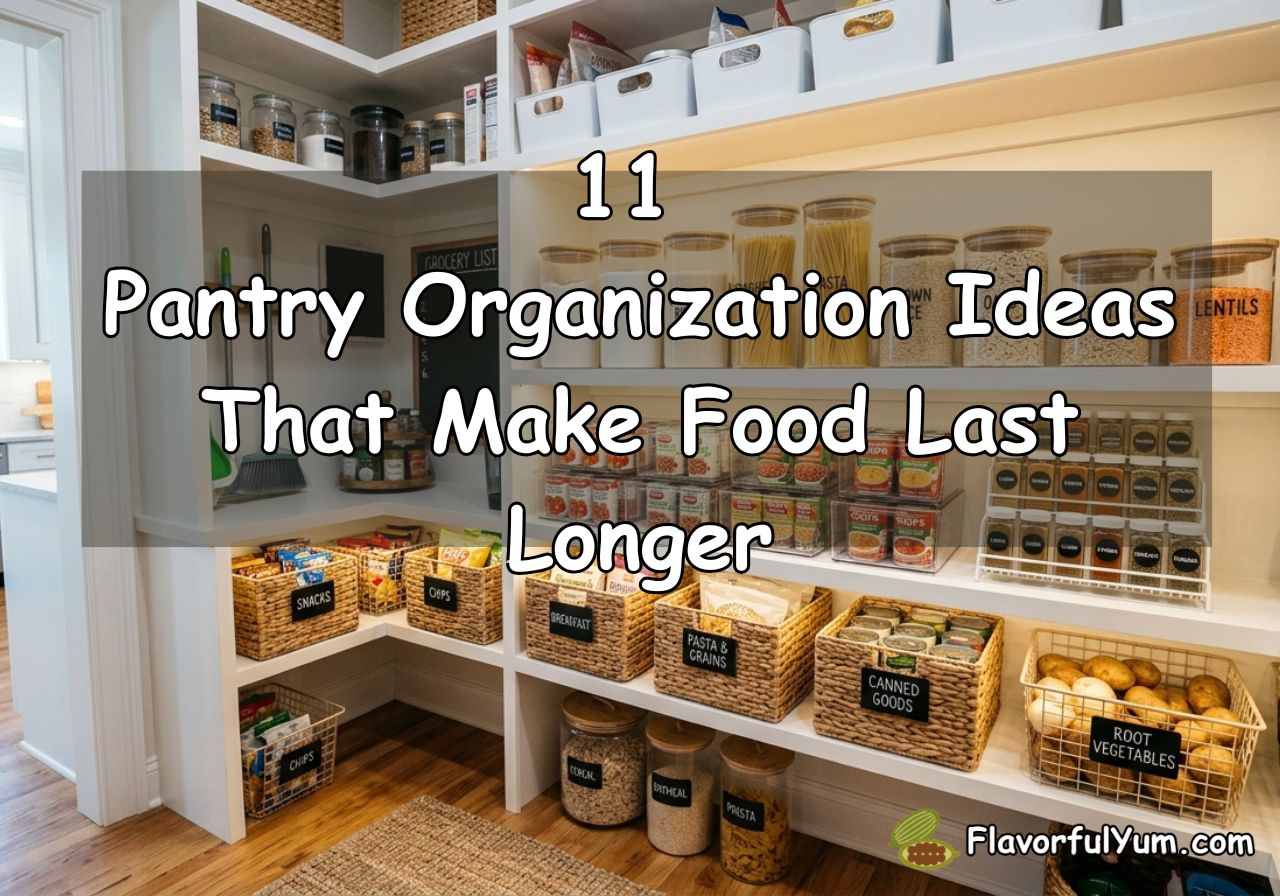
Food waste often starts in the pantry. People forget what they store. Food hides behind other items. Expiration dates pass without notice. I faced this problem in my own kitchen. I bought food that I already had. I threw away items that I forgot to use.
Good pantry organization fixes this issue. Clear storage and simple systems help food stay fresh longer. Organized shelves also make cooking easier. I find ingredients fast, and I waste less food.
A well-organized pantry also protects food quality. Proper containers block air, moisture, and pests. Good placement also prevents damage to fragile items.
Below I share eleven pantry organization ideas that help food last longer. These tips work for small kitchens and large kitchens.
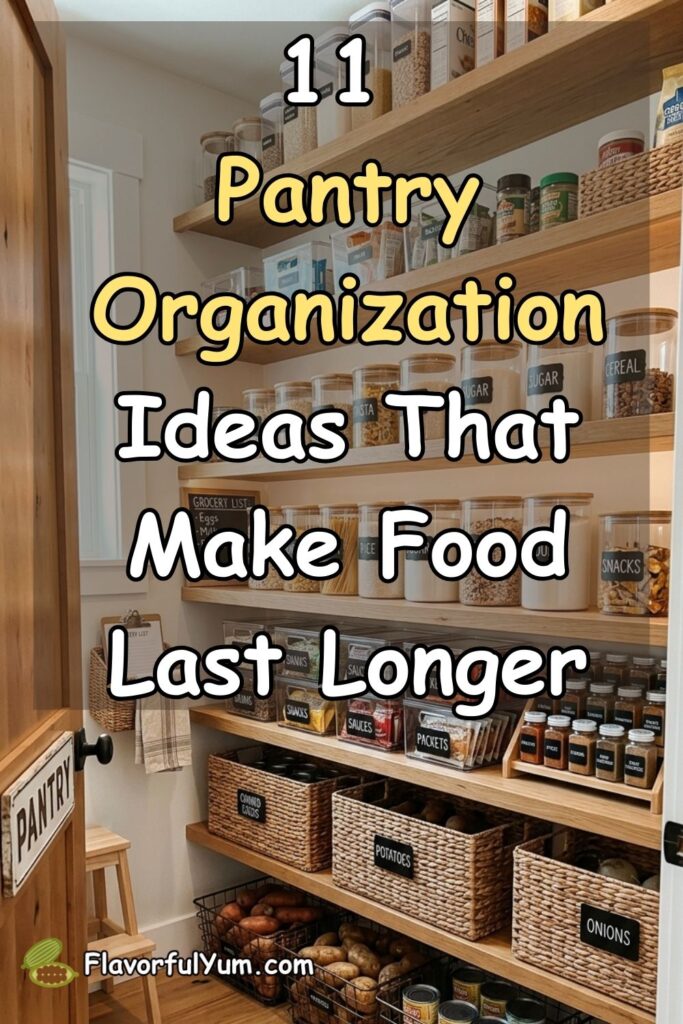
1. Use Clear Airtight Containers
Air and moisture cause food spoilage. Dry foods absorb moisture from the air. This problem reduces shelf life.
I store grains, flour, pasta, and cereal in airtight containers. Clear containers allow me to see food quickly. I check food levels without opening each container.
Airtight storage also protects food from insects. Pantry pests often enter open packages.
What I store in airtight containers
- Rice
- Pasta
- Flour
- Oats
- Sugar
- Beans
- Lentils
- Breakfast cereal
Glass or BPA-free plastic containers both work well. Tight lids help keep food fresh.
2. Label Every Container
Labels help prevent confusion. Some grains look similar. Flour and powdered sugar often look identical.
I label each container with the food name and purchase date. This habit helps me track freshness.
Labels also help family members return food to the correct spot.
Label details I include
- Food name
- Purchase date
- Expiration date if needed
Simple labels reduce mistakes. I find food faster during cooking.
3. Store Food by Category
Random storage creates clutter. Items hide behind others. This issue causes food waste.
I group food by category. Each section holds a specific type of ingredient.
This method helps me see what I have. I also plan meals faster.
Categories I use
- Grains and pasta
- Baking supplies
- Canned foods
- Snacks
- Spices
- Breakfast foods
- Cooking oils and sauces
I assign one shelf or basket for each category. This structure keeps the pantry neat.
4. Place Older Food in Front
Many people buy new food and place it in front. This habit pushes older food to the back. Old items often expire before use.
I follow the “first in, first out” method. I move older items to the front. I place new items behind them.
This method encourages faster use of older products.
Steps I follow
- Check expiration dates when I buy groceries
- Move older food to the front
- Place new food behind it
This small habit reduces waste in my kitchen.
5. Use Shelf Risers for Canned Food
Cans stack easily. Stacked cans hide items in the back. Hidden cans often expire before use.
Shelf risers create levels on pantry shelves. Each row stays visible.
I use risers to display canned vegetables, soups, and beans. This setup helps me see every can quickly.
Benefits of shelf risers
- Clear view of all cans
- Easy access to back rows
- Better shelf space use
This tool helps me track canned food easily.
6. Store Spices in a Cool and Dark Area
Heat and light damage spices. Strong light reduces flavor strength. Heat also breaks down spice oils.
I store spices away from the stove and sunlight. A cool pantry shelf works best.
Good spice storage keeps flavor strong for longer.
Tips I follow
- Keep spices away from heat
- Use airtight spice jars
- Label each jar with purchase date
Fresh spices improve food flavor. Proper storage protects their quality.
7. Use Baskets for Small Items
Small items often create clutter. Sauce packets, snack bars, and seasoning mixes spread across shelves.
Baskets group these items together. I place each type of item inside a basket.
This method keeps shelves tidy.
Baskets I use
- Snack basket
- Baking tools basket
- Seasoning packet basket
- Quick meal basket
Baskets also make pantry cleaning easier. I remove the basket and wipe the shelf quickly.
8. Store Oils Properly
Cooking oils spoil faster when exposed to heat, air, and light. Poor storage causes oils to turn rancid.
I store oils in a cool and dark area of the pantry. I also keep bottles tightly sealed.
Large oil bottles stay in the pantry. I refill a small bottle for daily cooking.
Oils that need careful storage
- Olive oil
- Avocado oil
- Sesame oil
- Flaxseed oil
Proper storage helps oils keep their flavor longer.
9. Use Glass Jars for Bulk Foods
Bulk food saves money. Many stores sell grains, beans, and nuts in bulk bins.
I store bulk food in glass jars. Glass jars protect food from moisture and pests.
Clear jars also help me track food quantity.
Foods I store in glass jars
- Almonds
- Walnuts
- Dried fruit
- Quinoa
- Lentils
- Pumpkin seeds
Jars create a clean and organized look in the pantry.
10. Keep a Simple Pantry Inventory
Food waste often happens because people forget what they store. I solve this problem with a pantry list.
I keep a small list on the pantry door. I update it when I add or finish items.
This list helps me plan grocery trips. I avoid buying food I already have.
Items I track
- Rice
- Beans
- Pasta
- Canned foods
- Baking ingredients
- Snacks
A simple list saves money and prevents food waste.
11. Clean the Pantry Regularly
A clean pantry protects food quality. Dust and crumbs attract pests. Old food also creates unpleasant odors.
I clean my pantry once every month. This habit helps me check expiration dates and remove damaged items.
Steps I follow
- Remove all food from one shelf
- Wipe the shelf with mild cleaner
- Check expiration dates
- Return fresh items neatly
Regular cleaning keeps the pantry safe and organized.
Extra Tips I Use to Make Food Last Longer
I follow a few simple habits to protect pantry food.
I avoid storing food near heat
Heat shortens shelf life. I keep food away from ovens and dishwashers.
I keep dry food completely sealed
Air exposure reduces freshness. Tight containers prevent this problem.
I check food once a week
Quick checks help me notice items that need fast use.
I avoid overcrowded shelves
Overcrowding hides food. Clear space improves visibility.
Why Pantry Organization Matters?
Good pantry organization saves time and money. I cook faster because I find ingredients quickly. I also reduce food waste.
Organized storage also protects food quality. Proper containers block air and moisture. Correct placement protects ingredients from heat and light.
A neat pantry also creates a calm kitchen space. Cooking feels easier when everything stays in its place.
Small changes create big results. Clear containers, labels, and simple categories improve food storage quickly.
Final Thoughts
Pantry organization improves food freshness and kitchen efficiency. Simple systems make a strong difference. Airtight containers protect dry goods. Labels prevent confusion. Categories create clear storage.
I use these eleven ideas in my own kitchen. They help me track food easily and reduce waste. My pantry stays clean, and my food lasts longer.
You can start with one idea today. Add containers, labels, or baskets. Small steps improve pantry storage quickly.
A well-organized pantry supports better cooking and smarter food use.

It’s Eliana Hazel. I’m a 33-year-old wife and mom of two from Tennessee who loves cooking fresh, simple meals for my family. I shop for veggies at Walmart, try new recipes, and add my own twist to make them special. When I’m not in the kitchen, I enjoy yoga, meditation, and catching up with my friends over green smoothies. Here, I share family-tested recipes, easy cooking tips, and a little inspiration to make your kitchen a happy place.
Related Posts
Previous Post
Next Post


Hey, y’all! I’m Hazel!
I’m SO happy you’re here! I’m passionate about cooking fresh, homemade meals for my family and love sharing recipes that are simple, healthy, and full of flavor. Here on my blog, I believe in making food with love, experimenting with ingredients, and turning everyday meals into something special. In short, I believe that cooking at home brings families closer and makes life more joyful. >>> Learn more