
Now Reading: 9 Genius Meal Planning Tips for Busy Families
-
01
9 Genius Meal Planning Tips for Busy Families
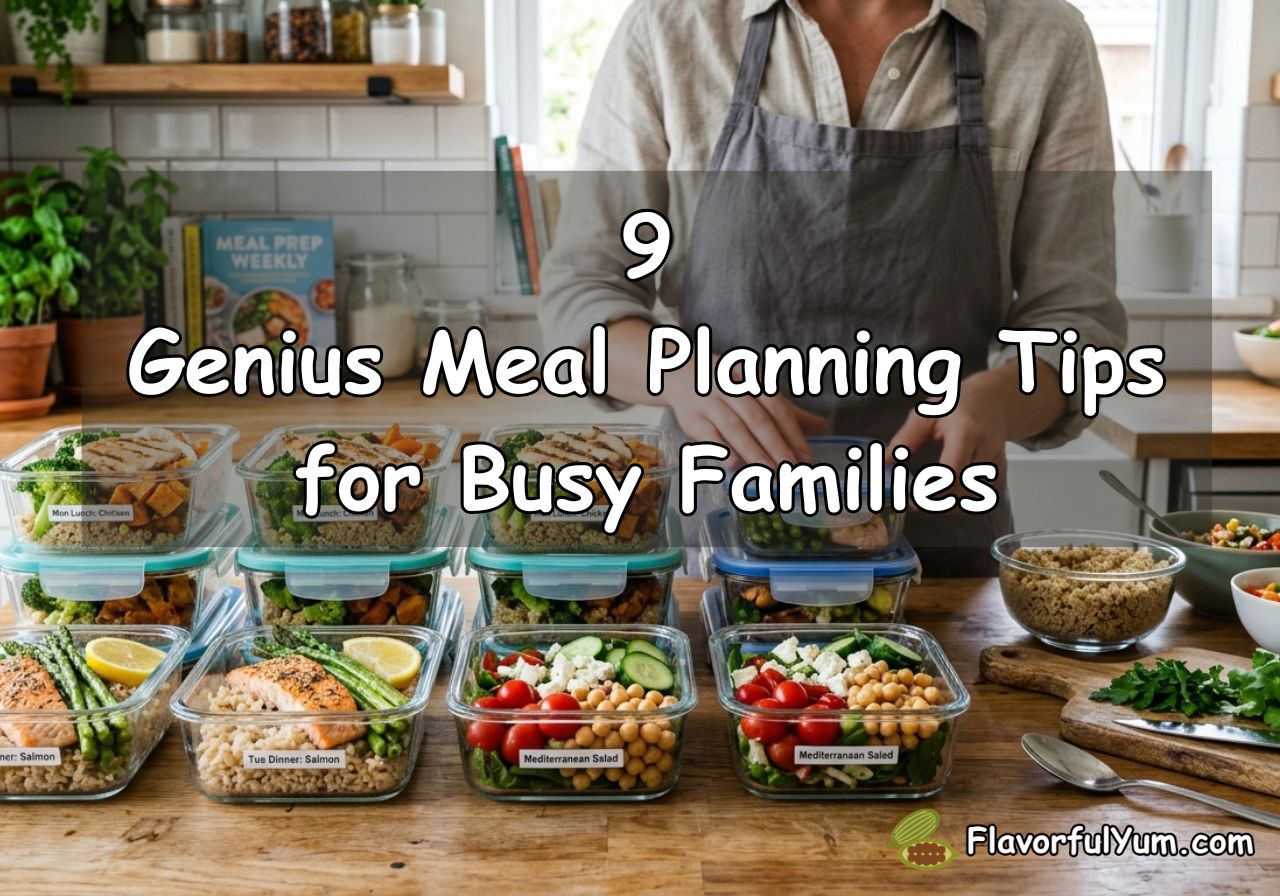
Busy families often struggle with daily meals. Work schedules, school activities, and errands create time pressure. Many families order takeout because cooking feels difficult after a long day.
I faced this problem in my own routine. I noticed that simple meal planning solved most of the stress. A clear food plan saves time, money, and energy. It also helps families eat healthier meals.
Meal planning does not require complicated systems. Small habits can improve the process. When I follow a simple plan, dinner preparation becomes easier and faster.
Below I share nine meal planning tips that help busy families stay organized and well fed.
1. Plan Meals Once Per Week
Weekly planning creates structure for the entire week. I usually plan meals on the weekend because I have more free time.
A weekly plan removes daily decision stress. The family already knows what dinner will be each day.
How I do it
- I open a notebook or meal planning app.
- I list seven dinners for the week.
- I check the family calendar for busy days.
- I choose quick meals for those busy evenings.
- I choose simple recipes that use similar ingredients.
This system reduces last-minute food decisions.
2. Build a Simple Recipe Rotation
A rotation of favorite meals saves planning time. Families often enjoy the same meals regularly.
I keep a list of recipes that my family enjoys. These meals appear in our weekly schedule often.
Examples of rotation meals
- chicken stir fry
- pasta with vegetables
- taco night
- rice and grilled chicken bowls
- soup with bread
- sheet pan roasted vegetables and fish
A rotation removes the need to search for new recipes every week.
3. Prep Ingredients in Advance
Ingredient preparation saves time during busy evenings. Many cooking steps require chopping or washing vegetables.
I complete these steps earlier in the week.
My prep routine
- wash vegetables
- chop onions, peppers, and carrots
- cook rice or quinoa
- marinate chicken or tofu
- store ingredients in clear containers
When dinner time arrives, I combine the prepared ingredients quickly.
4. Cook Once and Eat Twice
Batch cooking saves time and energy. One large meal can support two or three future meals.
I often cook extra food on purpose.
Examples
- roasted chicken becomes chicken salad the next day
- cooked rice becomes fried rice later
- large soup batches provide multiple dinners
- grilled vegetables work in wraps and salads
This method reduces cooking work during the week.
5. Use a Grocery List System
A clear grocery list keeps shopping fast and organized. Without a list, people often forget important ingredients.
I keep a running list during the week.
My system
- I check the pantry before planning meals.
- I write missing ingredients immediately.
- I group items by store sections.
Example list structure:
- produce
- dairy
- grains
- protein
- frozen foods
This method speeds up grocery shopping.
6. Keep Quick Backup Meals Ready
Some evenings become unpredictable. Work meetings or school events may delay dinner preparation.
I always keep backup meals at home.
Examples of quick meals
- frozen vegetable stir fry
- canned soup with bread
- scrambled eggs with toast
- pasta with olive oil and vegetables
- tuna salad wraps
These meals take about 10 to 15 minutes to prepare.
Backup meals reduce stress on busy days.
7. Use One-Pan or One-Pot Recipes
Simple cooking methods reduce cleanup time. Busy families benefit from recipes that use fewer dishes.
One-pan meals cook many ingredients together.
Examples
- sheet pan chicken and vegetables
- skillet pasta
- stir fry bowls
- one-pot soup
- rice and vegetable skillet
These recipes reduce kitchen work after dinner.
8. Involve the Whole Family
Meal planning becomes easier when the whole family helps. Children can assist with small kitchen tasks.
Family involvement also encourages healthy eating habits.
Ways family members can help
- choose one dinner each week
- wash vegetables
- set the dinner table
- stir ingredients while cooking
- pack lunch boxes
This teamwork builds useful life skills for children.
9. Keep Breakfast and Lunch Simple
Busy families often focus meal planning only on dinner. However, breakfast and lunch also affect daily schedules.
I keep these meals simple and consistent.
Simple breakfast ideas
- yogurt with fruit
- oatmeal with nuts
- smoothies
- eggs and toast
Simple lunch ideas
- sandwiches
- salads with protein
- rice bowls
- leftovers from dinner
Consistency saves time during mornings and midday breaks.
How Meal Planning Saves Time?
Meal planning creates efficiency in several ways.
Fewer grocery trips
A weekly list reduces repeated store visits.
Less food waste
A plan uses ingredients more effectively.
Faster cooking
Prepared ingredients shorten cooking time.
Less decision stress
The family already knows the dinner plan.
These benefits help families stay organized during busy weeks.
My Weekly Meal Planning Example
I often follow a simple weekly structure.
Monday
- chicken stir fry with rice
Tuesday
- taco bowls
Wednesday
- vegetable pasta
Thursday
- leftover chicken salad wraps
Friday
- homemade pizza
Saturday
- grilled fish with vegetables
Sunday
- soup and bread
This schedule includes variety and balance.
Smart Kitchen Organization Tips
An organized kitchen helps meal planning succeed. I maintain simple storage habits.
Use clear containers
Clear containers allow quick ingredient visibility.
Label prepared foods
Labels help track freshness.
Store similar foods together
Example groups:
- grains
- canned foods
- spices
- snacks
This system improves cooking speed.
Budget Benefits of Meal Planning
Meal planning also supports household budgeting. Families often spend less money on food when they plan meals.
Takeout meals usually cost more than home cooking. Planned grocery shopping also reduces impulse purchases.
A weekly meal plan helps families stay within their food budget.
Healthy Eating Becomes Easier?
Meal planning supports balanced nutrition. Families can include vegetables, whole grains, and healthy protein sources in daily meals.
Without planning, people may rely on fast food or processed meals. Planning encourages healthier choices.
Children also learn good eating habits when meals stay consistent.
Final Thoughts
Busy families need simple systems that save time and reduce stress. Meal planning offers a practical solution. A weekly plan, organized grocery list, and basic ingredient preparation can transform daily cooking.
I noticed that small planning habits improved our routine greatly. Dinner preparation became easier. Grocery shopping became faster. Our family also enjoyed more home-cooked meals.
You can start with one or two tips from this guide. Over time, these habits will become part of your weekly routine.
A little planning can make daily meals smoother, healthier, and more enjoyable for the entire family.

It’s Eliana Hazel. I’m a 33-year-old wife and mom of two from Tennessee who loves cooking fresh, simple meals for my family. I shop for veggies at Walmart, try new recipes, and add my own twist to make them special. When I’m not in the kitchen, I enjoy yoga, meditation, and catching up with my friends over green smoothies. Here, I share family-tested recipes, easy cooking tips, and a little inspiration to make your kitchen a happy place.
Related Posts



Previous Post
Next Post



Hey, y’all! I’m Hazel!
I’m SO happy you’re here! I’m passionate about cooking fresh, homemade meals for my family and love sharing recipes that are simple, healthy, and full of flavor. Here on my blog, I believe in making food with love, experimenting with ingredients, and turning everyday meals into something special. In short, I believe that cooking at home brings families closer and makes life more joyful. >>> Learn more