
Now Reading: How to Grocery Shop Efficiently for Family Meals?
-
01
How to Grocery Shop Efficiently for Family Meals?
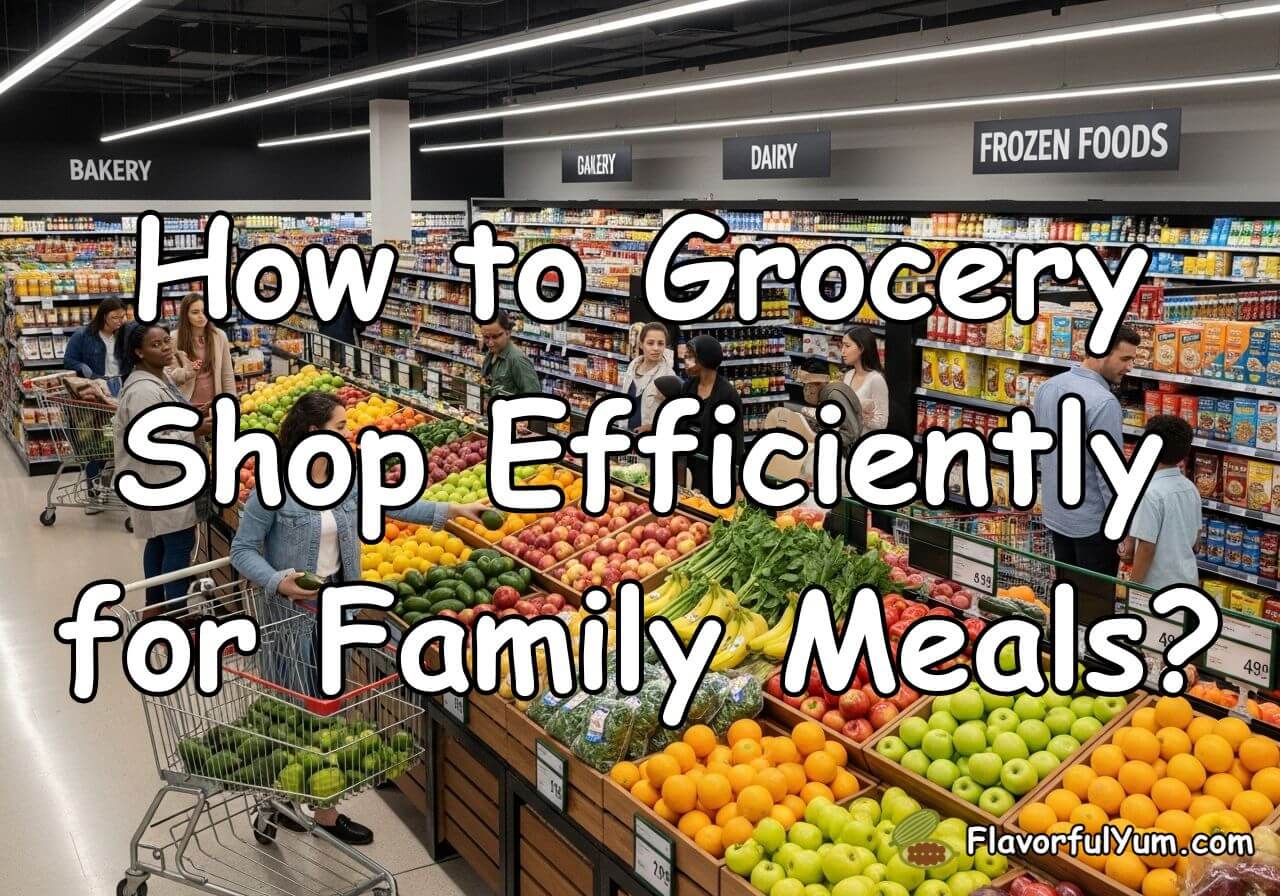
I used to feel tired and stressed every time I went grocery shopping. I walked through every aisle, picked random items, and still forgot the key food. I spent too much money and wasted time. Over time, I learned a better way. I built a simple system that helps me shop fast, spend less, and feed my family with ease.
In this guide, I will share the exact steps I use to grocery shop efficiently for family meals. This system works for busy parents, tight budgets, and full schedules. We do not need special tools. We only need clear habits and simple planning.

What Efficient Grocery Shopping Means
Efficient grocery shopping means we get what we need with less time, less stress, and less money.
It does not mean:
- Buying fancy food
- Visiting many stores
- Spending hours inside
It means:
- Planning meals
- Writing lists
- Sticking to a budget
- Avoiding waste
We shop with purpose. We shop with control.
Step 1: Plan Family Meals First
Meal planning is the base of efficient shopping.
I plan dinners for 5 to 7 days.
I choose meals my family already likes.
I repeat meals often.
My rules for meal planning:
- Use simple recipes
- Use common food
- Avoid long ingredient lists
Example family meals:
- Spaghetti with meat sauce
- Chicken stir fry
- Tacos
- Rice and beans
- Baked chicken and potatoes
When I plan meals first, I stop guessing in the store.
Step 2: Check What We Already Have
Before I write my list, I check my kitchen.
I look at:
- Fridge
- Freezer
- Pantry
I write down what I already own.
I build meals around this food.
This step prevents double buying. It also saves money fast.
Step 3: Write a Clear Shopping List
I never shop without a list.
My list comes from my meal plan.
I group items by category:
- Produce
- Meat
- Dairy
- Pantry
- Frozen
This order matches the store layout.
I move faster and skip backtracking.
A list keeps me focused. Focus saves time and money.
Step 4: Set a Grocery Budget
A budget gives direction.
I choose a weekly or monthly limit.
Example:
- Weekly budget: $80
- Monthly budget: $320
I keep this number in my phone.
I check my cart total as I shop.
A budget protects my family money.
Step 5: Shop One Main Store
I used to visit many stores. I thought I saved money.
In reality:
- I spent more time
- I spent more on fuel
- I bought more items
Now I use one main store.
I learn its layout.
I learn its prices.
This habit keeps my system simple.
Step 6: Use Store Brands
Store brands cost less than name brands.
I compare labels.
I check ingredients.
Most products match.
I use store brands for:
- Rice
- Pasta
- Canned food
- Frozen food
- Bread
This step alone cuts my bill by a large amount.
Step 7: Follow Price Per Unit
Price per unit shows real value.
I compare:
- Cost per gram
- Cost per liter
- Cost per piece
This helps me avoid small packs that cost more.
Large packs often save money when we use all the food.
Step 8: Buy Food for Multiple Meals
Efficient shopping means each item works in many meals.
I choose food like:
- Rice
- Eggs
- Chicken
- Beans
- Potatoes
- Frozen vegetables
These items work in:
- Lunch
- Dinner
- Leftovers
This reduces waste and saves money.
Step 9: Avoid Impulse Aisles
Impulse aisles raise costs.
These include:
- Snacks
- Drinks
- Sweets
- Ready meals
I skip these aisles.
I stay near fresh food.
Impulse food adds little value and high cost.
Step 10: Shop After Eating
Hunger changes decisions.
When I shop hungry:
- I buy snacks
- I buy sweets
- I buy more food
When I shop full:
- I follow my list
- I skip extras
- I stay calm
This habit works every time.
Step 11: Use Frozen and Canned Food
Frozen and canned food saves time.
I use:
- Frozen vegetables
- Canned beans
- Canned tomatoes
These foods:
- Cost less
- Last longer
- Need less prep
They help busy families stay on track.
Step 12: Limit Drinks
Drinks cost more than food.
Juice, soda, and bottled coffee raise bills.
I buy:
- Water
- Tea
- Coffee for home
This change saves $20 to $50 per month.
Step 13: Reduce Ready Meals
Ready meals feel easy but cost more.
They also give smaller portions.
I cook simple food instead:
- Pasta
- Soup
- Rice bowls
- Eggs
These meals take 20 minutes or less.
Step 14: Choose One-Week Shopping
I shop once per week.
I avoid daily store trips.
Daily trips lead to impulse buys.
Weekly shopping:
- Saves time
- Saves fuel
- Keeps spending low
This habit keeps life simple.
Step 15: Store Food Properly
Good storage prevents waste.
I use:
- Clear containers
- Labels for freezer food
- Front placement for old food
I eat old food first.
I freeze extra food.
This step protects every dollar I spend.
Step 16: Cook in Batches
Batch cooking saves energy.
I cook:
- Soup
- Chili
- Rice
- Chicken
I store extra portions for later.
This gives me fast meals on busy nights.
Step 17: Build a Family Food Base
I keep a basic food base in my kitchen.
My core items:
- Rice
- Pasta
- Beans
- Eggs
- Potatoes
- Onions
- Frozen vegetables
With this base, I can make meals anytime.
Step 18: Keep Meals Simple
Simple meals support efficiency.
I avoid recipes with:
- More than 7 ingredients
- Rare food
- Long steps
Simple meals reduce stress and cost.
Step 19: Track Grocery Spending
I review spending once per month.
I check:
- Total cost
- Most costly items
- Waste patterns
This helps me adjust my system.
Tracking gives control.
Step 20: Use a Standard Weekly Plan
Here is one plan I often use.
Monday: Spaghetti
Tuesday: Chicken stir fry
Wednesday: Tacos
Thursday: Rice and beans
Friday: Baked chicken
Saturday: Leftovers
Sunday: Soup
This plan keeps shopping easy.
Common Grocery Shopping Mistakes
I learned what causes stress.
No meal plan
This leads to random buying.
No list
This leads to impulse spending.
Too many stores
This wastes time and money.
Too much food
This leads to waste.
Avoiding these mistakes changed everything.
Why Efficient Shopping Matters
Efficient shopping improves daily life.
We save money.
We save time.
We waste less food.
We also feel calmer. We stop feeling rushed and unsure. We know what to buy and why.
The Family Shopping Mindset
Efficient shopping is not about perfection. It is about control.
We decide:
- What enters our home
- What our family eats
- How our money moves
We stop letting stores decide for us.
My Simple Weekly System
This is the exact system I use.
- Plan meals
- Check kitchen
- Write list
- Set budget
- Shop once
- Store food
- Cook in batches
- Use leftovers
This system runs every week.
Final Thoughts
Grocery shopping used to drain my energy. Now it feels simple and calm. I no longer walk through every aisle. I no longer guess what to cook. I no longer waste food.
I learned that efficient grocery shopping is not about speed alone. It is about structure. When we plan first, write lists, and stick to simple habits, everything feels easier.
We do not need stress.
We do not need long trips.
We do not need full carts.
We need clear plans, basic food, and steady habits. And once we build this system, grocery shopping becomes one of the easiest parts of family life.

It’s Eliana Hazel. I’m a 33-year-old wife and mom of two from Tennessee who loves cooking fresh, simple meals for my family. I shop for veggies at Walmart, try new recipes, and add my own twist to make them special. When I’m not in the kitchen, I enjoy yoga, meditation, and catching up with my friends over green smoothies. Here, I share family-tested recipes, easy cooking tips, and a little inspiration to make your kitchen a happy place.
Related Posts



Previous Post
Next Post



Hey, y’all! I’m Hazel!
I’m SO happy you’re here! I’m passionate about cooking fresh, homemade meals for my family and love sharing recipes that are simple, healthy, and full of flavor. Here on my blog, I believe in making food with love, experimenting with ingredients, and turning everyday meals into something special. In short, I believe that cooking at home brings families closer and makes life more joyful. >>> Learn more