
Now Reading: The Ultimate Beginner’s Guide to Meal Prep
-
01
The Ultimate Beginner’s Guide to Meal Prep
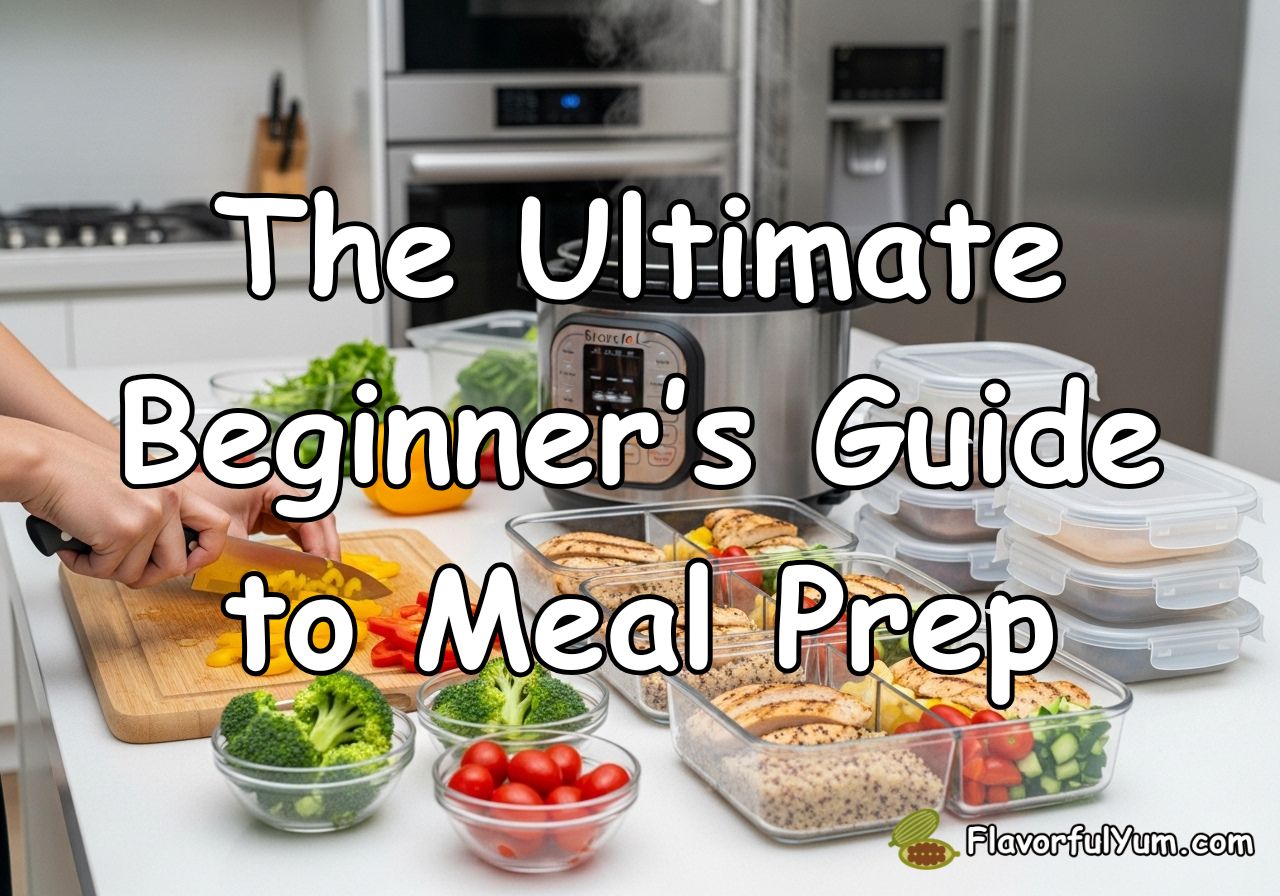
I used to feel overwhelmed thinking about cooking every day. Between work, errands, and family, it felt impossible to make healthy meals consistently. That’s when I discovered meal prep. Learning to prepare meals in advance changed my life. I saved time, ate healthier, and reduced stress.
In this guide, I will share the beginner’s steps for meal prep. I will explain how to plan, cook, store, and enjoy meals without feeling complicated. This system works for busy schedules, families, or anyone wanting more control over their food.
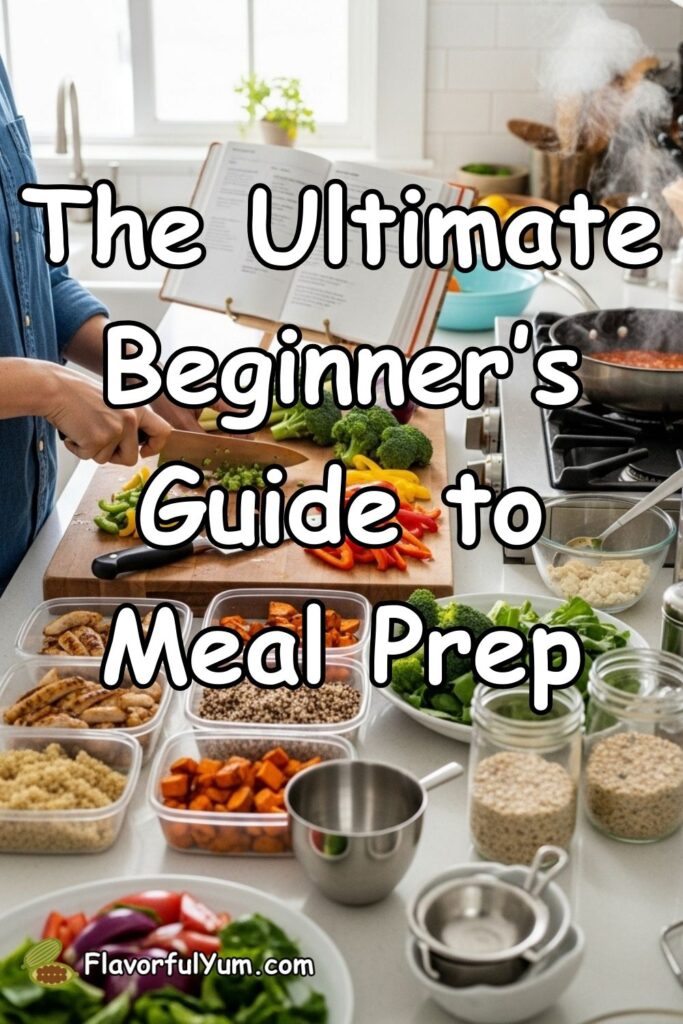
What Meal Prep Means
Meal prep means preparing food ahead of time for later use.
It is not about cooking every meal in advance or eating the same thing every day.
Meal prep allows us to:
- Save time on busy days
- Avoid last-minute unhealthy choices
- Reduce food waste
- Eat balanced meals consistently
Meal prep can be simple, even for beginners.
Step 1: Start With a Plan
Planning is the first step in meal prep.
I plan meals for the week. I consider:
- Breakfast
- Lunch
- Dinner
- Snacks
I also check my calendar for busy days. On those days, I prep meals that need no cooking or can be reheated quickly.
Planning helps me know exactly what to buy, cook, and store. It prevents wasted food and extra trips to the store.
Step 2: Choose Simple Recipes
When starting, I choose recipes with few ingredients.
I look for meals that:
- Cook quickly
- Store well in the fridge or freezer
- Use similar ingredients
Simple recipes make meal prep less stressful. Examples:
- Rice with beans and vegetables
- Chicken stir fry with pasta
- Oatmeal with fruit
- Lentil soup
I avoid complicated recipes with long lists of ingredients.
Step 3: Make a Grocery List
After planning meals, I make a detailed grocery list.
I group items by category:
- Produce
- Proteins
- Grains and pasta
- Dairy
- Snacks
I check what I already have in my kitchen. This prevents duplicate purchases and saves money.
A clear grocery list speeds up shopping and keeps me focused in the store.
Step 4: Shop Efficiently
I try to shop once per week.
I stick to my list and avoid impulse purchases.
I buy staples like rice, beans, eggs, and frozen vegetables in larger quantities.
Frozen vegetables and fruits are convenient. They last longer and reduce waste.
Shopping efficiently sets the stage for smooth meal prep.
Step 5: Batch Cooking
Batch cooking is one of the easiest ways to save time.
I cook large portions of:
- Rice or quinoa
- Pasta
- Protein like chicken, beans, or eggs
- Roasted vegetables
I store portions in individual containers. This way, I can grab meals quickly during the week.
Batch cooking also makes dinner faster. Leftovers from lunch can become dinner with small changes.
Step 6: Use Proper Storage
Proper storage keeps food fresh longer.
I use:
- Clear containers for easy viewing
- Labels with the date
- Freezer-safe containers for long-term storage
I store:
- Proteins separately for flexibility
- Grains and vegetables separately to maintain texture
Proper storage reduces waste and keeps meals safe to eat.
Step 7: Plan for Variety
Eating the same meal every day can get boring.
I prep similar ingredients in multiple ways:
- Chicken can be grilled, baked, or shredded for different meals
- Rice can be plain, fried, or mixed with vegetables
- Beans can be used in soups, salads, or tacos
Variety keeps meals interesting and prevents cravings for unhealthy options.
Step 8: Include Balanced Nutrition
Each meal should include:
- Protein for energy and fullness
- Carbohydrates for fuel
- Vegetables for vitamins and fiber
- Healthy fats for brain function
I aim to have at least one vegetable or fruit in every meal.
Even simple meals like rice and beans become balanced when paired with vegetables and a small portion of healthy fat.
Step 9: Prepare Snacks
Meal prep isn’t just for main meals.
I prep snacks to prevent unhealthy choices.
Examples:
- Cut vegetables with hummus
- Fruit slices or berries
- Yogurt cups
- Nuts and seeds
Having snacks ready reduces the temptation to grab chips or candy.
Step 10: Cook Once, Eat Multiple Times
I learned that cooking once for multiple meals saves time.
For example:
- Roast a whole chicken and use it in salads, wraps, and rice bowls
- Make a large batch of soup and eat it for lunch and dinner
- Boil eggs in bulk for breakfasts and snacks
This method keeps meals fresh while reducing daily cooking.
Step 11: Use One-Pan or One-Pot Meals
One-pan or one-pot meals reduce cleanup and save time.
Examples:
- Sheet-pan chicken with vegetables
- One-pot pasta with sauce and vegetables
- Stir fry with protein, rice, and vegetables
Simple cleanup makes meal prep easier for beginners.
Step 12: Freeze Portions
Freezing meals ensures I always have food ready.
I freeze:
- Soups
- Stews
- Cooked grains
- Proteins like chicken or beans
I label each container with the date and contents.
Frozen meals prevent takeout when I feel busy or tired.
Step 13: Reheat Properly
I reheat meals carefully to keep them fresh.
- Microwave grains and vegetables with a splash of water
- Oven or stovetop works best for baked dishes
- Stir meals to heat evenly
Proper reheating preserves taste and texture.
Step 14: Rotate Meals Weekly
I keep prep interesting by rotating meals each week.
I choose a few staples and swap new recipes.
This keeps kids and adults excited about food.
Rotation also helps use seasonal produce and keeps costs low.
Step 15: Prep Ingredients Separately
I prep ingredients instead of complete meals for more flexibility.
- Cook rice separately
- Roast vegetables separately
- Grill or bake proteins separately
This allows me to mix and match meals throughout the week.
Step 16: Keep Breakfast Simple
Breakfast prep saves time and starts the day right.
- Overnight oats with fruit
- Boiled eggs with toast
- Smoothie packs ready to blend
Simple breakfast prep keeps mornings stress-free.
Step 17: Involve Family
I involve my family in meal prep.
- Kids can wash vegetables
- Teens can portion meals
- Partners can help label containers
This makes meal prep faster and teaches healthy habits.
Step 18: Track What Works
I keep track of meals that are easy, tasty, and filling.
I note:
- Recipes my family enjoys
- Meals that store well
- Meals that freeze and reheat well
Tracking helps improve prep efficiency over time.
Step 19: Adjust Portions
Portions vary by appetite and age.
I portion meals based on:
- Adults’ needs
- Kids’ needs
- Leftover planning
Proper portions prevent waste and keep meals balanced.
Step 20: Make Meal Prep a Habit
Meal prep works best when it becomes routine.
I set aside one or two days a week for prep.
I combine shopping, chopping, and cooking into a single session.
A consistent habit makes meal prep easier and stress-free.
Step 21: Start Small
If you are new to meal prep, I recommend starting small.
- Prep lunches first
- Cook only 2–3 meals in advance
- Focus on breakfast and snacks
Starting small prevents overwhelm and builds confidence.
Step 22: Keep Recipes Flexible
Flexible recipes save time.
- Swap one protein for another
- Replace vegetables with seasonal options
- Use different sauces or spices
Flexibility keeps meals interesting and reduces the need for exact ingredients.
Step 23: Avoid Overcomplicating
Meal prep is not about perfection.
I focus on:
- Simplicity
- Nutrition
- Convenience
Even basic meals like rice with beans and vegetables count as successful prep.
Step 24: Clean While You Cook
Cleaning while cooking saves time after prep.
I wash cutting boards, knives, and bowls between tasks.
I put scraps in the compost immediately.
A clean kitchen makes meal prep more efficient.
Step 25: Enjoy the Benefits
Meal prep saves time, reduces stress, and ensures healthy meals.
I enjoy:
- Less last-minute cooking
- Healthy choices on busy days
- Less wasted food
Once you start, meal prep becomes part of your routine.
Final Thoughts
Meal prep does not need to be complicated. It is about planning, cooking smart, and storing meals efficiently. With simple steps like batch cooking, using proper storage, prepping ingredients separately, and keeping meals balanced, anyone can master meal prep.
I learned that preparation is freedom. It gives more time for work, family, and self-care. Starting small and building consistent habits makes meal prep easy, stress-free, and sustainable.
Meal prep is not just about saving time—it is about eating better, reducing waste, and enjoying mealtime without stress.

It’s Eliana Hazel. I’m a 33-year-old wife and mom of two from Tennessee who loves cooking fresh, simple meals for my family. I shop for veggies at Walmart, try new recipes, and add my own twist to make them special. When I’m not in the kitchen, I enjoy yoga, meditation, and catching up with my friends over green smoothies. Here, I share family-tested recipes, easy cooking tips, and a little inspiration to make your kitchen a happy place.
Related Posts
Previous Post
Next Post
Previous Post
Next Post


Hey, y’all! I’m Hazel!
I’m SO happy you’re here! I’m passionate about cooking fresh, homemade meals for my family and love sharing recipes that are simple, healthy, and full of flavor. Here on my blog, I believe in making food with love, experimenting with ingredients, and turning everyday meals into something special. In short, I believe that cooking at home brings families closer and makes life more joyful. >>> Learn more