
Now Reading: How to Properly Store Veggies to Last Longer?
-
01
How to Properly Store Veggies to Last Longer?
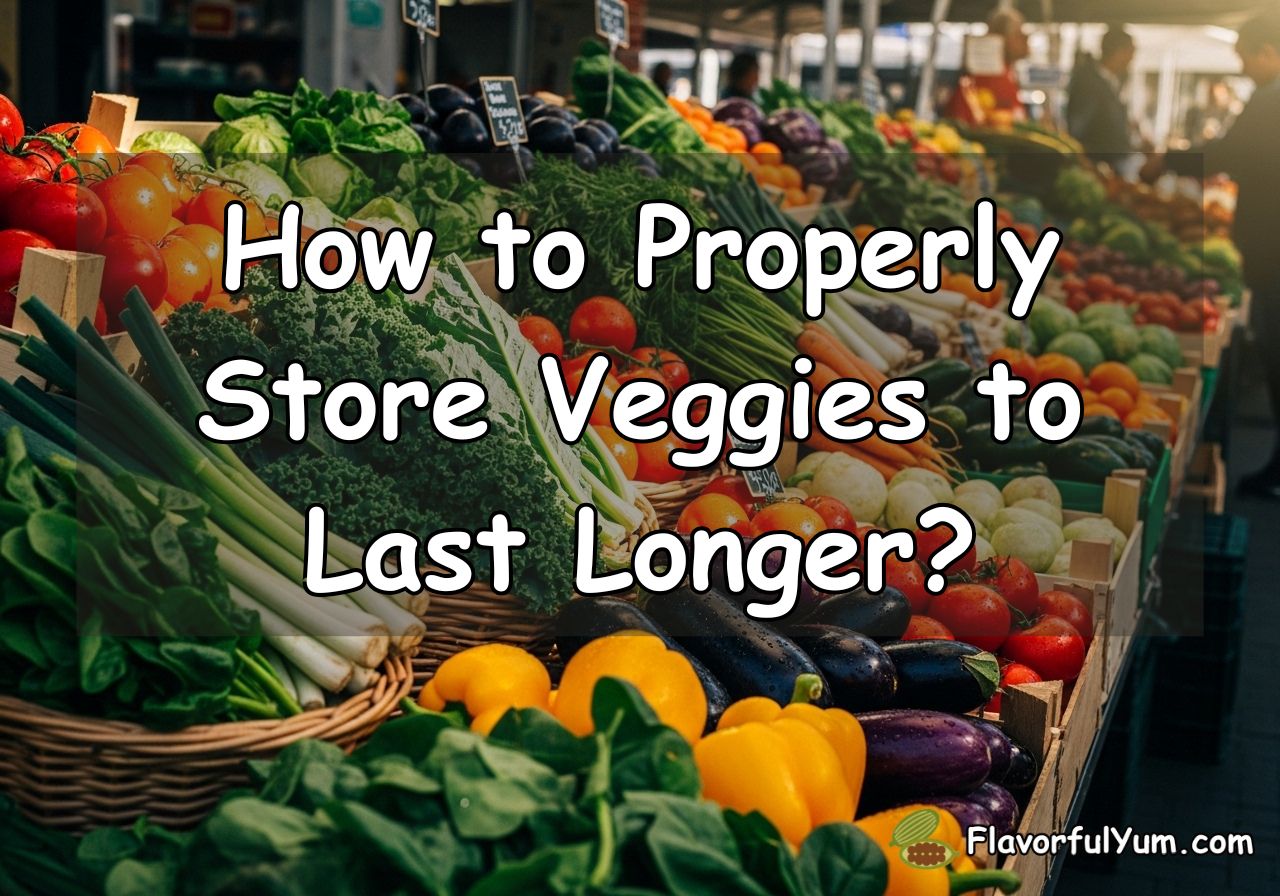
I used to throw away a lot of vegetables. They would wilt, rot, or lose flavor before I had time to use them. Over time, I learned that proper storage makes a huge difference. When I store vegetables the right way, they stay fresh longer, taste better, and help me save money.
Vegetable storage does not need special tools or expensive containers. It only requires simple habits and a basic understanding of what each type of vegetable needs. Some vegetables like cold air. Others need dry space or room temperature. When I match the storage method to the vegetable, waste drops fast.
In this guide, I share clear and simple ways to store vegetables so they last longer. I also explain common mistakes and easy fixes. These steps help me keep my fridge clean, my produce fresh, and my meals easier to plan.

Why Proper Vegetable Storage Matters?
Proper storage helps vegetables keep their texture and flavor. It also slows down spoilage and mold growth. When vegetables stay fresh longer, I waste less food and spend less money.
Fresh vegetables also keep more nutrients when stored correctly. Poor storage leads to moisture loss, rot, or bad smells. This makes vegetables less useful for cooking.
Good storage habits help with meal planning. I can buy vegetables in bulk and use them across the week without stress. This saves time and energy.
Basic Rules for Storing Vegetables
I always start with a few simple rules. These apply to almost every type of vegetable.
First, I do not wash vegetables before storage unless they are very dirty. Extra moisture causes mold and soft spots. I wash them right before use instead.
Second, I remove damaged or spoiled pieces. One bad vegetable can affect others. This step alone extends shelf life.
Third, I use breathable bags or containers. Trapped air and moisture speed up decay. Paper towels, mesh bags, or loose containers work best.
Vegetables That Belong in the Fridge
Some vegetables need cold air to stay fresh. I store these in the crisper drawer. The drawer keeps humidity at a stable level.
Leafy greens like lettuce, spinach, and kale need cold storage. I wrap them in a paper towel and place them in a container or bag. The paper towel absorbs moisture and keeps leaves crisp.
Broccoli, cauliflower, and carrots also stay best in the fridge. I keep them in loose plastic or open containers. This prevents moisture buildup.
Cucumbers, bell peppers, and zucchini go in the fridge as well. I store them away from strong-smelling foods since they absorb odors.
Vegetables That Stay Better at Room Temperature
Not all vegetables like cold air. Some lose flavor and texture in the fridge.
Potatoes need cool, dark, and dry space. I keep them in a pantry or cupboard, never in the fridge. Cold turns starch into sugar and changes taste.
Onions and garlic also stay better outside the fridge. I store them in a basket or paper bag with air flow. I keep them away from potatoes to prevent spoilage.
Tomatoes taste best at room temperature. The fridge dulls their flavor and makes them soft. I place them stem-side down on the counter.
How to Store Root Vegetables?
Root vegetables last a long time when stored correctly.
Carrots, beets, and radishes stay fresh in the fridge. I cut off the green tops before storage. The greens pull moisture from the root.
I place roots in a container with a paper towel. This keeps them dry and firm.
Sweet potatoes stay better outside the fridge. I store them in a cool, dry place. Cold air causes hard centers and poor texture.
Best Way to Store Leafy Greens
Leafy greens spoil fast if stored wrong. They need air flow and low moisture.
I remove rubber bands and damaged leaves first. Then I wrap the greens in a dry paper towel.
I place them in a loose bag or container. This setup keeps moisture balanced and prevents slime.
I also avoid storing greens near fruit. Some fruits release gas that speeds up decay.
How to Store Herbs?
Fresh herbs need special care.
Soft herbs like parsley, cilantro, and basil act like flowers. I trim the ends and place them in a jar with water. I cover loosely with a bag and keep them in the fridge.
Hard herbs like rosemary and thyme stay best wrapped in a damp paper towel inside a container. I keep them in the fridge as well.
This method keeps herbs fresh for up to two weeks.
Storing Cut Vegetables
Once vegetables are cut, they spoil faster. Air exposure speeds up decay.
I store cut vegetables in airtight containers. I line the container with a paper towel to absorb moisture.
I label containers with the date. This helps me track freshness and avoid waste.
Most cut vegetables last three to five days in the fridge.
Vegetables That Should Not Touch Each Other
Some vegetables release gas that speeds up spoilage.
Onions should not sit near potatoes. They cause each other to rot faster.
Tomatoes should stay away from leafy greens. They make greens wilt faster.
I separate these items to extend shelf life.
Freezing Vegetables for Long-Term Storage
Freezing works well when I cannot use vegetables in time.
I wash and cut vegetables first. I blanch them in boiling water for a few minutes. Then I cool them in ice water.
After drying, I place them in freezer bags. I remove as much air as possible.
Frozen vegetables last up to six months and work well in soups and stir-fries.
Common Vegetable Storage Mistakes
One common mistake is washing vegetables before storage. Moisture causes mold and slime.
Another mistake is overcrowding the fridge. Poor air flow makes food spoil faster.
Storing all vegetables together also causes problems. Each type needs different conditions.
Leaving vegetables in store packaging also traps moisture. I transfer them to better containers.
How to Organize Your Fridge for Vegetables?
Good fridge setup helps vegetables last longer.
I use the crisper drawer for most produce. I keep leafy greens on one side and root vegetables on the other.
I place herbs in the door or top shelf. This keeps them visible and easy to use.
I avoid placing vegetables near the freezer vent. Cold air can freeze and damage them.
How Long Common Vegetables Last?
Here is a simple guide I follow:
- Leafy greens: 5 to 7 days
- Carrots and beets: 2 to 3 weeks
- Broccoli and cauliflower: 7 to 10 days
- Bell peppers: 1 to 2 weeks
- Potatoes: 3 to 5 weeks
- Onions and garlic: 1 month or more
- Tomatoes: 4 to 7 days
Proper storage can extend these times.
How Proper Storage Saves Money?
When vegetables last longer, I buy less often. I waste less food. I spend less money.
I also feel more confident buying in bulk or during sales. This lowers my grocery bill.
Less waste also means less stress and easier meal planning.
Simple Weekly Storage Routine
I follow a basic routine every week.
When I bring groceries home, I remove packaging. I check for damage. I separate vegetables by type.
I line drawers and containers with paper towels. I label cut items.
This routine takes 10 minutes but saves hours later.
Final Thoughts
Proper vegetable storage is one of the easiest ways to reduce waste and save money. I no longer throw away wilted greens or spoiled roots. I use what I buy and enjoy fresher meals.
Storing vegetables the right way does not require special tools or skills. It only requires simple habits and a bit of awareness.
When I match each vegetable to the right environment, it lasts longer, tastes better, and makes cooking easier every day.

It’s Eliana Hazel. I’m a 33-year-old wife and mom of two from Tennessee who loves cooking fresh, simple meals for my family. I shop for veggies at Walmart, try new recipes, and add my own twist to make them special. When I’m not in the kitchen, I enjoy yoga, meditation, and catching up with my friends over green smoothies. Here, I share family-tested recipes, easy cooking tips, and a little inspiration to make your kitchen a happy place.
Related Posts

Previous Post
Next Post
Previous Post
Next Post


Hey, y’all! I’m Hazel!
I’m SO happy you’re here! I’m passionate about cooking fresh, homemade meals for my family and love sharing recipes that are simple, healthy, and full of flavor. Here on my blog, I believe in making food with love, experimenting with ingredients, and turning everyday meals into something special. In short, I believe that cooking at home brings families closer and makes life more joyful. >>> Learn more