
Now Reading: How to Eat Healthy on a Very Tight Budget?
-
01
How to Eat Healthy on a Very Tight Budget?
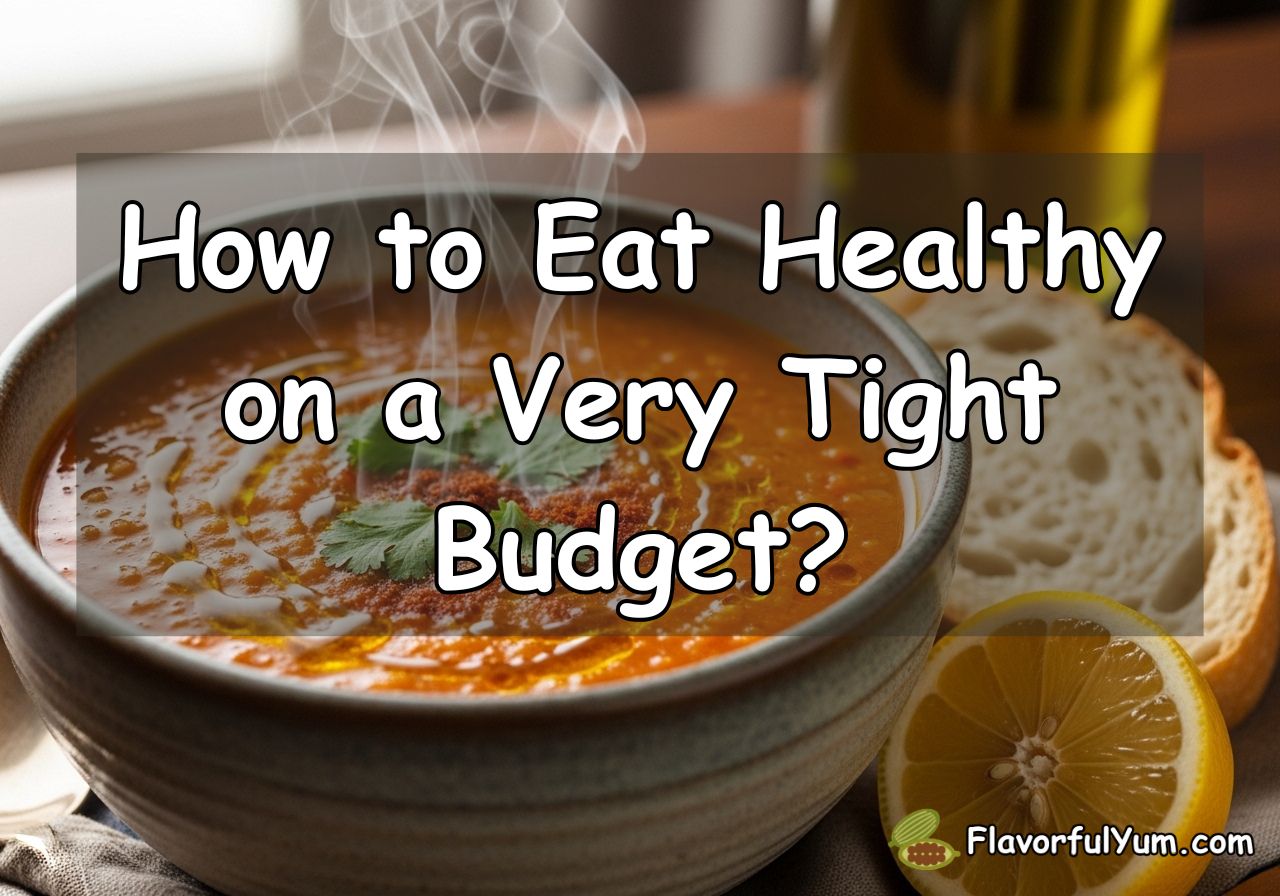
Eating healthy on a very tight budget can feel difficult. I used to think healthy food always costs more. I believed I needed expensive ingredients, special products, or fresh items every day. Over time, I learned that this idea was wrong. Healthy eating depends more on planning and smart choices than on money.
When money feels limited, food decisions matter even more. It becomes easy to rely on fast food, instant meals, or snacks with little nutrition. These options may feel cheap at first, but they often lead to poor health and higher costs later. I learned that simple home meals using basic ingredients can support health without hurting my budget.
In this guide, I share clear and practical ways to eat healthy on a very tight budget. These tips focus on habits I use every week. They help me save money, waste less food, and still eat balanced meals.

Understand What “Healthy” Really Means
Healthy eating does not mean fancy food. It means eating a mix of vegetables, fruits, grains, protein, and fats. These foods give the body energy, strength, and balance.
I focus on simple food groups instead of labels. I aim to include:
- One protein source
- One vegetable or fruit
- One grain or starch
This structure works for almost any meal. It keeps food simple and affordable.
Healthy eating also means portion control. Eating too much of any food increases cost and waste. I serve smaller portions and avoid overeating.
Plan Meals Before Shopping
Meal planning saves the most money.
I plan my meals for the week before I shop. I write down breakfast, lunch, and dinner ideas. Then I build a shopping list from those meals.
This stops impulse buying. I no longer buy food I do not need.
Planning also helps me use the same ingredients in many meals. This reduces waste and lowers cost.
Build Meals Around Cheap Staples
Staple foods form the base of budget meals.
I rely on:
- Rice
- Pasta
- Oats
- Potatoes
- Beans
- Lentils
- Eggs
These foods cost little and last long. They also provide energy and nutrients.
I mix these staples with vegetables and simple protein. This creates filling meals at low cost.
Buy Frozen and Canned Food
Frozen and canned food save money and time.
Frozen vegetables cost less than fresh ones and last longer. They keep most nutrients and need no washing or chopping.
Canned beans, tomatoes, and fish also help. They are cheap and ready to use.
I choose options with no added sugar or salt when possible.
Choose Budget Protein Sources
Protein often costs the most, but many cheap options exist.
I use:
- Eggs
- Beans
- Lentils
- Canned tuna
- Chicken thighs
- Ground meat
These foods give protein at a low price.
I mix meat with beans or vegetables. This stretches meals and lowers cost.
Cook at Home as Much as Possible
Cooking at home saves more money than any other habit.
Even simple home meals cost less than takeout.
I prepare meals in large batches. This gives leftovers for several days.
Leftovers reduce cooking time and prevent waste.
Use One-Pot and Sheet Pan Meals
One-pot meals save money and energy.
I cook soups, stews, and pasta in one pot. This uses less gas and water.
Sheet pan meals cook protein and vegetables together. This saves time and cleanup.
These meals help me stay consistent without stress.
Shop with a Simple Strategy
How I shop matters as much as what I buy.
I shop after eating. This stops hunger from affecting choices.
I check unit prices instead of brand names.
I choose store brands when possible. They often cost less and taste the same.
I avoid buying snacks and drinks. These cost more and give little nutrition.
Buy Seasonal Produce
Seasonal vegetables and fruits cost less.
I buy what grows locally at that time. These items taste better and cost less.
When fresh produce costs too much, I choose frozen instead.
This keeps my meals balanced without high cost.
Avoid Processed “Health” Food
Many products claim to be healthy but cost a lot.
I avoid protein bars, diet snacks, and packaged meals.
These items often cost more and contain little real food.
I stick to whole ingredients and cook them myself.
Learn Simple Budget Recipes
Simple recipes save money and time.
Some of my favorites include:
- Rice and beans
- Lentil soup
- Egg fried rice
- Vegetable pasta
- Baked potatoes with beans
These meals use cheap ingredients and stay filling.
I rotate these meals each week to avoid boredom.
Use Leftovers in New Ways
Leftovers help stretch food.
I turn leftover chicken into wraps or soups.
I mix cooked vegetables into eggs or pasta.
I reuse rice in stir-fries or fried rice.
This keeps meals fresh without new shopping.
Drink Water Instead of Sugary Drinks
Drinks affect budget more than people realize.
I stopped buying soda, juice, and energy drinks.
I drink water, tea, or homemade coffee.
This saves money and supports health.
Grow Simple Food at Home
Even small plants help.
I grow herbs like basil or mint.
These cost little and add flavor to meals.
If space allows, I grow tomatoes or greens.
This reduces grocery spending over time.
Track Food Waste
Food waste costs money.
I check my fridge before shopping.
I use older food first.
I freeze food I cannot use soon.
These habits save money without effort.
Budget-Friendly Breakfast Ideas
Breakfast does not need expensive food.
Some cheap healthy options include:
- Oatmeal with fruit
- Eggs and toast
- Yogurt with oats
- Peanut butter sandwiches
These meals give energy at low cost.
Budget-Friendly Lunch Ideas
Lunch often causes spending.
I bring food from home instead of buying.
Good options include:
- Rice and beans
- Leftover dinner
- Egg sandwiches
- Lentil soup
This saves a lot over time.
Budget-Friendly Dinner Ideas
Dinner should stay simple.
Some low-cost dinners I use:
- Vegetable stir-fry with rice
- Pasta with tomato sauce
- Baked potatoes with beans
- Chicken and frozen vegetables
These meals stay filling and cheap.
How to Eat Healthy Without Feeling Deprived?
Healthy eating should feel satisfying.
I allow small treats once in a while.
I focus on flavor using herbs and spices.
I avoid strict rules that cause stress.
Balance helps me stay consistent.
Sample Weekly Budget Meal Plan
Here is a simple example:
Breakfast:
Oats, eggs, toast
Lunch:
Rice and beans, leftovers
Dinner:
Vegetable pasta, lentil soup, stir-fry
Snacks:
Fruit, popcorn, yogurt
This plan uses low-cost food and covers all groups.
Mindset Matters More Than Money
Healthy eating starts with mindset.
I stopped chasing perfect meals.
I focus on what I can afford and control.
Small changes over time bring big results.
Final Thoughts
Eating healthy on a very tight budget is possible. It does not require special products or expensive ingredients. It requires planning, simple habits, and smart choices.
When I focus on staples, cook at home, and avoid waste, I save money and eat better. I feel more in control of my food and my budget.
Healthy eating is not about spending more. It is about using what you have in the best way possible. With simple steps and clear habits, anyone can eat healthy, even on a very tight budget.

It’s Eliana Hazel. I’m a 33-year-old wife and mom of two from Tennessee who loves cooking fresh, simple meals for my family. I shop for veggies at Walmart, try new recipes, and add my own twist to make them special. When I’m not in the kitchen, I enjoy yoga, meditation, and catching up with my friends over green smoothies. Here, I share family-tested recipes, easy cooking tips, and a little inspiration to make your kitchen a happy place.
Related Posts


Previous Post
Next Post

Hey, y’all! I’m Hazel!
I’m SO happy you’re here! I’m passionate about cooking fresh, homemade meals for my family and love sharing recipes that are simple, healthy, and full of flavor. Here on my blog, I believe in making food with love, experimenting with ingredients, and turning everyday meals into something special. In short, I believe that cooking at home brings families closer and makes life more joyful. >>> Learn more