
Now Reading: How to Plan a Week of Balanced Family Meals?
-
01
How to Plan a Week of Balanced Family Meals?
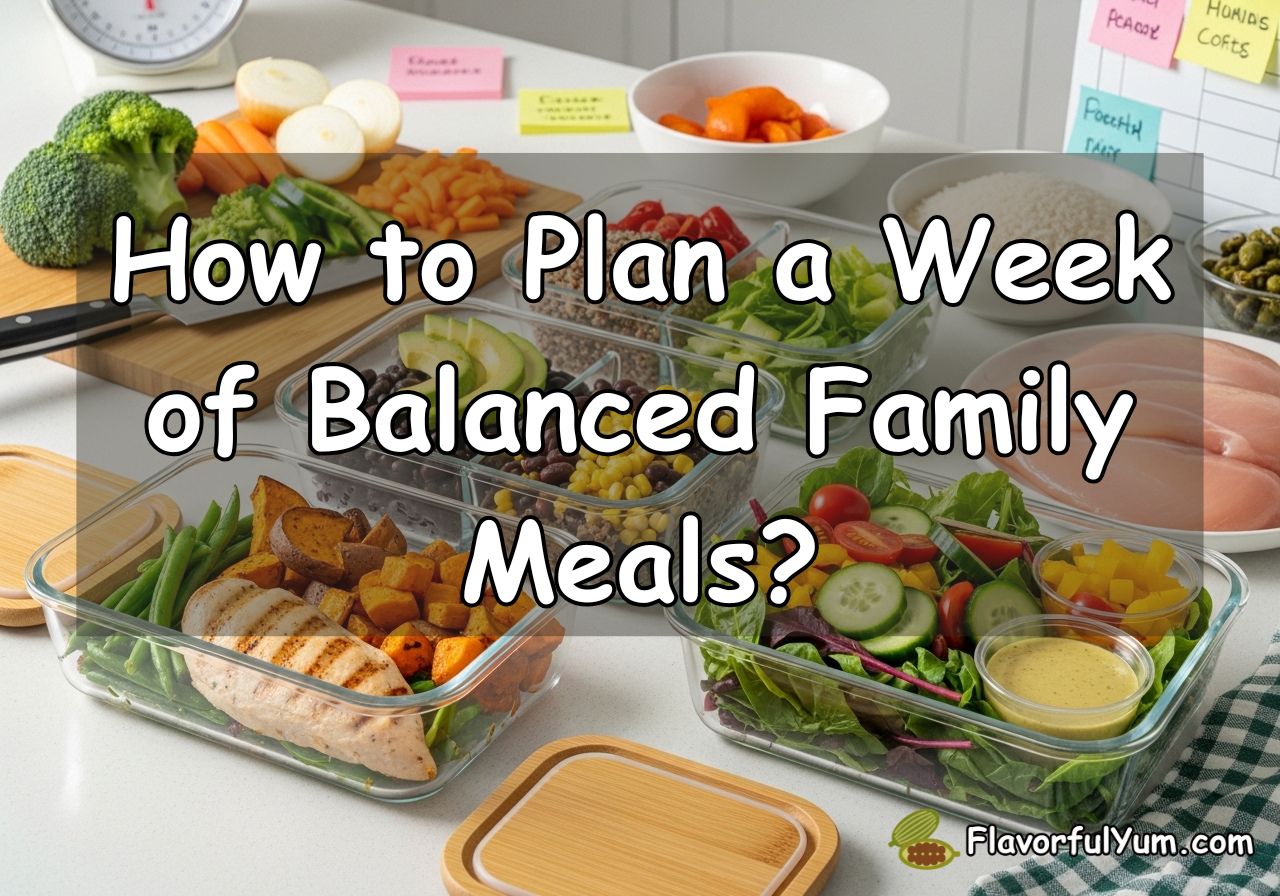
Planning a week of balanced family meals can feel overwhelming. I used to struggle with deciding what to cook every day, buying too much food, or ending up with unbalanced meals. Over time, I learned that meal planning is less about perfection and more about structure, variety, and smart choices. When I plan meals ahead, my family eats healthier, waste decreases, and stress disappears.
A balanced meal includes protein, vegetables, healthy fats, and whole grains. It provides energy, supports growth, and keeps everyone feeling satisfied. When I plan weekly meals, I make sure each day has a mix of these food groups, keeping flavors interesting and portions appropriate.
This guide explains how to plan a week of balanced family meals efficiently. I share strategies for meal planning, tips for including all food groups, and practical ideas for breakfast, lunch, and dinner. These steps help families save time, reduce stress, and eat healthier every day.

Why Weekly Meal Planning Matters?
Weekly meal planning brings structure to busy family life.
When I plan meals ahead, I know what ingredients to buy, which reduces last-minute grocery runs. It also prevents relying on takeout or processed foods, which often lack nutrition.
Planning meals saves money. Buying ingredients in bulk and using leftovers efficiently lowers the grocery bill.
Meal planning also reduces stress. I no longer face the “what’s for dinner?” question each day. The week feels organized, and everyone in the family gets balanced meals.
Step 1: Assess Your Family’s Needs
Before planning, I consider the family’s dietary needs and preferences.
I check for allergies, picky eaters, and special dietary goals like higher protein or lower sugar. Knowing what each family member likes prevents waste and frustration.
I also consider activity levels. Active children may need more carbs, while less active adults may require smaller portions.
This assessment guides me in creating meals that are nutritious, satisfying, and well-balanced.
Step 2: Create a Meal Template
Using a meal template helps organize the week. I usually plan:
- Breakfast: Quick, nutrient-rich meals
- Lunch: Filling meals that are easy to prepare
- Dinner: Balanced meals with protein, vegetables, and grains
- Snacks: Healthy options like fruit, nuts, or yogurt
Having a template saves decision-making time. I know the type of meal I need without overthinking every detail.
Step 3: Build Meals Around Protein
Protein is the foundation of balanced meals.
I include protein in every lunch and dinner. Common options for my family include:
- Chicken, turkey, or lean beef
- Fish like salmon or tilapia
- Eggs for breakfast or dinner
- Beans and lentils for vegetarian meals
- Tofu or tempeh for plant-based protein
Protein keeps everyone full, supports growth, and balances other food groups.
Step 4: Include Plenty of Vegetables
Vegetables provide fiber, vitamins, and minerals.
I include at least one vegetable with every meal. I rotate colors to make meals appealing and diverse.
For example:
- Green: Spinach, broccoli, peas
- Red/Orange: Bell peppers, carrots, tomatoes
- Purple: Eggplant, cabbage
I use fresh, frozen, or canned vegetables depending on convenience and season.
Step 5: Add Whole Grains and Healthy Carbs
Whole grains and healthy carbs give energy for busy families.
I include:
- Brown rice, quinoa, or barley
- Whole-grain pasta or bread
- Sweet potatoes or regular potatoes
- Oats for breakfast
I avoid refined grains and sugary products when possible. Whole grains digest slowly, keeping the family full longer.
Step 6: Include Healthy Fats
Healthy fats support brain function and overall health.
I use:
- Olive oil or avocado oil for cooking
- Avocados or nuts as snacks
- Seeds like chia or flax in breakfast or smoothies
- Fatty fish like salmon twice a week
Balancing fats with protein and carbs makes meals more satisfying and nutritious.
Step 7: Plan for Variety
Variety prevents boredom and ensures a range of nutrients.
I rotate proteins, vegetables, and grains throughout the week. For example:
- Monday: Chicken, broccoli, brown rice
- Tuesday: Lentils, carrots, quinoa
- Wednesday: Fish, zucchini, whole-grain pasta
Variety keeps meals exciting and prevents nutrient gaps.
Step 8: Make a Grocery List
Once the menu is set, I make a detailed grocery list.
I separate items into categories: produce, proteins, grains, dairy, pantry staples. This makes shopping faster and prevents forgetting ingredients.
I also check the fridge and pantry for items I already have. Using what I have prevents waste and saves money.
Step 9: Batch Cook and Prep
Batch cooking saves time during busy days.
I cook proteins in bulk, roast vegetables, and prepare grains ahead of time. Then I store meals in airtight containers in the fridge or freezer.
I also chop vegetables in advance. This makes cooking and assembling meals faster during the week.
Step 10: Include Easy and Quick Meals
Even with planning, some days are hectic.
I include simple, quick meals:
- Stir-fried vegetables with tofu or chicken
- Pasta with tomato sauce and a side of vegetables
- One-pot soups and stews
- Sheet pan meals with meat and vegetables
Having these quick options keeps the family fed without stress.
Step 11: Plan for Breakfast
Breakfast is important for energy and focus.
I plan simple options:
- Oatmeal with fruit and nuts
- Eggs with whole-grain toast and avocado
- Yogurt with granola and berries
- Smoothies with spinach, banana, and protein
Quick breakfasts save time and support healthy habits.
Step 12: Plan for Lunch
Lunch should be balanced and portable.
I prep meals the night before or cook in batches:
- Chicken salad wraps with vegetables
- Quinoa bowls with beans and roasted vegetables
- Leftover dinner proteins with grains and salad
- Veggie-packed soups with whole-grain bread
Balanced lunches keep energy levels high and prevent unhealthy snacking.
Step 13: Plan for Dinner
Dinner is often the main family meal.
I make sure it includes:
- Protein: meat, fish, eggs, or legumes
- Vegetables: fresh, roasted, or steamed
- Whole grains or starchy vegetables
- Healthy fats: olive oil, avocado, nuts
I also aim for flavor with herbs, spices, and simple sauces. This makes meals satisfying and enjoyable for the whole family.
Step 14: Healthy Snacks
Healthy snacks prevent overeating at main meals.
I plan snacks that are easy to grab:
- Fruit like apples, oranges, or berries
- Nuts or seeds in small portions
- Yogurt or cottage cheese
- Carrots, celery, or bell pepper sticks with hummus
Having snacks ready prevents reaching for chips or sweets.
Step 15: Adjust as Needed
No plan is perfect. I adjust meals based on schedule and appetite.
If I notice leftovers, I use them creatively in wraps, salads, or soups.
If someone does not like a vegetable, I swap it without disrupting the balance of protein, carbs, and fats.
Flexibility keeps meal planning realistic and sustainable.
Sample Week of Balanced Family Meals
Monday
- Breakfast: Oatmeal with banana and almonds
- Lunch: Chicken and quinoa salad with mixed vegetables
- Dinner: Baked salmon, roasted broccoli, brown rice
- Snacks: Carrot sticks, yogurt
Tuesday
- Breakfast: Greek yogurt with berries and granola
- Lunch: Lentil soup with whole-grain bread
- Dinner: Stir-fried tofu with vegetables and rice
- Snacks: Apple slices with peanut butter
Wednesday
- Breakfast: Eggs with spinach and whole-grain toast
- Lunch: Turkey wraps with lettuce, tomato, and cheese
- Dinner: Sheet pan chicken with sweet potatoes and zucchini
- Snacks: Nuts and fruit
Thursday
- Breakfast: Smoothie with spinach, banana, and protein powder
- Lunch: Leftover baked salmon with quinoa and vegetables
- Dinner: Spaghetti with turkey meatballs and side salad
- Snacks: Yogurt, cucumber sticks
Friday
- Breakfast: Overnight oats with berries and chia seeds
- Lunch: Bean and vegetable salad
- Dinner: One-pot vegetable and chicken soup
- Snacks: Carrots with hummus, apple
Saturday
- Breakfast: Scrambled eggs with peppers and tomatoes
- Lunch: Quinoa bowl with roasted vegetables
- Dinner: Grilled fish, brown rice, green beans
- Snacks: Nuts and fruit
Sunday
- Breakfast: Whole-grain pancakes with fruit
- Lunch: Leftover soup or salad
- Dinner: Baked chicken, roasted root vegetables, spinach salad
- Snacks: Yogurt, carrot sticks
Tips for Success
- Prep ingredients in advance: Chop vegetables, cook grains, and batch cook proteins.
- Rotate meals: Prevents boredom and ensures nutrient variety.
- Use frozen vegetables: Last longer and save time.
- Stick to your template: Keeps meals balanced even when busy.
- Involve the family: Let children help choose meals or assist with prep.
Final Thoughts
Planning a week of balanced family meals makes life easier, healthier, and less stressful. It allows me to provide nutritious meals, save money, and reduce food waste.
The key is to plan meals with protein, vegetables, healthy fats, and grains, while keeping them simple and flexible. Batch cooking, prep work, and smart grocery shopping make the process manageable.
With these strategies, any family can enjoy healthy, balanced meals throughout the week, without feeling overwhelmed or stuck in a cooking rut.
Balanced meal planning is not about perfection. It’s about creating a system that works for your family, keeps everyone nourished, and makes cooking a positive, manageable part of your week.

It’s Eliana Hazel. I’m a 33-year-old wife and mom of two from Tennessee who loves cooking fresh, simple meals for my family. I shop for veggies at Walmart, try new recipes, and add my own twist to make them special. When I’m not in the kitchen, I enjoy yoga, meditation, and catching up with my friends over green smoothies. Here, I share family-tested recipes, easy cooking tips, and a little inspiration to make your kitchen a happy place.
Related Posts


Previous Post
Next Post

Hey, y’all! I’m Hazel!
I’m SO happy you’re here! I’m passionate about cooking fresh, homemade meals for my family and love sharing recipes that are simple, healthy, and full of flavor. Here on my blog, I believe in making food with love, experimenting with ingredients, and turning everyday meals into something special. In short, I believe that cooking at home brings families closer and makes life more joyful. >>> Learn more