
Now Reading: Meal Prep 101: Everything Beginners Need to Know
-
01
Meal Prep 101: Everything Beginners Need to Know
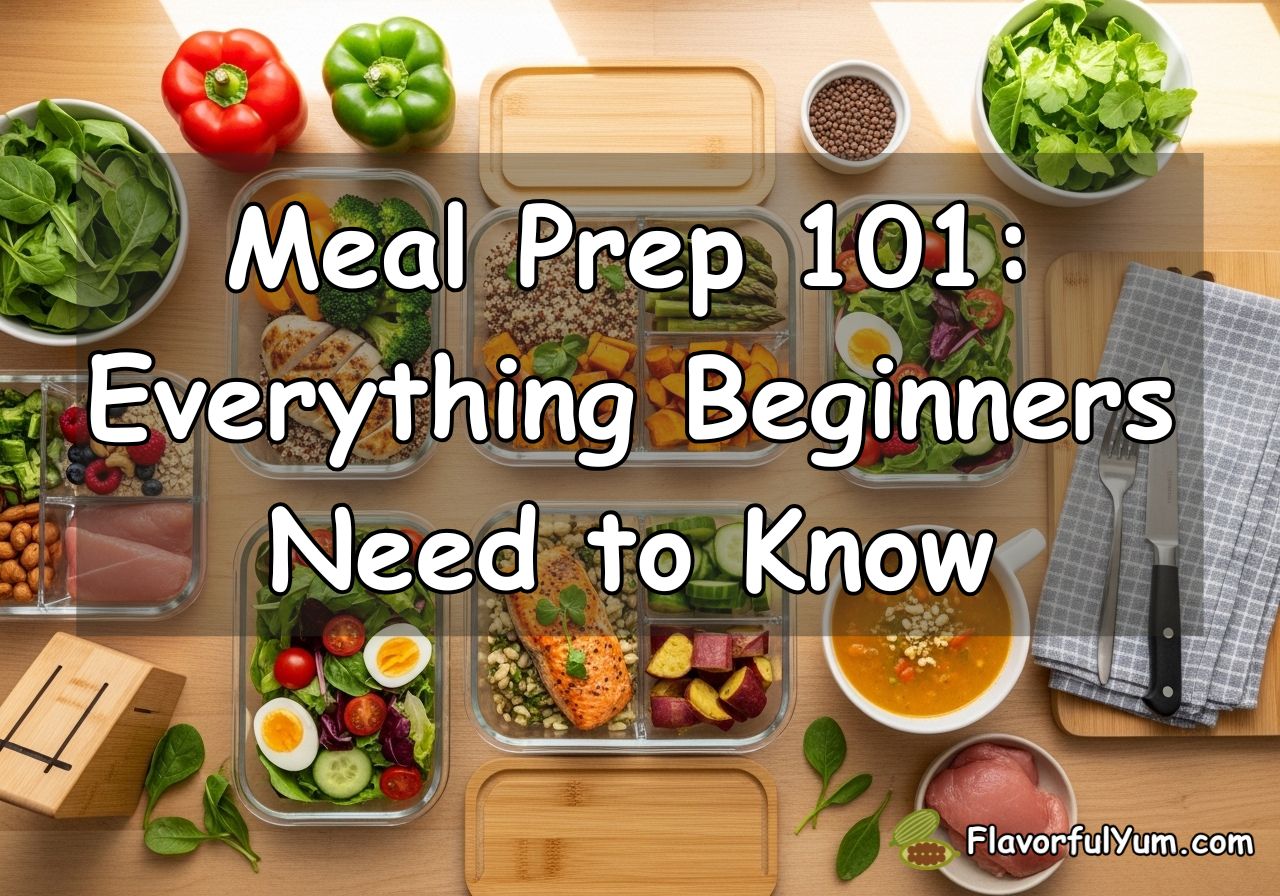
Meal prep can feel intimidating if you’re new to it. I remember staring at the fridge wondering where to start and feeling overwhelmed by recipes, containers, and grocery lists. Over time, I realized meal prep doesn’t have to be complicated. It’s about planning, organizing, and creating meals ahead so eating healthy and saving time become simple.
For beginners, meal prep is a way to reduce stress, control portions, save money, and eat nutritious meals consistently. With the right approach, anyone can prepare meals that fit their schedule, budget, and dietary goals.
This guide is designed for beginners. I will walk through everything you need to know to get started with meal prep, from planning and shopping to cooking, storing, and enjoying your meals.
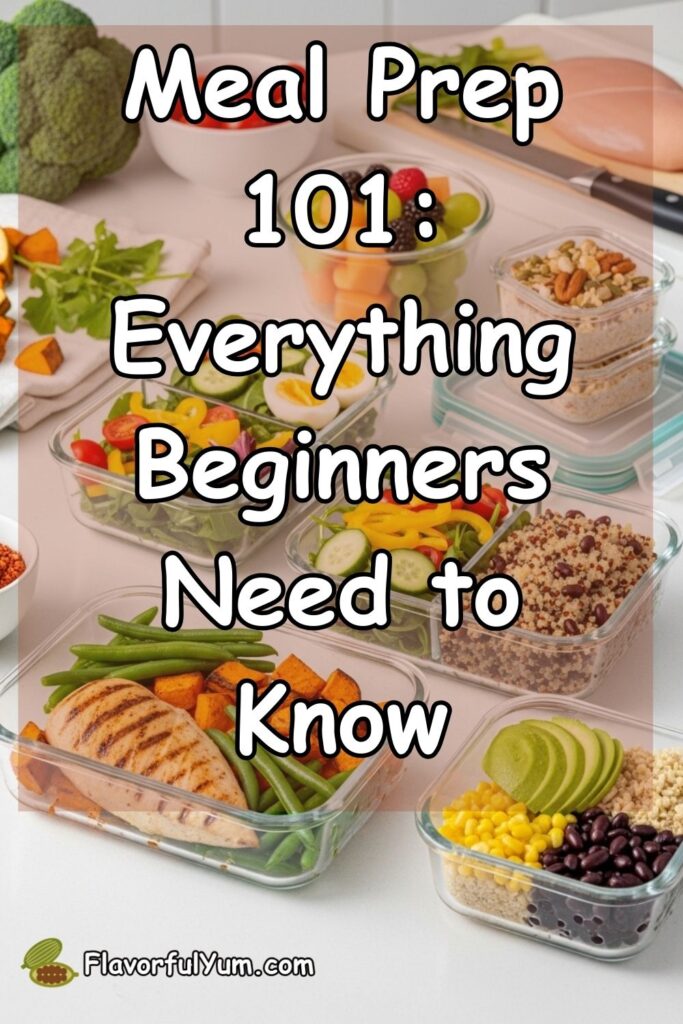
Why Meal Prep Matters?
Meal prep is more than just cooking in advance. It is a tool that helps simplify your week.
I found that when I prep meals ahead, I waste less food and avoid impulsive, unhealthy choices. I also save money because I buy exactly what I need and cook in batches.
For busy lifestyles, meal prep keeps me organized. I don’t have to decide what to eat at the last minute, which reduces stress and keeps me consistent with my nutrition goals.
Step 1: Set Your Goals
Before starting meal prep, it’s important to define your goals.
Ask yourself:
- Are you meal prepping to eat healthier?
- Are you trying to save time during the week?
- Do you have a specific diet or calorie target?
Knowing your goal helps you plan meals that fit your needs. For example, prepping for a low-carb diet will differ from prepping for a balanced family menu.
Step 2: Choose a Prep Day
I pick one or two days a week to focus on meal prep.
Many beginners find weekends easiest. I block 1–2 hours for cooking, chopping, and portioning meals. Choosing a consistent day makes meal prep part of your routine.
Even prepping just a few meals at a time—like lunches or dinners—makes a big difference in managing your week.
Step 3: Plan Your Meals
Planning is the foundation of meal prep.
I start by deciding which meals I want to prep: breakfast, lunch, dinner, or snacks. Then I create a simple menu for the week.
I aim to include:
- Protein: chicken, fish, eggs, beans
- Vegetables: fresh, frozen, or canned
- Carbs: rice, quinoa, pasta, potatoes
- Healthy fats: olive oil, avocado, nuts
Planning ensures variety, balance, and reduces last-minute stress.
Step 4: Make a Grocery List
A detailed grocery list saves time and prevents extra trips to the store.
I categorize items into produce, proteins, grains, pantry staples, and snacks. I check my fridge and pantry first to avoid buying duplicates.
Shopping with a list also helps me stick to my budget and ensures I have all the ingredients I need for the week.
Step 5: Use Batch Cooking
Batch cooking is one of the most effective meal prep strategies.
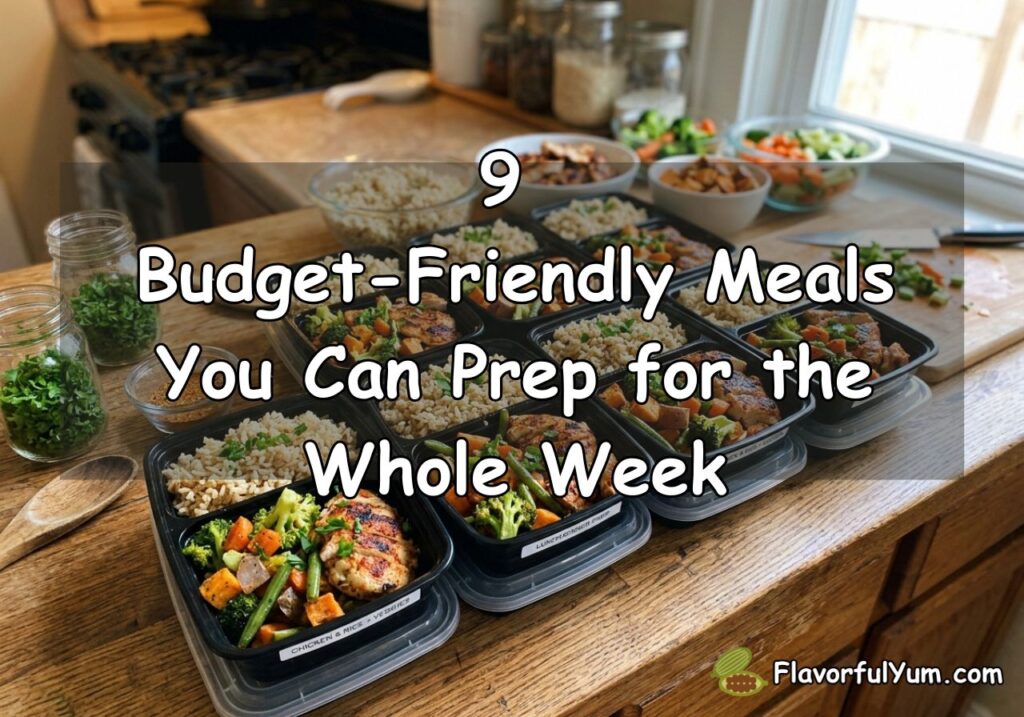
I cook proteins, grains, and vegetables in larger quantities and store portions in containers. For example:
- Bake chicken breasts for 3–4 days of meals
- Cook a large pot of rice or quinoa
- Roast a tray of mixed vegetables
Batch cooking saves time and allows flexibility in mixing and matching meals.
Step 6: Prep Ingredients in Advance
Ingredient prep is key to efficient meal prep.
I wash, peel, and chop vegetables in advance. I portion snacks like nuts or cut fruit so they are ready to grab.
I also marinate proteins or pre-cook certain ingredients for recipes later in the week. Preparing ingredients separately keeps meals fresh and easy to assemble.
Step 7: Portion Meals Properly
Portioning helps with nutrition and prevents overeating.
I use airtight containers or divided meal prep containers. I measure proteins, carbs, and vegetables according to my dietary goals.
Portioning in advance makes it easy to grab a ready-made meal without guessing serving sizes.
Step 8: Use the Right Containers
Proper storage is crucial for freshness.
I use:
- Glass containers for meals that may go in the microwave or oven
- Plastic containers for salads and dry snacks
- Mason jars for layered salads or overnight oats
Labeling containers with the meal and date helps track freshness and prevents food waste.
Step 9: Focus on Simple Recipes
Simple recipes are easier to prep and less stressful for beginners.
I use recipes with 5–10 ingredients that cook quickly. Some examples:
- Baked chicken with roasted vegetables
- Stir-fried tofu with broccoli and rice
- Overnight oats with fruit and nuts
- Lentil soup
Simple meals reduce cooking time, lower stress, and make meal prep more sustainable.
Step 10: Make Meals Flexible
Flexibility is key to sticking with meal prep.
I prep a few staple meals that can be combined in different ways. For example:
- Roasted chicken can be served with rice, in a salad, or in a wrap.
- Quinoa can be mixed with vegetables or used as a base for bowls.
Flexible meals prevent boredom and allow me to adjust depending on my schedule.
Step 11: Include Snacks
Snacks are often overlooked in meal prep.
I prep snacks like:
- Cut vegetables with hummus
- Fruit and nuts
- Greek yogurt with berries
- Rice cakes with peanut butter
Having healthy snacks ready prevents reaching for processed options.
Step 12: Store Meals Safely
Food safety is critical.
I store meals in the fridge for 3–4 days. I freeze meals if they won’t be eaten within this time frame.
I always reheat meals until steaming hot and avoid reheating more than once. Proper storage keeps meals fresh, safe, and tasty.
Step 13: Save Time with One-Pot or Sheet Pan Meals
One-pot or sheet pan meals simplify meal prep.
I make:
- One-pot pasta with vegetables and protein
- Sheet pan chicken with sweet potatoes and broccoli
- Stir-fry with pre-chopped vegetables and cooked rice
These methods reduce cleanup and save time while keeping meals healthy.
Step 14: Add Variety
Variety keeps meals interesting and prevents burnout.
I rotate proteins, vegetables, and grains weekly. I also experiment with different seasonings and sauces.
Even small changes, like switching from broccoli to green beans or chicken to salmon, make meals feel new without extra effort.
Step 15: Tips for Staying Consistent
Consistency is key for beginners.
- Start small: Prep a few meals per week, not everything at once.
- Set a schedule: Choose one or two prep days.
- Keep ingredients simple: Focus on foods that are easy to store and cook.
- Celebrate progress: Even small prep efforts save time and improve nutrition.
Sticking to a routine makes meal prep a habit instead of a chore.
Sample Beginner Meal Prep Plan
Breakfast:
- Overnight oats with banana and chia seeds
- Egg muffins with spinach and peppers
Lunch:
- Quinoa salad with roasted vegetables and grilled chicken
- Lentil soup with whole-grain bread
Dinner:
- Sheet pan salmon with asparagus and sweet potatoes
- Stir-fried tofu with broccoli, bell peppers, and rice
Snacks:
- Carrot sticks with hummus
- Almonds and fruit
- Greek yogurt with berries
This plan covers all food groups, is easy to prepare in batches, and provides meals ready for the week.
Common Beginner Mistakes to Avoid
- Overcomplicating meals – Start with simple recipes before trying elaborate dishes.
- Not labeling containers – Without labels, meals can get mixed up or go bad.
- Ignoring portion sizes – Measure proteins, carbs, and vegetables to avoid overeating or under-eating.
- Skipping planning – Meal prep without planning leads to wasted ingredients and stress.
- Prepping too many meals at once – Start with a few days at a time until you get comfortable.
Avoiding these mistakes keeps meal prep effective and manageable.
Final Thoughts
Meal prep is a powerful tool for beginners to eat healthier, save time, and reduce stress. It is not about perfection but about creating a system that works for your schedule and lifestyle.
By planning meals, shopping smartly, batch cooking, storing meals properly, and keeping recipes simple, anyone can make meal prep a routine.
Even small steps, like prepping lunches for three days or making a few breakfast options, make a big difference. Over time, meal prep becomes easier, faster, and more enjoyable.
With consistent effort and organization, beginners can confidently prepare meals ahead, stick to their nutrition goals, and enjoy stress-free, healthy eating all week long.

It’s Eliana Hazel. I’m a 33-year-old wife and mom of two from Tennessee who loves cooking fresh, simple meals for my family. I shop for veggies at Walmart, try new recipes, and add my own twist to make them special. When I’m not in the kitchen, I enjoy yoga, meditation, and catching up with my friends over green smoothies. Here, I share family-tested recipes, easy cooking tips, and a little inspiration to make your kitchen a happy place.
Related Posts
Previous Post
Next Post


Hey, y’all! I’m Hazel!
I’m SO happy you’re here! I’m passionate about cooking fresh, homemade meals for my family and love sharing recipes that are simple, healthy, and full of flavor. Here on my blog, I believe in making food with love, experimenting with ingredients, and turning everyday meals into something special. In short, I believe that cooking at home brings families closer and makes life more joyful. >>> Learn more