
Now Reading: How to Stop Overspending on Groceries?
-
01
How to Stop Overspending on Groceries?
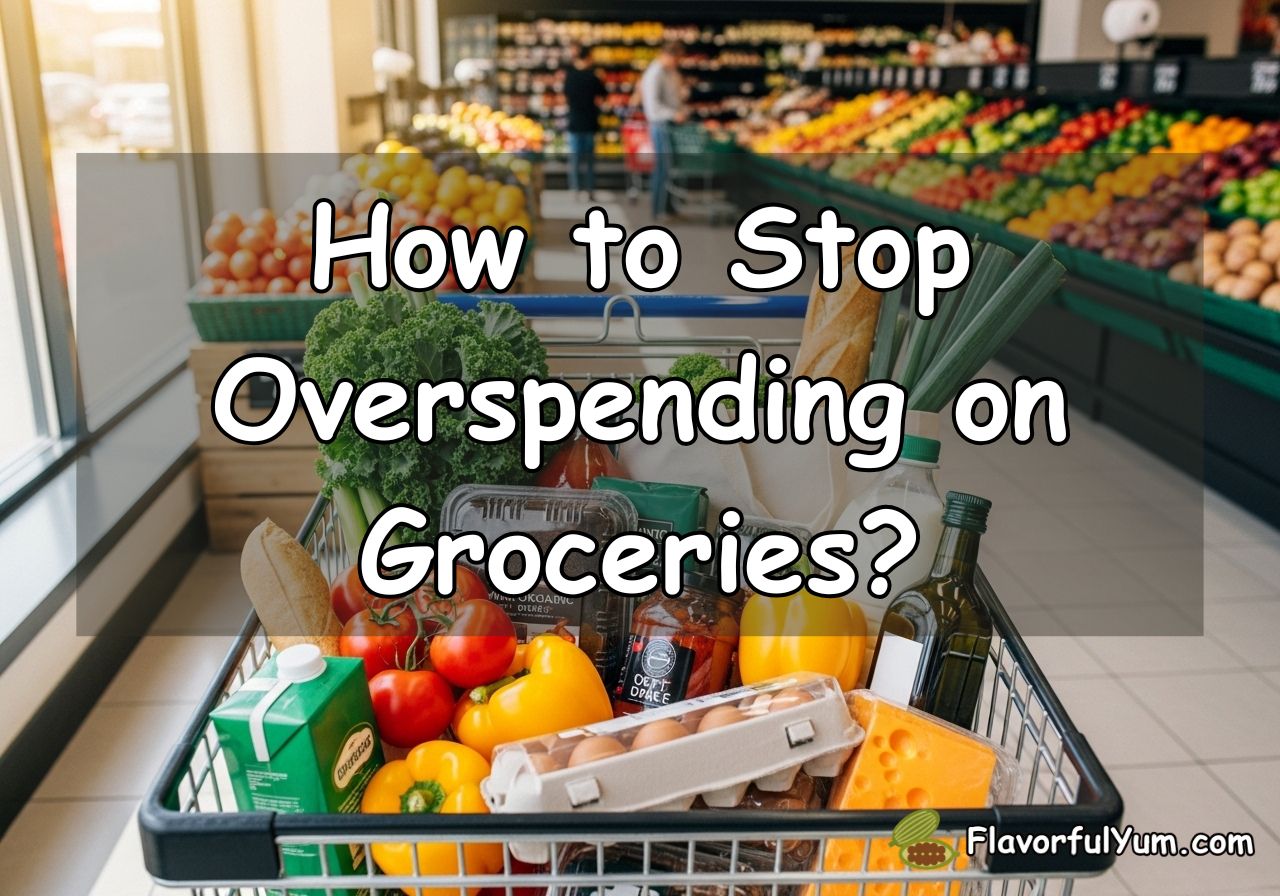
Groceries can take a large chunk of the budget if you’re not careful. I used to leave the store with more than I planned, paying for items I didn’t need. Over time, I learned that overspending is rarely about “expensive tastes” and more about habits, planning, and awareness.
Stopping overspending on groceries starts with understanding why it happens. Impulse purchases, poor planning, and lack of budget awareness all contribute. Once I recognized these patterns, I could make simple changes that saved money without sacrificing healthy meals.
In this article, I share practical strategies to stop overspending on groceries, including planning, budgeting, shopping habits, and smart buying tips.

Set a Grocery Budget
The first step is knowing how much you can spend. I created a weekly grocery budget based on my income and family size.
A clear budget prevents overspending by giving boundaries. I divide money for essentials, fresh produce, and treats. This method helps me avoid grabbing extra items at the checkout.
Track spending for a few weeks to understand patterns. Use a notebook, app, or spreadsheet. Knowing exactly how much you spend makes it easier to cut unnecessary costs.
Plan Meals Ahead
Meal planning reduces impulse buying. I plan my meals for the week before going to the store. This helps me buy only what I need.
When I plan, I check what is already in the pantry. I use items that are about to expire, reducing waste. This approach prevents buying duplicates or unnecessary snacks.
A meal plan also allows me to cook at home instead of ordering takeout, which saves even more money.
Make a Detailed Shopping List
A shopping list keeps purchases focused. I write down everything needed for planned meals.
Stick to the list. Avoid adding items unless absolutely necessary. This habit prevents grabbing extra snacks or impulse items.
Organize your list by store sections: produce, meat, dairy, grains. This reduces wandering and temptation in aisles.
Shop Smart
Shopping smart means timing, stores, and strategy.
I shop after eating. Hunger often causes impulse buying. I also compare stores for prices. Some stores have cheaper staples or better sales.
Buying store brands instead of name brands saves money without sacrificing quality. For example, I get store-brand rice, pasta, and canned vegetables at a fraction of the price.
Coupons and discount apps help, but I use them carefully. I only use them for items I would normally buy.
Avoid Bulk Buying Unless Necessary
Buying in bulk seems economical, but it can increase costs if food spoils. I only buy bulk items I use regularly and store them properly.
Staples like rice, beans, or oats are good bulk purchases. Perishable items like fresh fruit, vegetables, or dairy are better bought weekly.
Bulk buying works when planned. Otherwise, it leads to wasted money and wasted food.
Limit Processed and Packaged Foods
Processed foods often cost more and are less healthy. I focus on whole foods like fruits, vegetables, grains, and lean protein.
Whole foods are often cheaper per serving. For example, buying fresh carrots is cheaper than pre-cut carrot sticks. I also avoid convenience meals that add unnecessary cost.
Cooking from scratch may take a little time but saves money in the long run. It also improves nutrition and flavor.
Shop With Cash or Cards Mindfully
Paying with cash can prevent overspending. I withdraw the budgeted amount and stick to it.
If using a card, track spending with an app or phone note while shopping. Seeing totals in real-time helps me stay disciplined.
Avoid credit cards for groceries unless necessary. Overspending with credit can create bigger financial problems later.
Check Unit Prices
I compare unit prices to find the best deals. For example, a large pack of rice may seem cheaper, but sometimes smaller packs cost less per pound.
Unit pricing is often on the shelf label. I check carefully to make the most cost-effective choice.
This practice helps me spot real deals instead of marketing tricks.
Reduce Food Waste
Waste increases grocery costs. I track what spoils in my fridge and pantry.
I store food properly. Leafy greens go in produce drawers, meat stays in coldest fridge section, and leftovers in airtight containers.
I plan meals to use leftovers creatively. Yesterday’s roasted chicken becomes today’s salad or sandwich. This reduces food waste and maximizes every dollar spent.
Avoid Shopping Without a List
Shopping without a plan leads to overspending. I learned to never enter the store empty-handed.
Impulse purchases are common with bright packaging and sales. A list keeps me focused on essentials.
Even if tempted, I remind myself that extra items add cost without real value.
Take Advantage of Seasonal Produce
Seasonal fruits and vegetables are cheaper and fresher. I buy items that are in season.
For example, berries in summer are cheaper than winter. Root vegetables in fall are cost-effective and versatile.
Seasonal shopping reduces costs and encourages variety in meals.
Meal Prep for Cost Savings
Preparing meals in advance reduces last-minute grocery runs. I cook in batches and store meals for the week.
This strategy minimizes eating out or buying convenience foods, which can quickly exceed budget.
Batch cooking also helps use ingredients fully before spoilage, reducing waste.
Shop Less Often
Frequent trips increase temptation to buy extra items. I shop weekly or bi-weekly, depending on needs.
Fewer trips mean fewer impulse buys and better focus on planned meals.
I also maintain a small stock of pantry staples for emergencies, so I don’t feel pressured to buy unnecessary extras.
Stick to Essentials First
I prioritize essential items before considering treats or luxury items. I make sure my basic groceries—grains, proteins, and vegetables—are fully stocked.
Once essentials are purchased, I allow small treats if budget allows. This keeps spending controlled.
Track Spending and Adjust
I review grocery spending each month. I note where money went and where I can save.
This helps me identify problem areas like snacks, drinks, or specialty items. Tracking spending encourages smarter shopping habits over time.
Real-Life Example
I once spent $150 on a week’s groceries without a list. Half of it went to snacks and items I rarely used.
After creating a budget and meal plan, my weekly grocery bill dropped to $90. I still bought the same meals, but smarter planning prevented overspending.
This taught me that awareness, planning, and discipline are more important than cutting out items entirely.
Final Thoughts
Overspending on groceries is not about the store prices alone. It is about habits, planning, and shopping strategies.
Key steps include:
- Setting a clear budget
- Planning meals and creating a list
- Shopping smart and avoiding impulse purchases
- Reducing waste and using leftovers
- Choosing seasonal and whole foods
By following these strategies, anyone can save money, eat healthier, and still enjoy satisfying meals.
Stopping overspending on groceries is a skill that improves with practice. Once habits are established, grocery shopping becomes efficient, cost-effective, and stress-free.

It’s Eliana Hazel. I’m a 33-year-old wife and mom of two from Tennessee who loves cooking fresh, simple meals for my family. I shop for veggies at Walmart, try new recipes, and add my own twist to make them special. When I’m not in the kitchen, I enjoy yoga, meditation, and catching up with my friends over green smoothies. Here, I share family-tested recipes, easy cooking tips, and a little inspiration to make your kitchen a happy place.
Related Posts


Previous Post
Next Post



Hey, y’all! I’m Hazel!
I’m SO happy you’re here! I’m passionate about cooking fresh, homemade meals for my family and love sharing recipes that are simple, healthy, and full of flavor. Here on my blog, I believe in making food with love, experimenting with ingredients, and turning everyday meals into something special. In short, I believe that cooking at home brings families closer and makes life more joyful. >>> Learn more