
Now Reading: How to Transition to a Gluten-Free Diet?
-
01
How to Transition to a Gluten-Free Diet?
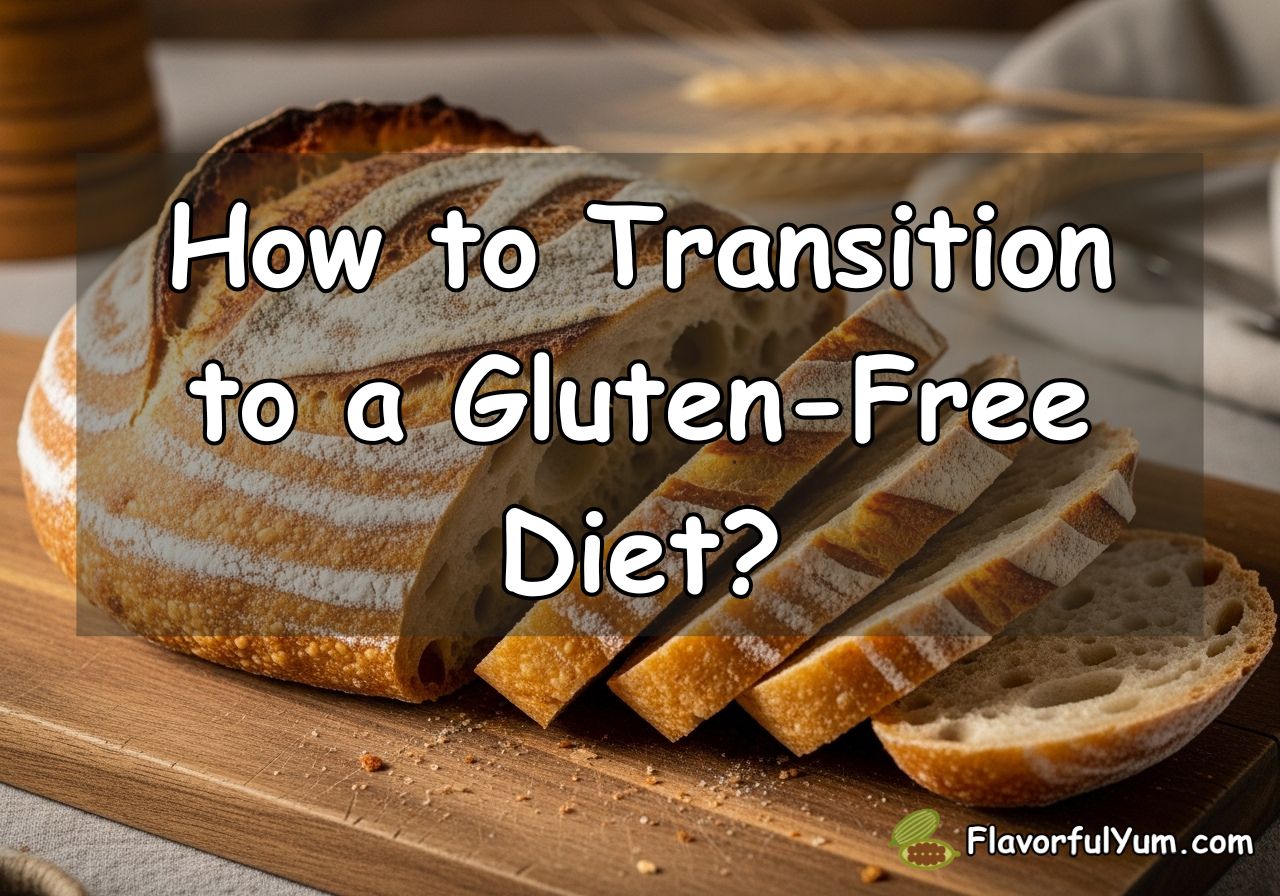
Switching to a gluten-free diet can feel overwhelming at first. I remember staring at shelves filled with breads, pasta, and snacks, wondering what I could eat. Over time, I learned that a gluten-free lifestyle is manageable with planning, knowledge, and patience.
A gluten-free diet eliminates gluten, a protein found in wheat, barley, rye, and sometimes oats. People follow this diet for medical reasons, like celiac disease or gluten sensitivity, or simply to improve digestion and overall health.
Transitioning to a gluten-free diet is not just about avoiding certain foods—it’s about learning alternatives, reading labels, and building new habits. In this article, I’ll share practical tips and strategies that helped me make the switch safely and confidently.

Understanding Gluten
Gluten is a protein that gives bread and baked goods their elasticity. It is found in many common grains, including:
- Wheat
- Barley
- Rye
- Sometimes oats (unless certified gluten-free)
Gluten can also hide in sauces, dressings, and processed foods. Even small amounts can trigger symptoms for people with celiac disease or gluten intolerance.
Understanding where gluten exists is the first step in making informed choices. I started by listing every common source of gluten in my pantry and replacing them gradually.
Clear Out the Pantry
Transitioning is easier when your kitchen is free of gluten-containing foods. I removed bread, pasta, crackers, and any processed foods with wheat, barley, or rye.
Label checking is key. Ingredients like malt, modified food starch, or hydrolyzed wheat protein may contain gluten. If unsure, I researched or contacted manufacturers.
Clearing the pantry prevents accidental consumption. It also gives space for gluten-free staples, which makes cooking and meal prep smoother.
Stock Up on Gluten-Free Essentials
Replacing gluten-containing foods requires stocking gluten-free alternatives. I found that having reliable staples made the transition simpler.
Some essentials include:
- Gluten-free flours: rice, almond, coconut, or oat (certified gluten-free)
- Gluten-free pasta and noodles
- Rice and quinoa
- Gluten-free bread, tortillas, and crackers
- Canned beans, vegetables, and sauces
I also keep frozen vegetables, fruits, and lean proteins on hand. These are naturally gluten-free and versatile for meals.
Learn to Read Labels
Label reading is a skill I developed over time. Gluten can appear under many names, so I always check:
- Wheat, barley, rye, or malt
- Hydrolyzed wheat protein
- Modified food starch (sometimes from wheat)
- Brewer’s yeast
Certified gluten-free labels are helpful but not always present. When in doubt, I avoid products that may contain hidden gluten.
Start Slowly
Transitioning overnight can feel restrictive and stressful. I recommend a gradual approach.
I started by replacing breakfast items first, like switching regular bread to gluten-free toast. Then I moved to lunch and snacks, and finally dinner staples like pasta or breaded foods.
A slow transition allows time to adjust taste preferences, cooking methods, and grocery shopping habits.
Plan Your Meals
Meal planning is essential for a successful gluten-free transition. I plan meals in advance, making a shopping list of naturally gluten-free foods.
Planning reduces reliance on processed gluten-free alternatives, which can be expensive. I focus on whole foods like vegetables, fruits, meats, eggs, and grains like rice or quinoa.
Meal planning also prevents accidental gluten consumption by ensuring I always have safe options available.
Explore Naturally Gluten-Free Foods
Not all gluten-free foods are specialty products. I learned to rely on naturally gluten-free foods.
Some examples include:
- Fresh fruits and vegetables
- Meat, poultry, fish, and eggs
- Rice, quinoa, and potatoes
- Nuts and seeds
- Dairy products like milk, cheese, and yogurt
Eating naturally gluten-free foods simplifies grocery shopping and reduces cost. I also find meals feel fresher and healthier.
Replace Favorites Gradually
Gluten-free alternatives make the transition easier. I replaced favorites like:
- Bread → gluten-free bread or lettuce wraps
- Pasta → gluten-free pasta or spiralized vegetables
- Snacks → rice cakes, popcorn, or gluten-free granola bars
Trying alternatives slowly prevents overwhelm and allows taste adjustment. Some gluten-free products taste different, so patience is key.
Cooking at Home
Cooking at home gives control over ingredients. I found home-cooked meals reduced accidental gluten exposure.
Simple gluten-free meals include stir-fries, soups, salads, roasted vegetables, and grilled proteins. I use gluten-free sauces, like tamari instead of soy sauce.
Home cooking also saves money, since gluten-free packaged foods are often expensive.
Dining Out Safely
Eating out requires planning. I research restaurants with gluten-free menus. I also call ahead to check cross-contamination practices.
When ordering, I clearly communicate dietary needs. I ask how meals are prepared and request alternatives when needed.
Some restaurants are cautious with gluten-free options, so choosing safe venues reduces stress.
Watch for Cross-Contamination
Cross-contamination happens when gluten touches gluten-free food. I learned to avoid it in my kitchen by:
- Using separate cutting boards and utensils
- Cleaning surfaces thoroughly
- Using separate toaster or toaster bags
- Storing gluten-free products above or apart from regular foods
Even tiny traces of gluten can cause reactions for sensitive individuals, so careful preparation is essential.
Focus on Balanced Nutrition
Going gluten-free does not mean eating less healthy foods. I ensure meals are balanced with protein, fiber, healthy fats, and vitamins.
I include vegetables, fruits, lean meats, legumes, and gluten-free grains in every meal. This prevents nutritional gaps and keeps energy levels steady.
Supplements may be necessary in some cases, like iron or B vitamins, especially if eliminating fortified gluten-containing foods.
Managing Cravings
Cravings for gluten are normal during the transition. I manage them by:
- Keeping gluten-free snacks handy
- Experimenting with gluten-free baking at home
- Allowing occasional naturally gluten-free comfort foods, like rice cakes or smoothies
Understanding cravings helps me stay committed without feeling deprived.
Monitor Your Body
Transitioning can reveal improvements in digestion, energy, or skin health. I track changes in symptoms to notice patterns.
Some people feel immediate relief from bloating or fatigue. Others notice changes gradually. Monitoring progress keeps motivation high.
Support and Resources
Support helps maintain a gluten-free diet. I join online communities, read blogs, and follow recipes designed for gluten-free living.
Cookbooks, apps, and social media offer meal ideas and shopping tips. Support networks make the transition easier and more enjoyable.
Real-Life Example
When I first switched to gluten-free, I struggled with bread and pasta. I replaced them gradually with gluten-free options and started cooking at home.
I discovered new recipes, like quinoa salads, zucchini noodles, and rice-based dishes. I also learned to enjoy naturally gluten-free foods, which reduced cravings and improved my energy.
Over time, the diet felt natural instead of restrictive.
Final Thoughts
Transitioning to a gluten-free diet is manageable with the right approach. Key steps include:
- Understanding gluten and where it hides
- Clearing the pantry of gluten-containing foods
- Stocking up on gluten-free essentials
- Reading labels carefully
- Planning meals and cooking at home
- Avoiding cross-contamination
- Gradually replacing favorites and trying new foods
With patience and planning, a gluten-free lifestyle becomes easier, healthier, and enjoyable.
By following these strategies, anyone can transition successfully without feeling restricted or overwhelmed. A safe, balanced, and flavorful gluten-free diet is possible with awareness and preparation.

It’s Eliana Hazel. I’m a 33-year-old wife and mom of two from Tennessee who loves cooking fresh, simple meals for my family. I shop for veggies at Walmart, try new recipes, and add my own twist to make them special. When I’m not in the kitchen, I enjoy yoga, meditation, and catching up with my friends over green smoothies. Here, I share family-tested recipes, easy cooking tips, and a little inspiration to make your kitchen a happy place.
Related Posts
Previous Post
Next Post

Hey, y’all! I’m Hazel!
I’m SO happy you’re here! I’m passionate about cooking fresh, homemade meals for my family and love sharing recipes that are simple, healthy, and full of flavor. Here on my blog, I believe in making food with love, experimenting with ingredients, and turning everyday meals into something special. In short, I believe that cooking at home brings families closer and makes life more joyful. >>> Learn more