
Now Reading: The Importance of Balanced Nutrition in Children’s Meals
-
01
The Importance of Balanced Nutrition in Children’s Meals
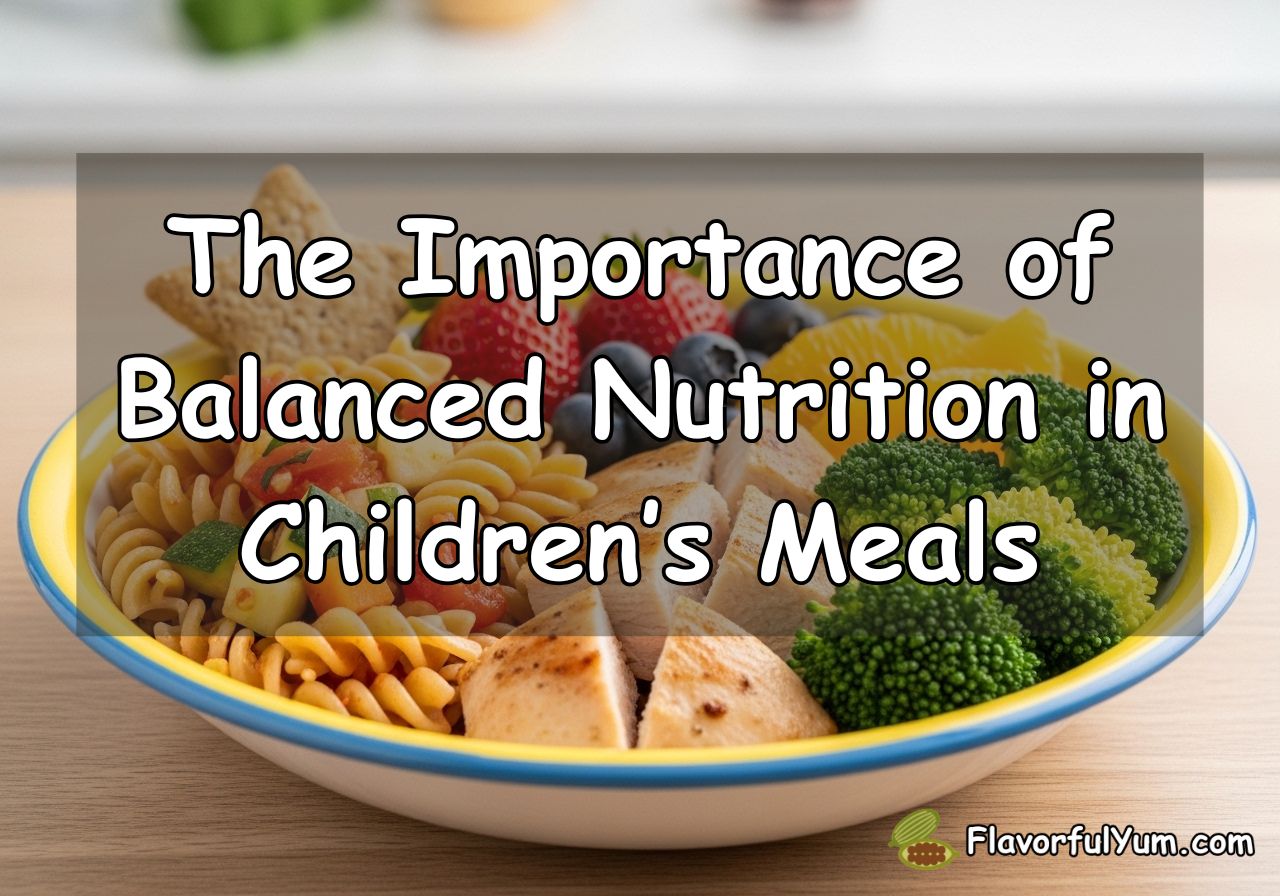
Healthy eating in childhood sets the foundation for growth, learning, and overall well-being. I’ve seen how nutrition directly affects energy, focus, and mood in children. When meals are balanced, kids are more likely to thrive physically, mentally, and emotionally.
Balanced nutrition means providing the right mix of protein, carbohydrates, fats, vitamins, and minerals in meals. Each nutrient plays a specific role in development. For instance, protein supports muscle growth, calcium strengthens bones, and iron helps prevent fatigue.
Parents often face challenges feeding children, especially picky eaters. However, understanding the importance of balanced nutrition and applying simple strategies can help children enjoy meals while getting the nutrients they need.
Understanding Balanced Nutrition
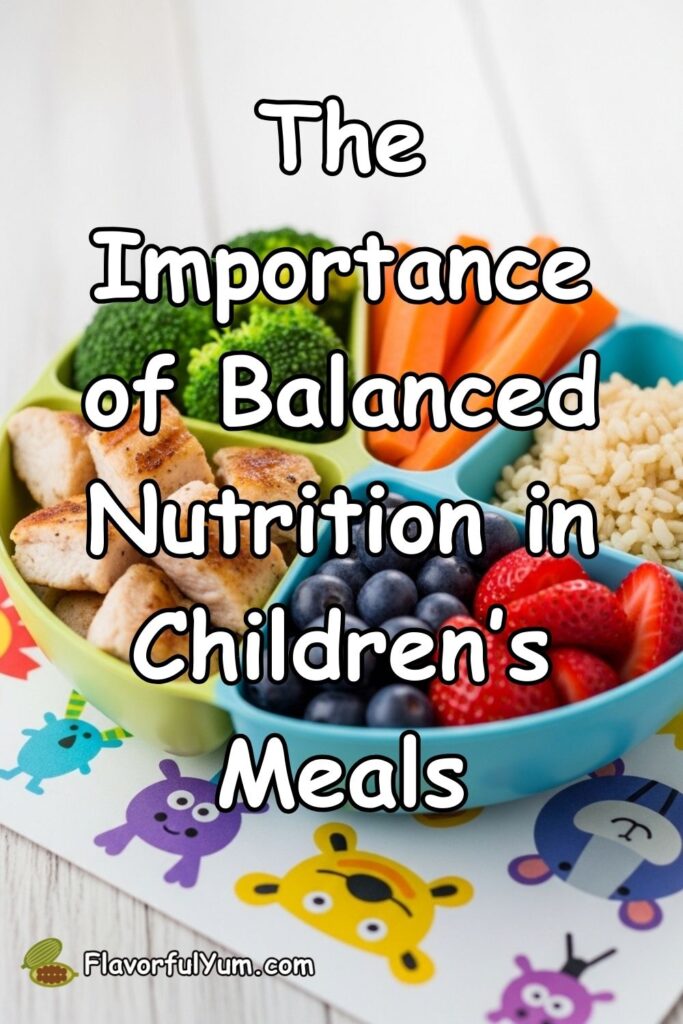
Balanced nutrition involves a mix of macronutrients and micronutrients:
- Proteins: Essential for growth, repair, and immune function. Found in eggs, poultry, dairy, beans, and nuts.
- Carbohydrates: Provide energy for active children. Choose whole grains, fruits, and vegetables rather than refined sugars.
- Fats: Healthy fats support brain development and hormone function. Sources include avocado, nuts, seeds, and olive oil.
- Vitamins and minerals: Essential for growth, immunity, and bone health. Found in fruits, vegetables, dairy, and fortified foods.
Balanced nutrition doesn’t mean perfection at every meal. I focus on ensuring variety and nutrient density throughout the day. A child may not eat every nutrient in one meal, but overall intake should meet daily requirements.
The Role of Protein in Children’s Meals
Protein is a building block for children’s growth. I always include a source of protein in breakfast, lunch, and dinner.
Common protein sources include:
- Eggs
- Lean meats
- Fish
- Dairy
- Beans and lentils
Protein supports muscle development, tissue repair, and immunity. Including protein also helps children feel full longer, reducing the likelihood of snacking on unhealthy options.
For picky eaters, I recommend hiding proteins in recipes like meatballs, muffins, or smoothies with Greek yogurt. This ensures they get essential nutrients without resistance.
Carbohydrates: The Energy Source
Carbohydrates fuel growing bodies and active minds. I prioritize whole grains, fruits, and vegetables over sugary snacks.
Examples of healthy carbohydrates:
- Brown rice, quinoa, oats
- Whole-grain bread or pasta
- Fresh fruits like apples, berries, or bananas
- Vegetables such as sweet potatoes and peas
Carbohydrates are important for school-aged children, who need energy for learning and play. I pair carbs with protein or healthy fats to maintain steady energy levels and avoid sugar crashes.
Healthy Fats for Brain Development
Fats often get a bad reputation, but healthy fats are crucial for brain development and hormone production. I include moderate amounts in children’s meals.
Good sources include:
- Avocado
- Nuts and seeds (if no allergy)
- Olive oil
- Fatty fish like salmon
Including fats helps children absorb fat-soluble vitamins A, D, E, and K. I find that adding avocado to sandwiches, olive oil to vegetables, or nuts to snacks balances meals while supporting growth.
Vitamins and Minerals for Growth
Micronutrients are essential for strong bones, immunity, and overall development. Calcium, iron, vitamin D, and vitamin C are especially important in childhood.
Sources:
- Calcium: Milk, cheese, yogurt
- Iron: Lean red meat, lentils, beans
- Vitamin D: Fortified dairy, sunlight exposure
- Vitamin C: Citrus fruits, strawberries, bell peppers
I aim to include a variety of colorful fruits and vegetables daily to provide multiple vitamins and minerals naturally. Children are more likely to eat foods that are fun and visually appealing, so I often create rainbow plates with different colors.
Strategies for Encouraging Balanced Nutrition
Getting children to eat a balanced diet can be challenging. I’ve found that combining strategy, creativity, and patience works best.
1. Offer Variety
I include a mix of foods at every meal. Rotating fruits, vegetables, and proteins ensures children receive multiple nutrients over the week.
2. Make Meals Fun
Presentation matters. Fun shapes, colorful plates, and interactive meals (like build-your-own wraps) increase interest in healthy foods.
3. Involve Children
I involve kids in meal prep. Chopping vegetables, mixing ingredients, or choosing between two options empowers them and makes them more willing to eat balanced meals.
4. Be Patient With New Foods
I learned that children may need to see a new food 10–15 times before accepting it. Persistence, without pressure, encourages long-term healthy habits.
5. Pair Favorites With New Foods
Combining familiar favorites with new or less popular items increases acceptance. For example, adding grated carrots to pasta sauce or spinach in smoothies.
Healthy Breakfast Ideas
Breakfast is the first opportunity to provide balanced nutrition. I aim for protein, whole grains, and fruit.
Some ideas include:
- Greek yogurt with berries and granola
- Scrambled eggs with spinach and whole-grain toast
- Oatmeal topped with banana and chia seeds
Balanced breakfasts improve focus at school and reduce mid-morning sugar cravings.
Balanced Lunch Options
Lunch should provide sustained energy for learning and activity. I focus on protein, whole grains, and vegetables.
Examples:
- Turkey and cheese wraps with cucumber slices
- Quinoa salad with beans, corn, and cherry tomatoes
- Whole-grain pasta with chicken and roasted vegetables
I also include healthy snacks like apple slices, carrot sticks, or nuts for energy between meals.
Healthy Dinner Ideas
Dinner provides essential nutrients for growth and recovery. I ensure it includes protein, vegetables, and complex carbohydrates.
Ideas include:
- Grilled salmon with brown rice and steamed broccoli
- Chicken stir-fry with colorful vegetables and quinoa
- Baked sweet potatoes stuffed with beans, cheese, and avocado
These meals are filling, nutrient-dense, and easy to adapt for picky eaters.
Snacks and Treats
Balanced nutrition doesn’t eliminate treats. I include healthy snacks to maintain energy and provide enjoyment.
Snack ideas:
- Fruit and nut butter
- Veggie sticks with hummus
- Whole-grain crackers with cheese
- Smoothies or frozen yogurt with berries
Healthy snacks prevent overeating at meals and maintain blood sugar levels throughout the day.
Hydration Matters
Water is essential for growth, digestion, and energy. I encourage children to drink water throughout the day.
I limit sugary drinks like soda and juice, which can reduce appetite for balanced meals. Flavoring water with fruit slices can make it more appealing without added sugar.
Real-Life Example
I once struggled to get my child to eat vegetables. I started adding small portions of vegetables to favorite meals like pasta, wraps, and smoothies.
Over time, the child began recognizing and enjoying these foods. This experience taught me that balanced nutrition can be achieved gradually and without pressure.
Final Thoughts
Balanced nutrition in children’s meals is essential for growth, development, energy, and overall health. Each meal should ideally provide a mix of protein, carbohydrates, healthy fats, vitamins, and minerals.
Key strategies include:
- Offering variety and colorful plates
- Using protein-rich foods to support growth
- Including whole grains for sustained energy
- Adding healthy fats for brain development
- Incorporating vitamins and minerals through fruits, vegetables, and dairy
- Making meals fun and involving children in preparation
Focusing on balanced meals, patience, and creativity ensures children develop healthy eating habits that last a lifetime. A little planning, flexibility, and consistent effort make a big difference in shaping a child’s relationship with food.

It’s Eliana Hazel. I’m a 33-year-old wife and mom of two from Tennessee who loves cooking fresh, simple meals for my family. I shop for veggies at Walmart, try new recipes, and add my own twist to make them special. When I’m not in the kitchen, I enjoy yoga, meditation, and catching up with my friends over green smoothies. Here, I share family-tested recipes, easy cooking tips, and a little inspiration to make your kitchen a happy place.
Related Posts



Previous Post
Next Post
Previous Post

Next Post


Hey, y’all! I’m Hazel!
I’m SO happy you’re here! I’m passionate about cooking fresh, homemade meals for my family and love sharing recipes that are simple, healthy, and full of flavor. Here on my blog, I believe in making food with love, experimenting with ingredients, and turning everyday meals into something special. In short, I believe that cooking at home brings families closer and makes life more joyful. >>> Learn more