
Now Reading: How to Stop Wasting Food With Smart Meal Planning?
-
01
How to Stop Wasting Food With Smart Meal Planning?

Food waste is one of the easiest problems to ignore and one of the easiest problems to fix. I used to throw away food every week without thinking about it. I bought too much, forgot what I already had, and cooked meals without a plan. At the end of the week, I found wilted vegetables, expired dairy, and leftovers I never touched.
Over time, I realized that food waste was not just about money. It was about time, effort, and habits. I worked hard to shop, cook, and store food, yet I let a big part of it go to waste. Once I started using smart meal planning, everything changed. I spent less, cooked better meals, and threw away far less food.
Smart meal planning does not mean strict rules or perfect schedules. It means simple planning, clear choices, and flexible thinking. When I plan meals in a smart way, I use what I already have, I buy only what I need, and I cook with purpose. This article explains how you can do the same.
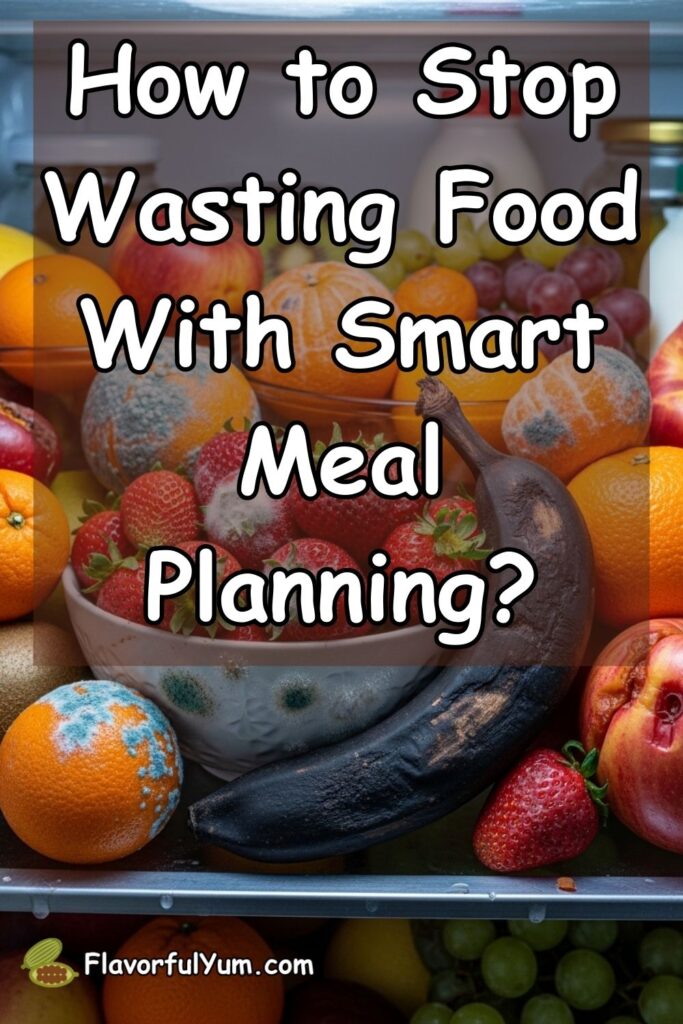
Why Food Waste Happens?
Food waste happens for a few common reasons. The first reason is overbuying. Many people shop without a list and buy more than they need. When the fridge feels full, food hides in the back and expires before use.
The second reason is poor planning. When there is no meal plan, people cook random meals or order takeout. The food they already bought stays unused.
The third reason is bad storage. Food spoils faster when people store it in the wrong way. Fresh produce often goes bad because people do not know how to store it.
The fourth reason is leftovers. People cook large portions and forget to eat the rest. Leftovers sit in containers until they smell bad and go in the trash.
What does Smart Meal Planning mean?
Smart meal planning means you plan meals based on what you already have. You do not start at the store. You start at your fridge and pantry.
I always check what food I already own before I plan meals. I look at vegetables, meat, grains, and dairy. I write down what needs to be used soon.
Then I build meals around those items. This habit alone cuts food waste in half.
Smart planning also means flexible meals. Instead of fixed recipes, I choose simple meals that allow swaps. If I planned chicken but only have beans, I adjust the meal.
Step One: Take Food Inventory
The first step is food inventory. This means you list what food you already have.
I open my fridge, freezer, and pantry. I write down:
- Fresh vegetables
- Fruits
- Meat or fish
- Dairy
- Grains and pasta
- Canned food
This list becomes my starting point. I plan meals around these items first.
This step stops double buying. It also reminds me what needs to be used soon.
Step Two: Plan Meals Around Expiry Dates
Not all food has the same urgency. Some food lasts weeks. Some food lasts days.
I always use this order:
- Fresh produce
- Cooked leftovers
- Dairy
- Meat and fish
- Pantry food
This order helps me avoid spoilage. I cook meals that use fresh items first. I save dry food for later in the week.
This habit reduces waste without effort.
Step Three: Create a Simple Weekly Meal Plan
A weekly plan does not need to feel strict. I only plan main meals, not snacks or treats.
My plan includes:
- 5 to 7 dinners
- 3 to 5 lunches
- Flexible breakfasts
I choose meals with shared ingredients. For example, if I buy carrots, I use them in soup, stir fry, and wraps.
This reduces leftover ingredients that never get used.
Step Four: Write a Smart Grocery List
I never shop without a list now. My list comes from my meal plan.
I divide my list into sections:
- Produce
- Protein
- Dairy
- Pantry
I only buy what supports my planned meals. This stops impulse buying.
Impulse buying creates food waste because unplanned food rarely fits into meals.
Step Five: Use the First In, First Out Rule
This rule means you use older food before newer food.
When I bring groceries home, I move older items to the front. I place new items behind them.
This simple habit works well for:
- Yogurt
- Milk
- Sauces
- Leftovers
This habit alone prevents silent spoilage.
Step Six: Store Food the Right Way
Storage plays a big role in food waste.
I store vegetables based on their needs:
- Leafy greens go in containers with paper towels
- Carrots and celery go in water
- Herbs go in jars like flowers
- Apples stay separate from bananas
I also label leftovers with dates. This helps me track what needs to be eaten first.
Good storage extends food life by days or weeks.
Step Seven: Plan Leftovers on Purpose
Leftovers cause waste when people treat them as accidents.
I treat leftovers as planned meals. When I cook dinner, I already know what the leftovers will become.
Examples:
- Roasted chicken becomes wraps
- Rice becomes fried rice
- Vegetables become soup
- Pasta becomes salad
This method turns leftovers into future meals instead of fridge clutter.
Step Eight: Cook Flexible Recipes
Flexible recipes allow changes. They do not require exact ingredients.
I use meals like:
- Stir fry
- Soup
- Pasta
- Rice bowls
- Omelets
- Tacos
These meals accept almost any ingredient. They work well with leftovers and random food.
Flexible meals reduce pressure and waste.
Step Nine: Use Your Freezer
The freezer is a food waste hero.
I freeze:
- Bread
- Cooked rice
- Soup
- Meat
- Overripe fruit
- Leftover vegetables
Freezing stops spoilage and buys time.
I also label freezer items with dates. This prevents forgotten food.
Step Ten: Learn Portion Control
Many people waste food because they cook too much.
I reduced my portions by cooking for real needs, not ideal hunger.
I also serve smaller plates and allow second servings.
This approach reduces leftovers that never get eaten.
Step Eleven: Use a “Use It Up” Day
Once a week, I schedule a “use it up” day.
This day focuses on:
- Leftovers
- Small portions
- Open containers
- Half vegetables
I mix food into one meal or several small meals.
This habit clears the fridge and resets the week.
Step Twelve: Track Your Waste
For one week, I tracked what I threw away.
I noticed patterns:
- I wasted salad
- I wasted herbs
- I wasted cooked rice
Then I adjusted my habits. I bought less salad. I froze herbs. I cooked less rice.
Awareness creates change.
How Smart Meal Planning Saves Money?
Smart planning reduces grocery bills.
When I stopped wasting food, I noticed:
- Fewer shopping trips
- Less impulse buying
- More home cooking
- Less takeout
Food waste is hidden spending. When food goes in the trash, money goes with it.
How Smart Meal Planning Saves Time?
Planning also saves time.
I spend less time:
- Deciding what to cook
- Running to the store
- Cleaning spoiled food
- Ordering delivery
I spend more time eating calm meals.
How Smart Meal Planning Reduces Stress?
Stress comes from chaos.
When I plan meals, I feel calm. I know what to cook. I know what food I have. I know what needs to be used.
This mental clarity improves daily life.
Real Example From My Routine
I used to buy spinach every week. Half of it went bad.
Now I plan meals that use spinach for three days. I add it to eggs, wraps, and soup.
If I still have extra, I freeze it for smoothies.
Now I waste almost none.
Simple Weekly Smart Meal Plan Example
Here is a basic plan:
Monday: Chicken stir fry with vegetables
Tuesday: Leftover stir fry in wraps
Wednesday: Rice and beans with salad
Thursday: Vegetable soup
Friday: Pasta with leftover vegetables
Saturday: Use it up meal
Sunday: Freezer food
This plan uses shared ingredients and prevents spoilage.
Common Mistakes That Cause Food Waste
Some habits increase waste:
- Shopping while hungry
- Buying in bulk without a plan
- Cooking large portions
- Ignoring leftovers
- Forgetting the freezer
These habits create silent waste.
Final Thoughts
Smart meal planning is not about strict control. It is about awareness, simple systems, and flexible thinking. When I plan meals with purpose, I waste less food without stress.
The key habits are:
- Check what you already have
- Plan meals around expiry
- Use flexible recipes
- Store food correctly
- Freeze extra food
- Treat leftovers as future meals
Food waste is not a food problem. It is a planning problem. Once planning improves, waste drops naturally.
Smart meal planning saves money, saves time, reduces stress, and respects food. With a few small habits, anyone can cut food waste and build a smarter kitchen routine.

It’s Eliana Hazel. I’m a 33-year-old wife and mom of two from Tennessee who loves cooking fresh, simple meals for my family. I shop for veggies at Walmart, try new recipes, and add my own twist to make them special. When I’m not in the kitchen, I enjoy yoga, meditation, and catching up with my friends over green smoothies. Here, I share family-tested recipes, easy cooking tips, and a little inspiration to make your kitchen a happy place.
Related Posts


Previous Post
Next Post

Hey, y’all! I’m Hazel!
I’m SO happy you’re here! I’m passionate about cooking fresh, homemade meals for my family and love sharing recipes that are simple, healthy, and full of flavor. Here on my blog, I believe in making food with love, experimenting with ingredients, and turning everyday meals into something special. In short, I believe that cooking at home brings families closer and makes life more joyful. >>> Learn more