
Now Reading: How to Eat Seasonally in Winter?
-
01
How to Eat Seasonally in Winter?
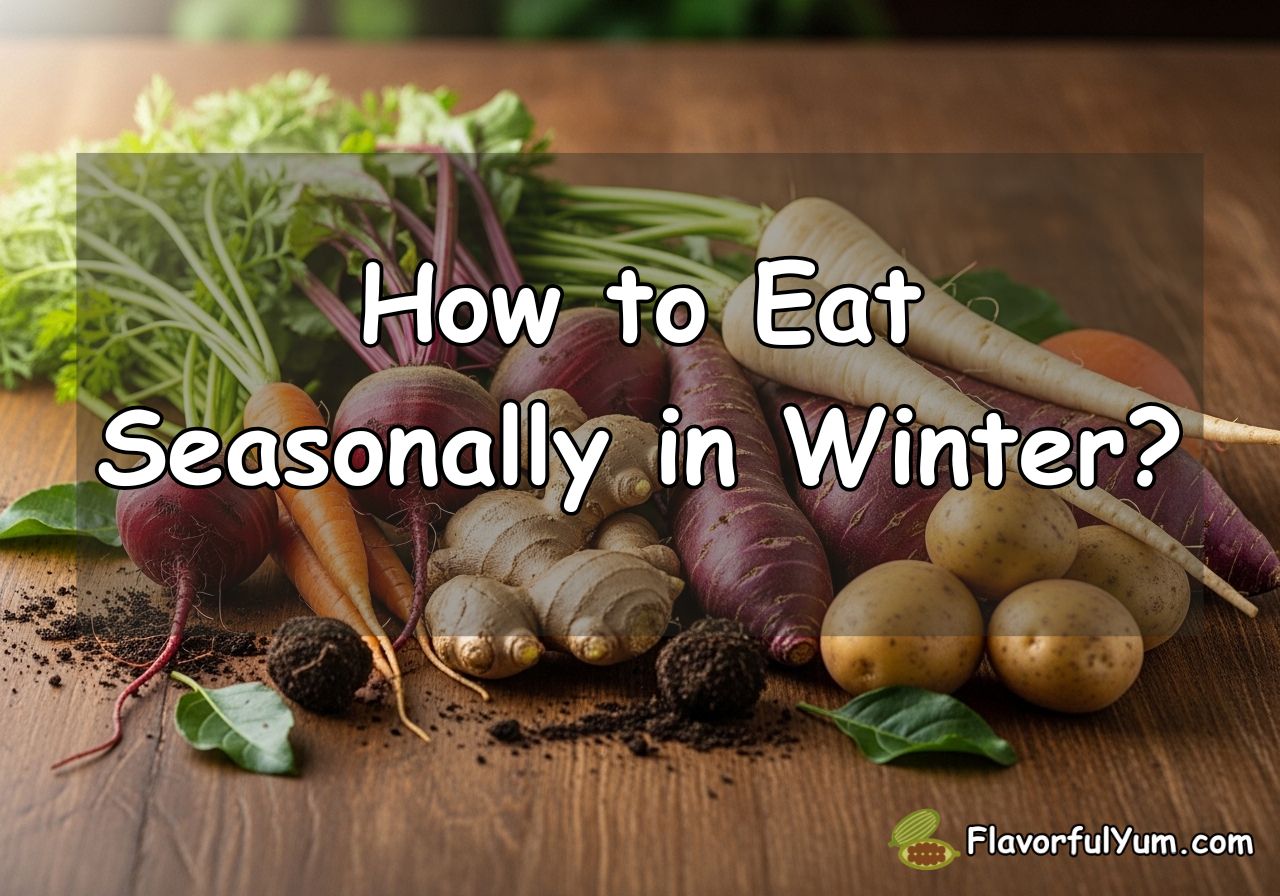
Eating seasonally in winter can feel confusing at first. I used to think seasonal eating only worked in summer, when fruits and vegetables appear fresh and colorful. In winter, stores still show many options, but not all of them grow naturally in cold months. Over time, I learned that winter has its own group of seasonal foods that work well for health, budget, and simple cooking.
Seasonal winter eating means choosing foods that grow or store well in cold conditions. These foods support the body during colder weather. They also cost less and stay fresh longer. When I started eating this way, I noticed better energy, better digestion, and fewer grocery bills.
This guide explains how to eat seasonally in winter using simple habits, clear food choices, and easy meal ideas.

What does seasonal eating mean in Winter?
Seasonal eating means choosing foods that grow naturally during a specific time of year. In winter, this includes foods that survive cold weather or store well after harvest.
Winter seasonal foods usually include:
- Root vegetables
- Leafy greens that tolerate cold
- Citrus fruits
- Stored fruits like apples
- Grains and legumes
- Preserved foods
These foods match winter needs. They provide warmth, energy, and strong nutrition.
Seasonal eating does not mean restriction. It means smart selection based on climate and availability.
Why Eating Seasonally in Winter Matters?
Winter places different demands on the body. Cold weather increases the need for warm meals and steady energy. Seasonal foods support this need.
Benefits I noticed include:
- Better immune support
- Better digestion
- Lower food costs
- Longer food freshness
- Less food waste
Seasonal food also feels more natural. Meals feel comforting and satisfying instead of light and cold.
Main Winter Seasonal Foods
Root Vegetables
Root vegetables grow under the soil and store well. They provide slow energy and fiber.
Common winter roots:
- Potatoes
- Carrots
- Beets
- Turnips
- Sweet potatoes
- Parsnips
These vegetables work well in soups, roasting, and stews.
Winter Greens
Some greens survive cold weather.
These include:
- Kale
- Cabbage
- Spinach
- Collard greens
These greens contain iron, vitamin C, and fiber. They support immunity and digestion.
Citrus Fruits
Citrus fruits peak in winter.
These include:
- Oranges
- Lemons
- Grapefruits
- Mandarins
These fruits provide vitamin C and freshness during cold months.
Stored Fruits
Some fruits store well after harvest.
These include:
- Apples
- Pears
These fruits stay fresh for months in cold storage.
Grains and Legumes
These foods store easily and support energy.
These include:
- Rice
- Oats
- Lentils
- Beans
- Barley
These items form the base of many winter meals.
How to Build Winter Meals?
Winter meals work best when they feel warm and filling.
I build meals using three parts:
- One grain or starch
- One protein
- One or two vegetables
Example:
Rice + lentils + roasted carrots
This system keeps meals balanced and simple.
Best Cooking Methods for Winter
Winter foods work well with slow and warm cooking.
The best methods include:
- Roasting
- Stewing
- Boiling
- Baking
- Simmering
These methods bring out natural sweetness and create comfort.
Cold meals feel less appealing in winter. Warm food supports digestion and mood.
Simple Winter Breakfast Ideas
Oatmeal With Apples
Oats + apple + cinnamon + water.
This breakfast feels warm and gentle.
Egg and Spinach Toast
Eggs + spinach + bread.
This breakfast provides protein and iron.
Yogurt With Citrus
Yogurt + orange slices.
This adds vitamin C and freshness.
Winter breakfasts should feel grounding, not rushed.
Simple Winter Lunch Ideas
Lentil Soup
Lentils + carrots + onion + water + salt.
This meal feels filling and cheap.
Rice and Beans
Rice + beans + oil + salt.
This meal supports energy and digestion.
Cabbage Stir Fry
Cabbage + garlic + oil + soy sauce.
This cooks fast and tastes strong.
Lunch should provide warmth and slow energy.
Simple Winter Dinner Ideas
Roasted Root Vegetables
Potatoes + carrots + beets + oil + salt.
Roast until soft and golden.
Vegetable Stew
Carrots + potatoes + lentils + broth.
Simmer until tender.
Baked Sweet Potatoes
Sweet potatoes + salt + oil.
Bake and serve with beans or yogurt.
Dinner should feel calm and satisfying.
How to Shop Seasonally in Winter?
Shopping seasonally starts with awareness.
I focus on:
- Local produce sections
- Bulk grains
- Frozen vegetables
- Canned legumes
I avoid buying many fresh summer fruits in winter. These cost more and taste weaker.
Seasonal shopping feels easier and cheaper.
How Frozen Food Helps Seasonal Eating?
Frozen food supports winter eating.
Frozen vegetables freeze at peak freshness.
I use:
- Frozen spinach
- Frozen broccoli
- Frozen berries
These items work well in soups, stir fry, and smoothies.
Frozen food reduces waste and supports nutrition.
How to Store Winter Produce?
Storage keeps food fresh longer.
I store:
- Potatoes in dark places
- Carrots in containers
- Cabbage in fridge
- Apples in cool space
Good storage extends food life by weeks.
How to Eat Warm Without Heavy Food?
Winter food does not need to feel heavy.
I focus on:
- Soups
- Stews
- Broths
- Roasted vegetables
- Warm grains
These meals feel comforting without excess fat.
How Seasonal Eating Saves Money?
Seasonal food costs less because supply stays high.
I noticed:
- Lower produce bills
- Fewer impulse buys
- Less food waste
Seasonal food also lasts longer, which reduces waste.
How Seasonal Eating Supports Health?
Winter seasonal foods support:
- Immune function
- Gut health
- Stable energy
- Warm digestion
Root vegetables support slow energy. Citrus supports immunity. Greens support minerals.
This combination matches winter needs.
Real Example From My Routine
In winter, I eat soup three times a week.
I use carrots, potatoes, lentils, and cabbage.
These foods cost little and feed me for days.
I stay full, warm, and healthy.
Common Mistakes With Winter Eating
Some habits reduce seasonal benefits:
- Eating only processed food
- Skipping vegetables
- Drinking cold drinks often
- Buying summer produce
These habits weaken digestion and increase costs.
Sample 5-Day Winter Meal Plan
Day 1: Oatmeal and apple
Day 2: Lentil soup
Day 3: Roasted root vegetables
Day 4: Rice and beans
Day 5: Vegetable stew
This plan uses simple seasonal food.
How to Stay Consistent?
Consistency builds habit.
I repeat meals. I rotate vegetables. I shop once a week.
Seasonal eating becomes normal with time.
Final Thoughts
Eating seasonally in winter creates balance. It supports health, budget, and comfort. It replaces cold food with warm meals and replaces stress with simple habits.
The key steps are:
- Choose root vegetables and greens
- Eat citrus and stored fruits
- Use grains and legumes
- Cook with warm methods
- Shop with awareness
- Store food properly
Seasonal winter eating does not require effort. It requires simple choices and basic planning. When food matches the season, the body feels stronger, warmer, and more supported.
Seasonal eating in winter is not about limits. It is about alignment with nature, health, and daily life.

It’s Eliana Hazel. I’m a 33-year-old wife and mom of two from Tennessee who loves cooking fresh, simple meals for my family. I shop for veggies at Walmart, try new recipes, and add my own twist to make them special. When I’m not in the kitchen, I enjoy yoga, meditation, and catching up with my friends over green smoothies. Here, I share family-tested recipes, easy cooking tips, and a little inspiration to make your kitchen a happy place.
Related Posts

Previous Post
Next Post
Previous Post

Next Post


Hey, y’all! I’m Hazel!
I’m SO happy you’re here! I’m passionate about cooking fresh, homemade meals for my family and love sharing recipes that are simple, healthy, and full of flavor. Here on my blog, I believe in making food with love, experimenting with ingredients, and turning everyday meals into something special. In short, I believe that cooking at home brings families closer and makes life more joyful. >>> Learn more