
Now Reading: The Science Behind a Vegan Diet and Heart Health
-
01
The Science Behind a Vegan Diet and Heart Health
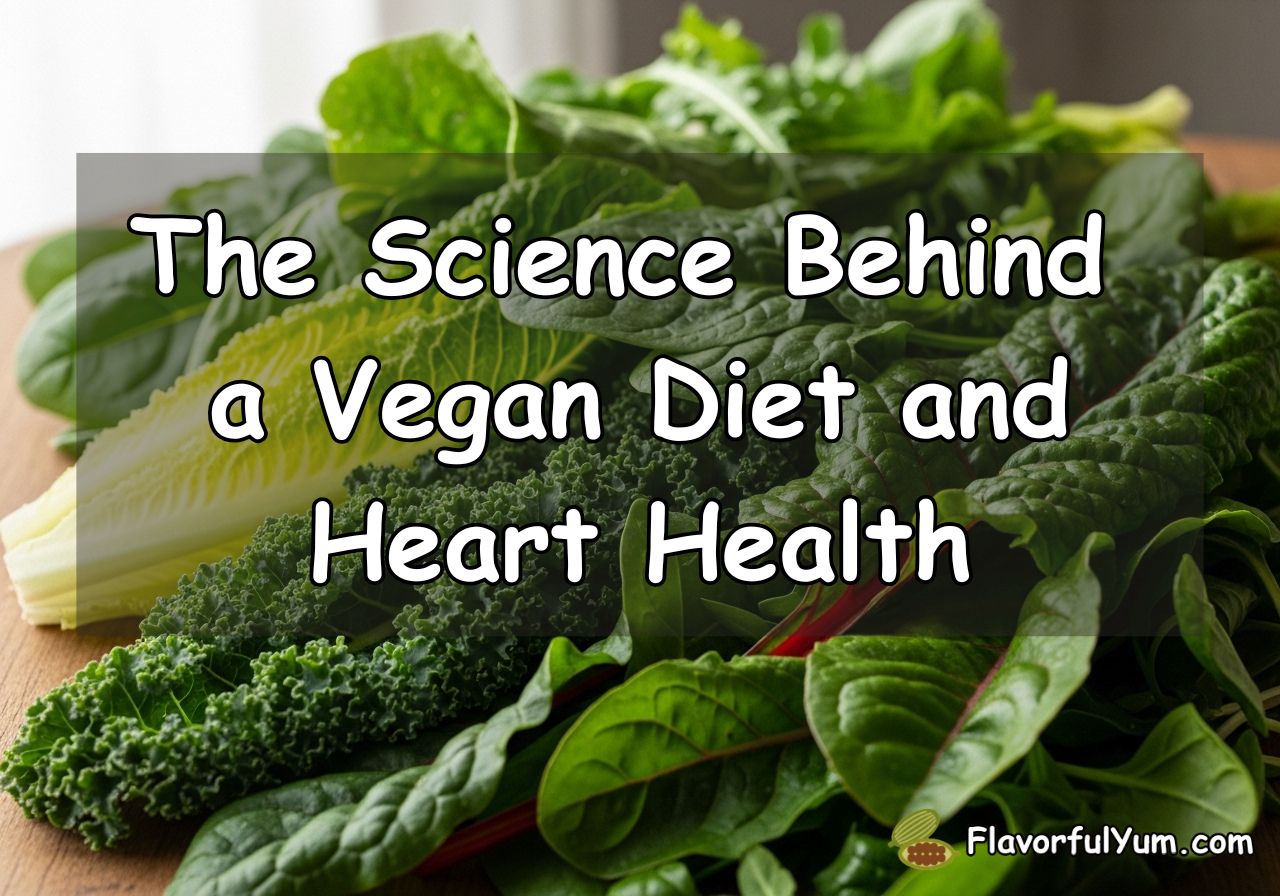
I have always been curious about the connection between diet and heart health. Recently, I explored how a vegan diet impacts the heart. A vegan diet eliminates all animal products, focusing on fruits, vegetables, grains, nuts, and legumes. Research shows that this way of eating can support heart health in many ways.
In this article, I explain the science behind a vegan diet and its effect on the heart. I also share practical tips for a heart-healthy vegan lifestyle. The information is straightforward, actionable, and easy to follow.

What Is a Vegan Diet?
A vegan diet excludes all animal-derived foods, including meat, dairy, eggs, and sometimes honey. It focuses on plant-based foods:
- Fruits and vegetables
- Whole grains
- Legumes (beans, lentils, chickpeas)
- Nuts and seeds
- Plant-based oils
A vegan diet can be balanced and nutrient-rich when planned carefully. It is naturally high in fiber, antioxidants, and unsaturated fats.
How Heart Disease Develops?
Understanding heart disease helps explain how diet matters. Heart disease occurs when arteries become narrowed or blocked. This is often due to plaque buildup from cholesterol and fat.
Key risk factors include:
- High LDL (“bad”) cholesterol
- High blood pressure
- Obesity
- Inflammation
- Poor diet high in saturated fats and processed foods
A heart-healthy diet reduces these risk factors and protects arteries.
Vegan Diet and Cholesterol
One of the main benefits of a vegan diet is lowering cholesterol levels. I noticed a significant difference when I switched to plant-based meals.
How It Works:
- Plants contain no dietary cholesterol.
- Fiber in beans, oats, and vegetables binds cholesterol in the gut.
- This prevents absorption and lowers blood cholesterol.
Studies show vegans often have lower LDL cholesterol compared to meat-eaters. Lower LDL reduces plaque buildup and the risk of heart attacks.
Vegan Diet and Blood Pressure
High blood pressure strains the heart. Plant-based diets naturally help reduce blood pressure.
How It Works:
- Fruits and vegetables are rich in potassium.
- Potassium helps relax blood vessels and balance sodium levels.
- A high-fiber, low-saturated-fat diet improves vascular health.
Research shows vegans generally have lower blood pressure than omnivores. This reduces heart attack and stroke risk.
Weight Management
Obesity is a major risk factor for heart disease. A vegan diet can help maintain a healthy weight.
- Plant foods are lower in calories but high in volume.
- Fiber increases satiety and reduces overeating.
- Healthy fats from nuts and seeds provide energy without excess saturated fat.
Maintaining a healthy weight reduces strain on the heart and improves overall cardiovascular function.
Anti-Inflammatory Effects
Chronic inflammation contributes to heart disease. A vegan diet is naturally anti-inflammatory:
- Rich in antioxidants from fruits and vegetables
- Contains omega-3 fatty acids from flaxseeds, chia seeds, and walnuts
- Reduces intake of pro-inflammatory saturated fats from animal products
This reduces artery inflammation and protects against plaque formation.
Gut Health and Heart Health
A vegan diet supports a healthy gut microbiome, which impacts the heart:
- Fiber feeds beneficial gut bacteria
- Gut bacteria produce short-chain fatty acids that reduce inflammation
- Balanced gut flora improves cholesterol and blood pressure
Strong gut health is linked to lower heart disease risk.
Key Nutrients for Heart Health
Even on a vegan diet, certain nutrients are crucial for heart health:
1. Fiber
- Sources: Lentils, beans, oats, vegetables
- Lowers cholesterol and supports weight management
2. Omega-3 Fatty Acids
- Sources: Flaxseeds, chia seeds, walnuts
- Reduce inflammation and support heart function
3. Potassium
- Sources: Bananas, spinach, sweet potatoes
- Lowers blood pressure
4. Magnesium
- Sources: Nuts, seeds, whole grains
- Supports muscle function and heart rhythm
5. Antioxidants
- Sources: Berries, leafy greens, tomatoes
- Protect arteries from damage
Ensuring a variety of these foods strengthens heart health on a vegan diet.
Foods That Support Heart Health on a Vegan Diet
I focus on nutrient-dense, heart-friendly foods:
- Leafy Greens: Spinach, kale, and Swiss chard for potassium and fiber
- Whole Grains: Oats, quinoa, barley for soluble fiber
- Legumes: Lentils, chickpeas, and black beans for protein and fiber
- Nuts and Seeds: Almonds, walnuts, chia, and flax for healthy fats
- Fruits: Berries, apples, citrus for antioxidants
- Plant Oils: Olive oil, avocado oil for monounsaturated fats
Avoid processed vegan foods that are high in salt, sugar, or refined carbs. These can counteract heart benefits.
Portion Control and Meal Planning
A vegan diet can support heart health when portions are balanced:
- Fill half your plate with vegetables
- Include protein from beans, lentils, or tofu
- Add healthy fats in small amounts
- Limit refined grains and sugary snacks
I found meal planning helps me avoid nutrient gaps and overconsumption of processed foods.
Evidence from Studies
Multiple studies support the heart benefits of a vegan diet:
- Lower Cholesterol: Vegans show lower total and LDL cholesterol.
- Reduced Blood Pressure: Plant-based eaters often have lower systolic and diastolic readings.
- Lower Heart Disease Risk: Long-term studies show lower rates of coronary heart disease among vegans.
Scientific evidence confirms that a well-planned vegan diet can protect the heart.
Supplements to Consider
While a vegan diet supports heart health, some nutrients may need supplementation:
- Vitamin B12: Essential for blood and nerve health
- Vitamin D: Supports vascular health
- Omega-3 (EPA & DHA): Can be taken from algae oil if needed
These supplements ensure the diet remains heart-healthy and balanced.
Lifestyle Factors
A vegan diet is powerful, but overall lifestyle matters:
- Exercise: Regular aerobic activity strengthens the heart
- Sleep: 7–8 hours supports cardiovascular health
- Stress management: Reduces blood pressure and inflammation
- Avoid smoking: Smoking negates dietary benefits
Combining a vegan diet with healthy habits maximizes heart protection.
Common Misconceptions
Some people worry a vegan diet lacks protein or energy. I learned that:
- Protein can be obtained from beans, lentils, tofu, tempeh, and nuts
- Energy comes from complex carbs and healthy fats
- A diverse diet prevents nutrient deficiencies
With planning, a vegan diet can be complete and heart-friendly.
Tips for Transitioning to a Heart-Healthy Vegan Diet
- Start gradually: Replace a few meals per week with plant-based options.
- Focus on whole foods, not processed vegan products.
- Include a variety of fruits, vegetables, grains, nuts, and seeds.
- Monitor blood pressure and cholesterol regularly.
- Plan meals to ensure adequate protein, omega-3s, and essential vitamins.
Gradual transition improves adherence and allows your body to adjust.
My Personal Experience
Switching to a vegan diet helped me feel lighter, more energetic, and focused. I noticed:
- Lower cravings for high-fat, processed foods
- More stable energy levels throughout the day
- Reduced bloating and better digestion
- Improvements in my blood pressure and cholesterol after a few months
A heart-healthy vegan diet is sustainable when I prioritize nutrient-rich foods.
Conclusion
The science is clear: a well-planned vegan diet supports heart health. It lowers cholesterol, reduces blood pressure, promotes healthy weight, and fights inflammation. Fiber, antioxidants, healthy fats, and key minerals play a central role.
Combining a vegan diet with exercise, sleep, stress management, and supplementation ensures optimal results. By eating a variety of whole, plant-based foods, I can protect my heart while enjoying flavorful meals.
A vegan lifestyle is more than a diet—it is a long-term approach to heart health and overall wellness.

It’s Eliana Hazel. I’m a 33-year-old wife and mom of two from Tennessee who loves cooking fresh, simple meals for my family. I shop for veggies at Walmart, try new recipes, and add my own twist to make them special. When I’m not in the kitchen, I enjoy yoga, meditation, and catching up with my friends over green smoothies. Here, I share family-tested recipes, easy cooking tips, and a little inspiration to make your kitchen a happy place.
Related Posts

Previous Post
Next Post


Hey, y’all! I’m Hazel!
I’m SO happy you’re here! I’m passionate about cooking fresh, homemade meals for my family and love sharing recipes that are simple, healthy, and full of flavor. Here on my blog, I believe in making food with love, experimenting with ingredients, and turning everyday meals into something special. In short, I believe that cooking at home brings families closer and makes life more joyful. >>> Learn more