
Now Reading: What is a Gluten-Free Diet? Everything You Need to Know
-
01
What is a Gluten-Free Diet? Everything You Need to Know
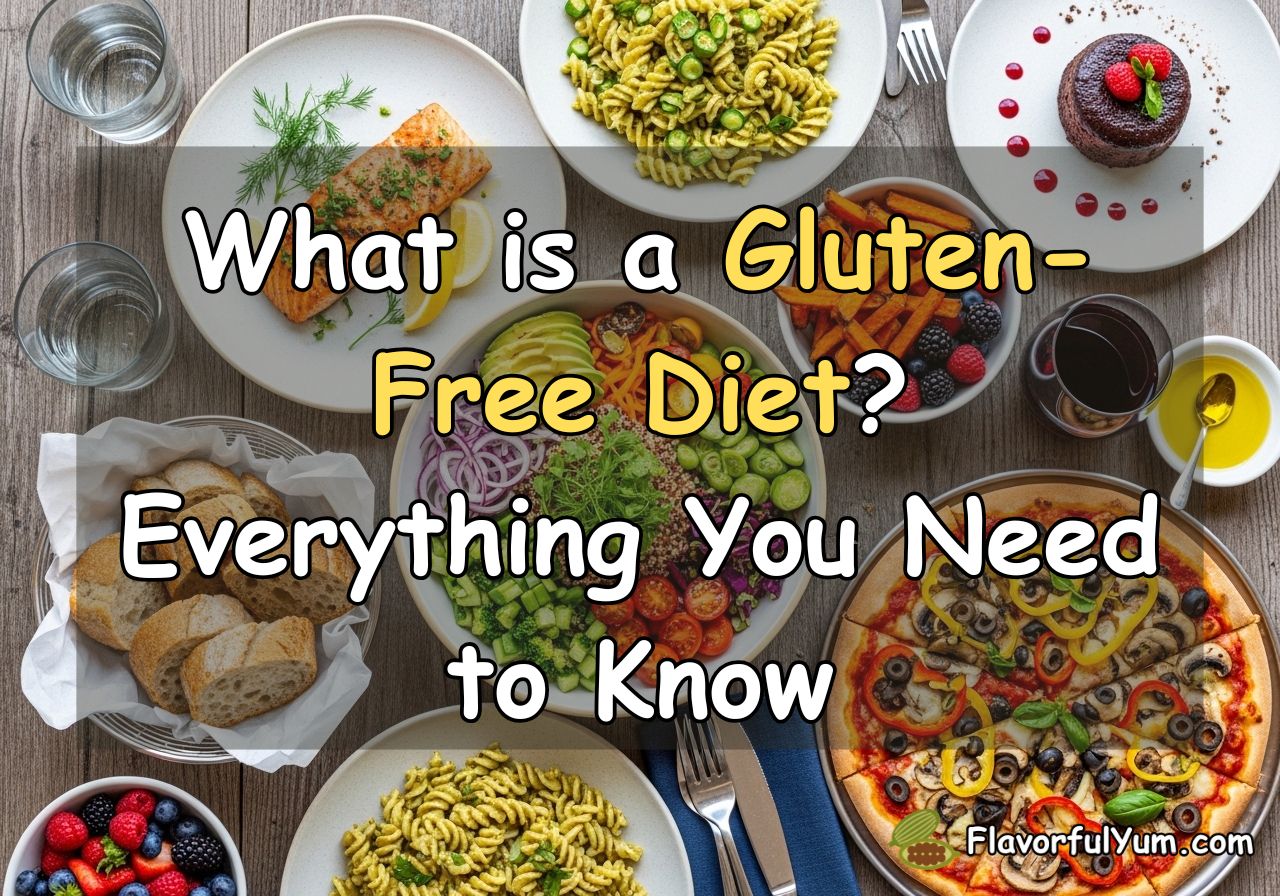
I first learned about gluten when a friend mentioned digestive issues related to wheat. A gluten-free diet eliminates gluten, a protein found in wheat, barley, rye, and some processed foods. People adopt this diet for medical reasons or as a personal health choice. Understanding what gluten is, its effects, and how to follow a gluten-free diet is essential for anyone considering it.
In this article, I explain everything you need to know about a gluten-free diet. I focus on science-backed information, practical advice, and clear steps for safe and effective gluten-free living.

What is Gluten?
Gluten is a protein that gives dough its elasticity and chewy texture. It is found primarily in:
- Wheat (including spelt, durum, and farro)
- Barley (used in malt, beer, and soups)
- Rye (used in rye bread and cereals)
Gluten helps baked goods rise and maintain shape. It is also added to processed foods as a stabilizer or thickener.
Why People Avoid Gluten?
Some people need to avoid gluten due to medical conditions:
1. Celiac Disease
Celiac disease is an autoimmune disorder. Eating gluten triggers an immune response that damages the small intestine. Symptoms include:
- Digestive issues (bloating, diarrhea, constipation)
- Fatigue
- Nutrient deficiencies
- Skin rashes
A strict gluten-free diet is the only treatment for celiac disease. Even small amounts of gluten can cause damage.
2. Non-Celiac Gluten Sensitivity
Some people experience symptoms similar to celiac disease without intestinal damage. Symptoms can include:
- Headaches
- Fatigue
- Joint pain
- Digestive discomfort
A gluten-free diet helps reduce these symptoms, but medical diagnosis is important to rule out other causes.
3. Wheat Allergy
A wheat allergy is an immune reaction to proteins in wheat, including gluten. Symptoms may include:
- Skin reactions
- Respiratory issues
- Digestive upset
A gluten-free diet, along with avoiding wheat, is necessary for allergic individuals.
Foods to Avoid on a Gluten-Free Diet
I learned that gluten hides in many foods, even some unexpected ones. Foods to avoid include:
- Bread, pasta, cereals made from wheat, barley, or rye
- Baked goods like cakes, cookies, and pastries
- Beer, malt beverages, and some flavored drinks
- Soy sauce (traditional versions)
- Processed foods with gluten additives
Reading labels carefully is essential. “Gluten-free” certification can help ensure safety.
Naturally Gluten-Free Foods
A gluten-free diet is easier when I focus on whole foods:
- Fruits and vegetables: Fresh, frozen, or canned without added sauces
- Meats and seafood: Fresh and unprocessed
- Legumes: Beans, lentils, and chickpeas
- Nuts and seeds: Raw or roasted without coatings
- Dairy: Milk, cheese, and yogurt (check additives)
- Grains: Rice, quinoa, buckwheat, millet, amaranth
These foods provide nutrients and energy without gluten.
Gluten-Free Alternatives
Gluten-free alternatives allow me to enjoy favorites safely:
- Bread, pasta, and tortillas made from rice, corn, or almond flour
- Gluten-free crackers and cereals
- Gluten-free baking mixes for cakes, muffins, and cookies
- Gluten-free sauces, soups, and condiments
I always check labels to ensure they are certified gluten-free.
Health Benefits of a Gluten-Free Diet
For people with celiac disease or gluten sensitivity, the benefits are clear:
- Reduced digestive symptoms like bloating and diarrhea
- Improved energy levels
- Reduced inflammation in the gut
- Better nutrient absorption
Even for those without medical conditions, a gluten-free diet can encourage more whole-food consumption. However, avoiding gluten without reason does not automatically improve health.
Potential Challenges
A gluten-free diet requires careful planning:
Nutrient Gaps
- Gluten-free products may lack fiber, iron, or B vitamins.
- I include whole grains like quinoa, buckwheat, and brown rice to fill gaps.
Hidden Gluten
- Gluten can hide in sauces, seasonings, and processed foods.
- I read labels and look for certified gluten-free products.
Social Situations
- Eating out requires asking about gluten-free options.
- Travel may require carrying snacks or checking menus in advance.
Tips for Starting a Gluten-Free Diet
I followed these steps when starting my gluten-free journey:
- Learn which foods contain gluten – Understand wheat, barley, rye, and hidden sources.
- Focus on naturally gluten-free foods – Fruits, vegetables, meats, legumes, and gluten-free grains.
- Read labels carefully – Look for “gluten-free” certification or allergen warnings.
- Experiment with alternatives – Try gluten-free bread, pasta, and baking flours.
- Plan meals – Make a weekly plan to ensure variety and nutrition.
- Stay informed – Learn recipes and tips from reliable sources.
Meal Planning for a Gluten-Free Diet
I keep meals balanced, nutritious, and gluten-free:
- Breakfast: Smoothies, gluten-free oatmeal, or eggs with vegetables
- Lunch: Salad with beans, quinoa, and vegetables; gluten-free wraps
- Snack: Nuts, fruit, rice cakes, or gluten-free granola
- Dinner: Grilled meat or tofu with vegetables and gluten-free grains
- Dessert: Gluten-free muffins, chia pudding, or fruit salad
Variety ensures nutrient intake and prevents boredom.
Gluten-Free Baking Tips
Baking gluten-free requires adjustments:
- Use a blend of gluten-free flours – Rice, almond, or coconut flour
- Add binders – Eggs, flax, or chia seeds help structure
- Check leavening agents – Ensure baking powder is gluten-free
- Experiment slowly – Different flours behave differently
I enjoy experimenting with gluten-free recipes to recreate favorites safely.
Dining Out on a Gluten-Free Diet
Eating out requires attention:
- Ask about cross-contamination with gluten
- Choose dishes with naturally gluten-free ingredients
- Avoid fried foods cooked in shared oil with breaded items
- Request gluten-free sauces or dressings
Planning helps me enjoy meals without worrying about gluten exposure.
Monitoring Health
A gluten-free diet can impact health positively when followed carefully:
- I track symptoms and digestive comfort
- I monitor energy levels and nutrient intake
- I may consult a dietitian for balance and supplementation if needed
This ensures long-term success on a gluten-free diet.
Common Misconceptions
Some people think gluten is harmful for everyone. I learned that:
- Gluten is safe for most people without celiac disease or sensitivity
- Avoiding gluten unnecessarily may lead to nutrient deficiencies if not planned
- A gluten-free diet is not automatically healthier unless it emphasizes whole foods
Education and planning are essential for effectiveness.
Supplements to Consider
A gluten-free diet may require certain supplements:
- B vitamins: Often found in fortified wheat products
- Iron: Ensure intake from beans, lentils, or supplements
- Fiber: Whole grains, seeds, or fiber supplements help maintain digestive health
- Vitamin D and Calcium: Support bone health
Supplements fill nutritional gaps safely.
My Personal Experience
Transitioning to a gluten-free diet helped me:
- Reduce bloating and digestive discomfort
- Increase awareness of ingredients in processed foods
- Focus on whole, nutrient-dense meals
- Experiment with new grains, recipes, and cooking methods
It took planning, but the results were worth it.
Long-Term Considerations
A gluten-free diet can be sustainable and healthy if done properly:
- Include a wide variety of plant-based foods
- Ensure balanced macronutrients: protein, fat, and carbohydrates
- Avoid processed gluten-free products high in sugar or fat
- Monitor nutrient intake and supplement when necessary
Long-term success requires both planning and flexibility.
Summary
A gluten-free diet eliminates gluten from wheat, barley, rye, and certain processed foods. It is essential for people with celiac disease, gluten sensitivity, or wheat allergy. Benefits include reduced digestive symptoms, improved energy, and better gut health.
Challenges include hidden gluten, nutrient gaps, and social or dining issues. By focusing on naturally gluten-free foods, reading labels, planning meals, and supplementing if necessary, a gluten-free diet can be safe, balanced, and sustainable.
Understanding gluten, its effects, and practical ways to manage a gluten-free diet helps me make informed choices. With preparation and attention, anyone can follow a gluten-free diet successfully and enjoy healthy, varied meals.

It’s Eliana Hazel. I’m a 33-year-old wife and mom of two from Tennessee who loves cooking fresh, simple meals for my family. I shop for veggies at Walmart, try new recipes, and add my own twist to make them special. When I’m not in the kitchen, I enjoy yoga, meditation, and catching up with my friends over green smoothies. Here, I share family-tested recipes, easy cooking tips, and a little inspiration to make your kitchen a happy place.
Related Posts
Previous Post
Next Post
Previous Post

Next Post

Hey, y’all! I’m Hazel!
I’m SO happy you’re here! I’m passionate about cooking fresh, homemade meals for my family and love sharing recipes that are simple, healthy, and full of flavor. Here on my blog, I believe in making food with love, experimenting with ingredients, and turning everyday meals into something special. In short, I believe that cooking at home brings families closer and makes life more joyful. >>> Learn more