
Now Reading: 9 Yummy Low-Carb Smoothie Recipes
-
01
9 Yummy Low-Carb Smoothie Recipes
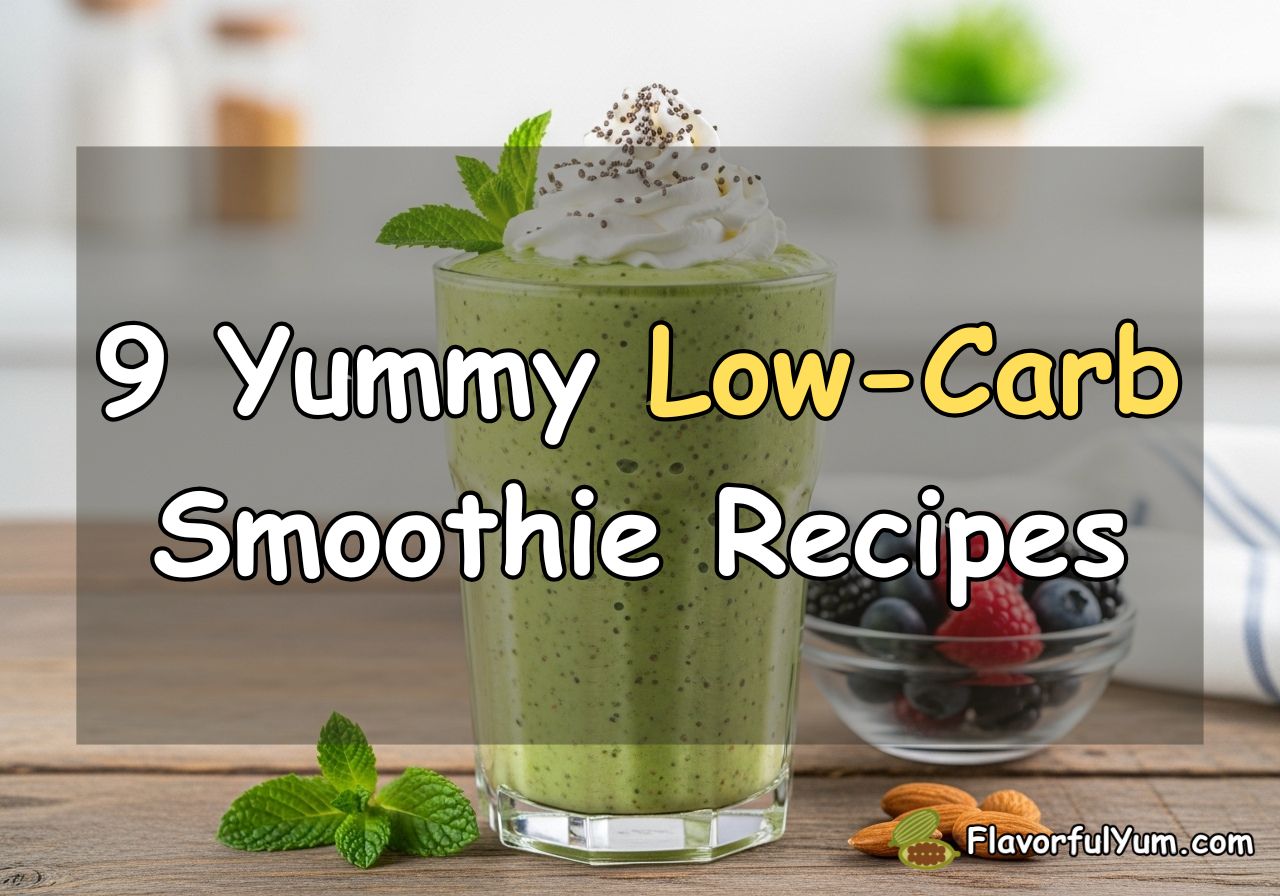
I love smoothies because they save time and keep me full. I also like low-carb smoothies because they help control sugar intake. These smoothies use simple ingredients. They avoid added sugar. They focus on protein, healthy fats, and fiber.
Low-carb smoothies work well for breakfast, snacks, or post-workout meals. They also support weight goals and steady energy.
In this article, I share nine low-carb smoothie recipes. Each recipe uses clear steps. Each recipe keeps carbs low and flavor high.
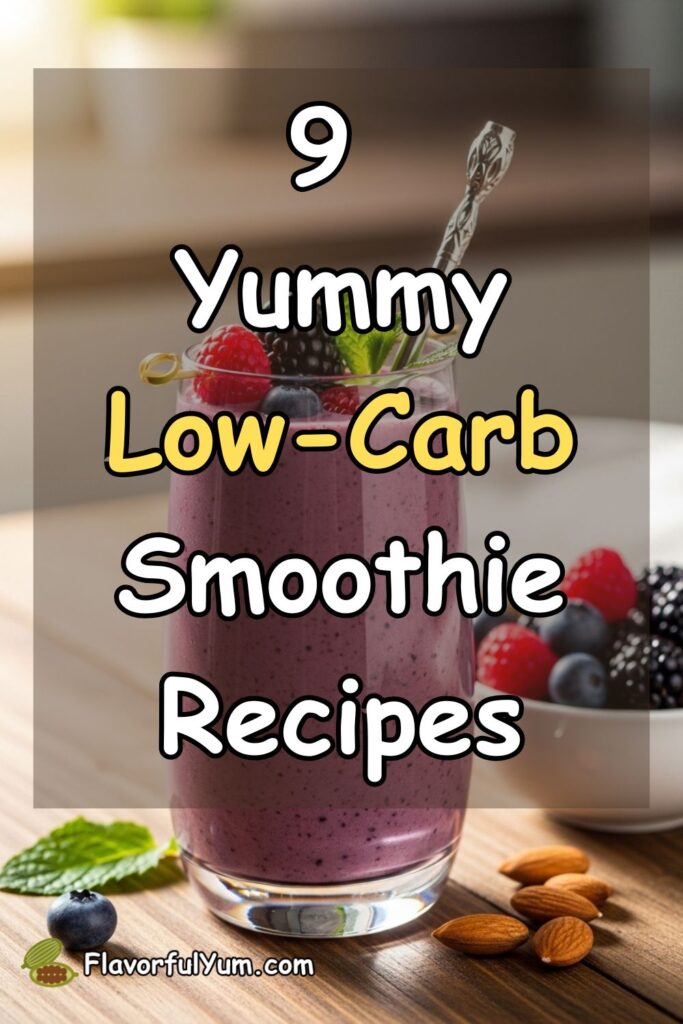
What Makes a Smoothie Low-Carb?
A low-carb smoothie limits sugar and starch. It avoids fruit like bananas, mangoes, and grapes. It also avoids fruit juice and sweetened yogurt.
Low-carb smoothies use:
- Berries in small amounts
- Leafy greens
- Unsweetened almond milk or coconut milk
- Greek yogurt or protein powder
- Seeds and nuts
- Natural sweeteners like stevia or monk fruit
I focus on balance. I want protein for fullness. I want fat for energy. I want fiber for digestion.
1. Avocado Spinach Smoothie
This smoothie feels creamy and mild. It works well for breakfast.
Ingredients
- 1/2 avocado
- 1 cup spinach
- 1 cup unsweetened almond milk
- 1 tablespoon chia seeds
- 1/2 teaspoon vanilla extract
- Ice cubes
Instructions
- I add all ingredients to a blender.
- I blend until smooth.
- I serve cold.
Why I Like It
Avocado adds fat and texture. Spinach adds fiber and minerals. This smoothie keeps me full for hours.
2. Strawberry Coconut Smoothie
This smoothie tastes light and fresh. It feels like a treat.
Ingredients
- 1/2 cup strawberries
- 3/4 cup unsweetened coconut milk
- 1/4 cup Greek yogurt
- 1 tablespoon shredded coconut
- Ice cubes
Instructions
- I place all items in the blender.
- I blend until creamy.
- I drink right away.
Why I Like It
Strawberries stay low in sugar when used in small amounts. Coconut adds flavor and fat.
3. Chocolate Peanut Butter Smoothie
This smoothie feels rich. It helps with sweet cravings.
Ingredients
- 1 cup unsweetened almond milk
- 1 tablespoon peanut butter
- 1 scoop chocolate protein powder
- 1 teaspoon cocoa powder
- Ice cubes
Instructions
- I blend all ingredients.
- I check thickness.
- I add more ice if needed.
Why I Like It
Peanut butter gives protein and fat. Cocoa adds flavor without sugar.
4. Blueberry Almond Smoothie
This smoothie tastes clean and simple.
Ingredients
- 1/3 cup blueberries
- 1 cup almond milk
- 1 tablespoon almond butter
- 1 tablespoon flax seeds
- Ice cubes
Instructions
- I blend all items.
- I stop when smooth.
- I serve cold.
Why I Like It
Blueberries offer antioxidants. Almond butter adds texture and protein.
5. Green Cucumber Smoothie
This smoothie feels refreshing and light.
Ingredients
- 1/2 cucumber
- 1 cup kale or spinach
- 1 cup coconut water (unsweetened)
- Juice from 1/2 lemon
- Ice cubes
Instructions
- I add everything to the blender.
- I blend until liquid.
- I drink fresh.
Why I Like It
Cucumber adds hydration. Lemon adds taste without sugar.
6. Coffee Protein Smoothie
This smoothie works well in the morning.
Ingredients
- 1 cup cold brewed coffee
- 1/2 cup almond milk
- 1 scoop vanilla protein powder
- 1 teaspoon cinnamon
- Ice cubes
Instructions
- I blend all ingredients.
- I pour into a glass.
- I enjoy chilled.
Why I Like It
Coffee boosts energy. Protein keeps hunger low.
7. Raspberry Cream Smoothie
This smoothie tastes soft and smooth.
Ingredients
- 1/3 cup raspberries
- 1/2 cup heavy cream or coconut cream
- 1/2 cup almond milk
- 1 teaspoon vanilla extract
- Ice cubes
Instructions
- I blend all items.
- I adjust thickness.
- I serve cold.
Why I Like It
Raspberries stay low in carbs. Cream adds richness.
8. Matcha Green Tea Smoothie
This smoothie feels calm and fresh.
Ingredients
- 1 cup almond milk
- 1 teaspoon matcha powder
- 1/4 avocado
- 1 scoop vanilla protein powder
- Ice cubes
Instructions
- I blend all ingredients.
- I taste and adjust.
- I drink slowly.
Why I Like It
Matcha adds light caffeine. Avocado adds smooth texture.
9. Lemon Cheesecake Smoothie
This smoothie tastes like dessert.
Ingredients
- 1/2 cup cream cheese
- 1 cup almond milk
- Juice from 1 lemon
- 1 teaspoon vanilla
- Sweetener of choice
- Ice cubes
Instructions
- I blend everything.
- I check sweetness.
- I serve cold.
Why I Like It
Cream cheese adds fat and flavor. Lemon adds fresh taste.
Tips for Making Better Low-Carb Smoothies
I follow simple rules when I make smoothies.
Use Unsweetened Liquids
I choose almond milk, coconut milk, or water. I avoid fruit juice and flavored milk.
Add Protein
Protein helps control hunger. I use protein powder, Greek yogurt, or nut butter.
Add Fiber
Fiber supports digestion. I use seeds, leafy greens, and berries.
Limit Fruit
I use small amounts of berries. I avoid high-sugar fruit.
Use Ice for Volume
Ice adds size without carbs. It also keeps the smoothie cold.
Common Mistakes to Avoid
I see these mistakes often.
Too Much Fruit
Fruit raises sugar levels. Even healthy fruit can raise carbs fast.
Sweetened Yogurt
Flavored yogurt often includes sugar. I always choose plain yogurt.
Store-Bought Smoothies
Most store drinks include added sugar. They also use fruit juice.
Skipping Protein
Smoothies without protein cause hunger later.
How I Sweeten Low-Carb Smoothies?
I avoid white sugar and honey. I use these instead:
- Stevia
- Monk fruit
- Erythritol
- Vanilla extract
I add sweetener in small amounts. I prefer natural flavor from berries.
When I Drink Low-Carb Smoothies?
I drink smoothies at different times.
Breakfast
I use protein and fat. This keeps energy steady.
Snack
I use small portions. This stops cravings.
Post-Workout
I use protein powder. This helps muscle repair.
Low-Carb Smoothies and Weight Goals
Low-carb smoothies help control appetite. They reduce sugar spikes. They support fat use for energy.
I find they work best when:
- I use whole foods
- I track portions
- I avoid liquid sugar
Smoothies alone do not cause weight change. The full diet matters.
Final Thoughts
Low-carb smoothies offer a simple way to eat better. They save time. They reduce sugar. They keep meals balanced.
I use these recipes as a base. I swap ingredients based on taste and budget. I focus on protein, fat, and fiber.
These nine smoothies fit busy days. They also fit long-term habits. I enjoy them because they taste good and keep me full.

It’s Eliana Hazel. I’m a 33-year-old wife and mom of two from Tennessee who loves cooking fresh, simple meals for my family. I shop for veggies at Walmart, try new recipes, and add my own twist to make them special. When I’m not in the kitchen, I enjoy yoga, meditation, and catching up with my friends over green smoothies. Here, I share family-tested recipes, easy cooking tips, and a little inspiration to make your kitchen a happy place.
Related Posts
Previous Post
Next Post



Hey, y’all! I’m Hazel!
I’m SO happy you’re here! I’m passionate about cooking fresh, homemade meals for my family and love sharing recipes that are simple, healthy, and full of flavor. Here on my blog, I believe in making food with love, experimenting with ingredients, and turning everyday meals into something special. In short, I believe that cooking at home brings families closer and makes life more joyful. >>> Learn more