
Now Reading: How to Prevent Slipping Accidents While Cooking?
-
01
How to Prevent Slipping Accidents While Cooking?
I spend a lot of time in the kitchen. I cook daily, and I also clean as I go. Over time, I learned that the kitchen is one of the most common places for slips and falls. Water, oil, food spills, and clutter can all turn a normal cooking session into a risky situation. Slipping accidents can cause injuries to the back, knees, wrists, and head. These injuries can affect daily life and reduce confidence in the kitchen.
In this article, I explain clear and practical ways to prevent slipping accidents while cooking. I focus on simple habits, safe tools, and smart kitchen layout choices. My goal is to help you cook with comfort and control while keeping your body safe.
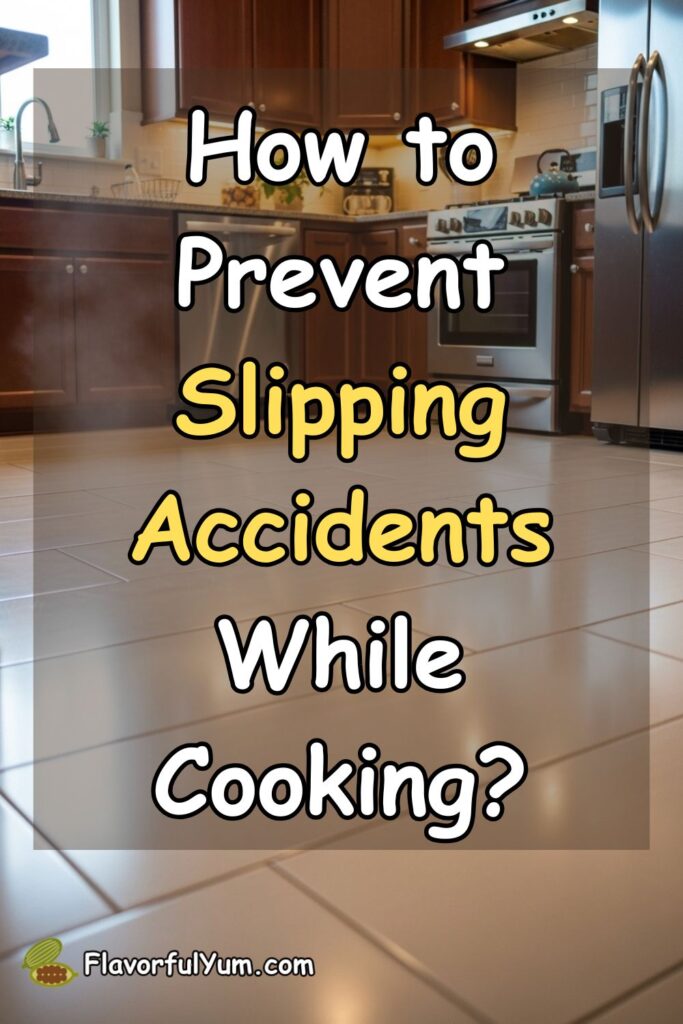
Why Slipping Accidents Happen in the Kitchen?
Slipping accidents happen when the floor loses grip. This often occurs because of liquid, grease, or loose items. The kitchen has many risk factors:
- Water from washing dishes
- Oil from frying food
- Food scraps on the floor
- Wet shoes or socks
- Poor lighting
- Crowded spaces
When I cook, I move fast between the sink, stove, and counter. If the floor is wet, I can lose balance in one step. Most slips happen in seconds, and people do not expect them.
Understanding the causes helps me prevent the problem before it starts.
Keep the Floor Dry at All Times
A dry floor is the first rule of kitchen safety. Water and oil reduce friction. This makes the floor smooth and unsafe.
I always wipe spills right away. I keep a towel or paper wipes close. When I wash dishes, I check the area around the sink. When I fry food, I watch for oil drops.
Simple habits that help:
- Wipe spills as soon as they happen
- Use a dry mop at the end of cooking
- Check the floor before moving fast
- Keep cloths near the sink
I also avoid leaving wet areas unattended. Even a small puddle can cause a fall.
Use Non-Slip Kitchen Mats
Non-slip mats give extra grip. They reduce direct contact with slippery surfaces. I place them near high-risk areas like the sink and stove.
Good mats have rubber backing. They stay in place and do not slide. I avoid thin mats without grip because they can move under my feet.
Benefits of non-slip mats:
- Better foot support
- Reduced pressure on joints
- More control when standing
- Added comfort for long cooking sessions
I clean my mats often. Dirty mats can hold grease, which removes their grip.
Wear Proper Footwear While Cooking
Footwear plays a big role in safety. Bare feet or socks can slip on smooth floors. I always wear shoes or slippers with grip.
Good kitchen footwear should have:
- Rubber soles
- Flat base
- Closed design
- Dry surface
I avoid loose sandals and flip-flops. They can twist and cause imbalance. Shoes with grip give me better control when I move fast.
Clean as You Cook
I follow a clean-as-you-cook habit. This means I clean small messes before they grow.
For example:
- I wipe cutting boards after use
- I throw food scraps in the bin
- I clean spills right away
- I keep counters clear
This habit keeps the floor safe. It also makes cooking easier and faster.
When I clean after each step, I reduce clutter. Less clutter means fewer obstacles and fewer slip risks.
Store Items in Easy Reach
Reaching high shelves can cause loss of balance. Bending down fast can also cause slips. I store daily items at waist or chest level.
Safe storage tips:
- Keep heavy items on lower shelves
- Store tools near work areas
- Avoid using chairs to reach shelves
- Use step stools with grip
I use stable stools with rubber feet. I never stand on wet surfaces while reaching up.
Improve Kitchen Lighting
Poor lighting hides spills and obstacles. I make sure my kitchen has clear light.
Good lighting helps me:
- See water on the floor
- Spot food scraps
- Avoid tools on the ground
- Move with confidence
I use bright overhead lights and focused lights near the stove and sink. Clear vision reduces mistakes.
Choose Safe Flooring Materials
Some floor materials are more slippery than others. Glossy tiles and polished stone can become very smooth when wet.
If you plan to change your floor, look for:
- Textured tiles
- Vinyl with grip finish
- Matte surfaces
- Rubber flooring
I prefer floors with light texture. They give more friction and reduce slide risk.
Avoid Overcrowding the Kitchen
A crowded kitchen increases slip risk. When too many people move in one space, accidents become more likely.
I follow these rules:
- One main cook at a time
- Clear walking paths
- No bags or boxes on the floor
- Pets stay out during cooking
When the kitchen feels open, I move freely. I avoid sudden turns and steps.
Handle Oil and Grease with Care
Oil is one of the biggest causes of kitchen slips. It spreads fast and stays on surfaces.
I control oil by:
- Using lids while frying
- Placing paper under oil bottles
- Cleaning oil splashes right away
- Using less oil when possible
I also clean the stove area often. Oil drips can reach the floor without notice.
Keep Cleaning Tools Nearby
Easy access to cleaning tools saves time and reduces risk. I keep these items close:
- Towels
- Mop
- Paper wipes
- Floor spray
When I see a spill, I do not leave it for later. I clean it before I continue cooking.
This habit prevents small issues from becoming big hazards.
Use Anti-Slip Sprays and Coatings
Some products improve floor grip. These sprays add texture to smooth surfaces.
I use anti-slip sprays in high-risk areas. They work well on tiles and stone. The effect lasts for weeks and needs repeat use.
These sprays:
- Increase friction
- Reduce slide risk
- Work on wet floors
- Do not change floor look
They are helpful for kitchens with glossy floors.
Manage Cables and Appliances
Loose cables can cause trips and slips. I keep all cords away from walking paths.
Safe setup tips:
- Plug appliances near counters
- Avoid extension cords on the floor
- Store unused tools
- Keep floor clear of wires
A clean floor means fewer obstacles.
Control Water Around the Sink
The sink area stays wet most of the time. I pay extra attention here.
I prevent water buildup by:
- Using splash guards
- Wiping edges often
- Using mats near the sink
- Drying dishes in trays
I also check under the sink for leaks. Small leaks can create hidden wet spots.
Stay Focused While Cooking
Distraction increases risk. I avoid using my phone while moving around. I stay alert and aware of my steps.
I follow these habits:
- Look at the floor before turning
- Move at steady speed
- Avoid rushing
- Do one task at a time
Focus helps me stay in control.
Train Children and Family Members
Everyone in the home should follow safety rules. I teach children to clean spills and avoid running.
Simple family rules:
- No running in the kitchen
- Report spills right away
- Wear shoes
- Keep toys out
When everyone helps, the space stays safe.
Keep Pets Out While Cooking
Pets move fast and unpredictably. They can cause sudden stops or trips.
I keep pets outside the kitchen while I cook. I use gates if needed.
This prevents:
- Tripping over pets
- Sudden movement
- Spilled food
- Lost balance
A clear space keeps me safe.
Check Your Posture and Movement
Body movement affects balance. I try to stand upright and walk with steady steps.
Good posture tips:
- Keep feet flat
- Avoid quick turns
- Bend knees, not back
- Use support when needed
When I move with control, I reduce fall risk.
Use Hand Support When Needed
Counters and walls can help with balance. If I feel unsure, I place one hand on a stable surface.
This helps during:
- Reaching high shelves
- Bending down
- Lifting heavy items
Support reduces strain and risk.
Keep Emergency Supplies Ready
Even with care, accidents can happen. I keep basic supplies ready.
These include:
- Bandages
- Ice pack
- First aid kit
- Phone nearby
Quick response reduces injury impact.
Build Daily Safety Habits
Prevention works best when it becomes routine. I repeat small actions every day.
My daily habits:
- Wipe spills
- Wear proper shoes
- Keep floor clear
- Clean mats
- Stay focused
These habits take little time but give strong protection.
Final Thoughts
Slipping accidents in the kitchen are common, but they are preventable. I learned that safety depends on small daily choices. A dry floor, proper footwear, clean space, and focused movement make a big difference.
I do not wait for accidents to happen. I take action before risks grow. Cooking should feel safe and enjoyable, not stressful.
By using these simple methods, I protect my body and my space. I cook with confidence, comfort, and control.

It’s Eliana Hazel. I’m a 33-year-old wife and mom of two from Tennessee who loves cooking fresh, simple meals for my family. I shop for veggies at Walmart, try new recipes, and add my own twist to make them special. When I’m not in the kitchen, I enjoy yoga, meditation, and catching up with my friends over green smoothies. Here, I share family-tested recipes, easy cooking tips, and a little inspiration to make your kitchen a happy place.
Related Posts
Previous Post
Next Post
Previous Post
Next Post


Hey, y’all! I’m Hazel!
I’m SO happy you’re here! I’m passionate about cooking fresh, homemade meals for my family and love sharing recipes that are simple, healthy, and full of flavor. Here on my blog, I believe in making food with love, experimenting with ingredients, and turning everyday meals into something special. In short, I believe that cooking at home brings families closer and makes life more joyful. >>> Learn more