
Now Reading: How to Stop Feeling Tired After Going Plant-Based?
-
01
How to Stop Feeling Tired After Going Plant-Based?

Switching to a plant-based diet can be exciting. You eat more vegetables, fruits, grains, nuts, and legumes. Many people notice benefits like weight control, better digestion, and improved energy.
But some people feel tired after making the change. Feeling low on energy can be frustrating. I experienced this when I first went plant-based. Understanding why fatigue happens and how to fix it makes the transition smoother.
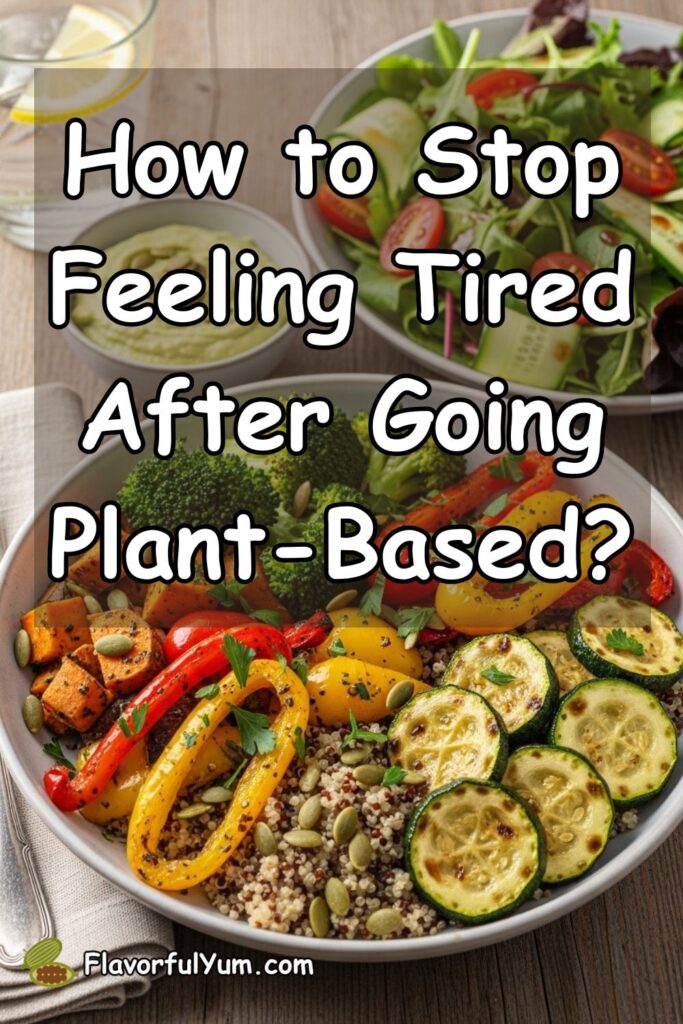
Why You Might Feel Tired?
When you switch to plant-based eating, your body adjusts to new foods and nutrients. Fatigue often comes from:
- Low Protein Intake – Protein builds and repairs muscles and supports energy. Plant-based diets can sometimes lack enough protein if you rely heavily on grains or snacks.
- Iron Deficiency – Iron is vital for energy. Plant iron (from beans, lentils, and greens) is less easily absorbed than animal iron.
- Vitamin B12 Deficiency – B12 is mostly in animal products. Low B12 can cause tiredness and weakness.
- Low Calories – Whole plant foods can be filling but low in calories. Eating less than your body needs leads to fatigue.
- Dehydration – Plants contain water, but your body might need more fluids, especially when increasing fiber intake.
- Lack of Variety – Eating the same meals repeatedly can limit nutrients and make you feel sluggish.
Knowing the causes helps you take steps to regain energy.
Boost Protein Intake
Protein is crucial for energy. Plant-based protein sources can help you feel alert and strong.
1. Beans and Lentils
I add beans or lentils to soups, salads, or rice bowls. They are cheap, high in protein, and rich in fiber. A cup of cooked lentils gives about 18 grams of protein.
2. Tofu and Tempeh
Tofu and tempeh absorb flavors well. I stir-fry them with vegetables or add them to sandwiches. Tempeh contains more protein than tofu, roughly 19 grams per 100 grams.
3. Nuts and Seeds
Almonds, pumpkin seeds, sunflower seeds, and chia seeds are easy snacks or toppings for salads and oatmeal. They provide protein, healthy fats, and minerals.
4. Plant-Based Protein Powders
If I feel low on energy, I mix pea, hemp, or soy protein into smoothies. This ensures I hit my daily protein goals.
Get Enough Iron
Iron carries oxygen in the blood. Low iron can make you feel tired and weak.
5. Spinach and Kale
Dark leafy greens are rich in iron. I sauté them with garlic or add them to smoothies. Pairing with vitamin C (like lemon juice) increases absorption.
6. Lentils and Chickpeas
Lentils and chickpeas not only provide protein but also contain iron. I enjoy lentil soup or roasted chickpeas for snacks.
7. Pumpkin Seeds
Pumpkin seeds are easy to add to salads, oatmeal, or trail mix. They provide iron and magnesium.
8. Fortified Foods
Some cereals, plant milks, or nutritional yeast are fortified with iron. They are convenient options to prevent deficiency.
Supplement Vitamin B12
B12 deficiency is common for plant-based eaters. Low B12 causes fatigue, weakness, and brain fog.
- I take a B12 supplement daily or weekly.
- Nutritional yeast is another option. I sprinkle it on pasta, popcorn, or salads.
- Fortified plant milks often include B12.
Checking B12 levels with a doctor is important if you feel persistently tired.
Eat Enough Calories
Plant-based diets are high in fiber and water. They make you feel full quickly, which can reduce calorie intake.
- I track my meals to make sure I eat enough.
- Adding calorie-dense foods like nuts, seeds, avocado, and dried fruit helps.
- Whole grains like brown rice, oats, or quinoa provide energy and fiber.
Balance Carbs, Protein, and Fat
Energy comes from the right mix of macronutrients.
- Carbs: Whole grains, fruits, and vegetables give quick energy.
- Protein: Beans, tofu, tempeh, nuts, and seeds sustain energy.
- Fat: Avocado, nuts, seeds, and olive oil prevent energy crashes.
I include all three in each meal or snack. For example, oatmeal with almond butter and fruit gives carbs, protein, and fat.
Stay Hydrated
Water supports digestion, circulation, and nutrient absorption. Dehydration can make you feel tired.
- I drink at least 8 glasses of water daily.
- Herbal teas, coconut water, and fruit-infused water add variety.
- Increasing fiber intake requires extra water to prevent bloating or constipation.
Plan Balanced Meals
Planning meals helps prevent nutrient gaps.
9. Breakfast
I often have oatmeal with almond butter, chia seeds, and berries. It provides protein, healthy fats, and fiber.
10. Lunch
A quinoa salad with chickpeas, spinach, tomatoes, and avocado keeps me full for hours.
11. Dinner
I enjoy stir-fried tofu with broccoli, peppers, and brown rice. It provides protein, iron, and complex carbs.
12. Snacks
Trail mix, hummus with carrots, or a smoothie with plant protein prevents energy dips.
Include Iron and B12 Together
I pair iron-rich meals with B12-fortified foods to ensure energy production. For example, spinach salad with nutritional yeast and pumpkin seeds.
Avoid Excessive Sugar
I noticed sugar crashes make fatigue worse.
- I limit candy, pastries, and sugary drinks.
- I enjoy fruit for natural sweetness.
- Smoothies with whole fruits, vegetables, and protein powder provide steady energy.
Listen to Your Body
Feeling tired is a signal. I pay attention to:
- Cravings for sugary or salty foods
- Weakness or dizziness
- Trouble concentrating
These signs indicate nutrient gaps or low calories. Adjusting meals or supplements helps me regain energy.
Track Progress
I keep a food diary and note energy levels.
- I track protein, iron, B12, and calorie intake.
- I adjust meals weekly to prevent fatigue.
- Monitoring progress helps me identify which foods give me energy.
Consider Professional Guidance
If fatigue persists despite balanced eating:
- I consult a registered dietitian familiar with plant-based diets.
- Blood tests help identify deficiencies like B12, iron, or vitamin D.
- Professional advice ensures long-term health on a plant-based diet.
Make Snacks Energy-Boosting
Snacks support energy between meals. I keep:
- Nuts and seeds
- Fresh fruit
- Roasted chickpeas
- Hummus with vegetables
These options prevent sugar crashes and support steady energy.
Meal Prep for Consistency
Preparing meals in advance reduces fatigue caused by skipping meals.
- I batch-cook grains, beans, and vegetables.
- I portion meals into containers for the week.
- Ready-to-eat meals help me avoid quick, low-nutrient options.
Keep Variety
Eating a variety of foods prevents nutrient gaps.
- I rotate grains like quinoa, oats, and brown rice.
- I vary vegetables: spinach, kale, peppers, broccoli.
- I change protein sources: tofu, tempeh, beans, lentils, nuts.
Variety keeps meals interesting and energy levels stable.
Mind Sleep and Exercise
Energy is affected by more than food.
- I sleep 7–8 hours per night.
- I exercise regularly, which boosts energy and circulation.
- Even light activity like walking improves alertness.
Sample Day of High-Energy Plant-Based Meals
Breakfast: Oatmeal with almond butter, chia seeds, and banana
Snack: Apple with peanut butter
Lunch: Quinoa salad with chickpeas, spinach, peppers, and avocado
Snack: Roasted pumpkin seeds or trail mix
Dinner: Tofu stir-fry with broccoli, carrots, and brown rice
Optional Snack: Smoothie with plant protein, berries, and spinach
This day provides protein, iron, B12 (fortified foods), healthy fats, and complex carbs.
Conclusion
Feeling tired after going plant-based is common. Low protein, iron, B12, calories, and hydration are often the cause. By eating a variety of plant foods, tracking nutrients, taking supplements if needed, and planning meals, energy improves.
I experienced more alertness and sustained energy after making these adjustments. Plant-based eating can be energizing when done thoughtfully.
You can enjoy plant-based meals without fatigue. Focus on protein, iron, B12, hydration, and calories. With planning and variety, plant-based eating supports both energy and health.

It’s Eliana Hazel. I’m a 33-year-old wife and mom of two from Tennessee who loves cooking fresh, simple meals for my family. I shop for veggies at Walmart, try new recipes, and add my own twist to make them special. When I’m not in the kitchen, I enjoy yoga, meditation, and catching up with my friends over green smoothies. Here, I share family-tested recipes, easy cooking tips, and a little inspiration to make your kitchen a happy place.
Related Posts
Previous Post
Next Post


Hey, y’all! I’m Hazel!
I’m SO happy you’re here! I’m passionate about cooking fresh, homemade meals for my family and love sharing recipes that are simple, healthy, and full of flavor. Here on my blog, I believe in making food with love, experimenting with ingredients, and turning everyday meals into something special. In short, I believe that cooking at home brings families closer and makes life more joyful. >>> Learn more