
Now Reading: Gluten-Free Diet on a Budget (Real Tips That Work)
-
01
Gluten-Free Diet on a Budget (Real Tips That Work)
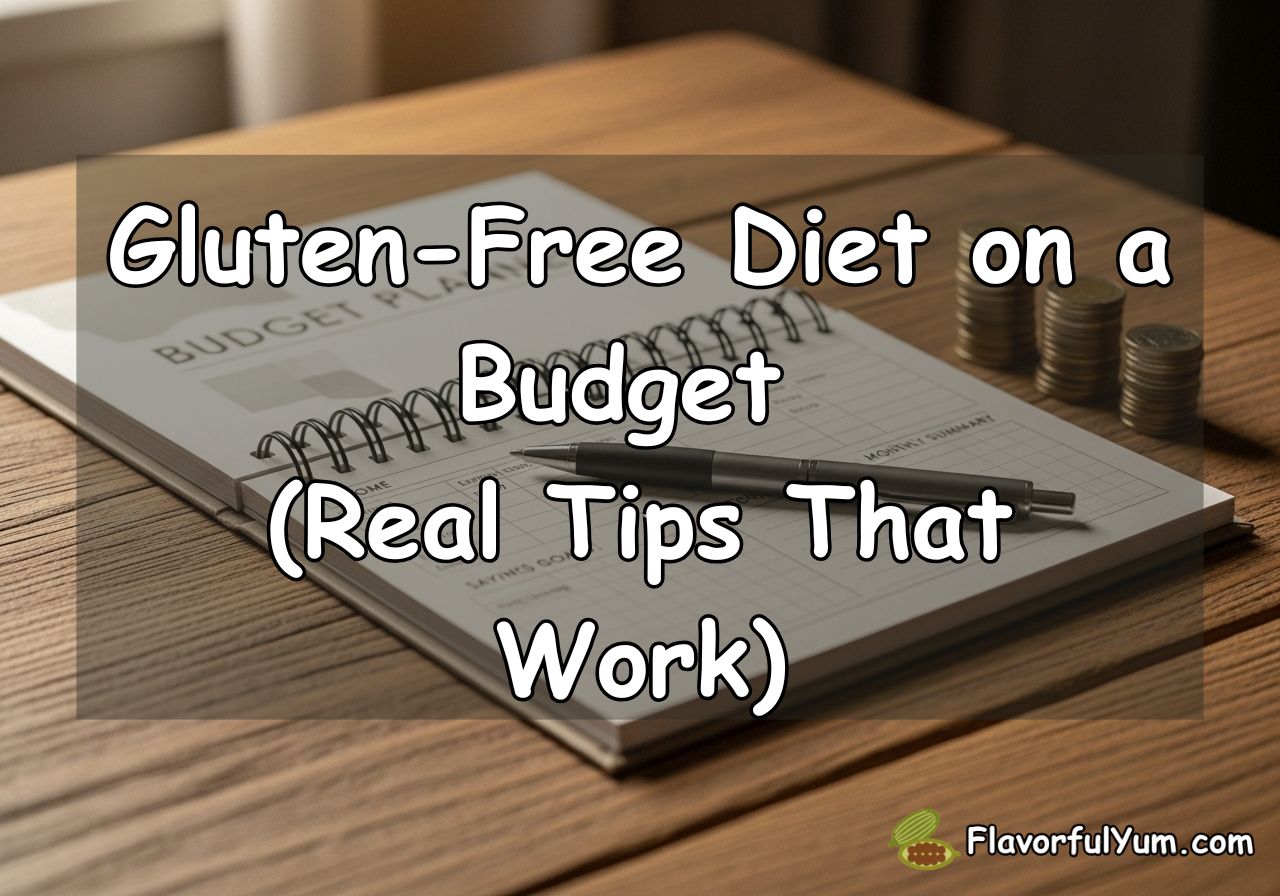
Eating gluten-free can feel expensive. Many gluten-free packaged foods cost more than regular foods. But you can follow a gluten-free diet without spending a fortune. I have learned practical ways to save money while eating well.
This article shares tips, strategies, and meal ideas that are affordable, easy, and truly gluten-free.

Why a Gluten-Free Diet Feels Expensive?
Gluten-free packaged foods are convenient but often cost more. Specialty breads, snacks, and pasta have a higher price.
- Many store-bought gluten-free products are imported.
- Smaller production runs increase cost.
- Marketing often adds a premium.
The solution is to focus on naturally gluten-free foods and smart shopping habits.
1. Focus on Naturally Gluten-Free Foods
I save money by choosing whole foods instead of packaged gluten-free substitutes. These foods are healthy, filling, and affordable.
1. Fruits and Vegetables
All fresh fruits and vegetables are gluten-free. I buy seasonal produce to lower costs.
- Apples, bananas, berries, oranges
- Carrots, spinach, broccoli, zucchini
- Sweet potatoes, potatoes, bell peppers
2. Grains and Starches
Some grains are naturally gluten-free and cheap when bought in bulk.
- Rice (brown, white, or wild)
- Oats labeled gluten-free
- Quinoa, millet, and buckwheat
- Cornmeal and polenta
I cook these in batches and store them for the week. They provide energy and fiber.
3. Beans and Lentils
Legumes are excellent for protein and fiber. They are cheap, filling, and versatile.
- Black beans, chickpeas, kidney beans, lentils
- I make soups, stews, salads, or bean patties.
4. Nuts and Seeds
Nuts and seeds are naturally gluten-free. They provide protein and healthy fats.
- Almonds, peanuts, walnuts
- Sunflower seeds, chia seeds, flaxseeds
- I use them as snacks, toppings, or in smoothies.
5. Eggs and Dairy
Eggs, milk, yogurt, and cheese are naturally gluten-free. They are inexpensive sources of protein and calcium.
2. Shop Smart for Gluten-Free Foods
You can reduce costs by buying strategically.
6. Buy in Bulk
I buy rice, beans, oats, and nuts in bulk. They cost less than pre-packaged small portions.
7. Choose Store Brands
Store-brand gluten-free items often cost less but have similar quality.
8. Avoid Specialty Stores
Specialty gluten-free stores are convenient but expensive. Local grocery stores often carry gluten-free essentials at lower prices.
9. Check for Sales and Coupons
I track weekly grocery ads and digital coupons for gluten-free items.
10. Compare Prices per Pound or Kilogram
Price per unit helps me find the cheapest options. I sometimes buy larger packs and freeze extras.
3. Cook at Home
Home cooking saves money and ensures gluten-free safety.
11. Make Your Own Bread
I bake gluten-free bread with flour blends, oats, and seeds. It costs less than store-bought bread.
12. Prepare Meals in Batches
Batch cooking rice, beans, and roasted vegetables saves time and money. I portion meals into containers for the week.
13. Homemade Snacks
Store-bought gluten-free snacks are pricey. I make:
- Energy bites with oats, peanut butter, and honey
- Roasted chickpeas with spices
- Popcorn with olive oil or seasoning
14. DIY Pasta Alternatives
I cook rice, quinoa, or gluten-free pasta at home instead of buying packaged specialty pasta dishes.
4. Meal Planning
Planning meals prevents waste and reduces cost.
15. Plan Weekly Meals
I list breakfast, lunch, dinner, and snacks for the week. This reduces last-minute expensive purchases.
16. Use Leftovers
I turn leftover grains and vegetables into soups, salads, or stir-fries. Nothing goes to waste.
17. Mix Expensive and Cheap Ingredients
I pair pricier items like gluten-free pasta with cheaper vegetables or beans. This balances cost without sacrificing nutrition.
5. Affordable Gluten-Free Breakfast Ideas
Breakfast can be simple, filling, and cheap.
18. Oatmeal
I use gluten-free oats with fruit, seeds, or nut butter. It’s warm, filling, and budget-friendly.
19. Smoothies
Blended fruits, spinach, plant-based milk, and a spoon of peanut butter make a nutritious breakfast.
20. Eggs and Veggies
Scrambled eggs with sautéed vegetables provide protein and fiber. It keeps me full until lunch.
21. Homemade Granola
I mix gluten-free oats, seeds, and honey, then bake. It lasts for weeks and costs much less than store-bought granola.
6. Affordable Lunch and Dinner Ideas
Lunch and dinner can be budget-friendly and satisfying.
22. Rice Bowls
I use brown rice, beans, vegetables, and a simple dressing. It’s filling, cheap, and easy to prepare.
23. Lentil Soup
Lentils, onions, carrots, and spices make a hearty soup. It’s cheap and freezes well for future meals.
24. Stir-Fry
I stir-fry tofu or chicken with vegetables and serve over rice or quinoa. A simple soy sauce (gluten-free) or spice blend adds flavor.
25. Salads with Protein
I make salads with beans, chickpeas, or eggs. Adding a dressing of olive oil, lemon, or vinegar keeps it healthy and tasty.
26. Baked Potatoes or Sweet Potatoes
I bake potatoes and top them with beans, cheese, or vegetables. This is an affordable and gluten-free dinner option.
7. Affordable Gluten-Free Snacks
Snacks help prevent energy dips between meals.
27. Popcorn
Air-popped popcorn is cheap and gluten-free. I add spices, nutritional yeast, or a small amount of olive oil.
28. Fruit
Fresh, seasonal fruit is naturally gluten-free. Apples, bananas, oranges, and grapes make quick snacks.
29. Nuts and Seeds
A handful of almonds, walnuts, or sunflower seeds provides protein and energy.
30. Veggie Sticks with Hummus
Carrots, celery, or cucumber sticks with homemade hummus are filling and budget-friendly.
31. Rice Cakes with Toppings
I use plain rice cakes and add peanut butter, avocado, or hummus for flavor and energy.
8. Tips to Keep Your Gluten-Free Diet Affordable
32. Stick to Whole Foods
Processed gluten-free foods are expensive. Whole foods are cheaper, healthier, and naturally gluten-free.
33. Avoid Pre-Packaged Meals
Frozen gluten-free meals may seem convenient but cost much more than homemade meals.
34. Make Your Own Flour Blends
I mix rice flour, oat flour, and tapioca flour for baking. It costs less than buying pre-made blends.
35. Grow Herbs and Greens
Small pots of basil, parsley, or spinach save money and add fresh flavor.
36. Shop Farmers Markets
Local markets often have cheaper seasonal produce. I buy in bulk and freeze extras.
37. Limit Specialty Snacks
Gluten-free cookies or chips are tempting but expensive. I reserve them for occasional treats.
38. Batch Cook Grains and Legumes
I cook rice, quinoa, lentils, and beans in batches. They store in the fridge or freezer and make meals faster.
39. Freeze Leftovers
Freezing cooked meals prevents waste and reduces the need for expensive last-minute meals.
40. Keep a Pantry of Essentials
I store rice, beans, oats, canned vegetables, and sauces. It allows me to cook quickly without buying processed foods.
Sample Day on a Budget Gluten-Free Plan
Breakfast: Oatmeal with banana, chia seeds, and peanut butter
Snack: Apple slices with almonds
Lunch: Lentil soup with carrots, spinach, and rice
Snack: Carrot sticks with hummus
Dinner: Stir-fried tofu with broccoli, bell peppers, and quinoa
Optional Snack: Homemade popcorn or fruit
This plan uses whole foods, balances nutrients, and stays affordable.
Conclusion
Eating gluten-free does not have to break the bank. I focus on naturally gluten-free foods, plan meals, cook at home, and shop smart.
- Beans, lentils, and eggs provide protein.
- Rice, oats, and potatoes provide energy.
- Fruits and vegetables provide vitamins and fiber.
- Nuts and seeds provide healthy fats.
By following these tips, a gluten-free diet becomes affordable, nutritious, and satisfying. You can enjoy meals that taste good, keep you full, and support your health—all on a budget.

It’s Eliana Hazel. I’m a 33-year-old wife and mom of two from Tennessee who loves cooking fresh, simple meals for my family. I shop for veggies at Walmart, try new recipes, and add my own twist to make them special. When I’m not in the kitchen, I enjoy yoga, meditation, and catching up with my friends over green smoothies. Here, I share family-tested recipes, easy cooking tips, and a little inspiration to make your kitchen a happy place.
Related Posts
Previous Post
Next Post
Previous Post

Next Post


Hey, y’all! I’m Hazel!
I’m SO happy you’re here! I’m passionate about cooking fresh, homemade meals for my family and love sharing recipes that are simple, healthy, and full of flavor. Here on my blog, I believe in making food with love, experimenting with ingredients, and turning everyday meals into something special. In short, I believe that cooking at home brings families closer and makes life more joyful. >>> Learn more