
Now Reading: 5 Meals for Kids Who Hate Breakfast
-
01
5 Meals for Kids Who Hate Breakfast
Many parents struggle with the same problem every morning. Their child says, “I am not hungry,” or “I hate breakfast.” This can feel stressful, especially when you want your child to start the day with energy and focus.
I have dealt with this situation too. I learned that some kids dislike breakfast for real reasons. It is not always stubborn behavior. It is often about routine, appetite, taste, or timing.
This guide shares simple and realistic meal ideas for kids who hate breakfast. These meals focus on ease, taste, and flexibility. The goal is not to force food. The goal is to help kids eat something that supports their body and brain.
Why Some Kids Hate Breakfast?
Understanding the reason helps you find the right solution.
1. They Are Not Hungry in the Morning
Some kids wake up with low appetite. Their body needs time to feel hunger.
2. They Feel Rushed
Busy mornings reduce interest in eating. Stress blocks appetite.
3. They Dislike Typical Breakfast Foods
Some kids hate eggs, cereal, or toast. They may prefer lunch or dinner foods.
4. They Ate Late at Night
Late dinners or snacks reduce morning hunger.
5. They Feel Nauseous Early
Some kids feel mild nausea when they wake up. Heavy foods feel uncomfortable.
Change the Way You Think About Breakfast
Breakfast does not need to look like traditional breakfast. It only needs to provide energy.
Breakfast Can Be Any Food
Soup, rice, pasta, or leftovers all work. The body does not care about food labels.
Small Amounts Are Enough
A few bites are better than nothing.
Timing Can Be Flexible
Some kids eat better after school drop-off.
Start With Low Pressure
Pressure reduces appetite. Calm builds trust.
Do Not Force Eating
Forcing food creates long-term resistance.
Offer Without Arguing
Serve food and let the child decide.
Focus on Consistency
Offer breakfast every day at the same time.
1. Light Breakfast Options
These meals work well for kids with low appetite.
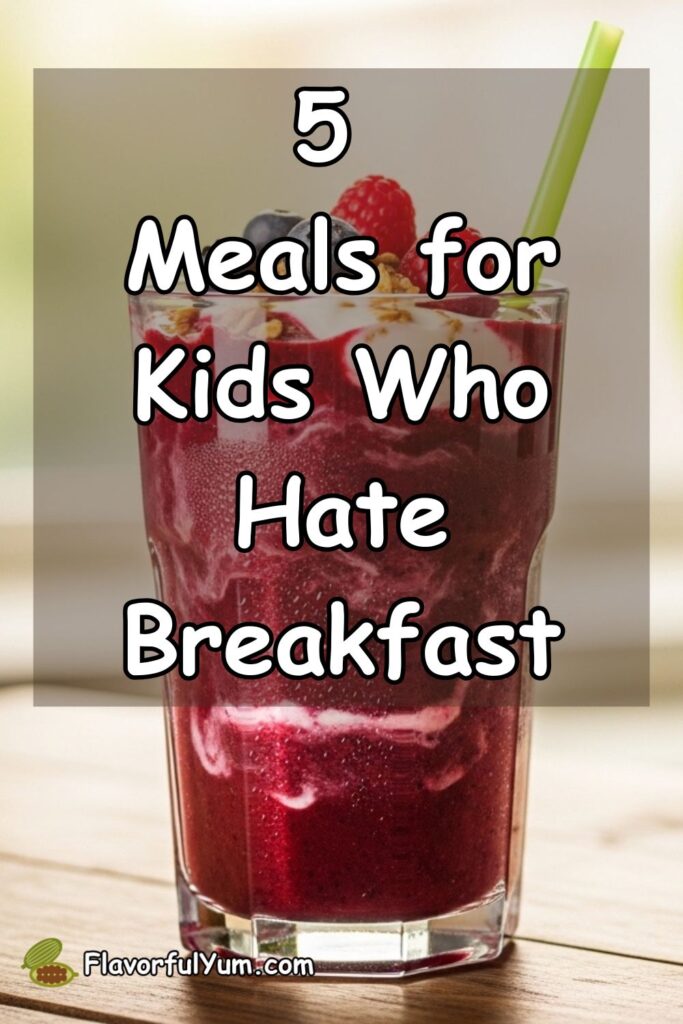
1. Smoothies
Smoothies feel like drinks, not meals.
Ideas:
- Banana and peanut butter
- Strawberry and yogurt
- Mango and oat milk
- Spinach and apple
Add protein with yogurt, nut butter, or seeds.
2. Fruit and Nut Butter
Apple slices with peanut butter or banana with almond butter provide quick energy.
3. Yogurt Cups
Plain or flavored yogurt with honey or fruit works well.
4. Milk or Plant Milk
A glass of milk provides calories, protein, and calcium.
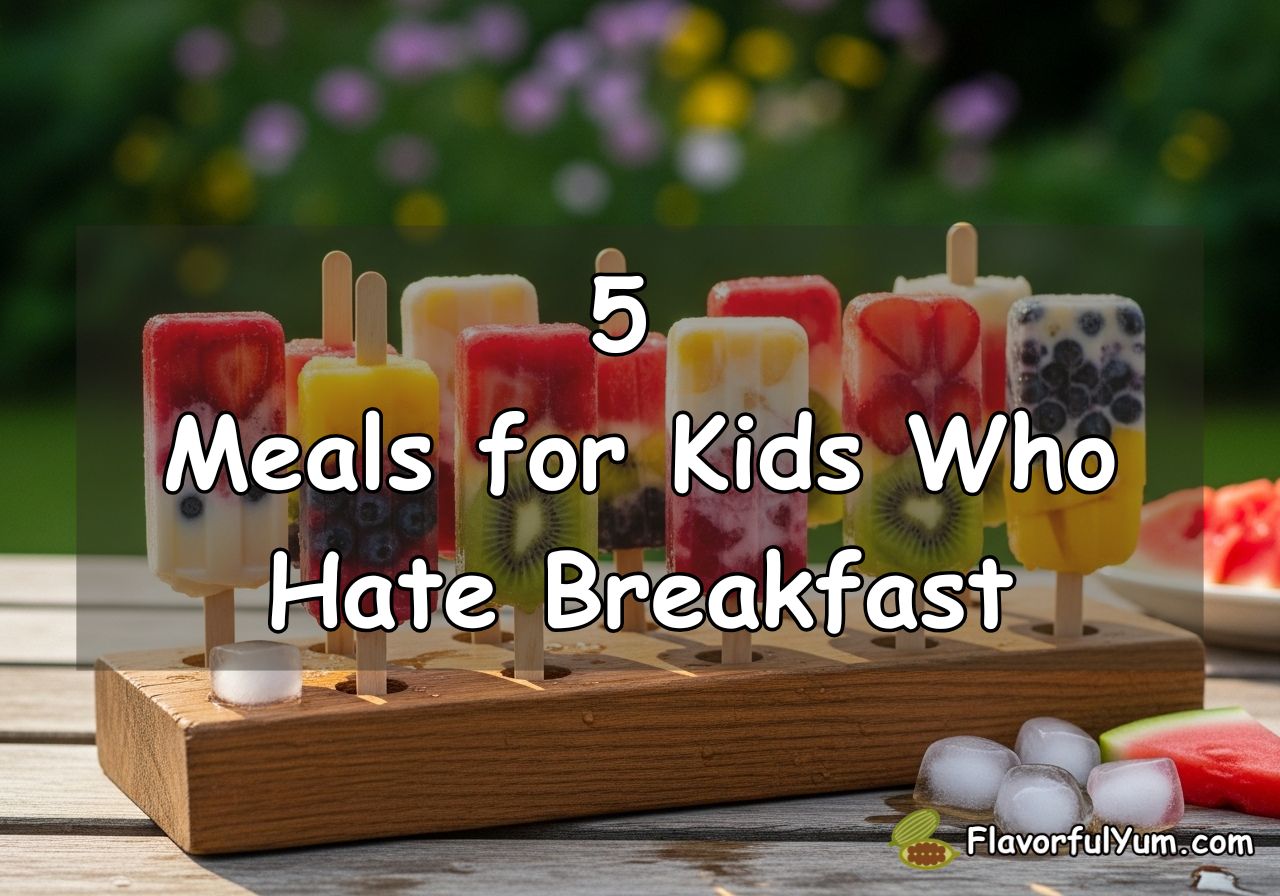
5. Homemade Popsicles
Frozen fruit smoothies feel fun and easy to eat.
2. Handheld Breakfasts
Kids prefer food they can hold.
6. Breakfast Wraps
Wrap eggs, cheese, or beans in a tortilla.
7. Mini Sandwiches
Use bread with peanut butter, cheese, or avocado.
8. Muffins
Make muffins with banana, oats, or carrots.
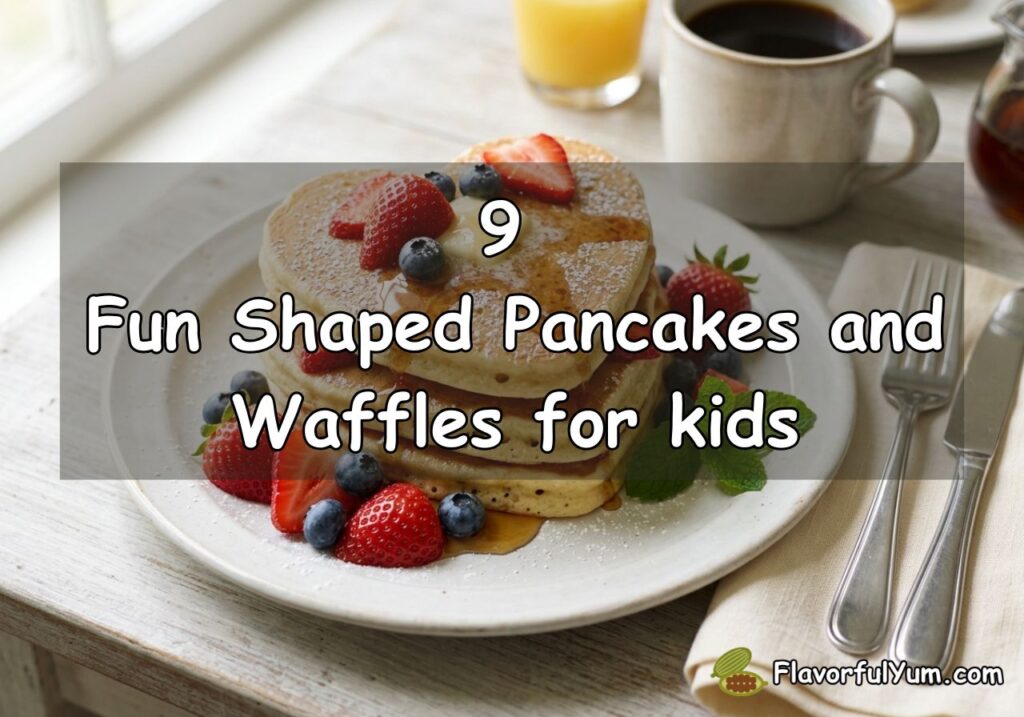
9. Pancakes or Waffles
Serve with fruit or yogurt dip.
10. Energy Bites
Mix oats, honey, and nut butter into small balls.
3. Non-Traditional Breakfast Meals
Some kids prefer real meals instead of breakfast foods.
11. Rice Bowls
Rice with egg, tofu, or vegetables works well.
12. Soup
Warm soup feels gentle on the stomach.
13. Pasta
Plain pasta with olive oil or cheese works.
14. Leftover Dinner
Leftover chicken, potatoes, or vegetables are fine.
15. Quesadillas
Tortilla with cheese and beans provides protein and carbs.
4. Snack-Style Breakfast Plates
Snack plates feel less serious and more fun.
16. Snack Plate Ideas
Include:
- Fruit
- Cheese cubes
- Crackers
- Nuts or seeds
- Yogurt dip
Kids enjoy choice and variety.
5. Breakfast for On-the-Go Kids
Some kids eat better outside the house.
17. Breakfast in the Car
Offer bananas, muffins, or smoothies in spill-proof cups.
18. Breakfast at School
Pack easy foods like:
- Granola bars
- Trail mix
- Fruit cups
- Yogurt tubes
19. Second Breakfast
Some kids eat after arriving at school. This still counts.
Use Timing to Your Advantage
Appetite changes with time.
Delay Breakfast Slightly
Offer food 20 to 30 minutes after waking.
Split Breakfast Into Two Parts
Small snack first, bigger meal later.
Avoid Late Night Snacking
This improves morning hunger.
Add Protein and Carbs
Energy comes from balance.
Protein Options
- Eggs
- Yogurt
- Nut butter
- Cheese
- Beans
Carb Options
- Bread
- Oats
- Rice
- Fruit
- Pancakes
Combining both prevents energy crashes.
Make Breakfast Fun
Fun increases interest.
20. Use Shapes
Cut food into stars or hearts.
21. Use Dips
Yogurt, honey, or nut butter increase appeal.
22. Create Food Faces
Use fruit and bread to create faces.
23. Use Color
Bright plates feel exciting.
24. Use Themes
Try “smoothie day” or “breakfast picnic.”
Involve Kids in Choices
Control increases willingness.
25. Let Them Pick
Offer two options and let them choose.
26. Let Them Help Prepare
Blending, stirring, or cutting builds interest.
27. Let Them Serve Themselves
Self-serving builds confidence.
Avoid Common Mistakes
Some habits reduce breakfast success.
Do Not Use Bribes
This makes breakfast feel negative.
Do Not Compare Siblings
Each child has different appetite.
Do Not Rush Meals
Stress reduces hunger.
Do Not Offer Too Many Sugary Foods
Sugar causes energy crashes.
Deal With Picky Eating
Picky eating is common.
Keep Offering
It takes many exposures to accept food.
Change Texture
Try crunchy instead of soft.
Change Temperature
Some kids prefer cold food.
Stay Neutral
Avoid emotional reactions.
Sample Breakfast Plans
Here are realistic examples.
Sample Day 1
Early: Banana and milk
Later: Mini sandwich with cheese
Sample Day 2
Early: Smoothie
Later: Muffin and apple slices
Sample Day 3
Early: Yogurt cup
Later: Quesadilla
Sample Day 4
Early: Popsicle smoothie
Later: Rice bowl with egg
When Breakfast Really Does Not Work?
Some kids truly struggle with morning eating. That is okay.
Focus on:
- Good lunch
- Balanced snacks
- Nutritious dinner
Total daily intake matters more than one meal.
Signs to Monitor
Most breakfast refusal is normal. But watch for:
- Low energy all day
- Trouble concentrating
- Weight loss
- Frequent illness
If these appear, consult a pediatric dietitian.
Long-Term Strategy That Works
The real solution is not perfect meals. It is routine and flexibility.
Kids need:
- Calm mornings
- Predictable options
- Choice
- No pressure
- Positive examples
Appetite changes with age. Many kids who hate breakfast at 5 enjoy it at 9.
Conclusion
Kids who hate breakfast are not broken. Their body just works differently. Some need time, some need light food, and some need non-traditional meals.
You can help by:
- Reducing pressure
- Offering flexible options
- Using handheld foods
- Serving snacks
- Allowing second breakfast
- Adding protein and carbs
I learned that breakfast does not need to be perfect. It just needs to exist in a way that feels safe and easy for the child.
When breakfast feels calm, fun, and optional, kids slowly begin to eat. And once they eat a little, they often start eating more on their own.
That is the real goal. Not forcing food, but building a positive daily habit that supports energy, focus, and growth.

It’s Eliana Hazel. I’m a 33-year-old wife and mom of two from Tennessee who loves cooking fresh, simple meals for my family. I shop for veggies at Walmart, try new recipes, and add my own twist to make them special. When I’m not in the kitchen, I enjoy yoga, meditation, and catching up with my friends over green smoothies. Here, I share family-tested recipes, easy cooking tips, and a little inspiration to make your kitchen a happy place.
Related Posts


Previous Post
Next Post
Previous Post

Next Post

Hey, y’all! I’m Hazel!
I’m SO happy you’re here! I’m passionate about cooking fresh, homemade meals for my family and love sharing recipes that are simple, healthy, and full of flavor. Here on my blog, I believe in making food with love, experimenting with ingredients, and turning everyday meals into something special. In short, I believe that cooking at home brings families closer and makes life more joyful. >>> Learn more