
Now Reading: Plant-Based Diet on a Budget: Realistic Meal Plan?
-
01
Plant-Based Diet on a Budget: Realistic Meal Plan?
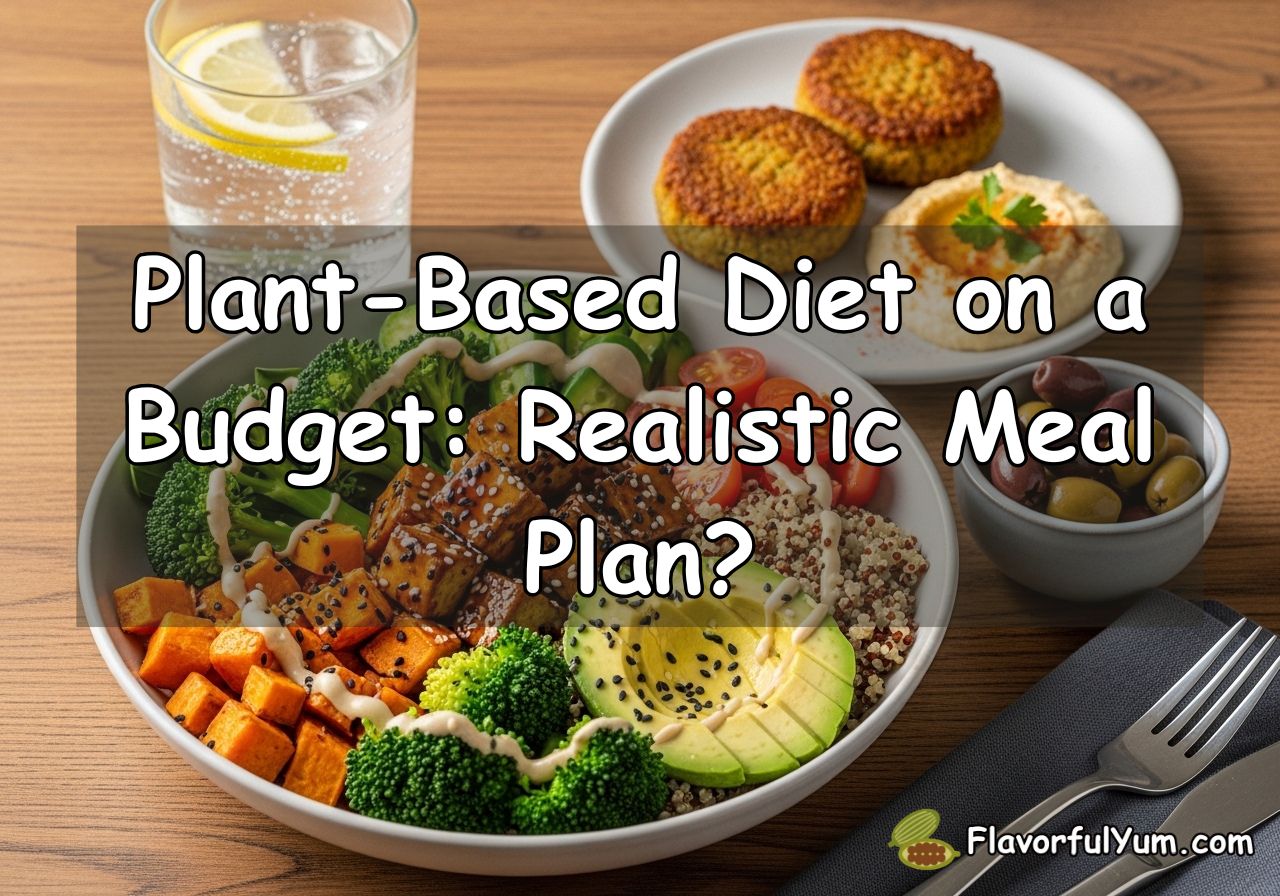
Eating plant-based does not have to cost a lot of money. Many people believe that plant-based eating requires specialty products and expensive ingredients. I once believed that too. After planning carefully, I learned that simple whole foods cost less than most processed meals.
In this guide, I share a realistic and affordable plant-based meal plan. I focus on low-cost staples, easy recipes, and practical tips. You can follow this plan whether you cook for one person or a family.

Why a Plant-Based Diet Can Be Affordable?
Plant-based meals rely on foods like beans, rice, lentils, oats, and vegetables. These foods cost less than meat and processed meals. When I switched to more plant-based meals, my grocery bill dropped.
Plant-based eating saves money because:
- Dry beans cost less than meat
- Lentils cook quickly and stretch meals
- Rice and oats are inexpensive staples
- Seasonal vegetables cost less
- Frozen produce reduces waste
Simple ingredients create filling meals at a low cost.
Budget-Friendly Plant-Based Staples
I build my weekly grocery list around affordable staples.
Low-Cost Proteins
Protein is important for balance and fullness. These plant-based options are affordable:
- Dry beans
- Canned beans
- Lentils
- Chickpeas
- Tofu
- Peanut butter
- Oats
Dry beans cost the least but require soaking. Canned beans save time.
Affordable Grains
Grains provide energy and keep meals filling.
- White or brown rice
- Pasta
- Oats
- Potatoes
- Whole wheat bread
- Corn tortillas
Buying grains in bulk reduces cost per serving.
Budget Vegetables
Vegetables add fiber and nutrients. I choose seasonal or frozen options.
- Carrots
- Onions
- Cabbage
- Potatoes
- Frozen broccoli
- Frozen mixed vegetables
- Spinach
Cabbage and carrots last long in the fridge.
Healthy Fats
Healthy fats improve flavor and satiety.
- Olive oil
- Canola oil
- Sunflower seeds
- Peanut butter
- Avocados (when on sale)
I buy oils in larger bottles to save money.
How to Plan a Budget Plant-Based Week?
I keep meal planning simple. I choose 2 to 3 main meals that use similar ingredients. This reduces waste and saves time.
I ask myself:
- What ingredients are on sale?
- What do I already have at home?
- Which meals use the same staples?
Repeating ingredients keeps costs low.
7-Day Realistic Plant-Based Meal Plan
This sample plan uses affordable ingredients. It avoids expensive meat substitutes.
Grocery List for the Week
Proteins:
- 1 pound dry lentils
- 2 cans black beans
- 2 cans chickpeas
- 1 block tofu
- Peanut butter
Grains:
- 2 cups dry rice
- 1 pound pasta
- Oats
- Whole wheat bread
- Corn tortillas
Vegetables:
- 1 head cabbage
- 1 bag carrots
- 2 onions
- 3 potatoes
- 1 bag frozen broccoli
- 1 bag frozen mixed vegetables
Pantry Items:
- Garlic
- Salt
- Pepper
- Chili powder
- Soy sauce
- Canned tomatoes
This list keeps costs low while offering variety.
Breakfast Ideas (Rotate Throughout the Week)
1. Oatmeal with Peanut Butter
I cook oats with water or plant milk. I add peanut butter and sliced banana if available.
This breakfast is:
- Filling
- Cheap
- High in fiber
2. Toast with Peanut Butter and Fruit
Whole wheat toast with peanut butter provides protein and healthy fat. I add fruit when available.
3. Savory Breakfast Bowl
I reheat rice and top it with sautéed vegetables and tofu. This option uses leftovers and reduces waste.
Lunch Options
1. Lentil Soup
I cook lentils with onions, carrots, canned tomatoes, and spices. Lentils cook quickly and require no soaking.
This soup lasts several days and freezes well.
2. Chickpea Salad Wrap
I mash chickpeas with a little oil, salt, and spices. I wrap the mixture in tortillas with shredded cabbage.
This lunch costs very little per serving.
3. Rice and Bean Bowl
Rice + black beans + sautéed vegetables create a balanced meal.
I change the flavor by adding:
- Salsa
- Soy sauce
- Lemon juice
Dinner Options
1. Vegetable Stir-Fry with Rice
I cook frozen vegetables with tofu and soy sauce. I serve over rice.
This meal uses inexpensive staples and cooks quickly.
2. Pasta with Lentil Tomato Sauce
I cook pasta and top it with lentils simmered in tomato sauce.
Lentils replace ground meat at a lower cost.
3. Bean and Potato Tacos
I cook diced potatoes with black beans and spices. I serve in corn tortillas with shredded cabbage.
This meal is filling and budget-friendly.
Weekly Meal Breakdown
Here is one example schedule:
Monday
- Breakfast: Oatmeal
- Lunch: Lentil soup
- Dinner: Stir-fry with rice
Tuesday
- Breakfast: Toast with peanut butter
- Lunch: Rice and bean bowl
- Dinner: Pasta with lentil sauce
Wednesday
- Breakfast: Savory rice bowl
- Lunch: Chickpea wrap
- Dinner: Bean and potato tacos
Thursday
- Breakfast: Oatmeal
- Lunch: Lentil soup
- Dinner: Stir-fry leftovers
Friday
- Breakfast: Toast
- Lunch: Rice bowl
- Dinner: Pasta leftovers
Saturday
- Breakfast: Oatmeal
- Lunch: Chickpea wrap
- Dinner: Taco night
Sunday
- Breakfast: Savory bowl
- Lunch: Soup
- Dinner: Mixed leftover bowl
Repeating meals reduces waste and saves money.
How to Batch Cook for the Week?
I dedicate 2 to 3 hours once a week to cook basics.
I prepare:
- Large pot of rice
- Lentil soup
- Cooked beans or open canned beans
- Roasted vegetables
- Cooked tofu
After cooking, I portion meals into containers.
Batch cooking reduces daily stress.
Cost-Saving Tips for Plant-Based Eating
I use these strategies to lower grocery costs:
- Buy dry beans instead of canned
- Shop store brands
- Compare price per ounce
- Buy seasonal produce
- Freeze leftovers
- Avoid expensive plant-based meat substitutes
Whole foods cost less than packaged vegan products.
Protein on a Budget
Many people worry about protein. I focus on combining beans, grains, and lentils.
Affordable protein combinations:
- Rice + beans
- Lentils + bread
- Peanut butter + toast
- Chickpeas + pasta
These combinations provide complete amino acids.
How to Avoid Food Waste?
Food waste increases grocery bills. I prevent waste by:
- Storing vegetables properly
- Using leftovers creatively
- Freezing extra portions
- Planning meals around expiring items
Cabbage and carrots last long, which reduces spoilage.
Simple Flavor Boosters on a Budget
I keep inexpensive seasonings on hand:
- Garlic powder
- Chili powder
- Paprika
- Soy sauce
- Vinegar
Changing spices creates new flavors from the same ingredients.
Plant-Based Snacks on a Budget
Snacks do not need to be expensive.
Cheap options include:
- Popcorn
- Apple slices with peanut butter
- Carrot sticks
- Roasted chickpeas
- Oat energy bites
Homemade snacks cost less than packaged ones.
How to Feed a Family on a Budget?
Plant-based meals scale easily for families.
Family-friendly budget meals:
- Large pot of chili with beans
- Baked pasta with lentils
- Vegetable fried rice
- Bean burritos
Cooking in bulk lowers cost per serving.
Common Budget Mistakes to Avoid
I avoid these common errors:
- Buying too many specialty vegan products
- Shopping without a list
- Ignoring sales
- Cooking too much variety
- Throwing away leftovers
Keeping meals simple reduces cost and stress.
My Personal Weekly Routine
Here is my weekly routine:
- Friday: Check pantry and plan meals
- Saturday: Shop for staples
- Sunday: Batch cook
- Weekdays: Reheat and rotate meals
This routine keeps my grocery budget stable.
How to Stay Consistent?
Consistency makes plant-based eating affordable.
I follow these habits:
- Repeat affordable meals
- Track grocery spending
- Keep staples stocked
- Focus on simple recipes
I do not aim for perfection. I focus on sustainability.
Final Thoughts
A plant-based diet on a budget is realistic and practical. Whole foods like beans, lentils, rice, oats, and vegetables provide nutrition at a low cost. Planning meals, buying staples in bulk, and cooking in batches make a big difference.
You do not need expensive meat alternatives to eat plant-based. Simple combinations of grains and legumes create balanced meals.
When I focus on affordable staples and consistent planning, I eat well without overspending. With a clear meal plan and smart shopping habits, you can follow a plant-based diet that supports both your health and your budget.
Start simple. Build around low-cost staples. Cook once. Eat well all week.

It’s Eliana Hazel. I’m a 33-year-old wife and mom of two from Tennessee who loves cooking fresh, simple meals for my family. I shop for veggies at Walmart, try new recipes, and add my own twist to make them special. When I’m not in the kitchen, I enjoy yoga, meditation, and catching up with my friends over green smoothies. Here, I share family-tested recipes, easy cooking tips, and a little inspiration to make your kitchen a happy place.
Related Posts

Previous Post
Next Post


Hey, y’all! I’m Hazel!
I’m SO happy you’re here! I’m passionate about cooking fresh, homemade meals for my family and love sharing recipes that are simple, healthy, and full of flavor. Here on my blog, I believe in making food with love, experimenting with ingredients, and turning everyday meals into something special. In short, I believe that cooking at home brings families closer and makes life more joyful. >>> Learn more