
Now Reading: Vegan Diet on a Budget: 10 Realistic Grocery Tips
-
01
Vegan Diet on a Budget: 10 Realistic Grocery Tips
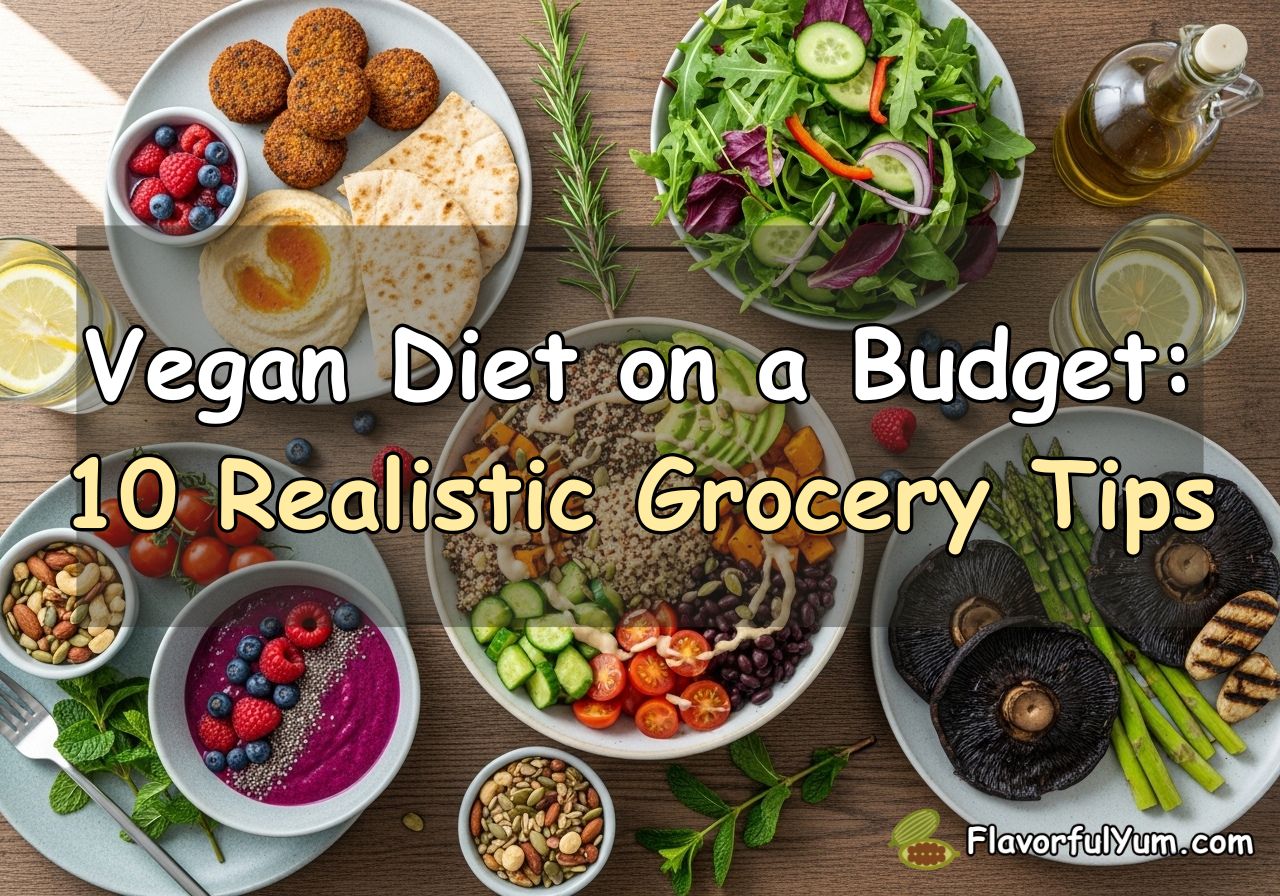
Many people believe a vegan diet costs more than a traditional diet. I once thought the same. I saw expensive plant-based meat products and specialty snacks and assumed vegan eating required a large budget. After changing my approach, I discovered something simple. A vegan diet built around whole foods can cost less than many standard grocery plans.
In this guide, I share realistic grocery tips for eating vegan on a budget. I focus on practical habits, affordable staples, and smart shopping strategies. You do not need expensive substitutes or trendy products. You need planning, consistency, and simple ingredients.

Why a Vegan Diet Can Be Affordable?
A vegan diet focuses on plant foods. Many of the most affordable grocery items are plant-based.
Low-cost staples include:
- Rice
- Beans
- Lentils
- Oats
- Potatoes
- Pasta
- Frozen vegetables
These foods provide energy, protein, and fiber at a low cost per serving. When I built my meals around these staples, my grocery bill dropped.
Step 1: Focus on Whole Foods, Not Specialty Products
The biggest budget mistake is buying too many packaged vegan items.
Examples of expensive items:
- Plant-based meat alternatives
- Vegan cheese substitutes
- Pre-packaged vegan snacks
- Specialty desserts
These items are convenient but costly.
Instead, I focus on:
- Dry beans
- Lentils
- Whole grains
- Fresh or frozen vegetables
- Nut butters
Whole foods provide more nutrition per dollar.
Step 2: Build Meals Around Cheap Staples
I always start my meal plan with affordable base ingredients.
Budget-Friendly Proteins
Protein does not need to be expensive.
Low-cost vegan protein options:
- Dry beans
- Canned beans
- Lentils
- Chickpeas
- Tofu
- Peanut butter
- Oats
Dry lentils are especially affordable. They cook quickly and do not require soaking.
Affordable Grains
Grains stretch meals and provide energy.
Cheap grain options include:
- White rice
- Brown rice
- Pasta
- Oats
- Corn tortillas
- Potatoes
Buying large bags reduces cost per serving.
Low-Cost Vegetables
Vegetables do not have to be expensive.
Budget options include:
- Carrots
- Onions
- Cabbage
- Potatoes
- Frozen broccoli
- Frozen mixed vegetables
- Seasonal produce
Frozen vegetables often cost less and last longer.
Step 3: Plan Before You Shop
Planning prevents overspending. I never shop without a list.
Before grocery shopping, I:
- Check what I already have
- Plan 4 to 5 simple dinners
- Choose meals that share ingredients
- Write a list organized by section
This reduces impulse purchases.
Step 4: Use Ingredient Overlap
Ingredient overlap reduces waste and saves money.
For example, if I buy cabbage, I use it in:
- Stir-fry
- Tacos
- Soups
- Salads
If I cook rice, I use it for:
- Rice bowls
- Fried rice
- Burritos
Repeating ingredients lowers cost and simplifies cooking.
Step 5: Compare Price Per Unit
I check the price per ounce or per pound. Larger packages often cost less per unit.
For example:
- A 5-pound bag of rice costs less per pound than a small bag
- Large containers of oats reduce long-term cost
I also compare store brands with name brands. Store brands often taste the same but cost less.
Step 6: Buy Dry Beans and Lentils
Dry beans cost significantly less than canned beans.
To prepare dry beans:
- Soak overnight
- Drain and rinse
- Boil until soft
Lentils do not require soaking. They cook in about 20 to 30 minutes.
Cooking beans at home reduces sodium and saves money.
Step 7: Limit Food Waste
Food waste increases grocery bills. I reduce waste by:
- Storing vegetables properly
- Freezing leftovers
- Using older produce first
- Planning meals around items that expire soon
Cabbage and carrots last longer than delicate greens.
Step 8: Choose Seasonal Produce
Seasonal produce costs less and tastes better.
In summer, I buy:
- Tomatoes
- Zucchini
- Corn
In winter, I buy:
- Potatoes
- Carrots
- Cabbage
Shopping seasonally lowers cost naturally.
Step 9: Cook at Home More Often
Cooking at home saves money. Restaurant vegan meals cost more than homemade meals.
When I prepare simple meals like rice and beans at home, I spend a fraction of the cost compared to eating out.
Batch cooking saves both time and money.
Step 10: Batch Cook for the Week
Batch cooking reduces daily cooking effort.
I cook:
- A large pot of rice
- A pot of lentil soup
- Roasted vegetables
- Cooked beans
Then I mix and match meals during the week.
This method prevents last-minute takeout spending.
Sample Budget Vegan Grocery List
Here is an example weekly grocery list:
Proteins:
- 1 pound lentils
- 2 cans black beans
- 1 block tofu
- Peanut butter
Grains:
- 2 cups dry rice
- 1 pound pasta
- Oats
- Whole wheat bread
Vegetables:
- 1 head cabbage
- 1 bag carrots
- 2 onions
- 3 potatoes
- 1 bag frozen broccoli
Pantry:
- Canned tomatoes
- Garlic
- Soy sauce
- Basic spices
This list creates multiple meals at low cost.
Simple Budget Vegan Meal Ideas
Breakfast
- Oatmeal with peanut butter
- Toast with peanut butter and banana
- Savory oats with vegetables
Lunch
- Lentil soup
- Chickpea salad wraps
- Rice and bean bowls
Dinner
- Stir-fry with tofu and rice
- Pasta with lentil tomato sauce
- Bean and potato tacos
Each meal uses affordable staples.
How to Keep Vegan Protein Affordable?
Protein concerns are common. I focus on combining foods.
Examples:
- Rice + beans
- Lentils + bread
- Chickpeas + pasta
- Peanut butter + oats
These combinations provide balanced amino acids.
Flavor Without Extra Cost
Flavor keeps meals interesting. I rely on low-cost seasonings.
Affordable flavor boosters:
- Garlic
- Onion
- Chili powder
- Soy sauce
- Vinegar
- Lemon juice
Changing spices transforms the same ingredients into different meals.
Smart Freezer Use
Freezers prevent waste.
I freeze:
- Cooked beans
- Cooked rice
- Soup portions
- Bread
Freezing extends food life and reduces spoilage.
Avoid These Budget Mistakes
I avoid these common errors:
- Buying too many plant-based meat alternatives
- Shopping without a list
- Trying too many new recipes at once
- Wasting leftovers
- Ignoring sales
Simple repetition saves money.
Feeding a Family on a Vegan Budget
Vegan meals scale easily for families.
Budget-friendly family meals include:
- Large pot of bean chili
- Baked pasta with lentils
- Vegetable fried rice
- Bean burritos
Cooking in bulk reduces cost per serving.
Tracking Grocery Spending
Tracking helps control spending.
I:
- Set a weekly grocery budget
- Keep receipts
- Review spending monthly
Small adjustments improve results.
My Weekly Vegan Budget Routine
My routine looks like this:
- Friday: Plan meals
- Saturday: Shop sales and staples
- Sunday: Batch cook
- Weekdays: Reheat and rotate
Consistency makes budgeting easier.
How to Stay Motivated?
Eating vegan on a budget requires realistic expectations.
I focus on:
- Progress, not perfection
- Repeating simple meals
- Keeping pantry staples stocked
- Learning one new recipe at a time
Simple habits create lasting results.
Final Thoughts
A vegan diet on a budget is realistic and practical. The key is building meals around affordable whole foods. Beans, lentils, rice, oats, and vegetables provide nutrition at low cost.
Planning before shopping, buying in bulk, reducing waste, and cooking at home make a major difference. Expensive substitutes are optional, not required.
When I focus on simple ingredients and consistent habits, I eat well without overspending. With smart grocery tips and realistic planning, a vegan diet can support both your health and your wallet.
Start with staples. Plan ahead. Cook in batches. Keep it simple. Over time, these habits reduce grocery costs and make vegan eating sustainable for the long term.

It’s Eliana Hazel. I’m a 33-year-old wife and mom of two from Tennessee who loves cooking fresh, simple meals for my family. I shop for veggies at Walmart, try new recipes, and add my own twist to make them special. When I’m not in the kitchen, I enjoy yoga, meditation, and catching up with my friends over green smoothies. Here, I share family-tested recipes, easy cooking tips, and a little inspiration to make your kitchen a happy place.
Related Posts

Previous Post
Next Post



Hey, y’all! I’m Hazel!
I’m SO happy you’re here! I’m passionate about cooking fresh, homemade meals for my family and love sharing recipes that are simple, healthy, and full of flavor. Here on my blog, I believe in making food with love, experimenting with ingredients, and turning everyday meals into something special. In short, I believe that cooking at home brings families closer and makes life more joyful. >>> Learn more