
Now Reading: Why Am I Not Losing Weight on Paleo?
-
01
Why Am I Not Losing Weight on Paleo?
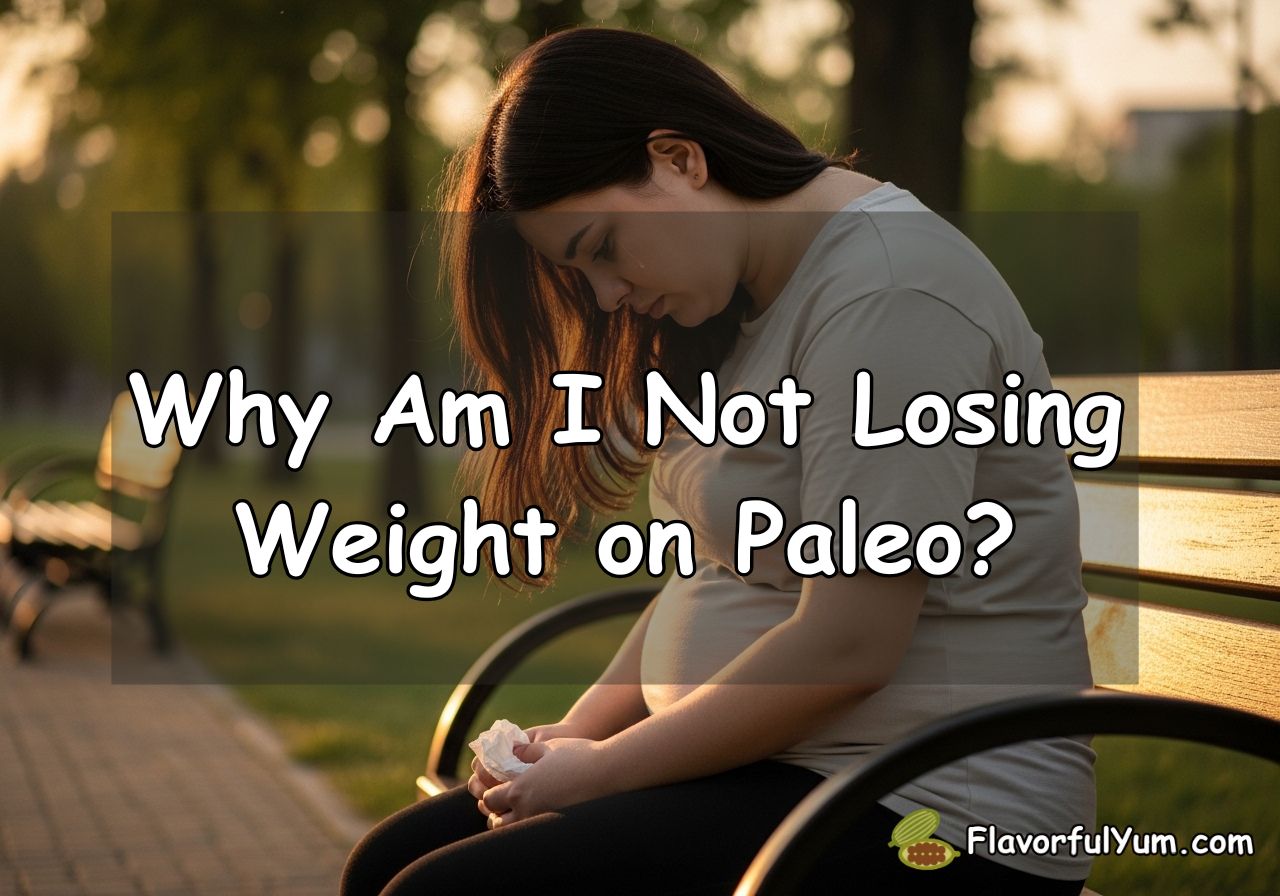
Following the Paleo diet can feel straightforward at first—eat meat, vegetables, fruits, nuts, and healthy fats. Yet, many people wonder why the scale does not move, even when they are “doing everything right.” I experienced this myself when I started Paleo. I ate clean, avoided processed foods, and still felt stuck. The truth is, weight loss on Paleo is influenced by multiple factors beyond just eating Paleo-approved foods.
In this guide, I explain why you might not be losing weight on Paleo, explore common pitfalls, and provide actionable strategies to get results without abandoning the principles of the diet.

What Is the Paleo Diet?
The Paleo diet focuses on eating like our ancestors:
- Meat, fish, poultry
- Vegetables
- Fruits
- Nuts and seeds
- Healthy fats (olive oil, avocado, coconut)
It excludes:
- Processed foods
- Sugar and sweeteners
- Grains and legumes
- Dairy (in most versions)
- Refined oils
The goal is to reduce inflammation, improve blood sugar, and promote nutrient-dense eating. Paleo can help with weight loss, but only if approached carefully.
Why Paleo Alone Does Not Guarantee Weight Loss?
Even on Paleo, weight loss can stall for several reasons:
- Calorie Surplus – Eating too many calories, even from Paleo foods, prevents fat loss.
- Hidden Carbs and Sugar – Some fruits, honey, or Paleo snacks contain more sugar than expected.
- Portion Size Issues – Large servings of nuts, seeds, or starchy vegetables can add up.
- Lack of Exercise – Diet alone may not be enough for weight loss.
- Hormonal or Metabolic Factors – Thyroid, insulin, and stress hormones affect weight.
- Sleep and Stress – Poor sleep or chronic stress can stall fat loss.
Understanding these factors helps address why the scale might not move.
Hidden Calorie Sources on Paleo
Even healthy foods have calories. Common Paleo foods that may contribute to a calorie surplus include:
- Nuts and nut butters
- Dried fruit
- Coconut milk or cream
- Avocado in large amounts
- Paleo-friendly baked goods
I learned that tracking portion sizes was critical. A handful of almonds is fine, but multiple handfuls can easily add 300–400 calories.
Carbs on Paleo Can Still Affect Weight
Paleo does not restrict carbohydrates strictly. Some foods can spike blood sugar and slow fat loss if consumed in excess:
- Sweet potatoes
- White potatoes
- Bananas and other high-sugar fruits
- Honey and maple syrup
Even natural carbs can add up. If weight loss stalls, reducing starchy vegetables or high-sugar fruits may help.
Portion Control Is Essential
I realized that eating too much of even the healthiest foods can prevent weight loss. Strategies that help include:
- Using smaller plates to manage portion sizes
- Tracking meals for a few days to understand calorie intake
- Paying attention to hunger cues rather than eating until stuffed
Portion control works hand-in-hand with Paleo principles.
Overeating Nuts and Seeds
Nuts and seeds are nutrient-dense but calorie-heavy. A tablespoon of almond butter has roughly 100 calories. A handful of mixed nuts can be 200 calories or more.
I learned to measure servings rather than eating directly from the bag. Controlled portions allow me to enjoy these foods without sabotaging weight loss.
Paleo Snacks Can Stall Weight Loss
Paleo-friendly snacks such as energy bars, protein balls, or fruit-and-nut mixes may seem healthy but can be calorie-dense.
I approach snacks carefully:
- Limit to one portion per day
- Pair with protein to reduce cravings
- Track carb content if weight loss stalls
Mindless snacking can add hundreds of calories without realizing it.
Overconsumption of Starchy Vegetables
Sweet potatoes, carrots, and squash are healthy but higher in carbohydrates. Eating large portions without adjusting other carbs can stall fat loss.
I reduced starchy vegetables slightly while increasing leafy greens and non-starchy vegetables. This keeps meals filling but reduces total calories and carbs.
Liquid Calories
Drinks can add hidden calories:
- Fruit juice
- Smoothies with honey or high-carb fruits
- Alcohol (even wine or Paleo-friendly cocktails)
I switched to water, herbal tea, or black coffee to avoid hidden calorie intake.
Lack of Strength Training
Paleo emphasizes whole foods but not exercise. I found that combining strength training with Paleo helped increase metabolism and maintain muscle mass.
Muscle burns more calories at rest, so building lean muscle aids weight loss even when calorie intake is modest.
Chronic Stress and Cortisol
Stress increases cortisol, which can:
- Promote fat storage, especially around the belly
- Increase cravings for high-calorie foods
- Disrupt sleep and recovery
Even on Paleo, chronic stress can prevent fat loss. I manage stress through meditation, walking, and consistent sleep routines.
Poor Sleep
Sleep affects hormones like leptin and ghrelin, which control hunger and satiety.
I noticed weight loss slowed when I slept less than 7 hours per night. Prioritizing sleep improved fat loss without changing diet composition.
Medical or Hormonal Factors
Some conditions affect weight loss even on Paleo:
- Hypothyroidism
- Insulin resistance or type 2 diabetes
- PCOS (polycystic ovary syndrome)
- Hormonal imbalances during menopause
If weight loss stalls despite consistent Paleo eating and exercise, I recommend consulting a healthcare provider to check for underlying conditions.
Paleo-Friendly Strategies for Weight Loss
1. Track Your Intake
Even on Paleo, tracking meals helps identify hidden calories. I use apps or a simple notebook to record:
- Protein, carb, and fat intake
- Portion sizes
- Snacks and beverages
Tracking shows patterns that may prevent weight loss.
2. Focus on Non-Starchy Vegetables
Non-starchy vegetables are low in calories and high in fiber, helping with fullness. I prioritize:
- Leafy greens
- Broccoli, cauliflower, zucchini
- Peppers and mushrooms
- Cucumbers and asparagus
These help me feel full without excess calories.
3. Balance Protein
Protein is crucial for satiety and muscle maintenance. I include:
- Lean meats
- Fish
- Eggs
- Tofu or tempeh if vegetarian-friendly Paleo
Adequate protein reduces cravings and supports metabolism.
4. Mindful Fat Consumption
Healthy fats are central to Paleo, but portion control matters. I measure:
- 1–2 tablespoons of oils or nut butter per meal
- 1–2 ounces of nuts per snack
- 1/4–1/2 avocado per meal
I still enjoy fats but remain aware of calorie density.
5. Reduce Hidden Sugars
Even natural sugars can stall fat loss. I limit:
- Honey or maple syrup
- High-sugar fruits like mango or banana
- Paleo desserts
I focus on lower-sugar fruits such as berries and keep desserts occasional.
6. Plan Meals and Snacks
I plan meals around protein and vegetables, adding moderate healthy fats. Snacks are optional and controlled. Planning prevents impulse eating and hidden calorie intake.
7. Incorporate Exercise
Exercise accelerates fat loss. I focus on:
- Strength training 2–3 times per week
- Walking or low-intensity cardio daily
- HIIT sessions 1–2 times per week if appropriate
Exercise complements Paleo and supports calorie balance.
8. Hydration
I drink water consistently. Sometimes thirst feels like hunger, which can lead to overeating. Adequate hydration helps regulate appetite and metabolism.
9. Manage Stress and Sleep
Managing stress and prioritizing sleep supports hormones that regulate weight.
- Aim for 7–9 hours of sleep per night
- Use meditation, yoga, or breathing exercises for stress
Healthy habits amplify Paleo’s benefits.
10. Patience and Consistency
Weight loss is not linear. I track progress weekly rather than daily.
Even when following Paleo perfectly, plateaus can happen. Consistency, not perfection, determines long-term success.
Real-Life Meal Example on Paleo for Weight Loss
Breakfast:
- 3 eggs scrambled with spinach and mushrooms
- 1/4 avocado
Snack (optional):
- 10 almonds or 1 boiled egg
Lunch:
- Grilled chicken salad with leafy greens, cucumber, tomato
- Olive oil and lemon dressing
Snack (optional):
- Celery sticks with 1 tablespoon almond butter
Dinner:
- Baked salmon with roasted broccoli and cauliflower
- Small portion of sweet potato (optional)
This plan balances protein, healthy fats, non-starchy vegetables, and moderate carbs. Portion control is key.
Common Paleo Weight Loss Mistakes
- Eating too many nuts and seeds
- Relying on starchy vegetables and fruits
- Drinking high-calorie beverages
- Skipping strength training
- Ignoring sleep and stress
Recognizing these mistakes helps break plateaus.
When to Seek Professional Guidance?
If weight loss stalls for months despite following Paleo, consult a professional. Nutritionists or doctors can evaluate:
- Hormonal or metabolic issues
- Nutrient deficiencies
- Underlying medical conditions
Professional support can identify barriers that self-monitoring may miss.
Final Thoughts
Not losing weight on Paleo is common and usually has clear causes. Hidden calories, high-carb fruits or starchy vegetables, portion sizes, and lifestyle factors can prevent fat loss.
I learned that weight loss on Paleo is not just about following the diet—it’s about:
- Tracking intake
- Balancing protein, fat, and carbs
- Exercising
- Managing sleep and stress
- Being patient and consistent
When approached mindfully, Paleo can promote healthy weight loss. It requires awareness, portion control, and a holistic approach to diet and lifestyle.
The key takeaway: You can succeed on Paleo by focusing on whole foods, controlling portions, and addressing lifestyle factors. Weight loss will follow when the fundamentals are in place, even if it takes patience and small adjustments.

It’s Eliana Hazel. I’m a 33-year-old wife and mom of two from Tennessee who loves cooking fresh, simple meals for my family. I shop for veggies at Walmart, try new recipes, and add my own twist to make them special. When I’m not in the kitchen, I enjoy yoga, meditation, and catching up with my friends over green smoothies. Here, I share family-tested recipes, easy cooking tips, and a little inspiration to make your kitchen a happy place.
Related Posts
Previous Post
Next Post
Previous Post

Next Post


Hey, y’all! I’m Hazel!
I’m SO happy you’re here! I’m passionate about cooking fresh, homemade meals for my family and love sharing recipes that are simple, healthy, and full of flavor. Here on my blog, I believe in making food with love, experimenting with ingredients, and turning everyday meals into something special. In short, I believe that cooking at home brings families closer and makes life more joyful. >>> Learn more