
Now Reading: How to Eat Plant-Based When Your Family Eats Meat?
-
01
How to Eat Plant-Based When Your Family Eats Meat?

I chose to eat plant-based, but my family still eats meat. At first, I felt unsure about how to manage meals. I did not want to cook two completely separate dinners every night. I also did not want tension at the table. Over time, I built a simple system that works for everyone.
In this guide, I explain how to eat plant-based when your family eats meat. I share clear steps, practical meal ideas, and habits that reduce stress.

Start with Clear Communication
I began by explaining my choice calmly. I did not criticize anyone else’s food. I focused on my reasons.
You can say:
- “I feel better when I eat more plants.”
- “I want to try this way of eating for my health.”
- “This works well for me.”
Keep the tone respectful. Food connects to culture and habits. Clear communication reduces conflict.
Avoid Cooking Two Separate Meals
Cooking two full meals every night causes stress. I learned to build one base meal with flexible parts.
This method works well:
- Cook a plant-based base.
- Add meat as an optional side.
This system saves time and energy.
Build Meals Around Plant-Based Foundations
I focus on meals that start with vegetables, grains, and legumes. Then I add optional protein choices.
Here are simple examples.
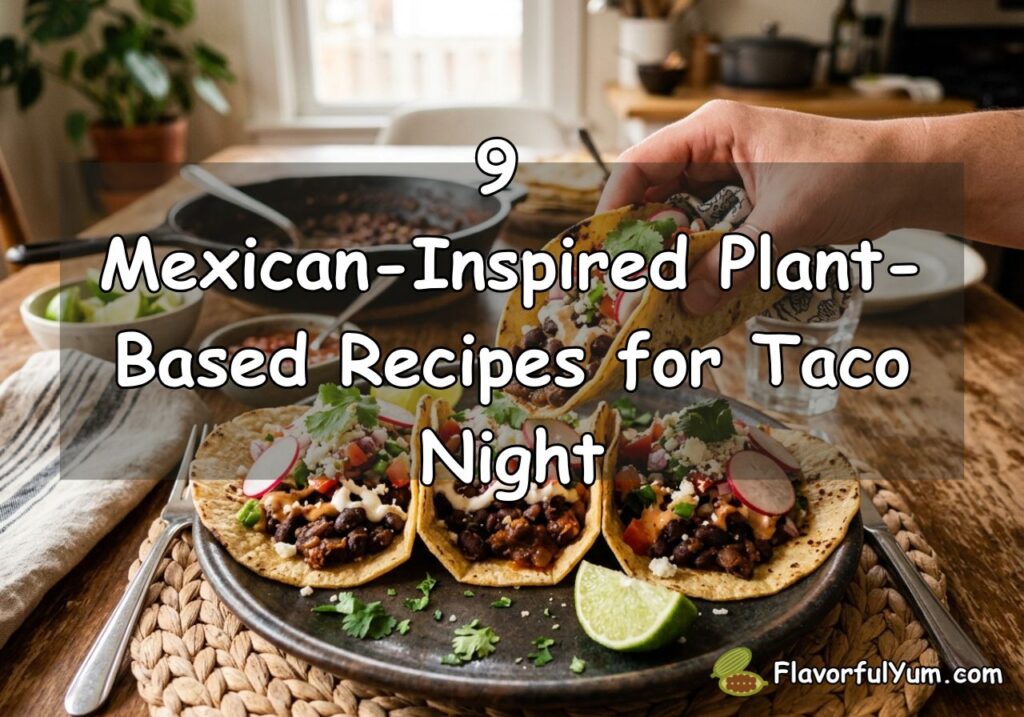
Taco Night
Base ingredients:
- Corn or flour tortillas
- Black beans or pinto beans
- Rice
- Sautéed peppers and onions
- Salsa
- Avocado
For family members who eat meat, I cook seasoned ground beef or chicken separately.
Everyone builds their own tacos. I fill mine with beans and vegetables. Others add meat if they want it.
One meal. Many choices.
Pasta Night
Base ingredients:
- Pasta
- Tomato sauce
- Garlic
- Spinach or mushrooms
I cook lentils or white beans into the sauce for plant-based protein. If others want meat, I cook meatballs on the side.
The main dish stays the same. Protein options differ.
Stir-Fry
Base ingredients:
- Brown rice or noodles
- Mixed vegetables
- Soy sauce or garlic sauce
- Tofu or edamame
If needed, I cook chicken or beef in a separate pan.
Everyone serves themselves from shared bowls.
Focus on Protein Variety
One common concern is protein. I make sure my meals include strong plant-based protein sources.
Reliable plant proteins include:
- Lentils
- Chickpeas
- Black beans
- Tofu
- Tempeh
- Edamame
- Quinoa
- Nuts and seeds
I include one protein source at every meal. This habit keeps me full and energized.
Prepare Components in Advance
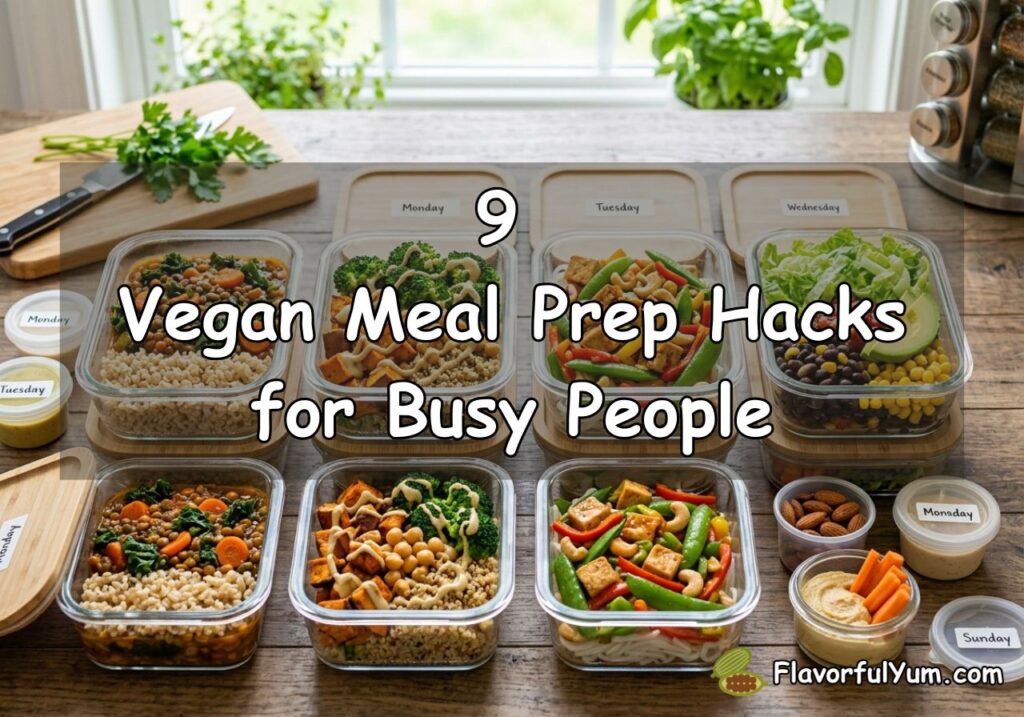
Meal prep reduces daily effort. I cook large batches of:
- Rice
- Quinoa
- Lentils
- Roasted vegetables
I store them in containers in the fridge. During the week, I combine them in different ways.
This approach makes it easy to build quick meals without extra cooking.
Keep Meals Familiar
I do not create complex dishes every night. I adapt meals my family already enjoys.
Examples:
- Burgers → I use a black bean patty. Others use beef.
- Chili → I make a bean-based chili. Others add ground meat if desired.
- Pizza → I load mine with vegetables. Others add meat toppings.
Familiar meals reduce resistance.
Create Balanced Plates
When my family eats meat, their plate often centers on protein. I build my plate differently.
My balanced plate includes:
- Half vegetables
- One quarter whole grains
- One quarter plant protein
This structure keeps meals filling and nutritious.
Respect Individual Preferences
I do not pressure anyone to change their diet. Respect builds peace.
If someone wants meat, I allow it without judgment. I focus on my own choices.
Positive behavior influences others more than criticism.
Grocery Shopping Strategy
I organize my shopping list into categories:
Produce
Legumes
Whole grains
Plant-based proteins
Dairy alternatives (if needed)
I also buy small amounts of meat if others request it. Buying less meat reduces cost and waste.
I prioritize whole foods over processed plant-based products.
Budget-Friendly Plant-Based Staples
Eating plant-based can cost less than meat-heavy diets.
Affordable staples include:
- Dry beans
- Brown rice
- Oats
- Potatoes
- Carrots
- Cabbage
- Lentils
I cook dry beans in large batches and freeze portions. This habit saves money.
Handle Social Situations at Home
Family gatherings can feel challenging.
I offer to bring a plant-based dish. I prepare enough for myself and anyone curious to try it.
Popular options include:
- Pasta salad with vegetables
- Roasted vegetable trays
- Hummus with fresh bread
- Bean-based chili
Sharing food builds connection.
Quick Plant-Based Meal Ideas for Busy Nights
Busy evenings require simple meals.
Here are quick options:
- Avocado toast with chickpeas
- Peanut butter sandwich with fruit
- Vegetable omelet (if you eat eggs)
- Lentil soup with bread
- Smoothie with spinach and protein-rich seeds
I keep ingredients ready for fast assembly.
Involve Family in Meal Planning
I invite my family to choose meals. We create a weekly menu together.
This method:
- Reduces complaints
- Encourages compromise
- Builds shared ownership
If someone requests a meat-based meal, I plan a plant-based alternative using the same base.
Avoid Common Mistakes
I made mistakes at first. I corrected them over time.
Mistake 1: Overcomplicating Recipes
Complex recipes require time and special ingredients. I now keep meals simple.
Mistake 2: Skipping Protein
Low protein caused hunger. I now include beans, tofu, or lentils in every main meal.
Mistake 3: Comparing Plates
Comparison creates tension. I focus on my own plate.
Mistake 4: Not Eating Enough
Plant-based meals require enough calories. I add healthy fats like nuts, seeds, and olive oil.
Keep Healthy Snacks Available
Snacks prevent frustration.
I keep:
- Nuts
- Fresh fruit
- Hummus
- Carrot sticks
- Trail mix
- Yogurt alternatives
When others snack on meat-based foods, I have satisfying options ready.
Teach Children About Food Variety
If children live in your home, explain plant-based choices in simple terms.
Focus on:
- Variety
- Colors
- Nutrients
- Strength and energy
Children learn by watching behavior.
Create a Flexible Mindset
Flexibility reduces stress.
Some families adopt “Meatless Monday.” Others choose one plant-based meal per day.
Even small changes create balance.
You do not need perfection. You need consistency.
Example Weekly Meal Plan
Here is a simple mixed-diet weekly plan.
- Monday: Vegetable stir-fry with tofu (chicken optional)
- Tuesday: Tacos with beans (beef optional)
- Wednesday: Lentil soup with bread
- Thursday: Pasta with tomato sauce (meatballs optional)
- Friday: Homemade pizza with vegetable toppings
- Saturday: Grain bowls with roasted vegetables
- Sunday: Family choice meal with plant-based option
This structure keeps everyone satisfied.
How I Stay Motivated
I remind myself why I chose this lifestyle. I focus on how I feel after eating balanced plant-based meals.
I notice:
- Steady energy
- Light digestion
- Strong focus
These benefits keep me consistent.
Address Nutrient Concerns
If you eat fully plant-based, pay attention to:
- Vitamin B12
- Iron
- Omega-3 fats
- Calcium
I include fortified foods or supplements when needed. A healthcare professional can guide you.
Maintain a Positive Kitchen Atmosphere
Food should bring people together. I avoid arguments at the table.
I celebrate:
- Shared meals
- New recipes
- Fresh ingredients
Kindness improves every meal.
Final Thoughts
Eating plant-based when your family eats meat requires planning and patience. It does not require conflict.
Focus on:
- Shared base meals
- Flexible protein options
- Simple ingredients
- Respectful communication
- Balanced nutrition
I learned that small systems create smooth routines. I cook one foundation meal and allow choices. This method saves time and protects harmony.
You can build a plant-based lifestyle without separating from your family. Start with one shared meal this week. Adjust slowly. Stay consistent.
Over time, your kitchen will feel organized, peaceful, and supportive of everyone’s needs.

It’s Eliana Hazel. I’m a 33-year-old wife and mom of two from Tennessee who loves cooking fresh, simple meals for my family. I shop for veggies at Walmart, try new recipes, and add my own twist to make them special. When I’m not in the kitchen, I enjoy yoga, meditation, and catching up with my friends over green smoothies. Here, I share family-tested recipes, easy cooking tips, and a little inspiration to make your kitchen a happy place.
Related Posts

Previous Post
Next Post
Previous Post

Next Post


Hey, y’all! I’m Hazel!
I’m SO happy you’re here! I’m passionate about cooking fresh, homemade meals for my family and love sharing recipes that are simple, healthy, and full of flavor. Here on my blog, I believe in making food with love, experimenting with ingredients, and turning everyday meals into something special. In short, I believe that cooking at home brings families closer and makes life more joyful. >>> Learn more