
Now Reading: The Science Behind Plant-Based Diets and Gut Health
-
01
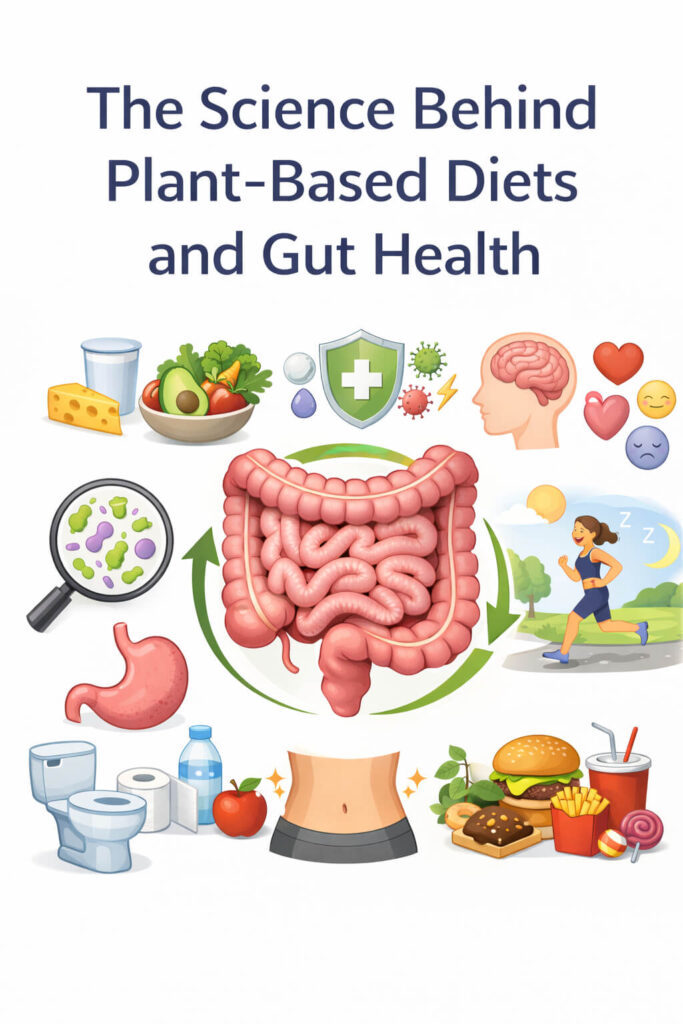
The Science Behind Plant-Based Diets and Gut Health

Gut health is more important than most people realize. I often hear people talk about digestion, bloating, or gut discomfort, but few understand how food impacts the gut microbiome. A plant-based diet can play a huge role in maintaining a healthy gut. In this article, I explain the science behind plant-based diets and gut health. I focus on simple explanations and practical insights so you can make informed decisions about your diet.
What Is Gut Health?
Gut health refers to how well your digestive system works. It also includes the balance of microorganisms in your intestines. These microorganisms include bacteria, fungi, viruses, and other microbes. Collectively, they form the gut microbiome.
A healthy gut helps your body:
- Digest food efficiently
- Absorb nutrients
- Produce vitamins
- Protect against harmful bacteria
When your gut is out of balance, you may experience:
- Gas and bloating
- Constipation or diarrhea
- Fatigue
- Mood changes
The gut also communicates with your brain through the gut-brain axis. That is why gut health can affect mood, stress levels, and even sleep.
What Is a Plant-Based Diet?
A plant-based diet focuses on foods from plants. This includes:
- Vegetables
- Fruits
- Legumes
- Nuts and seeds
- Whole grains
Some people also include small amounts of animal products, but the focus is on plant foods.
Plant-based diets differ from vegetarian or vegan diets. I find it helpful to think of it as a spectrum:
- Vegan: excludes all animal products
- Vegetarian: excludes meat and fish, may include eggs or dairy
- Plant-based: emphasizes plants but can include limited animal products
The emphasis on whole plant foods matters most for gut health.
How Plant-Based Diets Affect the Gut?
The gut microbiome thrives on fiber. Plants are rich in fiber, which humans cannot fully digest. When fiber reaches the large intestine, gut bacteria ferment it. This process produces short-chain fatty acids (SCFAs).
SCFAs have several benefits:
- Reduce inflammation in the gut
- Strengthen the intestinal lining
- Support immune function
- Provide energy to cells in the colon
I noticed that when I increased my intake of beans, lentils, and leafy greens, my digestion improved within weeks. The fiber fed my gut bacteria, and I felt less bloated and more energetic.
The Role of Fiber
Fiber comes in two main types:
1. Soluble Fiber
Soluble fiber dissolves in water and forms a gel-like substance. It helps slow digestion and stabilize blood sugar. Foods high in soluble fiber include:
- Oats
- Apples
- Beans
- Lentils
- Carrots
Soluble fiber also feeds beneficial gut bacteria, encouraging a diverse microbiome.
2. Insoluble Fiber
Insoluble fiber does not dissolve in water. It adds bulk to stool and helps prevent constipation. Foods high in insoluble fiber include:
- Whole wheat
- Nuts
- Seeds
- Leafy greens
- Broccoli
Both types of fiber work together to support gut health.
Polyphenols and Gut Health
Plant foods contain polyphenols, which are natural compounds with antioxidant properties. Polyphenols support gut health in two ways:
- They feed beneficial gut bacteria
- They reduce harmful inflammation
I include foods like berries, green tea, dark chocolate, and colorful vegetables in my diet for this reason. Even small amounts of polyphenol-rich foods can have measurable effects on gut microbiota.
Fermented Plant Foods
Fermented foods are another powerful tool for gut health. Fermentation produces probiotics—live beneficial bacteria. These bacteria can colonize the gut and improve balance.
Examples of fermented plant foods include:
- Sauerkraut
- Kimchi
- Miso
- Kombucha
- Tempeh
I add a small serving of fermented food daily. It enhances digestion and adds flavor to meals.
Plant-Based Diets Reduce Harmful Bacteria
A diet high in animal fats and processed foods can increase harmful bacteria in the gut. These bacteria produce compounds linked to inflammation, heart disease, and poor digestion.
In contrast, plant-based diets encourage beneficial bacteria. Studies show that people who eat mostly plants have:
- Greater microbiome diversity
- More SCFA-producing bacteria
- Lower levels of inflammation
I noticed that when I minimized processed foods and focused on vegetables, legumes, and grains, I experienced fewer digestive issues and improved energy.
The Gut-Brain Connection
Your gut communicates with your brain. This communication affects mood, stress, and cognitive function. Beneficial gut bacteria produce neurotransmitters like serotonin and GABA.
A plant-based diet supports these bacteria, which may improve:
- Mood regulation
- Stress resilience
- Sleep quality
I often remind myself that what I eat affects not just my digestion but also how I feel mentally.
Common Myths About Plant-Based Diets and Gut Health
Myth 1: Plant-Based Diets Lack Protein
This is false. Legumes, tofu, tempeh, nuts, seeds, and whole grains provide adequate protein when balanced.
Myth 2: Fiber Causes Excess Gas
Fiber can cause temporary gas as gut bacteria adjust. Gradually increasing fiber intake reduces discomfort.
Myth 3: You Must Be Vegan for Gut Health
Even a diet with some animal products can support gut health if the focus is on whole plant foods.
How to Transition to a Gut-Friendly Plant-Based Diet?
I recommend a gradual approach to avoid digestive upset:
- Start by adding more vegetables to each meal.
- Introduce beans, lentils, and whole grains slowly.
- Include fermented foods regularly.
- Drink plenty of water to support fiber digestion.
- Limit processed foods and refined sugars.
Tracking your meals and how you feel helps you adjust the diet effectively.
Sample Plant-Based Meal Plan for Gut Health
Here is a simple plan I often follow:
- Breakfast: Oatmeal with berries, chia seeds, and a splash of almond milk
- Snack: Apple slices with almond butter
- Lunch: Lentil salad with leafy greens, carrots, and pumpkin seeds
- Snack: Sauerkraut on whole-grain crackers
- Dinner: Stir-fried vegetables with tofu and quinoa
- Optional: Herbal tea or kombucha
This plan provides fiber, polyphenols, and fermented foods.
Special Considerations
1. Fiber Sensitivity
Some people experience bloating or gas with high fiber. Start slowly and track tolerance.
2. Nutrient Balance
Ensure sufficient vitamin B12, iron, calcium, and omega-3 intake. Plant-based sources include fortified foods, leafy greens, and chia or flax seeds.
3. Individual Variation
Each person’s gut microbiome is unique. What works for me may need adjustments for you. Listen to your body and consult a healthcare professional when necessary.
Scientific Studies Supporting Plant-Based Diets
Research consistently supports plant-based diets for gut health. Some findings include:
- People eating high-fiber diets have more diverse microbiomes.
- SCFA production increases with plant-based meals.
- Fermented foods improve microbiome diversity in as little as three weeks.
These studies show that the gut responds quickly to dietary changes.
Practical Tips for Everyday Life
- Plan meals in advance: I avoid last-minute processed foods.
- Cook at home: Preparing meals lets me control ingredients.
- Add variety: Different vegetables feed different bacteria.
- Stay hydrated: Water aids digestion and fiber absorption.
- Monitor your gut: Keep a journal to track changes and symptoms.
Personal Reflection
I switched to a plant-based diet over a year ago. I noticed improvements in digestion, energy levels, and mood. The key change was focusing on whole plant foods and fermented items.
The science behind plant-based diets shows that our gut microbiome is adaptable. By feeding it the right foods, we can improve digestion, support immunity, and enhance overall well-being.
Common Questions About Plant-Based Diets and Gut Health
Q: Do I need supplements?
A: It depends. Vitamin B12 is essential. Some people also need iron or omega-3 supplements if intake from food is low.
Q: How long does it take to see results?
A: Some people notice improvements in a few weeks. Microbiome diversity can change in as little as three weeks.
Q: Can I eat animal products?
A: Yes. A plant-based diet emphasizes plants but allows small amounts of animal products if desired.
Conclusion
Plant-based diets and gut health are closely connected. Fiber, polyphenols, and fermented foods support a diverse and balanced microbiome. A healthy gut improves digestion, immunity, and even mood.
I encourage you to gradually include more plant foods in your meals, focus on fiber and fermentation, and pay attention to your gut signals. Small, consistent changes make a big difference over time.
Pin this guide to reference later. Understanding the science behind plant-based diets empowers you to make choices that support your gut and overall health.

It’s Eliana Hazel. I’m a 33-year-old wife and mom of two from Tennessee who loves cooking fresh, simple meals for my family. I shop for veggies at Walmart, try new recipes, and add my own twist to make them special. When I’m not in the kitchen, I enjoy yoga, meditation, and catching up with my friends over green smoothies. Here, I share family-tested recipes, easy cooking tips, and a little inspiration to make your kitchen a happy place.
Related Posts



Previous Post
Next Post


Hey, y’all! I’m Hazel!
I’m SO happy you’re here! I’m passionate about cooking fresh, homemade meals for my family and love sharing recipes that are simple, healthy, and full of flavor. Here on my blog, I believe in making food with love, experimenting with ingredients, and turning everyday meals into something special. In short, I believe that cooking at home brings families closer and makes life more joyful. >>> Learn more