
Now Reading: What Are the Most Important Kitchen Safety Tools?
-
01
What Are the Most Important Kitchen Safety Tools?
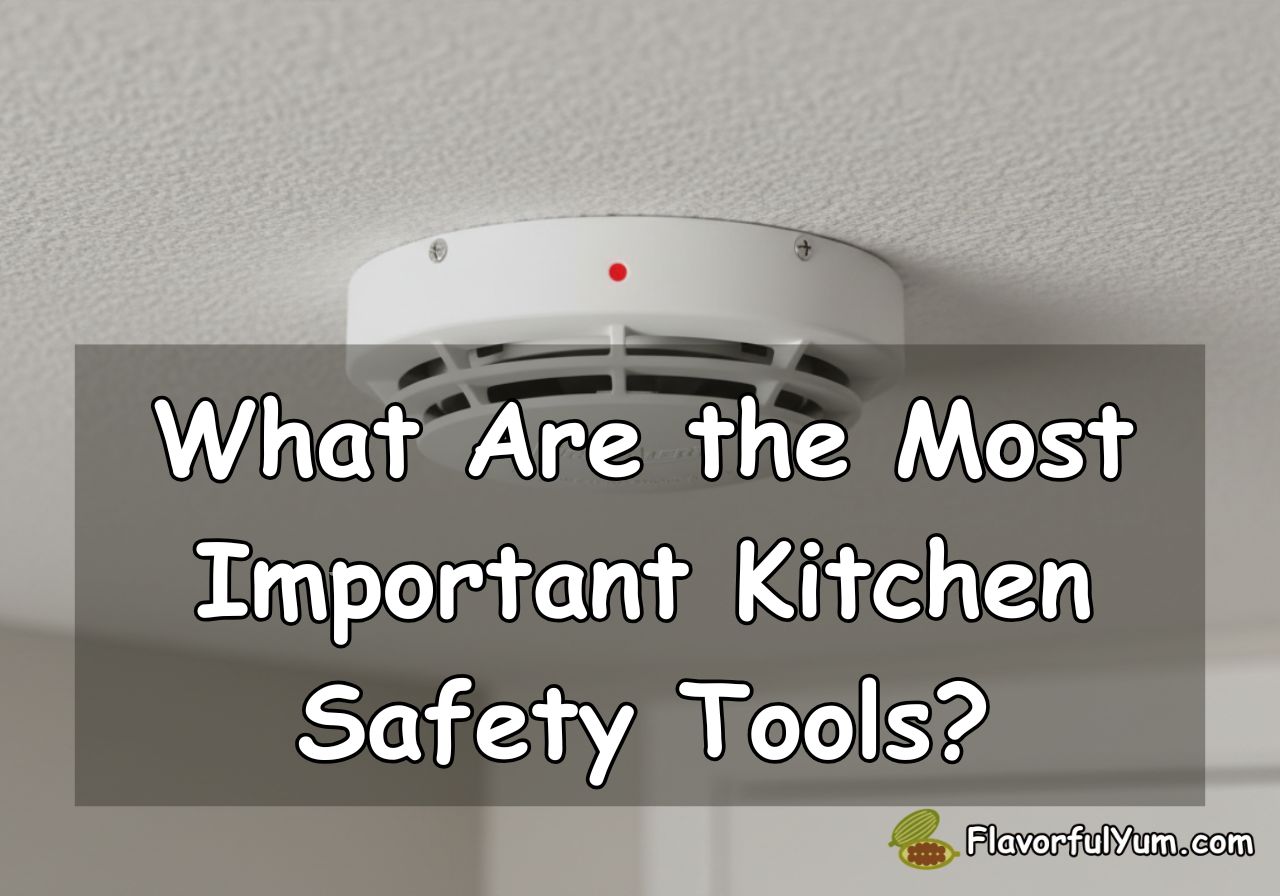
I love cooking at home, but I take safety seriously. A kitchen holds sharp blades, hot surfaces, open flames, and electrical tools. Small mistakes can cause burns, cuts, or fires. The right safety tools reduce those risks.
In this guide, I explain the most important kitchen safety tools, how they work, and why I keep them within reach. Each tool serves a clear purpose. Each tool protects my family and me.
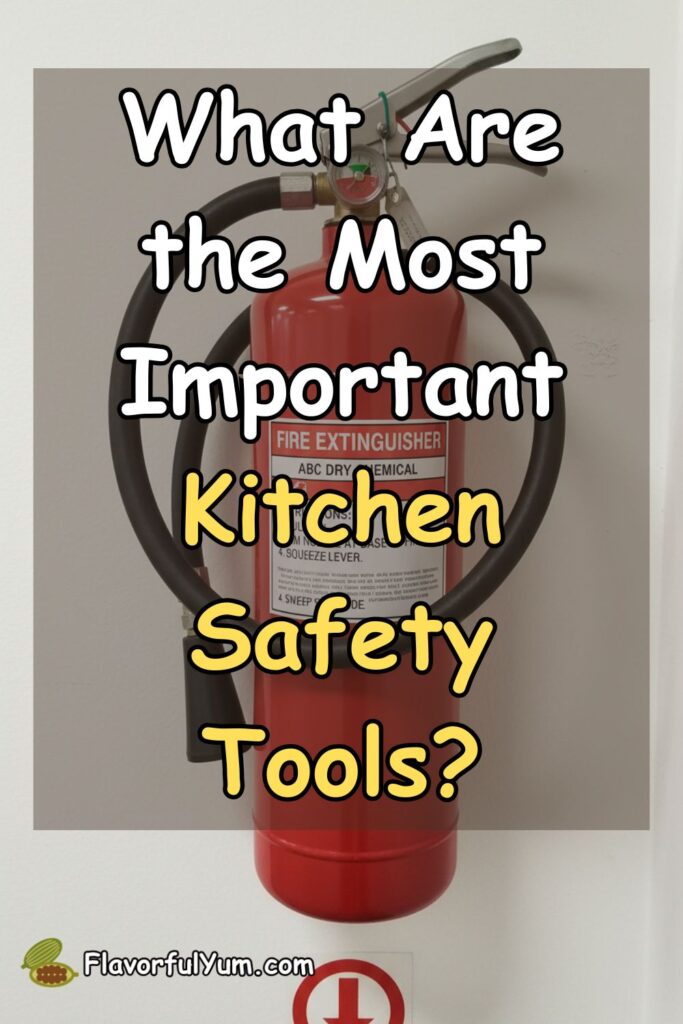
Why Kitchen Safety Tools Matter?
Cooking involves heat, pressure, sharp edges, and bacteria. These hazards exist in every kitchen. Safety tools prevent injuries and reduce damage.
When I cook, I focus better because I know I have protection nearby. I treat safety tools as essentials, not extras.
1. Fire Extinguisher
A fire extinguisher is the most important safety tool in any kitchen.
Grease fires can ignite fast. Water makes grease fires worse. A fire extinguisher stops flames before they spread.
I keep a Class B or ABC fire extinguisher in my kitchen. These types handle grease and electrical fires.
I check the pressure gauge monthly. I replace it when it expires.
If a fire starts and grows beyond control, I leave immediately and call emergency services.
2. Smoke Detector
A smoke detector alerts me before smoke fills the room.
I install smoke detectors near the kitchen but not directly above the stove. Steam can trigger false alarms.
I test the alarm once a month. I replace batteries twice a year.
Early warning saves lives.
3. Carbon Monoxide Detector
Gas stoves and ovens can produce carbon monoxide if ventilation fails.
Carbon monoxide has no smell or color. A detector warns me before levels become dangerous.
I install one near sleeping areas and near fuel-burning appliances.
4. Oven Mitts and Heat-Resistant Gloves
Burns are common kitchen injuries.
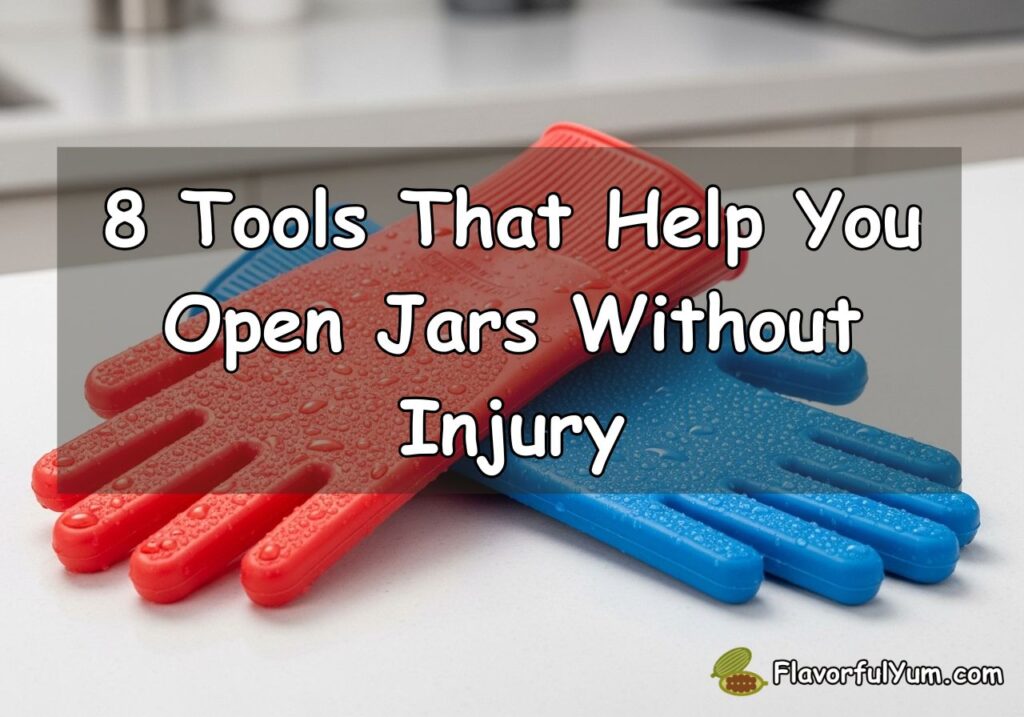
I use thick oven mitts when handling hot pans, trays, or lids. Heat-resistant gloves offer better grip and finger control.
I avoid thin cloth towels. They do not protect well from high heat.
Dry mitts work best. Wet fabric transfers heat faster and causes burns.
5. Cut-Resistant Gloves
Sharp knives cut food easily. They also cut skin easily.
When I slice vegetables quickly or use a mandoline slicer, I wear cut-resistant gloves. These gloves reduce the risk of deep cuts.
They do not make me careless, but they add a layer of protection.
6. First Aid Kit
Minor injuries happen even with caution.
I keep a small first aid kit in my kitchen drawer. My kit includes:
- Adhesive bandages
- Sterile gauze
- Antiseptic wipes
- Burn cream
- Medical tape
Quick treatment prevents infection and reduces pain.
7. Food Thermometer
A food thermometer protects against foodborne illness.
Undercooked meat may contain harmful bacteria. Visual inspection does not guarantee safety.
I use a digital thermometer to check internal temperatures:
- Chicken: 165°F (74°C)
- Ground meat: 160°F (71°C)
- Beef steak: 145°F (63°C)
Accurate temperature measurement prevents food poisoning.
8. Knife Sharpener
A sharp knife is safer than a dull knife.
A dull knife requires more force. More force increases the chance of slipping.
I sharpen my knives regularly. Sharp blades cut cleanly and predictably.
Controlled cuts reduce accidents.
9. Non-Slip Cutting Boards
A moving cutting board creates danger.
I place a damp towel under my cutting board to prevent slipping. Some boards include rubber grips.
Stability gives me better control while slicing.
10. Proper Ventilation System
Cooking releases smoke, grease particles, and gases.
A range hood or exhaust fan removes these from the air. Ventilation reduces fire risk and improves air quality.
I always turn on the fan when cooking on high heat.
11. Fire Blanket
A fire blanket smothers small fires.
I use it for grease fires in pans or small appliance fires. The blanket blocks oxygen and stops flames.
It also works to wrap around a person if clothing catches fire.
I store it near the stove for quick access.
12. Spill-Proof Storage Containers
Food safety includes proper storage.
Airtight containers prevent contamination and spills. They protect food from bacteria and pests.
Clear containers help me see contents and reduce waste.
13. Child Safety Locks
If children live in the home, cabinet locks prevent access to sharp tools and cleaning chemicals.
I install locks on drawers with knives and cabinets with chemicals.
Prevention reduces accidents.
14. Slip-Resistant Floor Mats
Kitchen floors become slippery from water or oil.
Slip-resistant mats improve traction. I also clean spills immediately.
Stable footing prevents falls.
15. Appliance Safety Features
Modern appliances include built-in safety systems.
I look for:
- Automatic shut-off
- Cool-touch handles
- Locking lids on pressure cookers
- Overheat protection
These features reduce risk without extra effort.
16. Proper Lighting
Good lighting improves visibility.
I use bright overhead lights and under-cabinet lighting. Clear visibility reduces cutting errors and spills.
I replace burned-out bulbs immediately.
17. Safe Storage for Knives
Loose knives in drawers cause cuts.
I store knives in a knife block, magnetic strip, or blade guards.
Safe storage protects both blades and hands.
18. Timer
Distraction leads to burned food and fire hazards.
I use a kitchen timer every time I cook. Timers prevent overheating and overcooking.
Simple reminders reduce risk.
19. Tongs and Long-Handled Tools
Hot oil splatters cause burns.
Long-handled tongs keep my hands away from heat. I use them when frying or grilling.
Distance from heat increases safety.
20. Cleaning Supplies
Clean kitchens are safer kitchens.
I keep disinfectant spray, dish soap, and clean towels nearby. Clean surfaces reduce bacteria growth.
I wipe spills immediately to prevent slips.
Food Safety Tools vs. Injury Prevention Tools
Kitchen safety includes two main areas:
- Preventing physical injury
- Preventing foodborne illness
Physical injury tools include gloves, mitts, and fire protection. Food safety tools include thermometers and proper storage.
Both categories matter equally.
How I Organize My Safety Setup?
I keep safety tools accessible.
- Fire extinguisher near the exit
- First aid kit in top drawer
- Thermometer near stove
- Oven mitts hanging beside oven
Quick access matters during emergencies.
Common Kitchen Hazards
Understanding hazards helps me choose the right tools.
Common risks include:
- Grease fires
- Knife cuts
- Burns from steam
- Food contamination
- Slips on wet floors
Each safety tool addresses one or more of these risks.
Safety Habits That Support These Tools
Tools work best with good habits.
I practice these habits daily:
- Wash hands before handling food
- Keep raw meat separate
- Turn pot handles inward
- Never leave cooking unattended
- Keep flammable items away from stove
Habits and tools work together.
How Often Do I Check My Safety Equipment?
Maintenance ensures protection.
I:
- Test smoke alarms monthly
- Check extinguisher pressure
- Replace worn oven mitts
- Sanitize cutting boards regularly
- Replace damaged electrical cords
Regular inspection prevents failure during emergencies.
Budget-Friendly Safety Essentials
You do not need expensive equipment to stay safe.
At minimum, I recommend:
- Fire extinguisher
- Smoke detector
- Oven mitts
- Food thermometer
- First aid kit
These five tools provide strong protection at low cost.
Why Prevention Is Better Than Reaction?
Emergency response tools matter, but prevention matters more.
Sharp knives, stable surfaces, proper storage, and clean spaces reduce accidents before they happen.
I view safety as part of cooking, not as an extra step.
Final Thoughts
Kitchen safety tools protect against burns, cuts, fires, and foodborne illness. The most important tools include:
- Fire extinguisher
- Smoke and carbon monoxide detectors
- Oven mitts and cut-resistant gloves
- Food thermometer
- First aid kit
- Stable cutting boards
- Proper ventilation
I keep these tools visible and accessible. I maintain them regularly. I combine them with safe habits.
Cooking should feel enjoyable and calm. With the right safety tools in place, I cook with confidence and peace of mind.

It’s Eliana Hazel. I’m a 33-year-old wife and mom of two from Tennessee who loves cooking fresh, simple meals for my family. I shop for veggies at Walmart, try new recipes, and add my own twist to make them special. When I’m not in the kitchen, I enjoy yoga, meditation, and catching up with my friends over green smoothies. Here, I share family-tested recipes, easy cooking tips, and a little inspiration to make your kitchen a happy place.
Related Posts
Previous Post
Next Post



Hey, y’all! I’m Hazel!
I’m SO happy you’re here! I’m passionate about cooking fresh, homemade meals for my family and love sharing recipes that are simple, healthy, and full of flavor. Here on my blog, I believe in making food with love, experimenting with ingredients, and turning everyday meals into something special. In short, I believe that cooking at home brings families closer and makes life more joyful. >>> Learn more