
Now Reading: How to Stop Craving Cheese on a Vegan Diet?
-
01
How to Stop Craving Cheese on a Vegan Diet?
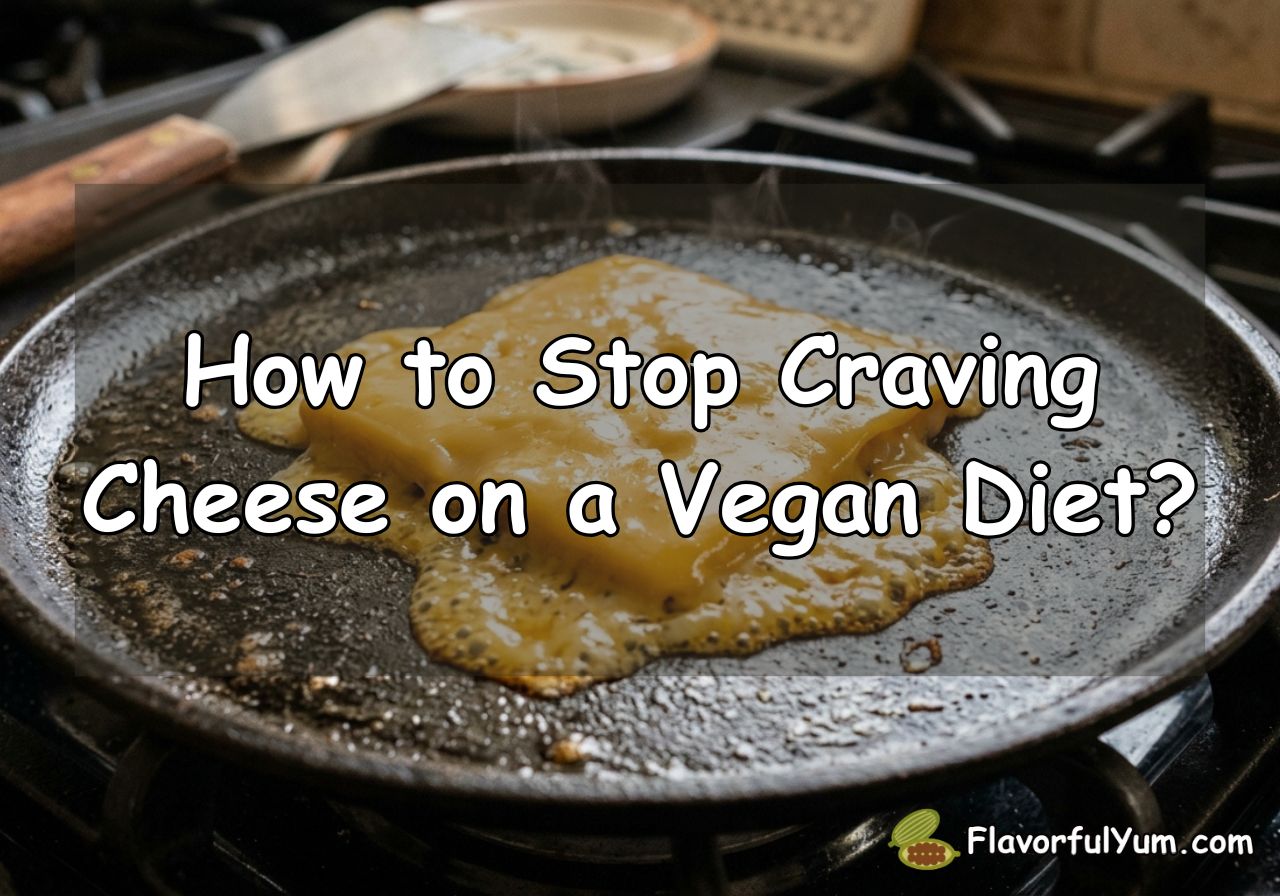
I remember the first week I stopped eating dairy. I expected to miss meat. Instead, I missed cheese. I thought about melted mozzarella, sharp cheddar, and creamy spreads. If you feel the same way, you are not alone.
Cheese cravings are common on a vegan diet. Cheese has fat, salt, and a rich texture. It also connects to comfort and habit. The good news is this: cravings do not last forever. With the right steps, you can reduce them and feel satisfied without dairy.
In this guide, I share what helped me stop craving cheese on a vegan diet. I focus on clear actions, simple food swaps, and mindset shifts that work.
Why You Crave Cheese on a Vegan Diet
Before I tried to fix my cravings, I asked a simple question: why do I want cheese?
Common reasons include:
- You miss the salty flavor.
- You miss the creamy texture.
- You associate cheese with comfort foods.
- Your body wants more fat.
- You have a habit linked to certain meals.
When I understood the reason, I could choose the right solution.
1. Add Enough Healthy Fats
Cheese contains fat. When I removed cheese, I reduced fat without realizing it. My body reacted with cravings.
I fixed this by adding plant-based fats to my meals.
Healthy vegan fats I use:
- Avocado
- Tahini
- Nut butters
- Olive oil
- Coconut milk
- Nuts and seeds
When I include fat in each meal, I feel more satisfied. The urge for cheese becomes weaker.
2. Increase Protein at Every Meal
Low protein can increase hunger. Hunger can feel like a cheese craving.
I focus on plant-based protein sources:
- Lentils
- Chickpeas
- Black beans
- Tofu
- Tempeh
- Edamame
- Quinoa
When I build my plate around protein first, I reduce random cravings.
3. Recreate the Creamy Texture
Sometimes I do not want cheese flavor. I want the creamy texture.
I create that texture with simple ingredients.
Creamy vegan swaps:
- Cashew cream blended with water and salt
- Hummus spread on sandwiches
- Mashed avocado on toast
- Silken tofu blended into sauces
- Coconut milk in soups
When I match the texture, my brain feels satisfied.
4. Add Umami Flavor
Cheese has a strong savory taste. That taste is called umami. I replace that flavor with plant-based options.
Vegan umami foods:
- Nutritional yeast
- Miso paste
- Tamari or soy sauce
- Sun-dried tomatoes
- Mushrooms
- Roasted garlic
I sprinkle nutritional yeast on popcorn, pasta, and salads. It gives a mild cheesy taste without dairy.
5. Make Simple Vegan Cheese Alternatives
Store-bought vegan cheese can help during transition. I also make easy versions at home.
Basic cashew cheese spread:
Ingredients:
- 1 cup soaked cashews
- 2 tablespoons nutritional yeast
- 1 tablespoon lemon juice
- 1/2 teaspoon salt
- Water as needed
Steps:
- Drain soaked cashews.
- Blend all ingredients until smooth.
- Adjust water for thickness.
This spread works on crackers, sandwiches, and wraps.
Having a replacement reduces temptation.
6. Change Your Comfort Food Routine
Many cheese cravings link to comfort foods like pizza, mac and cheese, or grilled sandwiches.
Instead of avoiding these meals, I create vegan versions.
Examples:
- Pizza with tomato sauce, vegetables, and cashew cream
- Pasta with creamy blended cauliflower sauce
- Grilled sandwich with hummus and roasted vegetables
When I keep the structure of the meal, I feel satisfied.
7. Eat Enough Calories
When I first went vegan, I ate large salads and small portions. I felt hungry later. Hunger increased my cheese cravings.
Now I check my portions.
I ask:
- Did I eat enough beans or tofu?
- Did I include healthy fats?
- Did I eat enough overall food?
A balanced meal prevents strong cravings.
8. Stay Consistent for a Few Weeks
Taste buds adjust over time. In the first two weeks, I missed cheese often. After one month, the craving felt weaker. After two months, I rarely thought about it.
The body and brain adapt.
I remind myself that cravings decrease with time.
9. Keep Cheese Out of Sight
Environment affects behavior.
If cheese sits in the fridge, I think about it more. If I visit places where cheese is always present, I feel tempted.
I make my home dairy-free. I stock it with foods I enjoy.
Out of sight helps reduce desire.
10. Handle Emotional Triggers
Sometimes I do not crave cheese because of hunger. I crave it because of stress or boredom.
When I notice this, I pause and ask:
- Am I tired?
- Am I stressed?
- Am I bored?
Instead of eating, I choose another action:
- Take a short walk
- Call a friend
- Stretch for five minutes
- Drink tea
Food does not fix emotional stress.
11. Focus on the Reason You Chose a Vegan Diet
I remind myself why I started.
Common reasons include:
- Animal welfare
- Health improvement
- Environmental concerns
When I reconnect with my reason, I feel stronger. Cravings lose power when my purpose feels clear.
12. Explore New Flavors
Cheese often dominates meals. When I removed it, I had space to explore other flavors.
I experiment with:
- Fresh herbs like basil and cilantro
- Spices like paprika and cumin
- Roasted vegetables
- Citrus zest
- Pickled vegetables
New flavors keep meals exciting.
13. Build Balanced Vegan Meals
When I plan balanced meals, I avoid random cravings.
Simple balanced plate formula:
- Protein: lentils, tofu, beans
- Fat: avocado or tahini
- Carbohydrates: whole grains or potatoes
- Vegetables: at least one serving
This structure keeps me full and steady.
14. Allow a Transition Period
If you recently switched to vegan, allow yourself time. Sudden restriction can increase cravings.
Some people reduce cheese slowly. Others stop at once. Choose the method that supports long-term success.
I focused on progress, not perfection.
15. Understand That Cheese Can Trigger Habit Loops
Cheese often appears in daily routines:
- Cheese on morning toast
- Cheese in lunch sandwich
- Cheese on dinner pasta
When I removed cheese, I needed new habits.
I replaced:
- Toast with avocado
- Sandwich cheese with hummus
- Pasta cheese with creamy sauce
New routines reduce old cravings.
16. Use Simple Snack Swaps
Cheese often acts as a snack. I replaced it with satisfying vegan options.
Snack ideas:
- Roasted chickpeas
- Almonds or cashews
- Apple slices with peanut butter
- Whole grain crackers with hummus
- Carrot sticks with tahini dip
When I snack on filling foods, I avoid dairy.
17. Avoid Extreme Restriction
If I label cheese as forbidden in a harsh way, I think about it more.
Instead, I tell myself:
“I choose not to eat cheese.”
Choice feels calmer than restriction.
A calm mindset reduces obsession.
18. Track When Cravings Happen
I notice patterns.
I ask:
- Do cravings happen at night?
- After stressful meetings?
- When I skip lunch?
Once I see the pattern, I solve the root cause.
Awareness leads to control.
19. Improve Gut Health
Some research suggests that certain dairy proteins can create strong cravings. While this area still needs study, I noticed improvement when I focused on gut health.
I include:
- Fiber-rich foods
- Fermented foods like sauerkraut
- Plenty of vegetables
A balanced gut can support balanced cravings.
20. Be Patient With Yourself
Change takes time.
I remind myself:
- Cravings are normal.
- They do not mean failure.
- They pass with consistent effort.
Each day without cheese becomes easier.
What I Eat Now Instead of Cheese
To give you clear ideas, here are simple swaps I use daily:
- Instead of cheddar on sandwiches, I use hummus or avocado.
- Instead of parmesan on pasta, I use nutritional yeast.
- Instead of cream cheese, I use blended cashews.
- Instead of mozzarella on pizza, I use vegetable toppings and cashew sauce.
- Instead of cheese snacks, I eat nuts or roasted chickpeas.
These swaps feel natural now.
How Long Do Cheese Cravings Last?
For many people, strong cravings last two to four weeks. After that, they decrease. Taste buds change. The brain forms new habits.
Consistency matters more than perfection.
Final Thoughts: You Can Stop Craving Cheese on a Vegan Diet
Cheese cravings do not mean you cannot succeed on a vegan diet. They reflect habit, flavor preference, fat intake, or emotional comfort.
When I:
- Add enough fat
- Increase protein
- Recreate creamy texture
- Use umami flavor
- Stay consistent
- Manage stress
My cravings fade.
You can follow the same steps. Focus on balanced meals and new flavors. Give your body time to adjust.
Save this guide on Pinterest so you can return to it when cravings appear. With patience and clear action, you can enjoy a vegan diet without missing cheese.

It’s Eliana Hazel. I’m a 33-year-old wife and mom of two from Tennessee who loves cooking fresh, simple meals for my family. I shop for veggies at Walmart, try new recipes, and add my own twist to make them special. When I’m not in the kitchen, I enjoy yoga, meditation, and catching up with my friends over green smoothies. Here, I share family-tested recipes, easy cooking tips, and a little inspiration to make your kitchen a happy place.
Related Posts

Previous Post
Next Post

Hey, y’all! I’m Hazel!
I’m SO happy you’re here! I’m passionate about cooking fresh, homemade meals for my family and love sharing recipes that are simple, healthy, and full of flavor. Here on my blog, I believe in making food with love, experimenting with ingredients, and turning everyday meals into something special. In short, I believe that cooking at home brings families closer and makes life more joyful. >>> Learn more