
Now Reading: How to Stop Wasting Food When Meal Prepping?
-
01
How to Stop Wasting Food When Meal Prepping?

I know the frustration. You spend time meal prepping, only to find some food goes bad before you can eat it. I have been there. Wasting food feels like wasting money, effort, and time. Over the years, I learned strategies that help me prep meals efficiently without throwing ingredients away.
In this guide, I will share practical tips, storage hacks, planning techniques, and meal ideas. You can reduce waste, save money, and enjoy your food more.
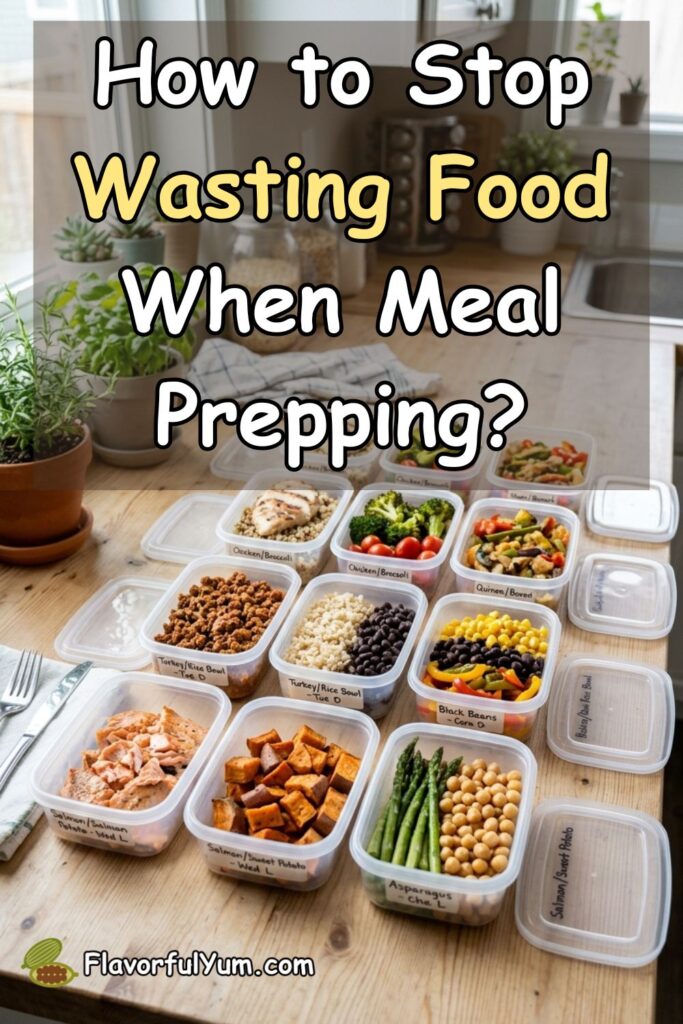
Why Food Waste Happens During Meal Prep?
Understanding why food goes bad is the first step to preventing it. Common reasons include:
- Overbuying: Buying too much produce or meat for the week.
- Poor storage: Vegetables or cooked meals stored improperly spoil faster.
- Not using leftovers: Food is forgotten in the fridge and thrown out.
- Imprecise planning: Cooking without knowing exactly how much will be eaten.
- Shelf-life ignorance: Some foods spoil faster than others.
I learned that simple adjustments in planning, storage, and portioning prevent most waste.
7 Principles to Reduce Food Waste
I follow these seven principles whenever I meal prep.
1. Plan Meals Realistically
- Check your schedule before prepping.
- Plan meals for the exact number of servings needed.
- Avoid prepping too much of one item.
Planning prevents overproduction and keeps food fresh.
2. Shop Smart
- Make a detailed shopping list.
- Buy only what you need.
- Choose versatile ingredients that can be used in multiple meals.
Smart shopping saves money and reduces the chance of forgetting items.
3. Understand Shelf Life
- Leafy greens: 3–7 days
- Cooked rice/pasta: 3–5 days in fridge
- Cooked meat: 3–4 days
- Fresh fruit: 3–10 days depending on type
I separate short-lived ingredients and use them first.
4. Portion Meals Properly
- Store individual servings instead of one large container.
- Kids’ meals or adults’ lunches can be portioned into small containers.
- Proper portions reduce leftovers that are hard to finish.
5. Store Food Correctly
- Use airtight containers to prevent spoilage.
- Store fruits and vegetables separately if needed.
- Freeze foods that will not be eaten soon.
6. Label Everything
- Include the date cooked on each container.
- Helps you rotate food and eat older meals first.
7. Repurpose Leftovers
- Use leftover vegetables in soups or stir-fries.
- Transform leftover chicken into wraps or salads.
- Freeze leftovers for later use.
Repurposing food is creative and reduces waste dramatically.
Smart Meal Prep Techniques to Avoid Waste
Here are my favorite techniques for meal prep without food going bad:
1. Cook in Batches
- Cook proteins, grains, and vegetables in batches.
- Store in separate containers.
- Mix and match during the week for variety.
Batch cooking prevents boredom and ensures you use all ingredients.
2. Use Freezer-Friendly Meals
- Soups, stews, and casseroles freeze well.
- Portion meals before freezing to prevent thawing too much at once.
Freezing extends shelf life and prevents spoilage.
3. Pre-Cut Vegetables
- Wash, peel, and cut vegetables right after buying.
- Store in airtight containers in the fridge.
- Use within 3–5 days.
Prepped veggies are easier to use and less likely to be forgotten.
4. Pre-Portion Snacks
- Portion nuts, fruit, or trail mix into small containers.
- Helps prevent overbuying and food going bad.
5. Use Multi-Purpose Ingredients
- Bell peppers, onions, and carrots work in salads, stir-fries, soups, and wraps.
- Rotisserie chicken or canned beans can be used in multiple meals.
Multi-use ingredients reduce the chance of food being wasted.
10 Tips for Using Leftovers Creatively
Leftovers are not waste if you repurpose them. I often turn yesterday’s food into something new.
- Soup: Chop leftover vegetables, meat, and grains into broth.
- Stir-Fry: Toss leftover proteins and vegetables with rice or noodles.
- Wraps: Fill tortillas or lettuce leaves with leftover meat and vegetables.
- Pizza Topping: Use leftover vegetables and proteins on pita or bagels.
- Salad Mix: Add leftover grains, beans, or meat to fresh greens.
- Casseroles: Mix leftover proteins, vegetables, and sauce with cheese or pasta.
- Egg Scramble: Add leftover vegetables or meats into scrambled eggs.
- Sandwich or Panini: Use leftover proteins with fresh bread and condiments.
- Smoothies: Blend leftover fruit with yogurt or milk.
- Mini Snacks: Use small amounts of leftovers on crackers or rice cakes.
Repurposing food prevents it from going to waste and makes mealtime more interesting.
7 Storage Hacks for Meal Prep
Storage is crucial. I follow these hacks:
- Airtight Containers: Keep moisture out and maintain freshness.
- Clear Containers: Easily see what’s inside.
- Use the Fridge Properly: Store vegetables in drawers, proteins on middle shelves.
- Freeze Early: Freeze items you will not eat in the next 2–3 days.
- Separate Sauces: Keep sauces apart until ready to serve.
- Label with Dates: Helps you rotate older meals first.
- Use Silicone Bags: Good for fruits, vegetables, or grains. Reusable and space-saving.
Correct storage extends shelf life and reduces spoilage.
Meal Planning Tips to Avoid Wasting Food
- Plan for 3–5 Days: Only prep what you will eat before ingredients spoil.
- Repeat Ingredients: Use the same ingredient in different meals to finish it before it goes bad.
- Include Leftover Night: Dedicate one night to eating leftover meals.
- Check Inventory: Before shopping, check what’s already in your fridge or freezer.
These habits help me prep efficiently without wasting food.
5 Quick Meal Prep Ideas That Reduce Waste
1. Mason Jar Salads
- Layer vegetables, grains, and protein in jars.
- Keep dressing at the bottom or in a separate container.
- Rotate jars throughout the week.
Mason jars make it easy to see what you have and use it in time.
2. Freezer-Friendly Smoothie Packs
- Chop fruit and place in freezer bags.
- Add spinach or other vegetables.
- Blend with milk or yogurt when ready.
Smoothie packs prevent fruit from going bad and are ready in minutes.
3. Grain Bowls
- Cook grains like quinoa, rice, or farro in batches.
- Store in portions.
- Combine with proteins and vegetables for different meals.
Bowls make using all ingredients flexible and prevent waste.
4. Baked Protein Portions
- Bake chicken, fish, or tofu in bulk.
- Store individually in the fridge or freezer.
- Use for wraps, salads, stir-fries, or bowls.
Portioning protein reduces spoilage and keeps meals versatile.
5. Roasted Vegetable Packs
- Roast a mix of vegetables at once.
- Store in containers for the week.
- Reheat or eat cold in salads or wraps.
Roasting increases shelf life and keeps vegetables appealing.
How to Rotate Food Effectively
- Place new meals at the back of the fridge.
- Use older meals first.
- Keep a simple checklist of meal prep dates.
- Rotate items weekly to ensure nothing is forgotten.
Rotation prevents food from being lost at the back of the fridge.
7 Tools That Help Reduce Food Waste
- Airtight Containers – Keeps meals fresh longer.
- Mason Jars – Perfect for salads, parfaits, and snacks.
- Silicone Freezer Bags – Space-saving and reusable.
- Labels or Masking Tape – Track cooking dates easily.
- Sharp Knives – Proper cuts reduce spoilage.
- Meal Prep Trays – Organize portions for quick grab-and-go meals.
- Microwave-Safe Containers – Reheat safely and reduce cooking stress.
The right tools make meal prep less stressful and reduce food loss.
How to Handle Perishable Items?
- Eat delicate vegetables like spinach or berries within 3 days.
- Freeze excess fruit or vegetables before they spoil.
- Use quick recipes for soft proteins like fish or chicken within 2–3 days.
I learned that timing is everything. Using perishable items first prevents unnecessary waste.
Sample 3-Day Meal Prep Plan
This plan demonstrates using ingredients efficiently and avoiding waste.
Day 1
- Breakfast: Greek yogurt with berries
- Lunch: Quinoa bowl with roasted vegetables and chicken
- Dinner: Stir-fry with leftover vegetables and rice
Day 2
- Breakfast: Smoothie with frozen fruit and spinach
- Lunch: Mason jar salad with leftover chicken and grains
- Dinner: Soup using leftover vegetables, beans, and grains
Day 3
- Breakfast: Overnight oats with fruit
- Lunch: Wrap with leftover proteins and vegetables
- Dinner: Baked pasta with leftover vegetables and cheese
Leftovers are repurposed creatively, preventing waste while keeping meals interesting.
Benefits of Reducing Food Waste When Meal Prepping
- Saves Money: Less food thrown away means lower grocery bills.
- Saves Time: Less re-shopping and prep for forgotten ingredients.
- Healthier Eating: Using all ingredients ensures balanced meals.
- Environmental Impact: Reduces the amount of food that ends up in landfills.
Reducing waste makes meal prep more efficient and sustainable.
Final Thoughts
Meal prepping does not have to lead to wasted food. I learned that planning, proper storage, portioning, and creativity are key. Using leftovers, freezing wisely, and rotating meals prevent spoilage.
With these tips, meal prep becomes efficient, cost-effective, and stress-free. You can enjoy healthy, ready-to-eat meals without throwing food away.
Start small. Try one or two strategies this week. Watch your food last longer and your meals stay exciting.
Reducing waste while meal prepping is possible for anyone. I do it weekly, and it works every time.

It’s Eliana Hazel. I’m a 33-year-old wife and mom of two from Tennessee who loves cooking fresh, simple meals for my family. I shop for veggies at Walmart, try new recipes, and add my own twist to make them special. When I’m not in the kitchen, I enjoy yoga, meditation, and catching up with my friends over green smoothies. Here, I share family-tested recipes, easy cooking tips, and a little inspiration to make your kitchen a happy place.
Related Posts

Previous Post
Next Post
Previous Post

Next Post


Hey, y’all! I’m Hazel!
I’m SO happy you’re here! I’m passionate about cooking fresh, homemade meals for my family and love sharing recipes that are simple, healthy, and full of flavor. Here on my blog, I believe in making food with love, experimenting with ingredients, and turning everyday meals into something special. In short, I believe that cooking at home brings families closer and makes life more joyful. >>> Learn more