
Now Reading: 9 Anti-Inflammatory Foods You Should Eat Every Week
-
01
9 Anti-Inflammatory Foods You Should Eat Every Week
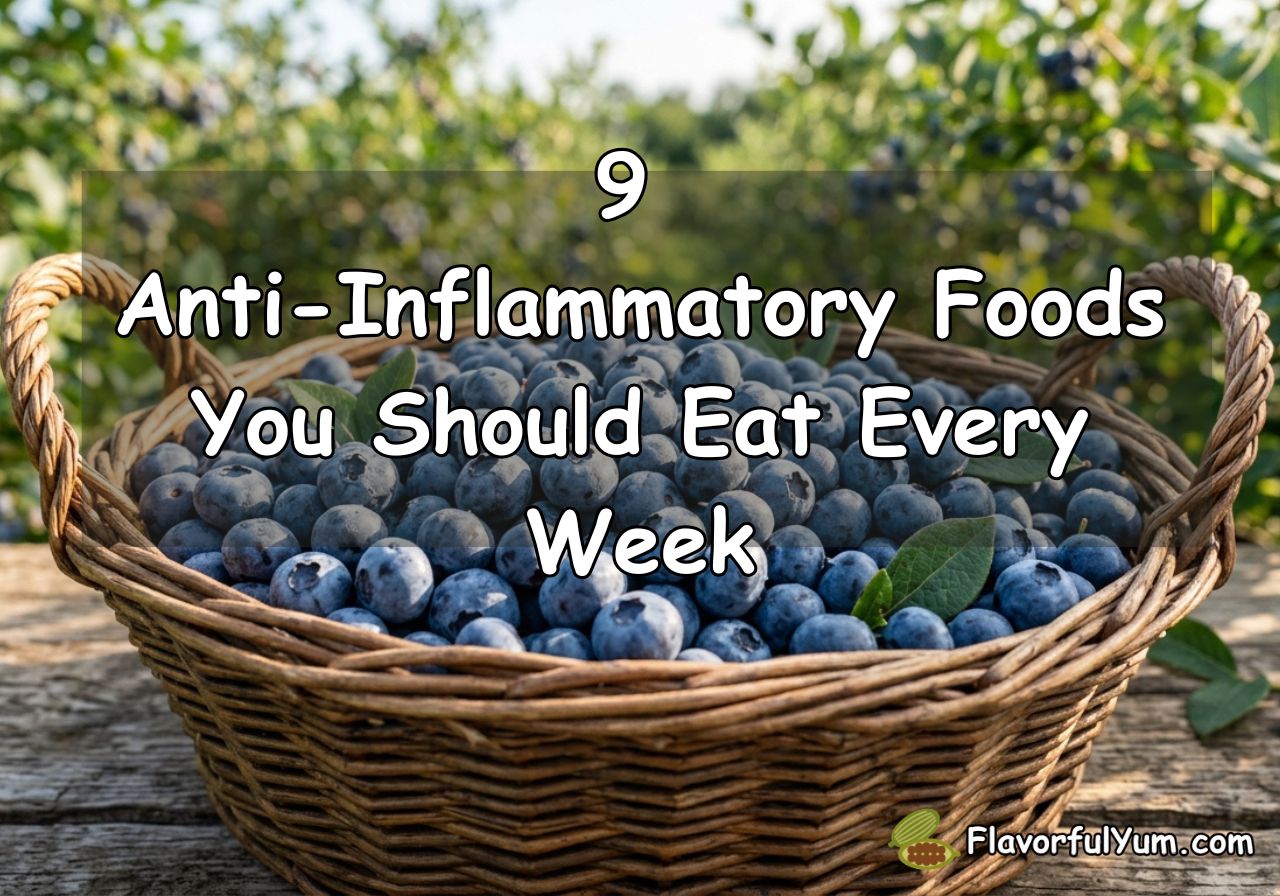
Inflammation affects how the body feels and works. Short-term inflammation helps the body heal after injury or infection. Long-term inflammation can harm tissues and organs. It can raise the risk of health issues like Heart Disease, Type 2 Diabetes, and Arthritis.
Food plays a direct role in inflammation control. Some foods raise inflammation. Other foods lower inflammation and support healing. I focus on foods that give strong nutrition and support daily health.
In this guide, I share nine anti-inflammatory foods that I add to my meals every week. These foods supply vitamins, minerals, antioxidants, and healthy fats. Each food helps the body fight harmful inflammation.
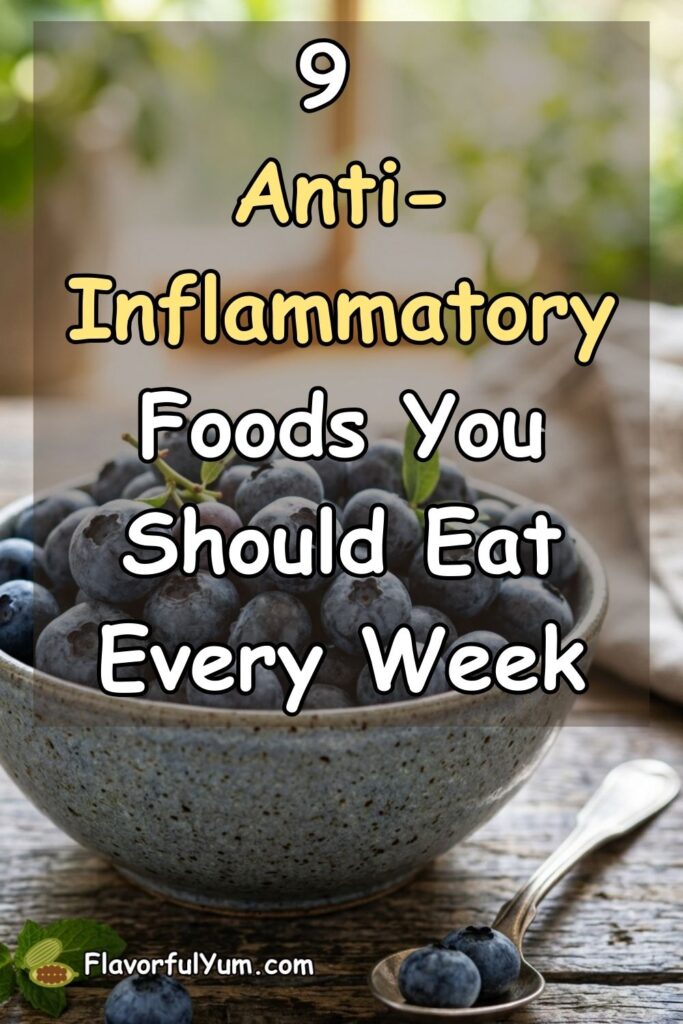
1. Blueberries
Blueberry ranks high among anti-inflammatory fruits. Blueberries contain natural compounds called anthocyanins. These compounds protect cells from damage and reduce inflammation signals in the body.
I often add blueberries to breakfast. Their sweet taste makes them easy to enjoy without extra sugar.
Key nutrients in blueberries
- Vitamin C
- Fiber
- Vitamin K
- Antioxidants
Health benefits
Blueberries support brain health and heart function. Research links regular berry intake with lower risk of Heart Disease. The antioxidants also support memory and cell repair.
Simple ways I eat blueberries
- Mix them into oatmeal
- Add them to yogurt
- Blend them into smoothies
- Sprinkle them on whole-grain cereal
A small bowl several times a week gives steady antioxidant support.
2. Fatty Fish
Salmon, Mackerel, and Sardine contain high levels of omega-3 fatty acids. Omega-3 fats reduce inflammation chemicals in the body.
I aim to eat fatty fish at least two times each week. The protein supports muscle repair, and the fats support heart health.
Key nutrients in fatty fish
- Omega-3 fatty acids
- Vitamin D
- High-quality protein
- Selenium
Health benefits
Omega-3 fats reduce markers linked with Arthritis and Metabolic Syndrome. These fats also support brain function and blood vessel health.
Simple ways I eat fatty fish
- Grilled salmon with vegetables
- Sardines on whole-grain toast
- Baked mackerel with lemon
- Salmon salad with olive oil
These meals stay simple but supply strong nutrition.
3. Broccoli
Broccoli stands as one of the most nutrient-dense vegetables. Broccoli contains sulforaphane. This compound lowers inflammation and supports detox activity in the body.
I include broccoli in meals several times each week. It works well with many dishes and cooks quickly.
Key nutrients in broccoli
- Vitamin C
- Vitamin K
- Fiber
- Sulforaphane compounds
Health benefits
Sulforaphane reduces oxidative stress in cells. This process helps protect against chronic diseases. Studies link broccoli intake with lower inflammation levels in blood tests.
Simple ways I eat broccoli
- Steam it as a side dish
- Add it to stir-fries
- Roast it with olive oil
- Mix it into pasta dishes
Light cooking helps preserve nutrients.
4. Avocados
Avocado contains healthy monounsaturated fats. These fats support heart health and help control inflammation.
I often use avocado as a healthy fat source instead of processed spreads.
Key nutrients in avocado
- Monounsaturated fat
- Potassium
- Fiber
- Vitamin E
Health benefits
Avocado intake links with lower inflammation markers. It also supports cholesterol balance and heart health.
Simple ways I eat avocado
- Spread it on toast
- Add slices to salads
- Blend it into smoothies
- Use it in homemade dips
The creamy texture also makes meals more satisfying.
5. Turmeric
Turmeric is a golden spice used in many traditional dishes. It contains a compound called curcumin. Curcumin has strong anti-inflammatory activity.
I often add turmeric to soups and rice dishes.
Key nutrients in turmeric
- Curcumin
- Antioxidant compounds
- Small amounts of iron and manganese
Health benefits
Curcumin reduces inflammation signals in the body. Research links turmeric intake with relief in people who live with Arthritis.
Simple ways I use turmeric
- Add it to soups
- Mix it into rice
- Stir it into warm milk
- Use it in curry dishes
A small amount can give both color and health value.
6. Green Tea
Green Tea contains powerful antioxidants called catechins. These compounds help reduce inflammation and protect cells from damage.
I drink green tea in the morning or afternoon.
Key nutrients in green tea
- Catechins
- Polyphenols
- Small amounts of caffeine
Health benefits
Green tea intake links with reduced risk of Heart Disease and Type 2 Diabetes. The antioxidants also support brain health and metabolism.
Simple ways I drink green tea
- Hot tea after breakfast
- Iced green tea during warm days
- Green tea with lemon
Two cups each day can provide steady antioxidant intake.
7. Sweet Potatoes
Sweet Potato offers strong nutrition and natural sweetness. Sweet potatoes contain beta-carotene. The body converts beta-carotene into vitamin A.
I use sweet potatoes as a healthy carbohydrate option.
Key nutrients in sweet potatoes
- Beta-carotene
- Fiber
- Vitamin C
- Potassium
Health benefits
The antioxidants in sweet potatoes reduce oxidative stress. This process helps control inflammation and supports immune health.
Simple ways I eat sweet potatoes
- Roast them with herbs
- Bake them whole
- Mash them with olive oil
- Add cubes to salads
These meals give steady energy and nutrients.
8. Nuts
Almond and Walnut supply healthy fats, fiber, and plant protein. Nuts also contain antioxidants that reduce inflammation.
I keep a small container of nuts for quick snacks.
Key nutrients in nuts
- Healthy fats
- Vitamin E
- Magnesium
- Plant protein
Health benefits
Research links nut intake with lower risk of Heart Disease. Nuts help control blood sugar and support metabolic health.
Simple ways I eat nuts
- Add them to oatmeal
- Mix them into salads
- Eat them as snacks
- Blend them into smoothies
A small handful each day works well.
9. Olive Oil
Olive Oil is a key fat source in the Mediterranean Diet. This oil contains oleocanthal. Oleocanthal acts in a similar way to mild anti-inflammatory compounds.
I use olive oil as my main cooking fat.
Key nutrients in olive oil
- Monounsaturated fats
- Vitamin E
- Polyphenols
Health benefits
Olive oil supports heart health and reduces inflammation markers. Diet patterns that include olive oil link with lower risk of Heart Disease and Stroke.
Simple ways I use olive oil
- Drizzle it on salads
- Use it for roasting vegetables
- Add it to pasta dishes
- Dip bread into it
Cold-pressed extra-virgin oil provides the highest nutrient value.
How to Build an Anti-Inflammatory Weekly Meal Plan?
I try to include several of these foods every day. A simple meal plan helps maintain balance.
Example daily routine
Breakfast
- Oatmeal with blueberries and almonds
- Green tea
Lunch
- Salad with avocado, broccoli, and olive oil
- Whole-grain bread
Dinner
- Grilled salmon
- Roasted sweet potatoes
- Steamed vegetables
Snack
- Yogurt with berries or nuts
This routine keeps meals simple and nutrient rich.
Foods That Increase Inflammation
Some foods raise inflammation levels in the body. I limit these foods as much as possible.
Common inflammatory foods include:
- Refined sugar
- Processed snacks
- Fried foods
- Processed meat
- Refined carbohydrates
These foods can raise risk for Type 2 Diabetes and Heart Disease.
Whole foods support better long-term health.
Tips I Use to Reduce Inflammation With Diet
Small daily habits help maintain low inflammation.
1. Focus on whole foods
Whole foods contain more nutrients and antioxidants.
2. Add color to meals
Colorful fruits and vegetables provide plant compounds that protect cells.
3. Choose healthy fats
Sources like olive oil, nuts, and fatty fish support heart health.
4. Drink antioxidant beverages
Green tea supplies protective plant compounds.
5. Balance protein and fiber
Balanced meals support blood sugar control.
These habits improve overall health and energy.
Final Thoughts
Inflammation plays a major role in long-term health. Food choices influence how the body responds to stress, toxins, and illness.
I keep my meals simple and focus on whole foods. Blueberries, fatty fish, broccoli, avocado, turmeric, green tea, sweet potatoes, nuts, and olive oil provide strong nutritional support.
Eating these foods every week helps protect the body from chronic inflammation. Over time, these choices support heart health, brain health, and energy levels.
Small diet changes can create strong health results. Start with one or two of these foods this week. Then build meals around them. Your body will thank you for the steady care.

It’s Eliana Hazel. I’m a 33-year-old wife and mom of two from Tennessee who loves cooking fresh, simple meals for my family. I shop for veggies at Walmart, try new recipes, and add my own twist to make them special. When I’m not in the kitchen, I enjoy yoga, meditation, and catching up with my friends over green smoothies. Here, I share family-tested recipes, easy cooking tips, and a little inspiration to make your kitchen a happy place.
Related Posts

Previous Post
Next Post


Hey, y’all! I’m Hazel!
I’m SO happy you’re here! I’m passionate about cooking fresh, homemade meals for my family and love sharing recipes that are simple, healthy, and full of flavor. Here on my blog, I believe in making food with love, experimenting with ingredients, and turning everyday meals into something special. In short, I believe that cooking at home brings families closer and makes life more joyful. >>> Learn more