
Now Reading: What Is the Paleo Diet? Beginner’s Guide
-
01
What Is the Paleo Diet? Beginner’s Guide
The paleo diet gets described in ways that make it sound either revolutionary or ridiculous depending on who’s explaining it. Eat like a caveman. Eliminate everything modern. Return to hunter-gatherer eating patterns from thousands of years ago.
The actual principle is simpler and more practical than those descriptions suggest. The paleo diet removes foods that human agriculture and industrial food production introduced over the last ten thousand years and focuses on foods the human body evolved over millions of years to process efficiently.
Whether you’re considering paleo for weight management, digestive health, reduced inflammation, or simply better energy, this guide covers everything you need to start. What to eat, what to avoid, the science behind the approach, common mistakes, and four recipes to begin with tonight.
The Core Principle Behind Paleo Eating
The paleo diet rests on a single central argument: human genetics evolved over approximately 2.5 million years in response to a specific diet of wild animals, fish, vegetables, fruits, nuts, and seeds. Agriculture — which introduced grains, legumes, and dairy — arrived roughly 10,000 years ago. Industrial food processing arrived within the last 150 years.
From an evolutionary perspective, 10,000 years is a relatively short period for significant genetic adaptation. The argument is that human digestive systems, hormonal responses, and metabolic pathways are still primarily optimized for pre-agricultural foods — and that introducing foods our genetics haven’t fully adapted to produces the chronic health issues prevalent in modern populations.
This doesn’t mean the paleo diet is a perfect recreation of ancient eating. It means it uses evolutionary logic as a framework for identifying which foods align with human biology and which ones don’t.
What You Eat on the Paleo Diet?
The paleo diet focuses on foods available to hunter-gatherers before agriculture and industrial food processing existed.
Proteins:
Meat forms a significant part of the paleo diet — specifically grass-fed and pasture-raised animals when possible, as their fatty acid profiles more closely match wild game than conventionally raised livestock. Beef, lamb, pork, and poultry all belong on a paleo plate. Organ meats — liver, heart, and kidney — are among the most nutrient-dense paleo foods available and were prized by hunter-gatherer populations for exactly that reason.
Seafood and fish provide the omega-3 fatty acids that paleo advocates identify as critically important for reducing inflammation and supporting brain function. Wild-caught fish is preferred over farmed for the same reason grass-fed is preferred over conventional — the fatty acid profile and overall nutrient density differs significantly.
Eggs from pasture-raised chickens are completely paleo and provide complete protein, choline, and healthy fat at low cost and minimal preparation.
Vegetables:
All non-starchy vegetables are unrestricted on the paleo diet. Leafy greens, cruciferous vegetables, root vegetables, and alliums all belong in regular paleo eating. Sweet potatoes and other tubers are included despite their carbohydrate content — they are whole foods that pre-agricultural humans consumed regularly.
Fruits:
Fresh fruit is paleo-compliant in reasonable quantities. Paleo advocates generally recommend favoring lower-sugar fruits — berries, citrus, and stone fruits — over high-sugar tropical varieties, particularly for people using paleo for weight management.
Nuts and Seeds:
Almonds, walnuts, macadamia nuts, pecans, cashews, pistachios, and Brazil nuts all belong on the paleo diet. Seeds including chia, flax, pumpkin, and sunflower seeds are equally included. Peanuts are excluded — they are legumes, not true nuts.
Healthy Fats:
Coconut oil, olive oil, avocado oil, and animal fats like tallow and lard are the primary cooking fats in paleo cooking. Avocado itself is fully paleo and provides monounsaturated fat alongside fiber and potassium.
What You Avoid on the Paleo Diet?
Understanding what paleo excludes — and specifically why — makes following the diet more deliberate and effective than simply memorizing a list.
Grains: Wheat, rice, oats, corn, barley, rye, and all other grains are excluded. The paleo argument against grains focuses on several mechanisms. Grains contain lectins — proteins that bind to gut cell receptors and may increase intestinal permeability in susceptible individuals. They contain phytates that bind minerals and reduce their absorption. And they spike blood glucose more dramatically than the whole foods paleo replaces them with.
Legumes: Beans, lentils, chickpeas, peanuts, and soy are excluded for similar reasons — lectins, phytates, and the argument that they weren’t a significant part of pre-agricultural human diets.
Dairy: Milk, cheese, yogurt, butter, and cream are excluded from strict paleo on the grounds that dairy consumption became possible only after cattle domestication — a recent agricultural development. Some paleo followers include ghee and butter as exceptions, arguing that removing the milk proteins while retaining the fat makes these more acceptable.
Refined Sugar: All added sugar — including honey and maple syrup in strict paleo — is excluded. Some paleo versions allow small amounts of honey and maple syrup as natural sweeteners used sparingly.
Processed and Industrial Foods: Anything produced through industrial processing — seed oils like canola, soybean, and sunflower oil, artificial sweeteners, preservatives, food colorings, and packaged foods with ingredient lists longer than a few items — is excluded entirely.
Alcohol: Excluded in strict paleo. Some followers make occasional exceptions for dry wine and spirits on the basis that fermentation is a natural process.
The Reported Health Benefits of Paleo Eating
Research on the paleo diet is still developing, but several areas show consistent findings worth understanding.
Blood sugar regulation improves in multiple studies comparing paleo to standard dietary guidelines, particularly in people with type 2 diabetes or metabolic syndrome. Removing refined carbohydrates and replacing them with protein and fat produces more stable blood glucose throughout the day.
Inflammatory markers decrease in several paleo intervention studies. The combination of removing processed foods and seed oils while increasing omega-3 fatty acids from fish and wild meat shifts the omega-3 to omega-6 ratio toward anti-inflammatory territory.
Digestive improvement is one of the most commonly reported benefits among paleo followers. Removing grains and legumes — the foods paleo identifies as most likely to irritate the intestinal lining — resolves bloating, irregular digestion, and discomfort for many people, though research on the specific mechanisms is ongoing.
Weight loss occurs consistently in paleo studies, likely driven by increased protein and fat intake producing greater satiety, the automatic elimination of calorie-dense processed foods, and reduced blood sugar volatility reducing hunger hormones.
Common Beginner Mistakes on the Paleo Diet
Eating too little fat. Many beginners remove grains and legumes without adequately replacing their calorie contribution with fat. The result is a low-calorie diet that produces fatigue and unsustainable hunger rather than the steady energy paleo is known for. Eat more fat — avocado, olive oil, nuts, and fatty proteins — than feels comfortable initially.
Relying on paleo packaged products. A growing market of paleo-labeled packaged foods exists and most of them undermine the core purpose of the diet. Real paleo eating is built around whole foods prepared at home — not paleo cookies, paleo protein bars, and paleo granola that simply swap one processed ingredient for another.
Not eating enough vegetables. Protein and fat dominate most beginner paleo plates while vegetables get treated as an afterthought. Hunter-gatherer diets contained substantial plant matter. Fill half your plate with vegetables at every meal.
Expecting immediate adaptation. The first one to two weeks of paleo eating often feel difficult — energy drops, cravings intensify, and digestion adjusts to a dramatically different fiber profile. This is temporary. Most people report significantly improved energy and reduced cravings by week three.
Treating perfection as necessary. Strict paleo works best as a long-term approach rather than an all-or-nothing experiment. Following paleo principles 90% of the time produces most of the benefits. Abandoning the entire approach after one non-paleo meal is the most common reason beginners fail.
4 Beginner Paleo Recipes
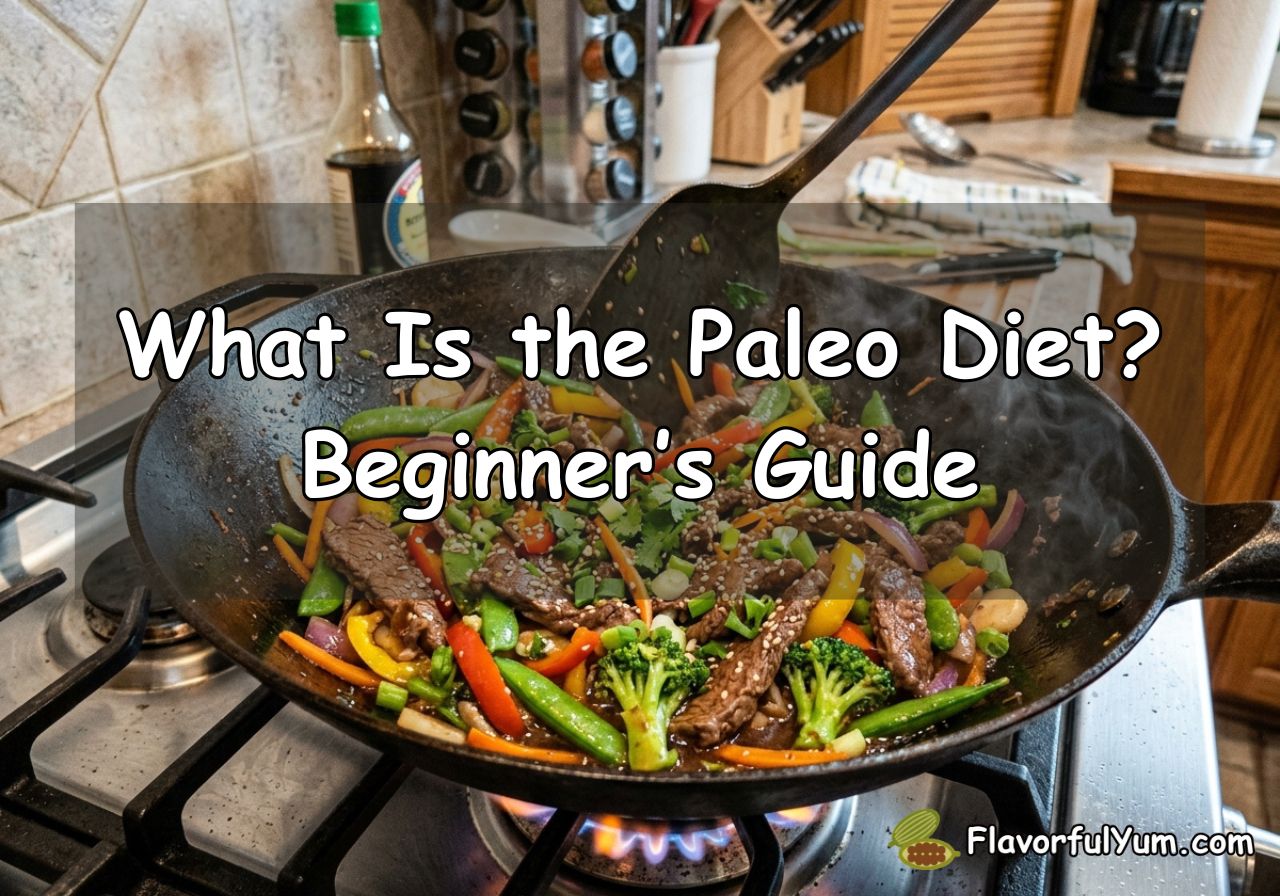
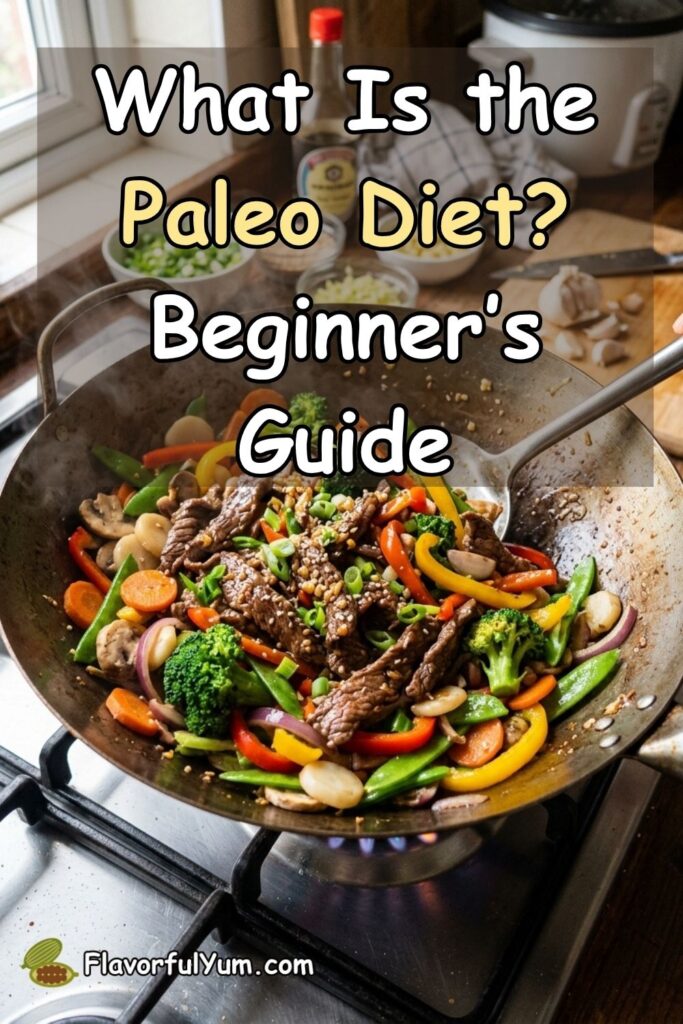
1. Grass-Fed Beef and Vegetable Stir-Fry
A complete paleo meal in one pan that takes twenty minutes and uses coconut aminos — a soy-free, grain-free soy sauce alternative — to replicate the umami depth that soy sauce provides.
Ingredients:
- 500g grass-fed beef sirloin, thinly sliced
- 2 cups broccoli florets
- 1 red bell pepper, sliced
- 2 medium zucchini, sliced into half-moons
- 4 garlic cloves, minced
- 1 tbsp fresh ginger, grated
- 3 tbsp coconut aminos
- 1 tbsp sesame oil
- 2 tbsp coconut oil for cooking
- Salt and black pepper to taste
- Sesame seeds and sliced green onions for serving
Instructions:
- Slice beef as thinly as possible across the grain — partially freezing for 20 minutes before slicing makes this significantly easier and produces more tender results
- Season beef slices with salt and pepper
- Heat coconut oil in a large skillet or wok over the highest heat setting for 2 minutes until very hot
- Add beef in a single layer — work in two batches to avoid steaming rather than searing
- Cook beef for 60–90 seconds per side until browned and just cooked through — remove and set aside
- Add garlic and ginger to the same pan and stir for 30 seconds
- Add broccoli and bell pepper and stir-fry over high heat for 4 minutes
- Add zucchini and cook for another 2 minutes until all vegetables are tender-crisp
- Return beef to the pan and pour coconut aminos and sesame oil over everything
- Toss vigorously over high heat for 60 seconds until sauce coats all components evenly
- Serve immediately topped with sesame seeds and green onions
Paleo note: Coconut aminos replace soy sauce completely — they taste nearly identical but contain no soy, no gluten, and significantly less sodium.
2. Baked Lemon Herb Chicken Thighs With Sweet Potato
Sweet potatoes are one of the most important paleo carbohydrate sources — they provide complex carbohydrates, beta-carotene, and potassium without the grain-based drawbacks paleo removes.
Ingredients:
- 4 bone-in skin-on chicken thighs
- 2 large sweet potatoes, peeled and cubed
- 4 garlic cloves, minced
- 3 tbsp olive oil
- Juice and zest of 1 large lemon
- 1 tsp dried oregano
- 1 tsp dried thyme
- 1 tsp smoked paprika
- Salt and black pepper to taste
- Fresh parsley for serving
Instructions:
- Preheat oven to 200°C (400°F) and line a large baking tray with parchment paper
- Mix olive oil, minced garlic, lemon juice, lemon zest, oregano, thyme, smoked paprika, salt, and pepper together in a bowl
- Pat chicken thighs completely dry and place on the prepared tray
- Rub the herb mixture generously under and over the skin of each thigh
- Place sweet potato cubes around the chicken on the tray
- Toss sweet potatoes in any remaining herb mixture and spread into a single layer
- Roast for 35–40 minutes until chicken skin is deeply golden and crispy and sweet potatoes are caramelized at the edges
- Rest chicken for 5 minutes before serving
- Scatter fresh parsley over the entire tray and serve directly
3. Wild-Caught Salmon With Avocado Salsa
This recipe requires no cooking beyond the salmon itself. The avocado salsa comes together in five minutes and provides healthy fat, fiber, and brightness that makes simply cooked salmon taste complete and restaurant-quality.
Ingredients:
- 4 wild-caught salmon fillets, skin on
- 2 tbsp olive oil
- 1 tsp smoked paprika
- ½ tsp garlic powder
- Salt and black pepper to taste
Avocado salsa:
- 2 ripe avocados, diced
- 1 cup cherry tomatoes, quartered
- ¼ red onion, finely diced
- 1 tbsp fresh lime juice
- ¼ cup fresh cilantro, roughly chopped
- ½ jalapeño, finely diced (optional)
- Salt to taste
Instructions:
- Make the avocado salsa first so flavors have time to develop while salmon cooks
- Combine diced avocado, cherry tomatoes, red onion, lime juice, cilantro, and jalapeño in a bowl
- Toss gently to avoid mashing the avocado — some texture is important
- Season with salt, taste, and adjust lime juice as needed — set aside
- Pat salmon fillets completely dry on all sides
- Mix smoked paprika, garlic powder, salt, and pepper together
- Rub olive oil over each fillet then press the spice mixture firmly onto both sides
- Heat a cast iron or stainless steel pan over high heat for 2 minutes
- Place salmon skin-side down in the dry hot pan — the olive oil on the fish provides sufficient fat
- Cook for 4 minutes without moving until skin is completely crispy
- Flip and cook for another 2–3 minutes until flesh is just cooked through
- Rest for 2 minutes then serve topped generously with avocado salsa
4. Paleo Egg and Vegetable Breakfast Hash
A complete paleo breakfast that works equally well for dinner. Sweet potato provides the satisfying base that regular hash uses potato for, and the eggs add complete protein that sustains energy through the morning.
Ingredients:
- 2 large sweet potatoes, peeled and diced small
- 6 large eggs
- 1 red bell pepper, diced
- 1 medium onion, diced
- 3 garlic cloves, minced
- 2 cups baby spinach
- 1 tsp smoked paprika
- ½ tsp cumin
- ½ tsp onion powder
- 3 tbsp coconut oil
- Salt and black pepper to taste
- Fresh chives or parsley for serving
- Hot sauce for serving (check label for paleo compliance)
Instructions:
- Heat coconut oil in a large cast iron skillet over medium-high heat
- Add diced sweet potatoes in a single layer and season with smoked paprika, cumin, onion powder, salt, and pepper
- Cook sweet potatoes for 8 minutes without stirring — allowing them to develop a golden crust on the bottom before tossing
- Toss and cook for another 6 minutes until sweet potatoes are golden on all sides and completely tender when pierced with a fork
- Add diced onion and bell pepper to the skillet and stir to combine with the sweet potatoes
- Cook for 5 minutes until vegetables soften
- Add minced garlic and cook for 90 seconds stirring constantly
- Add baby spinach and stir for 60 seconds until completely wilted into the hash
- Create six evenly spaced wells in the hash using the back of a spoon
- Crack one egg carefully into each well
- Reduce heat to medium-low and cover the skillet with a lid
- Cook for 4–5 minutes until egg whites are completely set but yolks remain runny
- Season eggs with salt and pepper and serve directly from the skillet topped with fresh herbs and hot sauce
Paleo note: This single dish covers every major paleo food category — quality animal protein from eggs, complex carbohydrates from sweet potato, and multiple vegetables — making it one of the most nutritionally complete paleo meals available.
Getting Started: Your First Paleo Week
The most effective way to begin paleo is clearing rather than gradually reducing. Remove non-paleo foods from your kitchen at the start — keeping grains and legumes in the house while trying to avoid them is unnecessarily difficult.
Day one through three focus entirely on learning what you can eat rather than managing what you can’t. Eggs, meat, fish, vegetables, fruit, and nuts cover every meal without restriction. Hunger is rarely the problem in the first few days — confusion about what qualifies is.
Day four through seven introduce the habit of batch cooking. Roast a tray of vegetables and cook a large protein on Sunday. Build lunches and dinners from these components throughout the week without cooking from scratch every night.
By the end of the first week, the food choices become intuitive. By the end of the first month, most people report that returning to their previous eating patterns holds little appeal.
Final Thoughts
The paleo diet is a framework built on a coherent principle — align your food choices with what human biology evolved to process efficiently. It removes grains, legumes, dairy, and processed foods not as arbitrary restrictions but as a reasoned response to what research and evolutionary logic suggest about human dietary needs.
Start with the four recipes above. Use them to build familiarity with paleo ingredients and cooking methods before expanding your recipe collection. The learning curve is real but short — and most people find that after two weeks, paleo eating stops feeling like a diet and starts feeling like simply eating well.

It’s Eliana Hazel. I’m a 33-year-old wife and mom of two from Tennessee who loves cooking fresh, simple meals for my family. I shop for veggies at Walmart, try new recipes, and add my own twist to make them special. When I’m not in the kitchen, I enjoy yoga, meditation, and catching up with my friends over green smoothies. Here, I share family-tested recipes, easy cooking tips, and a little inspiration to make your kitchen a happy place.
Related Posts



Previous Post
Next Post


Hey, y’all! I’m Hazel!
I’m SO happy you’re here! I’m passionate about cooking fresh, homemade meals for my family and love sharing recipes that are simple, healthy, and full of flavor. Here on my blog, I believe in making food with love, experimenting with ingredients, and turning everyday meals into something special. In short, I believe that cooking at home brings families closer and makes life more joyful. >>> Learn more