
Now Reading: How Kitchen Safety Tools Reduce Household Injuries?
-
01
How Kitchen Safety Tools Reduce Household Injuries?
The kitchen is one of the busiest rooms in the home. It is also one of the most common places for household injuries. I have learned that small accidents can happen fast. Sharp knives, hot pans, slippery floors, and electrical appliances all create risk.
Kitchen safety tools reduce these risks. They protect hands, prevent burns, reduce falls, and improve control during food preparation. In this guide, I explain how kitchen safety tools reduce household injuries and why every home should use them.

Why Kitchen Injuries Happen?
Kitchen injuries often happen because of:
- Sharp tools
- Hot surfaces
- Wet floors
- Poor lighting
- Cluttered counters
- Improper storage
I noticed that most accidents occur during rushed cooking. When I started using proper safety tools, my confidence increased and accidents decreased.
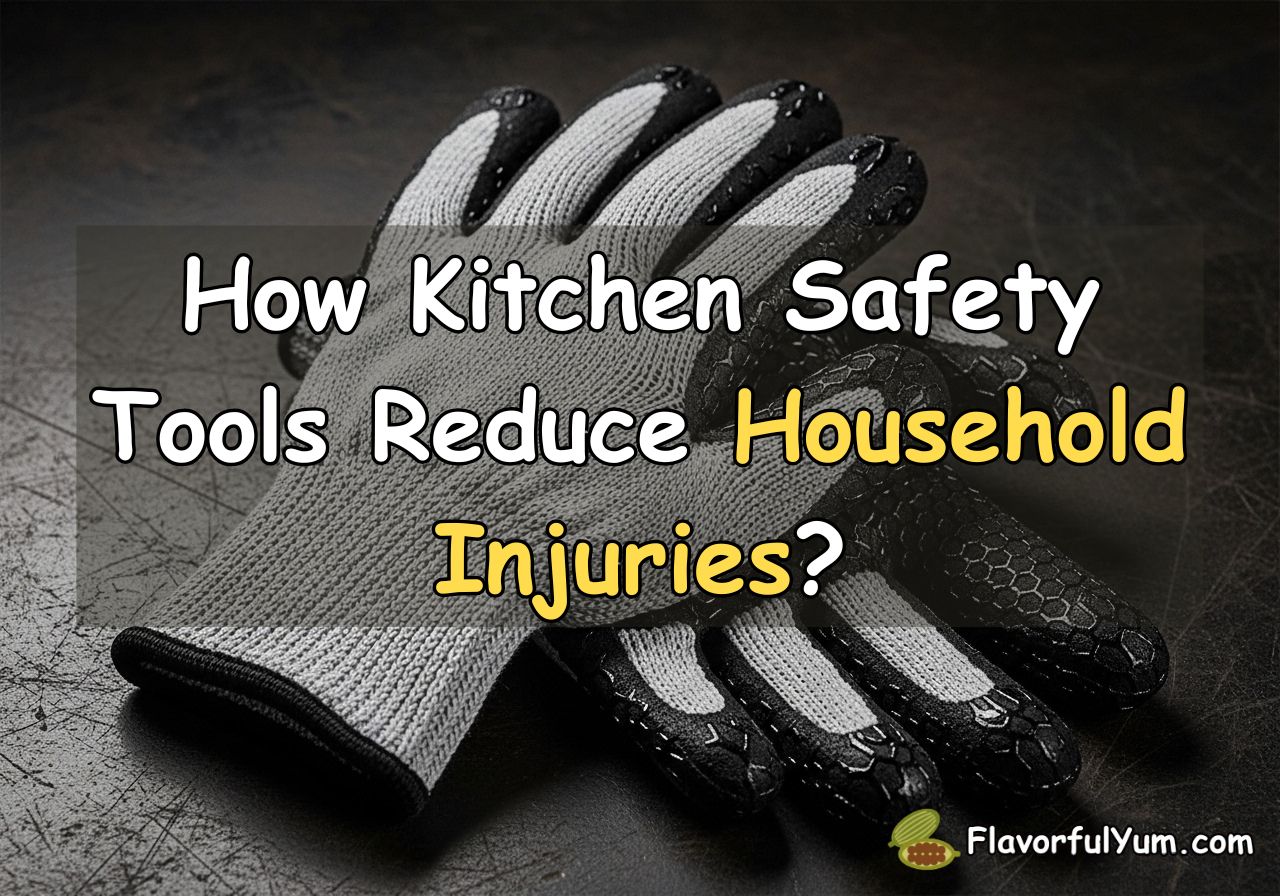
1. Cut-Resistant Gloves Prevent Knife Injuries
Knife cuts are common in home kitchens. I once cut my finger while slicing vegetables quickly. Since then, I use cut-resistant gloves for certain tasks.
Cut-resistant gloves create a barrier between the knife and the skin. They reduce the severity of cuts during slicing, chopping, or grating.
How They Reduce Injuries:
- Protect fingers during cutting
- Improve grip on slippery foods
- Increase confidence during prep
These gloves are useful when using mandolines or sharp knives.
2. Knife Guards and Knife Blocks Prevent Accidental Cuts
Loose knives inside drawers create danger. Hands can accidentally touch blades. I store my knives in a knife block or use blade guards.
Knife guards cover sharp edges. Knife blocks hold knives upright and separated.
How They Reduce Injuries:
- Prevent accidental contact
- Protect children from exposed blades
- Keep knives stable and secure
Safe knife storage reduces both injury and blade damage.
3. Non-Slip Cutting Boards Prevent Slipping
A moving cutting board increases the risk of cuts. I place a damp towel under my cutting board. Some cutting boards include non-slip edges.
How They Reduce Injuries:
- Keep the board stable
- Improve control while cutting
- Prevent sudden slips
Stable surfaces allow better focus and safer movements.
4. Oven Mitts and Heat-Resistant Gloves Prevent Burns
Burns happen when handling hot pots, pans, or baking trays. I always use oven mitts when removing items from the oven.
Heat-resistant gloves protect hands from high temperatures. Some gloves also provide better grip than cloth mitts.
How They Reduce Injuries:
- Protect skin from burns
- Improve grip on hot cookware
- Prevent dropped hot items
Proper hand protection reduces both minor and severe burns.
5. Pot Handle Covers Reduce Accidental Burns
Metal pot handles get hot quickly. I use silicone handle covers when cooking on the stove.
How They Reduce Injuries:
- Insulate hot handles
- Reduce risk of grabbing hot metal
- Improve grip control
These covers are simple tools that prevent painful accidents.
6. Stove Guards Protect Children
Children are naturally curious. They may reach for stove knobs or hot surfaces. Stove guards act as barriers between children and burners.
How They Reduce Injuries:
- Block access to flames
- Prevent tipping of hot pots
- Reduce burn risk
I believe stove guards provide peace of mind in homes with children.
7. Fire Extinguishers Reduce Fire Damage
Kitchen fires often start from grease or unattended cooking. A small fire can grow quickly without proper response.
I keep a fire extinguisher near my kitchen exit.
How It Reduces Injuries:
- Controls small fires quickly
- Prevents fire spread
- Protects people and property
A fire extinguisher is one of the most important kitchen safety tools.
8. Smoke Detectors Provide Early Warning
Smoke detectors alert families to danger. I test mine regularly.
How They Reduce Injuries:
- Provide early warning
- Allow quick evacuation
- Reduce smoke inhalation risk
Early detection prevents serious harm.
9. Anti-Fatigue and Non-Slip Mats Prevent Falls
Spills happen in kitchens. Wet floors increase fall risk. I use non-slip mats near the sink and stove.
How They Reduce Injuries:
- Improve traction
- Reduce slipping
- Cushion falls
Mats also reduce strain during long cooking sessions.
10. Proper Lighting Reduces Mistakes
Poor lighting increases accidents. I added under-cabinet lights to improve visibility.
How It Reduces Injuries:
- Helps see knife position
- Improves food handling accuracy
- Prevents missteps
Clear visibility supports safer cooking.
11. Food Thermometers Prevent Foodborne Illness
Undercooked food can cause illness. I use a food thermometer to check meat temperature.
How It Reduces Injuries:
- Ensures proper cooking
- Prevents food poisoning
- Increases meal safety
Illness from unsafe food counts as a household injury. Thermometers reduce this risk.
12. Childproof Cabinet Locks Prevent Access to Dangerous Items
Cleaning chemicals and sharp tools often sit inside cabinets. I use childproof locks when children visit my home.
How They Reduce Injuries:
- Block access to knives
- Prevent chemical exposure
- Reduce accidental ingestion
Cabinet locks add a strong layer of protection.
13. Appliance Auto Shut-Off Features Prevent Overheating
Many modern appliances include automatic shut-off systems. My electric kettle turns off once water boils.
How They Reduce Injuries:
- Prevent overheating
- Reduce fire risk
- Protect electrical systems
These features reduce risk when distractions occur.
14. Safe Storage Containers Prevent Breakage
Glass containers can break easily. Broken glass causes cuts. I store glass items on stable shelves.
How They Reduce Injuries:
- Prevent falling objects
- Reduce broken glass
- Improve organization
Proper storage reduces accidents during retrieval.
15. Lid Organizers Prevent Falling Objects
Stacked lids often fall when opening cabinets. I use lid racks to keep them upright.
How They Reduce Injuries:
- Prevent items from falling
- Reduce hand injuries
- Improve organization
Simple organizers reduce sudden accidents.
16. First Aid Kits Allow Quick Response
Even with precautions, small injuries can occur. I keep a first aid kit in my kitchen.
How It Reduces Injury Impact:
- Treats minor cuts quickly
- Reduces infection risk
- Provides immediate care
Quick treatment prevents minor injuries from becoming serious.
17. Proper Tool Maintenance Reduces Malfunction
Damaged tools increase risk. A dull knife requires more force. Loose handles create instability.
I inspect my tools regularly.
How Maintenance Reduces Injuries:
- Improves tool control
- Reduces slippage
- Extends product life
Maintenance acts as preventive safety.
The Role of Organization in Injury Prevention
Clutter increases accidents. I keep counters clear and tools organized.
Organization helps by:
- Reducing distractions
- Improving movement
- Preventing misplaced sharp objects
Clear space equals safer movement.
Safe Habits Enhance Tool Effectiveness
Safety tools work best with safe habits. I combine tools with proper behavior.
I always:
- Wash hands before cooking
- Clean spills immediately
- Store tools after use
- Stay focused during cutting
Tools support safety, but habits complete it.
Kitchen Safety for Families
Families face additional risks. Children and elderly family members may have slower reaction times.
Safety tools help families by:
- Reducing sharp exposure
- Preventing burns
- Improving stability
When I host family gatherings, I double-check safety measures.
The Cost of Ignoring Kitchen Safety
Ignoring safety tools can lead to:
- Cuts
- Burns
- Falls
- Foodborne illness
- Fire damage
Medical costs and recovery time can exceed the cost of safety tools. Prevention saves money and stress.
My Personal Kitchen Safety Checklist
I follow this checklist weekly:
- Check smoke detector batteries
- Inspect knife sharpness
- Clean spills immediately
- Ensure fire extinguisher access
- Confirm proper storage
This routine keeps my kitchen safe and functional.
How Kitchen Safety Tools Build Confidence?
When I use proper tools, I feel confident. Confidence improves focus. Focus reduces mistakes.
Safety tools support:
- Calm cooking
- Efficient movement
- Better meal preparation
A safe kitchen creates a positive cooking experience.
Common Mistakes People Make
I avoid these common errors:
- Ignoring small spills
- Leaving knives in sinks
- Using damaged oven mitts
- Overloading electrical outlets
- Storing heavy items on high shelves
Correcting these habits reduces risk.
Final Thoughts
Kitchen safety tools reduce household injuries by protecting hands, preventing burns, reducing falls, and lowering fire risk. I believe every home should prioritize kitchen safety.
Simple tools like cut-resistant gloves, oven mitts, fire extinguishers, and non-slip mats create strong protection layers. When combined with safe habits and proper storage, they significantly reduce accidents.
I view kitchen safety as an investment in health and peace of mind. A safe kitchen allows me to cook confidently and enjoy time with family without worry.
Small changes lead to safer outcomes. When I use proper safety tools daily, I reduce risk and create a secure environment for everyone in my home.

It’s Eliana Hazel. I’m a 33-year-old wife and mom of two from Tennessee who loves cooking fresh, simple meals for my family. I shop for veggies at Walmart, try new recipes, and add my own twist to make them special. When I’m not in the kitchen, I enjoy yoga, meditation, and catching up with my friends over green smoothies. Here, I share family-tested recipes, easy cooking tips, and a little inspiration to make your kitchen a happy place.
Related Posts
Previous Post
Next Post

Hey, y’all! I’m Hazel!
I’m SO happy you’re here! I’m passionate about cooking fresh, homemade meals for my family and love sharing recipes that are simple, healthy, and full of flavor. Here on my blog, I believe in making food with love, experimenting with ingredients, and turning everyday meals into something special. In short, I believe that cooking at home brings families closer and makes life more joyful. >>> Learn more