
Now Reading: How Long Is Cooked Rice Safe to Eat?
-
01
How Long Is Cooked Rice Safe to Eat?
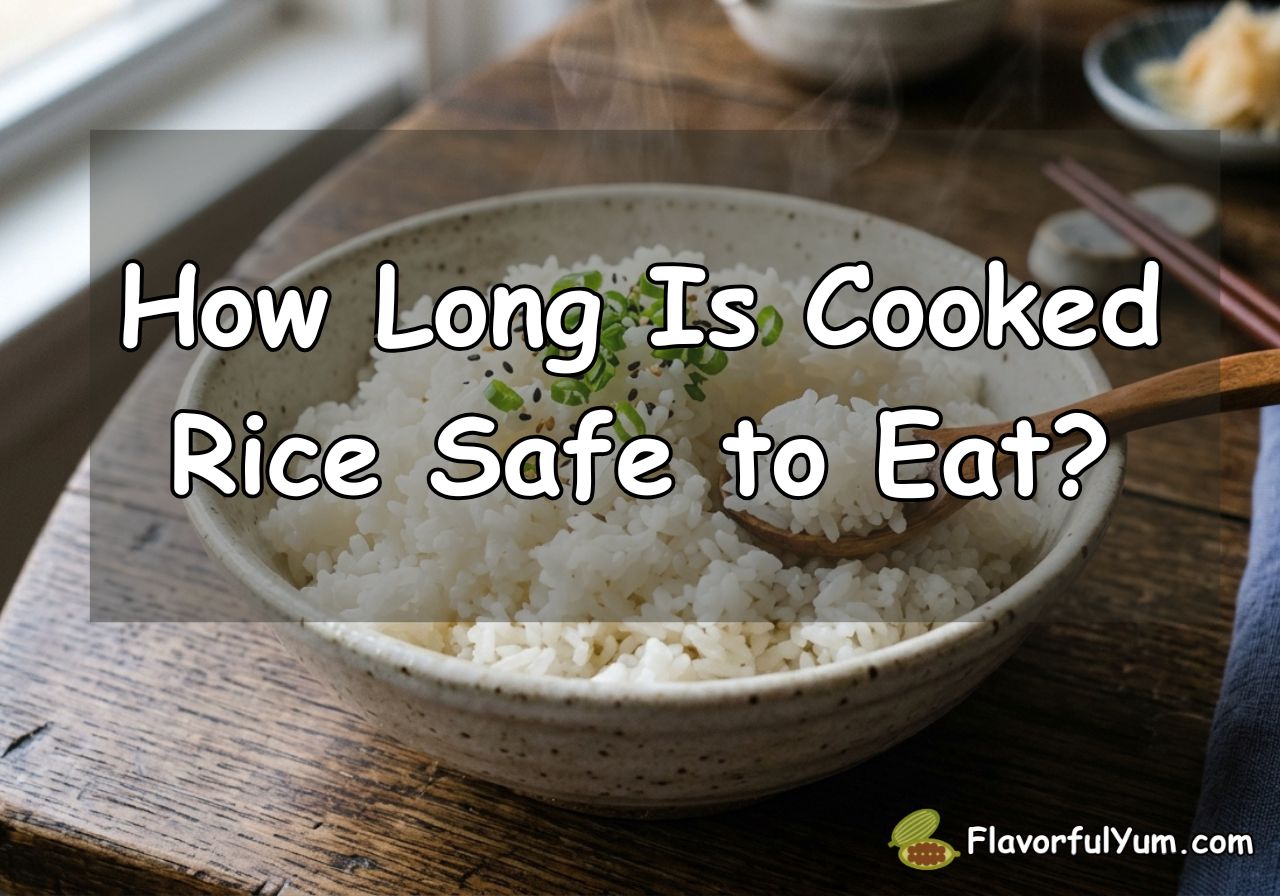
Rice is one of the most common foods in my kitchen. It’s easy to cook and pairs with almost any dish. But cooked rice can go bad quickly if I don’t handle it properly. Eating spoiled rice can cause food poisoning. That’s why I always check how long cooked rice is safe to eat. In this article, I share everything I know about storing, handling, and eating rice safely.

Why Cooked Rice Can Go Bad?
Cooked rice is more than just plain starch. It contains moisture. This moisture can attract bacteria. One of the main bacteria is Bacillus cereus. It can survive cooking and multiply when rice sits at room temperature.
I learned this the hard way once. I left rice out after dinner. By the next day, it smelled sour. Eating it could have caused vomiting or diarrhea. That experience taught me to handle rice carefully.
How Long Can Cooked Rice Sit at Room Temperature?
Cooked rice should never sit out for more than 2 hours. If the room is hot (above 90°F or 32°C), it should be 1 hour max.
Why 2 hours? Bacteria grow quickly in the “danger zone” of 40°F–140°F (4°C–60°C). The longer rice sits out, the higher the risk of food poisoning.
I always remind myself: if rice has been out too long, throw it away. It’s safer than risking illness.
How Long Is Cooked Rice Safe in the Refrigerator?
Refrigerating rice slows bacterial growth. Here’s what I follow:
- Storage time: 3–5 days.
- Temperature: Keep it at 40°F (4°C) or below.
- Storage tip: Use a clean, airtight container.
I usually cool rice before refrigerating. I spread it on a plate for 10–15 minutes so it cools quickly. Then I transfer it to a container and place it in the fridge.
How Long Can Cooked Rice Stay in the Freezer?
Freezing cooked rice is the best way to extend its life. I do this when I cook large batches.
- Storage time: Up to 6 months.
- Tip: Divide rice into small portions before freezing. This makes it easy to thaw only what I need.
I usually put rice in freezer bags. I press out the air and seal tightly. When I need it, I thaw it in the fridge or microwave.
How to Reheat Cooked Rice Safely?
Reheating rice properly kills most bacteria. I follow these steps:
- Add a small splash of water to prevent drying.
- Heat until steaming hot (165°F or 74°C).
- Stir occasionally to heat evenly.
I never reheat rice more than once. Each time it cools, bacteria can grow. Multiple reheats increase the risk of foodborne illness.
Signs Cooked Rice Has Gone Bad
I always check rice before eating. Here’s what I look for:
- Smell: Sour or unusual odor.
- Texture: Slimy or sticky in a different way than normal.
- Appearance: Discoloration or mold.
If rice shows any of these signs, I throw it away immediately. I never try to salvage it. Safety comes first.
Tips to Keep Cooked Rice Safe Longer
Here are my top tips:
- Cool quickly: Spread rice on a plate after cooking.
- Store in small containers: Helps rice cool faster and reduces bacteria growth.
- Use clean utensils: Avoid contaminating rice when serving.
- Label with dates: I mark the container with the day I cooked it.
- Freeze extra rice: Makes future meals faster and safe.
These small steps make a big difference. They help me enjoy rice without worrying about food poisoning.
How to Use Leftover Rice Safely?
Leftover rice doesn’t have to go to waste. I use it in many dishes:
- Fried rice: Heat rice with vegetables, eggs, and a little oil.
- Rice pudding: Mix rice with milk and a sweetener, then cook gently.
- Soups: Add rice at the end of cooking.
- Rice salads: Use chilled rice with vegetables and dressing.
These methods keep rice safe while making meals tasty and exciting.
Common Mistakes to Avoid
I’ve learned a few mistakes to avoid with rice:
- Leaving rice at room temperature too long.
- Reheating rice more than once.
- Using dirty utensils.
- Freezing rice in large clumps that thaw unevenly.
- Ignoring signs of spoilage.
Avoiding these mistakes keeps rice safe and enjoyable.
Why Food Safety Matters?
Foodborne illness can be serious. Bacillus cereus in rice can cause vomiting and diarrhea within hours. I take these precautions seriously because I want to protect my health.
Even when rice looks fine, bacteria can grow without changing appearance. Following storage rules is the safest approach.
My Routine for Safe Rice
Here’s what I do:
- Cook rice as usual.
- Cool it for 10–15 minutes.
- Transfer to small, airtight containers.
- Refrigerate within 2 hours.
- Reheat only once before eating.
- Freeze any extra portions.
This routine keeps rice safe and tasty for the week.
Quick Reference Table for Cooked Rice Safety
| Storage Method | Safe Time | Temperature / Tip |
|---|---|---|
| Room temperature | Up to 2 hours | 1 hour if >90°F / 32°C |
| Refrigerator | 3–5 days | ≤40°F / 4°C, airtight container |
| Freezer | Up to 6 months | Small portions, sealed tightly |
| Reheat | Once only | Heat to 165°F / 74°C |
I keep this table in my kitchen as a reminder. It’s easy to glance at and follow.
Conclusion
Cooked rice can be safe to eat if handled correctly. Room temperature: 1–2 hours. Refrigerator: 3–5 days. Freezer: up to 6 months. Reheat properly and check for spoilage.
Following these steps keeps me healthy and prevents food waste. Rice is versatile, so I never let extra portions go to waste. Whether I make fried rice, soup, or a salad, leftover rice is always useful.
Next time you cook rice, remember these rules. They are simple, practical, and safe. Your meals will stay fresh, tasty, and worry-free.

It’s Eliana Hazel. I’m a 33-year-old wife and mom of two from Tennessee who loves cooking fresh, simple meals for my family. I shop for veggies at Walmart, try new recipes, and add my own twist to make them special. When I’m not in the kitchen, I enjoy yoga, meditation, and catching up with my friends over green smoothies. Here, I share family-tested recipes, easy cooking tips, and a little inspiration to make your kitchen a happy place.
Related Posts


Previous Post
Next Post


Hey, y’all! I’m Hazel!
I’m SO happy you’re here! I’m passionate about cooking fresh, homemade meals for my family and love sharing recipes that are simple, healthy, and full of flavor. Here on my blog, I believe in making food with love, experimenting with ingredients, and turning everyday meals into something special. In short, I believe that cooking at home brings families closer and makes life more joyful. >>> Learn more