
Now Reading: How to Avoid Nutrient Deficiencies as a Vegan?
-
01
How to Avoid Nutrient Deficiencies as a Vegan?
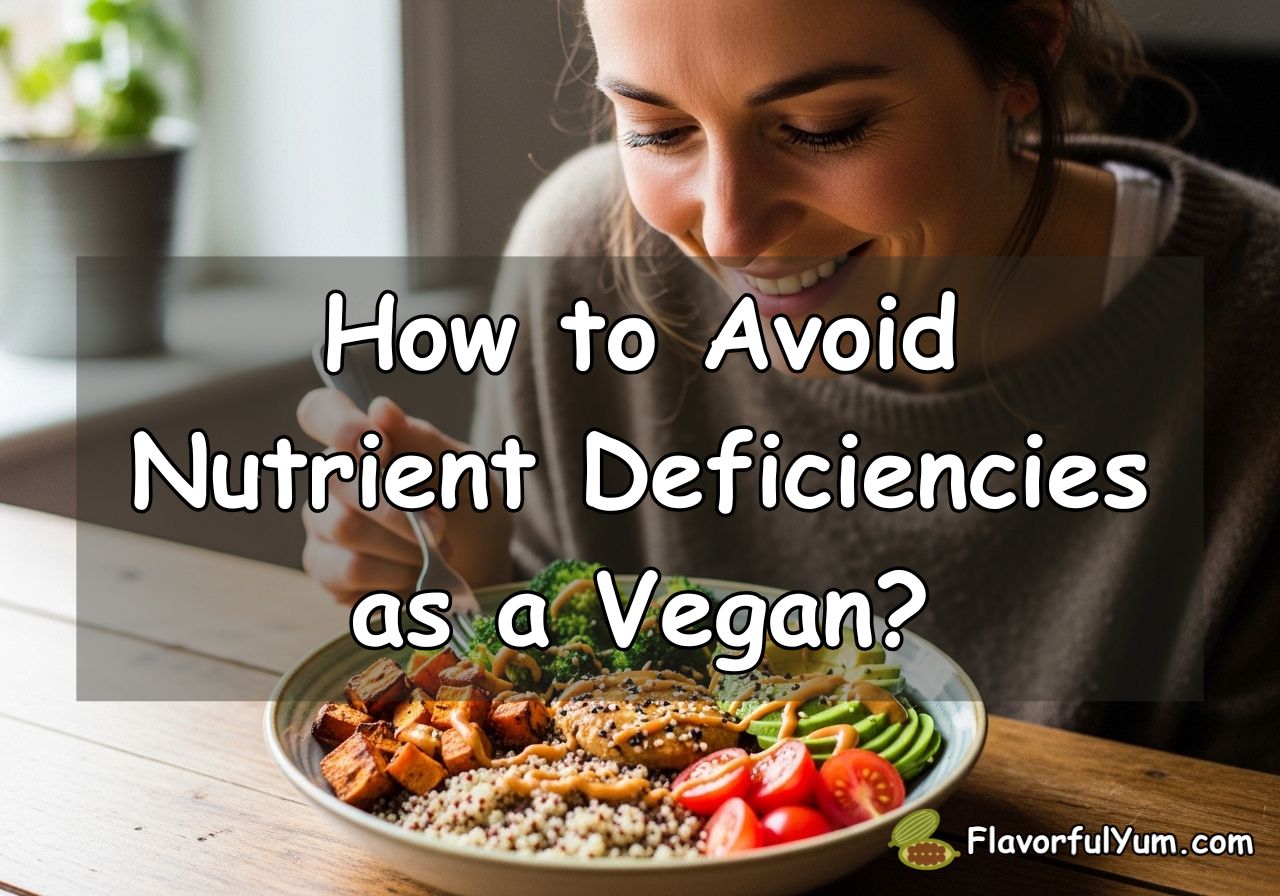
Switching to a vegan diet can improve health, reduce environmental impact, and support ethical choices.
However, some people experience nutrient deficiencies if they do not plan carefully. Feeling tired, weak, or having trouble concentrating can be signs.
I have followed a vegan diet for years and learned how to prevent deficiencies. This guide shares practical tips and strategies for maintaining nutrient balance on a vegan diet.

Why Nutrient Deficiencies Happen on a Vegan Diet?
A vegan diet excludes all animal products. This removes common sources of certain vitamins and minerals, such as B12, iron, calcium, and omega-3 fatty acids.
Nutrient deficiencies may occur due to:
- Relying heavily on processed vegan foods
- Not including a variety of plant-based protein sources
- Poor absorption of plant-based nutrients
- Low intake of calories or fortified foods
Understanding these risks helps you plan your meals better.
Key Nutrients to Monitor as a Vegan
Some nutrients need extra attention on a vegan diet.
1. Vitamin B12
B12 is critical for red blood cells, energy, and nerve function.
- B12 is mostly found in animal products.
- Vegan sources include fortified plant milk, fortified cereals, and nutritional yeast.
- Many vegans take a B12 supplement daily or weekly.
Tip: Check your B12 levels regularly with blood tests.
2. Iron
Iron helps carry oxygen in your blood.
- Plant sources include lentils, beans, tofu, spinach, pumpkin seeds, and quinoa.
- Plant iron (non-heme iron) is harder for the body to absorb.
- Pair iron-rich foods with vitamin C (citrus, bell peppers, tomatoes) to increase absorption.
- Avoid tea and coffee around meals because they reduce iron absorption.
3. Calcium
Calcium supports bones, teeth, and muscle function.
- Vegan sources include fortified plant milk, tofu made with calcium sulfate, almonds, broccoli, and kale.
- Aim for 3 servings of calcium-rich foods daily.
- Calcium supplements are an option if intake is low.
4. Vitamin D
Vitamin D helps the body absorb calcium and supports immunity.
- Sun exposure allows your body to make vitamin D naturally.
- In winter or if you get little sunlight, consider fortified foods or a vegan vitamin D supplement.
- Some plant milks and cereals are fortified with vitamin D.
5. Omega-3 Fatty Acids
Omega-3 fatty acids support brain and heart health.
- Plant-based sources include flaxseeds, chia seeds, walnuts, and hemp seeds.
- Algal oil supplements provide DHA, the omega-3 form found in fish.
- Adding ground flaxseed or chia seeds to oatmeal or smoothies improves omega-3 intake.
6. Iodine
Iodine supports thyroid function.
- Vegan sources include iodized salt and seaweed (like nori or kelp).
- Avoid excess seaweed, which can provide too much iodine.
7. Zinc
Zinc supports immunity, wound healing, and energy.
- Sources include beans, lentils, chickpeas, nuts, seeds, and whole grains.
- Soaking beans and seeds improves zinc absorption.
8. Protein
Protein is essential for muscles, enzymes, and hormones.
- Include a variety of legumes, tofu, tempeh, seitan, nuts, seeds, and whole grains.
- Combining protein sources ensures all essential amino acids.
Meal Planning to Avoid Deficiencies
Planning meals is the key to a balanced vegan diet.
1. Include a Protein Source in Every Meal
- Breakfast: oatmeal with peanut butter and chia seeds
- Lunch: quinoa salad with black beans and vegetables
- Dinner: tofu stir-fry with broccoli and brown rice
- Snacks: hummus with carrot sticks or a handful of almonds
2. Rotate Vegetables and Fruits
- Eat dark leafy greens, cruciferous vegetables, and colorful fruits.
- Each vegetable and fruit provides different vitamins, minerals, and antioxidants.
3. Incorporate Fortified Foods
- Choose fortified plant milks and cereals for B12, calcium, and vitamin D.
- Fortified nutritional yeast adds flavor and nutrients to meals.
4. Plan for Snacks
- Nuts, seeds, and dried fruit provide protein, healthy fats, and micronutrients.
- Roasted chickpeas or edamame are filling and nutritious.
Cooking and Preparation Tips
Cooking methods can affect nutrient absorption.
- Soak and cook beans and lentils to improve digestibility and nutrient absorption.
- Steam vegetables instead of boiling to preserve vitamins.
- Use citrus or tomato-based dressings with iron-rich meals.
Sample Day of Nutrient-Rich Vegan Meals
Breakfast: Oatmeal with almond milk, chia seeds, blueberries, and peanut butter
Snack: Apple slices with almond butter
Lunch: Lentil and quinoa salad with spinach, bell peppers, and lemon dressing
Snack: Roasted chickpeas and a handful of walnuts
Dinner: Tofu stir-fry with broccoli, carrots, brown rice, and tamari sauce
Optional Snack: Smoothie with fortified plant milk, banana, and ground flaxseed
This meal plan ensures adequate protein, iron, B12 (from fortified sources), calcium, vitamin D, and omega-3 fatty acids.
Supplements to Consider
Some nutrients are difficult to get from plants alone.
- Vitamin B12: Daily or weekly supplement is highly recommended.
- Vitamin D: Especially during winter or low sun exposure.
- Omega-3 DHA: Consider algal oil if you don’t consume flax or chia seeds daily.
- Iodine: Use iodized salt if seaweed intake is low.
Supplements are a safe way to prevent deficiencies without relying on processed vegan foods.
Avoid Common Mistakes
Some common mistakes can lead to deficiencies.
- Relying on Processed Vegan Foods
- Vegan junk food may provide calories but few nutrients.
- Focus on whole foods instead.
- Skipping Protein or Legumes
- Not including enough protein-rich foods leads to fatigue and muscle loss.
- Ignoring Fortified Foods or Supplements
- B12, vitamin D, and iodine are hard to get from plant foods alone.
- Not Eating Enough Calories
- Eating too few calories can reduce nutrient intake and energy.
- Lack of Meal Variety
- Eating the same few foods repeatedly increases risk of nutrient gaps.
Tips for Long-Term Vegan Health
- Track Nutrient Intake
- Apps or journals help monitor protein, iron, B12, calcium, and vitamin D.
- Get Regular Blood Tests
- Check iron, B12, vitamin D, and iodine levels every 6–12 months.
- Diversify Your Meals
- Rotate grains, legumes, nuts, seeds, fruits, and vegetables weekly.
- Use Herbs and Spices
- Herbs and spices enhance flavor without processed additives.
- Listen to Your Body
- Fatigue, hair loss, or poor concentration may indicate a nutrient gap.
Budget-Friendly Strategies
Eating vegan doesn’t have to be expensive.
- Buy beans, lentils, and rice in bulk.
- Choose seasonal produce.
- Cook at home instead of relying on pre-made vegan meals.
- Make your own snacks like energy bites, roasted chickpeas, or granola.
These strategies reduce cost while keeping meals nutrient-rich.
Conclusion
A vegan diet can provide all the nutrients your body needs with planning.
Key nutrients to focus on include:
- Vitamin B12
- Iron
- Calcium
- Vitamin D
- Omega-3 fatty acids
- Iodine
- Zinc
- Protein
I have found that combining whole foods, fortified products, meal planning, and supplements keeps my energy levels high and prevents deficiencies.
By following these tips, you can enjoy a healthy vegan diet without fatigue or nutrient gaps. Eating a variety of plant-based foods ensures your meals are balanced, affordable, and delicious.

It’s Eliana Hazel. I’m a 33-year-old wife and mom of two from Tennessee who loves cooking fresh, simple meals for my family. I shop for veggies at Walmart, try new recipes, and add my own twist to make them special. When I’m not in the kitchen, I enjoy yoga, meditation, and catching up with my friends over green smoothies. Here, I share family-tested recipes, easy cooking tips, and a little inspiration to make your kitchen a happy place.
Related Posts



Previous Post
Next Post
Previous Post

Next Post


Hey, y’all! I’m Hazel!
I’m SO happy you’re here! I’m passionate about cooking fresh, homemade meals for my family and love sharing recipes that are simple, healthy, and full of flavor. Here on my blog, I believe in making food with love, experimenting with ingredients, and turning everyday meals into something special. In short, I believe that cooking at home brings families closer and makes life more joyful. >>> Learn more