
Now Reading: How to Create a Balanced Meal Prep Menu for the Week?
-
01
How to Create a Balanced Meal Prep Menu for the Week?
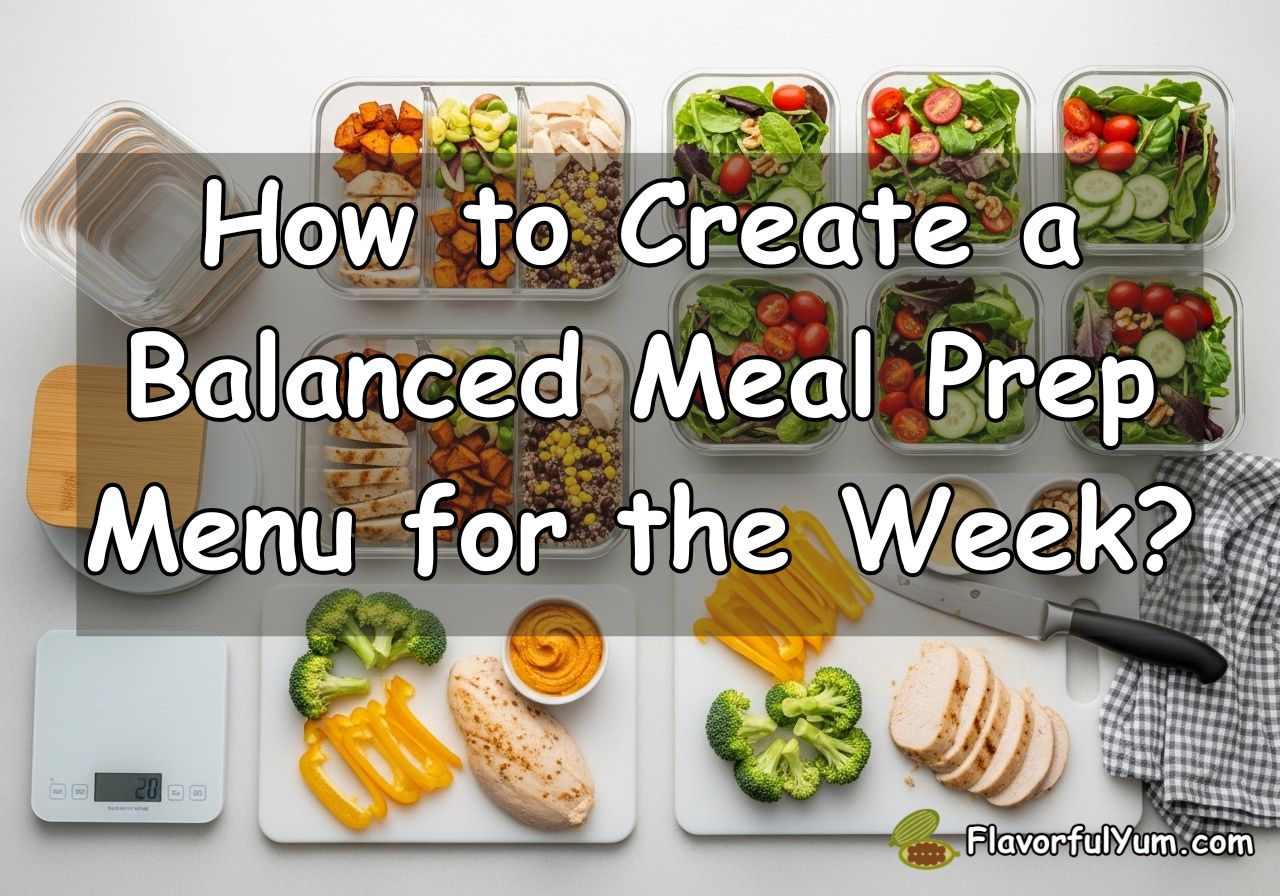
Creating a balanced meal prep menu for the week helps me save time, eat healthier, and control my portions. I do not need to cook every day. Planning ahead means I have meals ready, which reduces stress and prevents last-minute unhealthy choices. Balanced meal prep also ensures I get protein, vegetables, healthy fats, and carbs in the right amounts.
A balanced menu does not need to be complicated. I focus on simple ingredients that I like, foods that store well, and meals that are easy to assemble. I also consider variety to avoid boredom. Over time, meal prepping becomes faster and easier, and my week feels organized.
In this guide, I will show how I create a balanced meal prep menu for the week. I will cover planning, shopping, cooking, storage, and tips for making it work consistently.
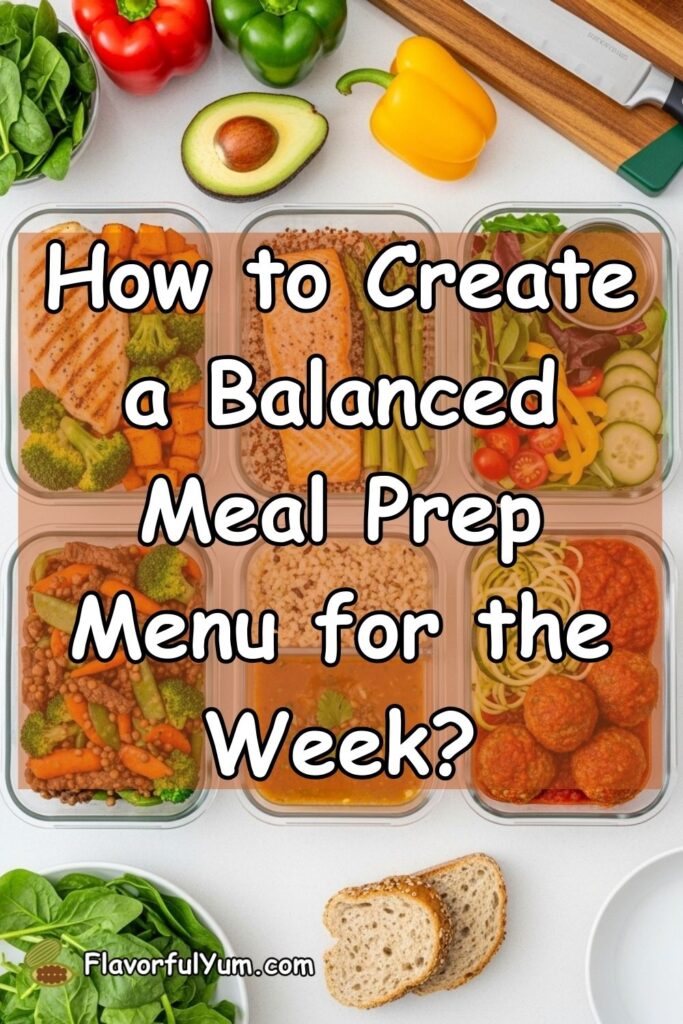
Step 1: Plan Your Meals Around Your Goals
The first step is to understand what I want from my meals. Am I trying to lose weight, maintain energy, or gain muscle? Each goal changes portion sizes and nutrient balance.
I divide each meal into three main parts: protein, carbohydrates, and vegetables. I also include healthy fats in moderation. For example, a meal could be grilled chicken (protein), quinoa (carbs), and roasted broccoli (vegetables), topped with a drizzle of olive oil (healthy fat).
I also consider snacks. Balanced meal prep includes mid-morning and afternoon snacks. I choose items like Greek yogurt, fruit, nuts, or hummus with veggies. Planning snacks prevents hunger and supports energy levels.
Finally, I think about variety. I plan two or three different proteins for the week to avoid repetition. I rotate vegetables and carbs to maintain flavor and nutrients.
Step 2: Make a Weekly Meal Template
I use a simple template to organize my week. I list each day and meal: breakfast, lunch, dinner, and snacks. I also include beverages if needed.
For breakfast, I often include eggs, oats, or yogurt. Lunch and dinner are usually protein-focused with vegetables and a carb source. Snacks are simple and portion-controlled.
I try to repeat meals no more than twice a week. This balance keeps prep simple without feeling boring. I also plan for leftovers, which reduces cooking time midweek.
Using a template allows me to see the week at a glance. It also makes shopping easier because I know exactly what I need.
Step 3: Make a Shopping List
Once I have a menu, I make a shopping list. I separate ingredients into categories: protein, vegetables, carbs, fruits, and pantry items.
I check what I already have in the fridge and pantry. This prevents buying duplicates. I also think about storage—what will last the week, and what should be bought fresh midweek.
I prioritize versatile ingredients. For example, chicken breast can be grilled, baked, or shredded for different meals. Vegetables like carrots, spinach, and bell peppers work in multiple recipes.
I stick to the list to avoid impulse buys. Shopping with a clear plan saves money and ensures I have everything for the week.
Step 4: Choose Protein Sources
Protein is the foundation of a balanced meal. I plan one or two servings per meal. I rotate options to keep meals interesting:
- Chicken breast or thighs
- Ground turkey or beef
- Fish such as salmon or tilapia
- Eggs or egg whites
- Tofu or tempeh for plant-based options
- Canned beans or lentils
I cook proteins in batches. For example, I grill several chicken breasts at once. I store them in containers for easy access. I also use different seasonings or sauces to add variety without extra work.
Protein helps me stay full, supports muscle, and keeps energy steady.
Step 5: Add Vegetables
Vegetables provide fiber, vitamins, and minerals. I aim to fill half my plate with vegetables.
I choose a mix of colors and textures. For example, broccoli, carrots, bell peppers, and leafy greens. I roast, steam, or sauté them depending on the recipe.
I also include raw options for salads or quick snacks. Vegetables that store well include carrots, zucchini, bell peppers, and cabbage.
Vegetables help with digestion and make meals feel larger without adding many calories.
Step 6: Include Healthy Carbs
Carbs provide energy. I focus on complex carbs for slow-release energy. Examples include:
- Brown rice or quinoa
- Sweet potatoes or regular potatoes
- Whole grain pasta
- Oats
- Lentils or beans
I portion carbs to fit my goals. For weight management, I keep them moderate. For active days, I increase the serving. I also rotate carbs to avoid monotony.
Carbs combined with protein and vegetables keep me satisfied for longer.
Step 7: Add Healthy Fats
Healthy fats improve satiety and flavor. I add them in small portions to each meal:
- Olive oil for cooking or drizzling
- Avocado slices
- Nuts or seeds
- Nut butter
- Fatty fish like salmon
I avoid excess oils and fried foods. Balanced fats enhance the meal without adding unnecessary calories.
Step 8: Prep and Cook in Batches
Batch cooking saves time. I choose a day, often Sunday, to prep most meals.
I cook proteins, roast vegetables, and prepare carbs in large quantities. I store them in containers labeled with the day or meal.
I also prepare snacks in portioned containers. Examples: carrot sticks, grapes, boiled eggs, or trail mix.
Batch cooking reduces stress during the week. Meals are ready to heat or assemble.
Step 9: Storage and Portioning
Proper storage keeps meals fresh. I use airtight containers for fridge storage. I separate meals if needed to prevent soggy textures.
I also portion meals according to my plan. For example, one serving of chicken, half a cup of rice, and one cup of vegetables.
Labeling containers with the meal and date helps avoid confusion. I use the fridge for meals I will eat in 3-4 days and the freezer for meals later in the week.
Proper storage ensures food stays safe, flavorful, and convenient.
Step 10: Plan for Variety
Even with prep, variety is key. I rotate proteins, vegetables, and carbs each week.
For example, one week I use chicken, salmon, and tofu. Next week, I rotate beef, eggs, and lentils. I also switch vegetables and carbs.
I add different spices or sauces to change flavor profiles. Simple additions like garlic, paprika, or soy sauce make meals feel new.
Variety prevents boredom and helps me stay consistent with healthy eating.
Step 11: Include Snacks and Small Treats
Balanced meal prep includes snacks. I prepare options that are healthy, portioned, and easy to grab:
- Greek yogurt with berries
- Hummus with carrot sticks
- Nuts or trail mix
- Apple slices with peanut butter
- Boiled eggs
I also allow small treats occasionally. Moderation helps prevent cravings and keeps meals enjoyable.
Step 12: Track and Adjust
After a week, I review what worked and what didn’t.
I notice which meals I ate fully and which were left untouched. I adjust flavors, portion sizes, or ingredients.
Tracking helps me refine my menu for the next week. Meal prep becomes more efficient over time.
I also notice how balanced meals affect energy, hunger, and satisfaction.
Step 13: Tips for Success
- Keep a running list of favorite meals for rotation.
- Use frozen vegetables for convenience and longer storage.
- Invest in quality containers for easy storage and transport.
- Cook once, season differently for variety.
- Stay flexible; not every meal must be perfect.
These habits make meal prep sustainable and stress-free.
Example Weekly Meal Prep Menu
Breakfast: Overnight oats with almond milk and berries, scrambled eggs with spinach, Greek yogurt with fruit.
Lunch: Grilled chicken with quinoa and roasted vegetables, lentil salad with avocado, turkey wraps with leafy greens.
Dinner: Baked salmon with sweet potato and broccoli, beef stir fry with brown rice, tofu and vegetable curry with cauliflower rice.
Snacks: Carrot sticks with hummus, boiled eggs, almonds, apple slices with peanut butter, Greek yogurt with chia seeds.
This menu stays balanced, easy to prep, and flavorful.
Final Thoughts
Creating a balanced meal prep menu for the week saves time, money, and energy. I focus on protein, vegetables, healthy fats, and complex carbs. I plan meals, prepare in batches, and store them properly.
Consistency and variety are key to staying on track. I allow small treats and adjust based on results. Meal prep helps me stay organized, reduces stress, and supports long-term healthy habits.
With a clear plan, simple ingredients, and batch cooking, balanced meal prep becomes a practical and enjoyable part of weekly life.

It’s Eliana Hazel. I’m a 33-year-old wife and mom of two from Tennessee who loves cooking fresh, simple meals for my family. I shop for veggies at Walmart, try new recipes, and add my own twist to make them special. When I’m not in the kitchen, I enjoy yoga, meditation, and catching up with my friends over green smoothies. Here, I share family-tested recipes, easy cooking tips, and a little inspiration to make your kitchen a happy place.
Related Posts

Previous Post
Next Post


Hey, y’all! I’m Hazel!
I’m SO happy you’re here! I’m passionate about cooking fresh, homemade meals for my family and love sharing recipes that are simple, healthy, and full of flavor. Here on my blog, I believe in making food with love, experimenting with ingredients, and turning everyday meals into something special. In short, I believe that cooking at home brings families closer and makes life more joyful. >>> Learn more