
Now Reading: How to Get Enough Fiber on a Gluten-Free Diet?
-
01
How to Get Enough Fiber on a Gluten-Free Diet?
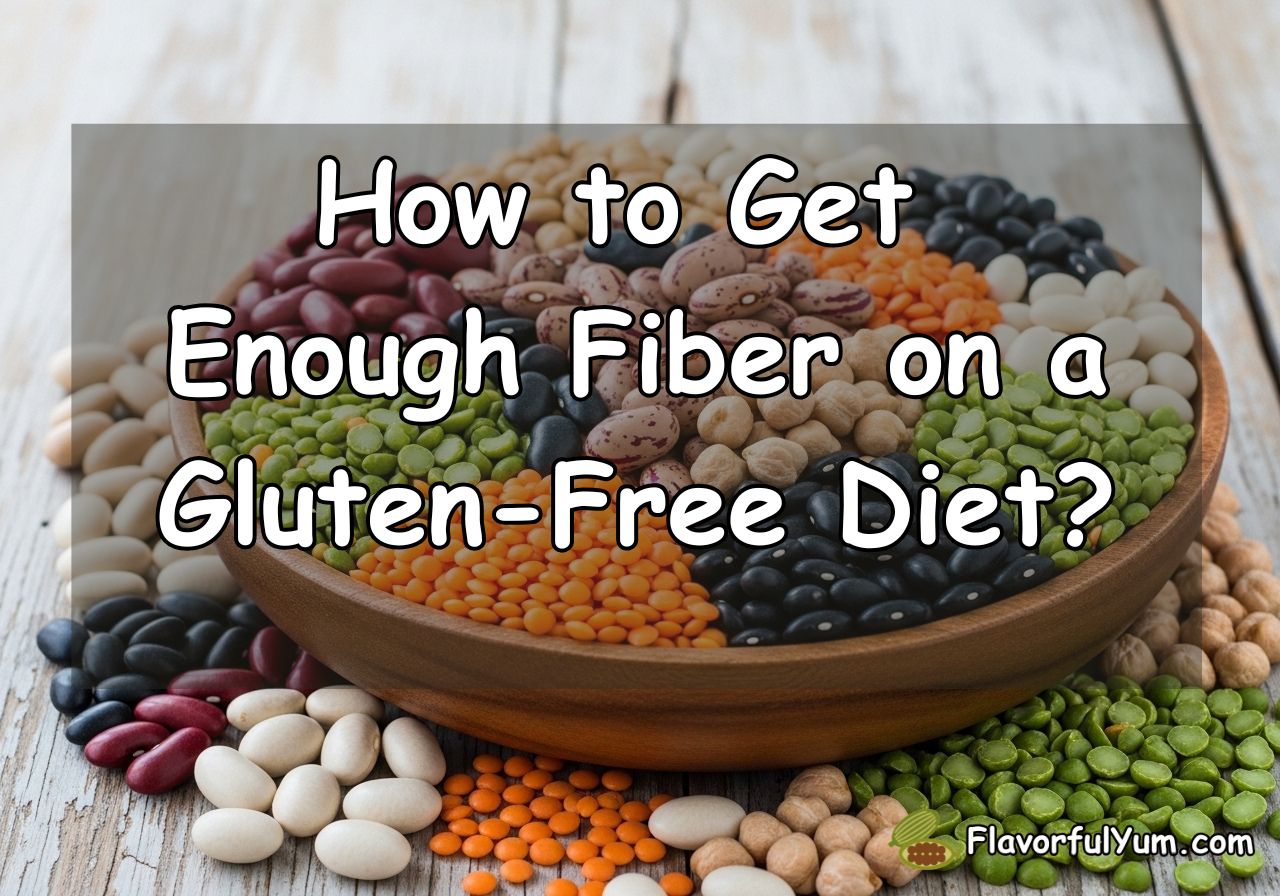
I follow a gluten-free diet, and one challenge I faced early on was getting enough fiber. Many high-fiber foods contain wheat. When I removed wheat, I also removed a major fiber source. I had to learn how to replace it with smart choices.
In this guide, I explain how to get enough fiber on a gluten-free diet using simple foods and clear strategies. You do not need expensive products. You need the right combinations.

Why Fiber Matters?
Fiber supports digestion and overall health.
Fiber helps:
- Improve bowel movement regularity
- Support gut bacteria
- Reduce constipation
- Support heart health
- Maintain stable blood sugar levels
- Increase fullness after meals
Adults usually need:
- Women: about 25 grams per day
- Men: about 30 to 38 grams per day
Many people fall short. A gluten-free diet can lower intake even more if not planned carefully.
Why Gluten-Free Diets Often Lack Fiber?
Many gluten-free packaged foods use refined starches.
Common ingredients include:
- White rice flour
- Potato starch
- Tapioca starch
- Corn starch
These ingredients contain little fiber. If I rely only on gluten-free bread, crackers, and pasta, my fiber intake drops quickly.
The solution is to focus on naturally gluten-free whole foods.
Best High-Fiber Gluten-Free Foods
I build my meals around these fiber-rich foods.
1. Legumes
Legumes provide large amounts of fiber and protein.
Examples include:
- Lentils
- Chickpeas
- Black beans
- Kidney beans
- Pinto beans
One cup of cooked lentils provides about 15 grams of fiber.
I add legumes to:
- Soups
- Salads
- Pasta dishes
- Rice bowls
Canned beans work well. I rinse them before use to reduce sodium.
2. Gluten-Free Whole Grains
Some grains do not contain gluten and still provide fiber.
Good options include:
- Quinoa
- Brown rice
- Buckwheat
- Millet
- Sorghum
- Certified gluten-free oats
One cup of cooked quinoa contains about 5 grams of fiber.
I use quinoa instead of white rice. I choose brown rice over white rice when possible.
Always choose certified gluten-free oats if you avoid gluten for medical reasons.
3. Seeds
Seeds are small but powerful.
High-fiber seeds include:
- Chia seeds
- Flaxseeds
- Pumpkin seeds
- Sunflower seeds
Two tablespoons of chia seeds contain about 10 grams of fiber.
I add seeds to:
- Smoothies
- Yogurt
- Oatmeal
- Salads
Ground flaxseed mixes easily into baked goods.
4. Fruits
Many fruits contain natural fiber.
High-fiber fruits include:
- Raspberries
- Pears
- Apples (with skin)
- Oranges
- Bananas
One cup of raspberries contains about 8 grams of fiber.
I eat whole fruit instead of juice. Juice removes most fiber.
5. Vegetables
Vegetables provide fiber and nutrients.
Fiber-rich vegetables include:
- Broccoli
- Brussels sprouts
- Carrots
- Sweet potatoes
- Spinach
- Kale
I fill half my plate with vegetables at lunch and dinner. This habit increases fiber without effort.
6. Nuts
Nuts contain fiber and healthy fats.
Good choices include:
- Almonds
- Walnuts
- Pistachios
A small handful of almonds provides about 3 to 4 grams of fiber.
I use nuts as snacks instead of processed gluten-free crackers.
Simple Daily Plan to Reach 25–30 Grams of Fiber
Here is a sample day that meets fiber goals.
Breakfast
- Gluten-free oats with chia seeds and raspberries
Fiber: about 10–12 grams
Lunch
- Quinoa salad with chickpeas and vegetables
Fiber: about 10 grams
Snack
- Apple with almond butter
Fiber: about 5 grams
Dinner
- Brown rice with black beans and roasted broccoli
Fiber: about 8–10 grams
Total: about 30 grams
This plan uses simple whole foods.
Smart Swaps That Increase Fiber
Small changes make a large difference.
Instead of white rice → choose brown rice.
Instead of gluten-free white bread → choose seeded gluten-free bread.
Instead of plain yogurt → add chia seeds and fruit.
Instead of chips → choose nuts or roasted chickpeas.
Each swap adds a few grams of fiber.
How I Read Labels on Gluten-Free Products
I check the nutrition label carefully.
I look for:
- At least 3 grams of fiber per serving
- Whole grain ingredients listed first
- Added seeds or bran
Some gluten-free products now add psyllium husk or flaxseed for fiber. These ingredients improve quality.
Increase Fiber Slowly
When I increased fiber too quickly, I felt bloated. The body needs time to adjust.
I follow these steps:
- Increase fiber gradually over one to two weeks.
- Drink plenty of water.
- Spread fiber intake across meals.
Water supports fiber movement in the digestive system.
Hydration Matters
Fiber absorbs water. Without enough water, constipation may occur.
I drink:
- At least 8 cups of water daily
- More if I exercise
Hydration and fiber work together.
Fiber Supplements: When Are They Needed?
Some people struggle to meet fiber goals through food alone.
Common fiber supplements include:
- Psyllium husk
- Inulin powder
- Methylcellulose
I prefer food first. Supplements help if intake remains low. Always consult a healthcare provider before starting supplements, especially if you have digestive conditions.
Gluten-Free Breakfast Ideas with Fiber
Breakfast often lacks fiber on a gluten-free diet. I avoid sugary cereals.
High-fiber breakfast ideas:
- Smoothie with spinach, berries, chia seeds, and almond milk
- Scrambled eggs with vegetables and a side of fruit
- Gluten-free oatmeal with flaxseed and nuts
- Greek yogurt with pear slices and seeds
Adding one tablespoon of chia or flax boosts fiber quickly.
Gluten-Free Lunch Ideas with Fiber
For lunch, I focus on legumes and vegetables.
Examples:
- Lentil soup with a side salad
- Chickpea salad with olive oil and lemon
- Brown rice bowl with black beans and roasted vegetables
- Quinoa with spinach and pumpkin seeds
These meals provide both fiber and protein.
Gluten-Free Dinner Ideas with Fiber
Dinner offers another chance to build fiber.
I prepare:
- Stir-fry with broccoli, carrots, and tofu over brown rice
- Sweet potato topped with black beans and salsa
- Gluten-free pasta made from lentils or chickpeas
- Vegetable chili with kidney beans
Legume-based pasta contains more fiber than rice-based pasta.
Snack Ideas That Add Fiber
Snacks matter. I avoid low-fiber packaged snacks.
Better choices include:
- Roasted chickpeas
- Apple slices with peanut butter
- Trail mix with nuts and seeds
- Carrot sticks with hummus
- Popcorn (plain, air-popped)
Popcorn is naturally gluten-free and contains fiber.
Common Mistakes I Avoid
I avoid these mistakes on a gluten-free diet:
Relying Only on Packaged Gluten-Free Foods
These products often lack fiber.
Skipping Vegetables
Vegetables provide steady fiber intake.
Ignoring Portion Size
Small servings reduce fiber totals.
Avoiding Carbohydrates Completely
Whole gluten-free grains provide needed fiber.
Awareness improves results.
Special Considerations for Celiac Disease
If you have celiac disease, avoid cross-contamination.
Choose:
- Certified gluten-free grains
- Clean cooking surfaces
- Separate toasters if needed
Fiber sources must also be gluten-free.
How I Plan My Grocery List
I organize my list by food group.
Legumes
Gluten-free whole grains
Fresh fruits
Fresh vegetables
Nuts and seeds
This method keeps my cart balanced.
I spend less time in the gluten-free specialty aisle.
Budget-Friendly Fiber Choices
High fiber does not require high cost.
Affordable options include:
- Dry beans
- Brown rice
- Frozen vegetables
- Bananas
- Carrots
- Oats
Dry beans cost less than canned beans. I cook large batches and freeze portions.
Signs You May Need More Fiber
Low fiber intake may cause:
- Constipation
- Bloating
- Irregular bowel movements
- Hunger shortly after meals
If I notice these signs, I review my daily intake.
Final Thoughts
Getting enough fiber on a gluten-free diet requires planning. Removing wheat does not mean removing fiber. You simply need new sources.
Focus on:
- Legumes
- Gluten-free whole grains
- Fruits
- Vegetables
- Seeds
- Nuts
Increase fiber gradually. Drink enough water. Choose whole foods over refined gluten-free products.
I learned that a gluten-free diet can still support strong digestion and balanced nutrition. Small changes create steady improvement.
Start by adding one high-fiber food to each meal today. Over time, your habits will build naturally. Your digestive system will thank you, and your meals will feel more satisfying.

It’s Eliana Hazel. I’m a 33-year-old wife and mom of two from Tennessee who loves cooking fresh, simple meals for my family. I shop for veggies at Walmart, try new recipes, and add my own twist to make them special. When I’m not in the kitchen, I enjoy yoga, meditation, and catching up with my friends over green smoothies. Here, I share family-tested recipes, easy cooking tips, and a little inspiration to make your kitchen a happy place.
Related Posts



Previous Post
Next Post



Hey, y’all! I’m Hazel!
I’m SO happy you’re here! I’m passionate about cooking fresh, homemade meals for my family and love sharing recipes that are simple, healthy, and full of flavor. Here on my blog, I believe in making food with love, experimenting with ingredients, and turning everyday meals into something special. In short, I believe that cooking at home brings families closer and makes life more joyful. >>> Learn more