
Now Reading: How to Get Kids to Eat Vegetables Without Fighting?
-
01
How to Get Kids to Eat Vegetables Without Fighting?
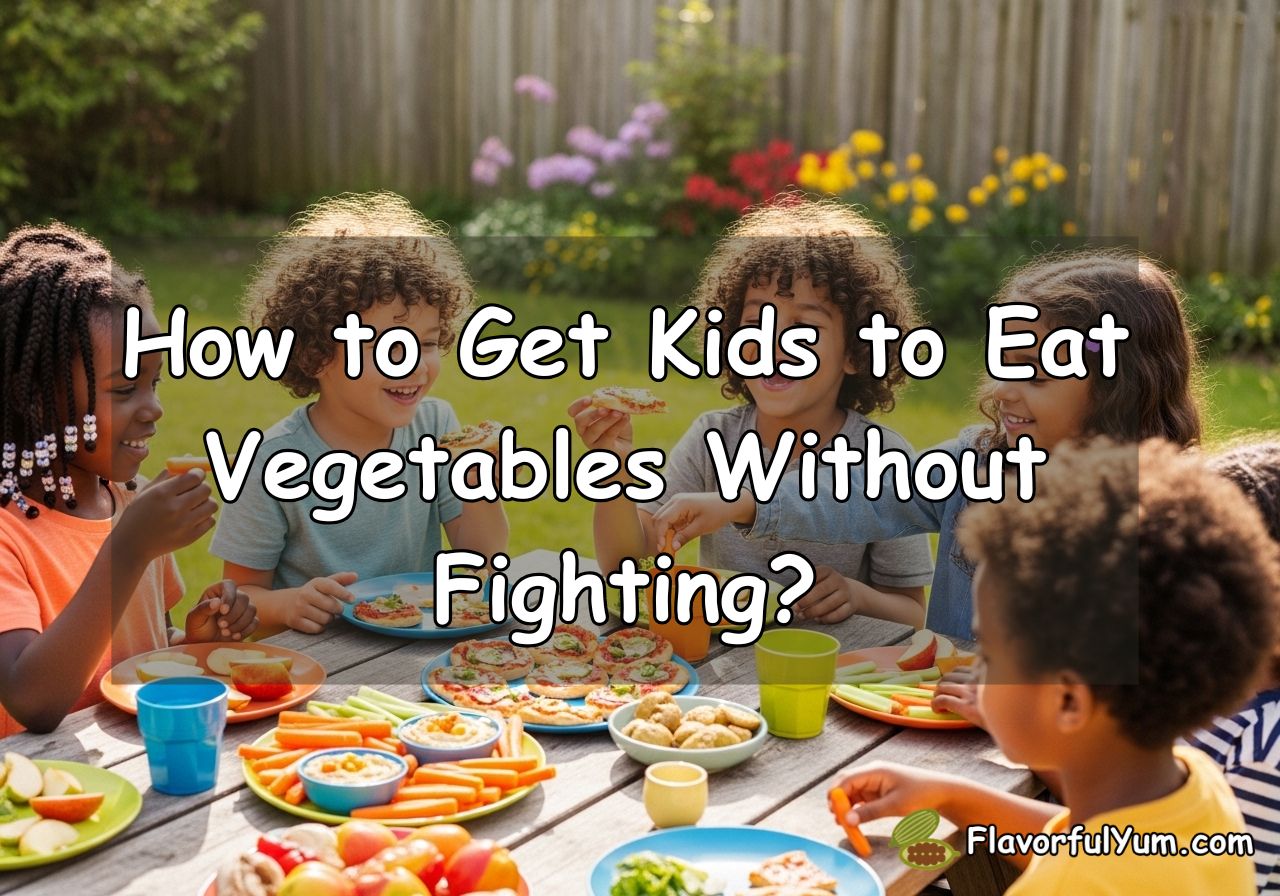
Getting kids to eat vegetables can feel exhausting. I have seen the eye rolls, the crossed arms, and the untouched broccoli on the plate. Many parents face the same struggle. The good news is simple: you can help kids eat more vegetables without daily arguments.
In this guide, I share practical strategies that reduce stress and increase success. These methods focus on routine, creativity, and patience. When I shifted my approach, mealtimes became calmer and more enjoyable.
Why Kids Resist Vegetables?
Before solving the problem, it helps to understand it.
Children often resist vegetables because:
- They prefer sweet or salty flavors
- They fear new foods
- They want control
- They react to pressure
- They copy what others eat
Vegetables often taste bitter compared to fruit or processed snacks. That reaction is normal. The goal is not to force vegetables. The goal is to build familiarity and trust.
1. Stop Forcing and Start Offering
Pressure creates resistance. When I stopped saying “You must eat your vegetables,” I noticed less tension.
Instead, I:
- Place vegetables on the plate
- Stay neutral
- Avoid bribing or threatening
- Allow them to choose
Children feel more comfortable trying new foods when they feel in control.
2. Offer Vegetables Repeatedly
Children often need many exposures before accepting a new food. Research shows kids may need to see a food 10–15 times before trying it.
I continue to serve small portions without pressure. Even if they ignore it at first, familiarity grows over time.
Consistency builds comfort.
3. Make Vegetables Visible and Accessible
If vegetables stay hidden in the fridge, kids will not choose them.
I:
- Keep cut carrots and cucumbers at eye level
- Store washed grapes and berries nearby
- Place a veggie tray on the table before dinner
When vegetables are easy to grab, kids are more likely to eat them.
4. Serve Vegetables First
Hunger increases willingness.
I sometimes serve sliced vegetables before the main meal. When kids are hungry, they are more open to trying them.
Simple starters include:
- Bell pepper strips
- Cherry tomatoes
- Snap peas
- Cucumber slices
Serving vegetables first removes competition with favorite foods.
5. Pair Vegetables With Dips
Flavor matters.
Kids often prefer vegetables when paired with dips. I offer:
- Hummus
- Greek yogurt dip
- Guacamole
- Peanut sauce
Dips make vegetables more enjoyable and reduce resistance.
6. Get Kids Involved in Cooking
Participation increases interest.
When kids help prepare meals, they feel proud. I invite them to:
- Wash vegetables
- Stir sauces
- Arrange toppings
- Choose a vegetable at the store
Ownership builds curiosity.
7. Let Kids Choose the Vegetable
Choice creates empowerment.
At the grocery store, I ask:
“Would you like broccoli or carrots this week?”
Even small choices give children a sense of control.
8. Use Creative Presentation
Presentation influences perception.
I have turned vegetables into:
- Smiley faces on plates
- Colorful rainbow bowls
- Veggie skewers
- Fun shapes with cookie cutters
Creative plating can reduce fear and increase curiosity.
9. Blend Vegetables Into Favorite Foods
Blending vegetables helps increase intake without conflict.
Examples include:
- Spinach in smoothies
- Grated zucchini in muffins
- Finely chopped carrots in pasta sauce
- Cauliflower mixed into mashed potatoes
This method increases exposure while maintaining flavor balance.
10. Be a Role Model
Children copy adults.
When I eat vegetables without complaint, kids notice. If I avoid vegetables, they will too.
Family meals create modeling opportunities.
11. Avoid Labeling Kids as “Picky”
Labels shape identity.
When we call a child picky, they may embrace the label. I focus on positive reinforcement instead.
I say:
“You tried a new vegetable today. That is brave.”
Positive language encourages growth.
12. Keep Portions Small
Large portions overwhelm kids.
I serve small portions at first. A few bites feel manageable. Kids can ask for more if they want.
Small wins build confidence.
13. Respect Taste Preferences
Not all vegetables taste the same.
Some kids prefer:
- Raw vegetables over cooked
- Roasted vegetables over steamed
- Mild vegetables over bitter greens
Experiment with preparation styles.
For example:
Roasting carrots makes them sweeter.
Sautéing green beans adds flavor.
14. Create Routine
Routine reduces stress.
If vegetables appear at every meal, they become normal.
I include vegetables at:
- Lunch
- Dinner
- Snacks
Consistency builds acceptance.
15. Avoid Using Vegetables as Punishment or Reward
Statements like “No dessert until you eat your broccoli” create negative associations.
Food should not become a tool for control.
I focus on balanced meals without emotional pressure.
16. Make Smoothies a Vegetable Opportunity
Smoothies are simple and effective.
I blend:
- Spinach
- Frozen berries
- Banana
- Yogurt or milk
Spinach blends easily and does not overpower flavor.
Smoothies increase vegetable intake without stress.
17. Try Roasting for Better Flavor
Roasting enhances sweetness.
I toss vegetables in olive oil and roast at high heat until edges brown.
Great roasting options include:
- Sweet potatoes
- Broccoli
- Cauliflower
- Carrots
Roasted vegetables often taste better than boiled versions.
18. Make Veggies Part of Fun Meals
Fun meals encourage experimentation.
Ideas include:
- Veggie pizza night
- Taco bar with vegetable toppings
- Stir-fry bowls
- Build-your-own wraps
Interactive meals increase engagement.
19. Stay Calm During Refusal
Emotional reactions create tension.
If a child refuses vegetables, I respond calmly.
I avoid arguments. I simply say,
“That’s okay. You can try again next time.”
Pressure decreases willingness.
20. Understand Developmental Phases
Taste preferences change with age.
Toddlers often reject foods more than older children. Appetite also fluctuates during growth stages.
Patience matters.
Sample Day of Vegetables Without Conflict
Here is how I structure a balanced day:
Breakfast:
- Smoothie with spinach and berries
Lunch:
- Turkey wrap with shredded lettuce and carrots
- Cucumber slices on the side
Snack:
- Bell pepper strips with hummus
Dinner:
- Grilled chicken
- Roasted broccoli
- Small portion of rice
This approach spreads vegetables throughout the day without pressure.
How Long Does It Take?
Change takes time.
Children may need weeks or months to accept certain vegetables. Progress often looks small at first.
I celebrate:
- Tasting a bite
- Touching a new vegetable
- Helping prepare a meal
Small steps lead to lasting habits.
Common Mistakes to Avoid
- Forcing children to clean their plate
- Offering vegetables only when convenient
- Serving large portions at once
- Showing frustration or anger
- Giving up too soon
Consistency and patience are key.
Building a Positive Food Environment
A positive environment includes:
- Regular family meals
- Calm conversation
- No screens during dinner
- Neutral language about food
Children associate vegetables with comfort when mealtime feels safe.
The Long-Term Goal
The goal is not perfection.
The goal is to:
- Build familiarity
- Encourage curiosity
- Reduce fear
- Create balanced habits
When children learn that vegetables are normal and safe, resistance decreases naturally.
My Personal Experience
When I stopped fighting over vegetables, everything changed. I focused on exposure, creativity, and calm responses. Over time, vegetables became part of our routine instead of a battlefield.
Kids need time and positive experiences. They do not need pressure.
Final Thoughts
Getting kids to eat vegetables without fighting is possible. It requires patience, repetition, and a positive environment. Key strategies include:
- Offer without forcing
- Provide repeated exposure
- Use dips and creative presentation
- Involve kids in cooking
- Stay calm and consistent
- Model healthy eating
Small changes reduce stress and build healthier habits over time.
Vegetables should not create conflict. With steady effort and supportive strategies, mealtimes can feel peaceful again.

It’s Eliana Hazel. I’m a 33-year-old wife and mom of two from Tennessee who loves cooking fresh, simple meals for my family. I shop for veggies at Walmart, try new recipes, and add my own twist to make them special. When I’m not in the kitchen, I enjoy yoga, meditation, and catching up with my friends over green smoothies. Here, I share family-tested recipes, easy cooking tips, and a little inspiration to make your kitchen a happy place.
Related Posts

Previous Post
Next Post
Previous Post

Next Post

Hey, y’all! I’m Hazel!
I’m SO happy you’re here! I’m passionate about cooking fresh, homemade meals for my family and love sharing recipes that are simple, healthy, and full of flavor. Here on my blog, I believe in making food with love, experimenting with ingredients, and turning everyday meals into something special. In short, I believe that cooking at home brings families closer and makes life more joyful. >>> Learn more