
Now Reading: How to Make Your Kitchen Safer for Kids?
-
01
How to Make Your Kitchen Safer for Kids?
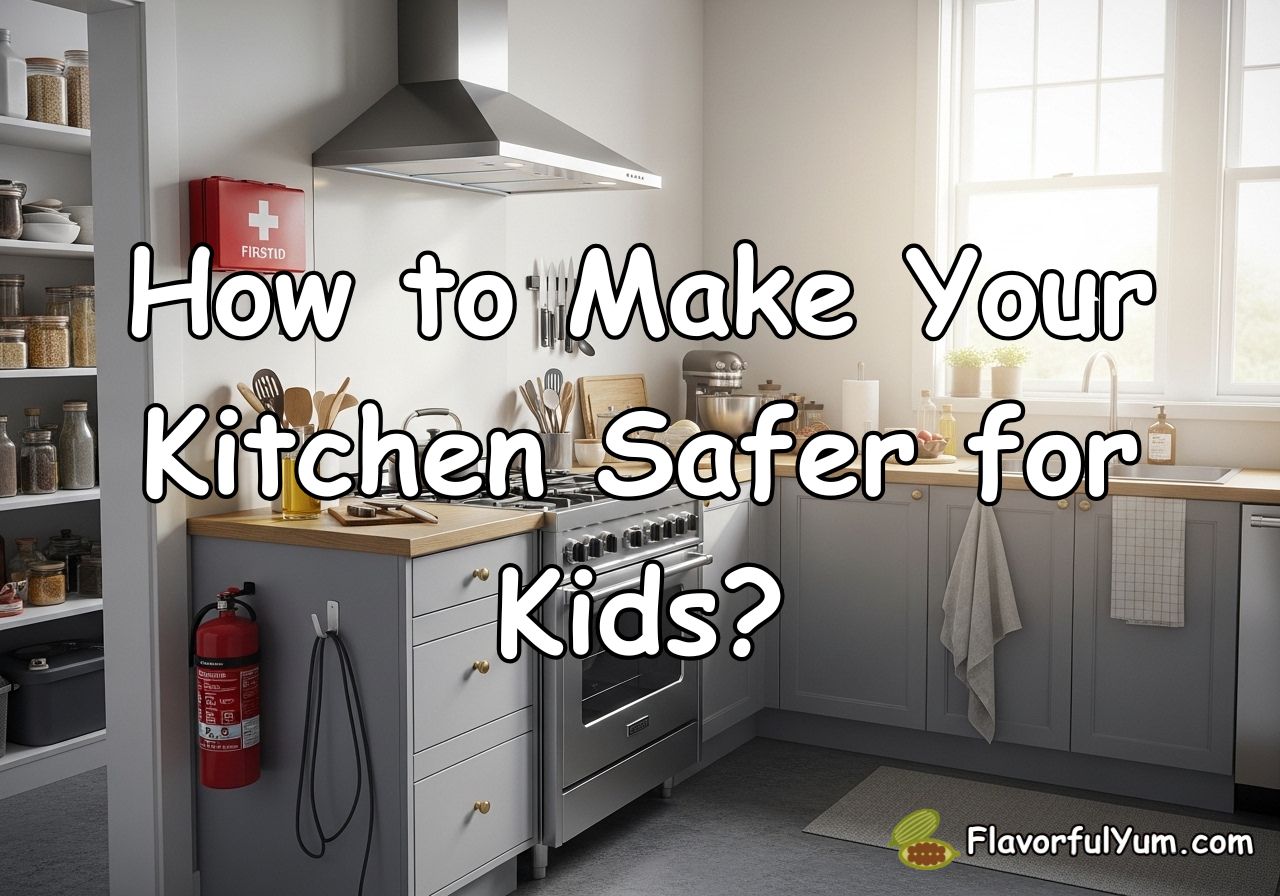
I love cooking, but once kids enter the picture, the kitchen feels different. What used to feel normal now feels risky. Hot pans, sharp tools, and cleaning products suddenly become real dangers. I learned that the kitchen needs structure, not just rules.
I made changes step by step. I focused on removing risks instead of reacting to accidents. This approach helped me feel calmer and helped my kids stay safe. In this guide, I will share the exact habits and systems I use to make our kitchen safer for kids.
These tips work for toddlers, young kids, and even older children. Safety does not mean fear. Safety means clear systems and simple habits.

Start With Clear Zones
The first thing I did was divide the kitchen into zones. Some areas are safe. Some areas are not.
I created:
- A safe play zone
- A cooking zone
- A storage zone
Kids can move freely in the safe zone. They stay away from the cooking zone when heat is involved.
This simple layout reduces confusion. My kids know where they can stand and where they should not go.
Clear zones prevent accidents before they happen.
Store Dangerous Items Out of Reach
Storage matters more than warnings. Kids explore with hands, not logic.
I store these items up high:
- Knives
- Scissors
- Peelers
- Glass containers
I also lock lower drawers that hold sharp tools.
This system removes temptation. Kids cannot grab what they cannot reach.
Out of sight means out of danger.
Lock Cabinets and Drawers
I use child locks on key cabinets.
I lock:
- Cleaning products
- Trash bins
- Under-sink storage
- Dish soap
These items look harmless but cause harm.
Locks give me peace of mind. I do not need to watch every second.
The kitchen feels safer even when I step away.
Keep Hot Items Out of Reach
Heat causes the most serious injuries.
I place:
- Hot pans on back burners
- Pot handles facing inward
- Kettles far from edges
I never carry hot food near kids.
I also teach kids that steam means danger.
These habits reduce burns and spills.
Use Non-Slip Mats
I added non-slip mats near the sink and stove.
Water on the floor causes falls.
Kids run and move fast. They do not notice wet spots.
Mats reduce slipping and protect knees and heads.
This small change prevents many injuries.
Avoid Tablecloths and Loose Covers
Loose covers pull easily.
Kids grab edges and pull everything down.
I removed tablecloths and loose runners.
Now nothing slides or falls.
Solid surfaces feel safer and more stable.
Store Cleaning Products Safely
Cleaning products look colorful and smell strong.
Kids think they are drinks or toys.
I store them:
- In locked cabinets
- On high shelves
- In original containers
I never pour them into bottles.
Clear labels prevent confusion and poisoning.
Use Safety Covers on Appliances
I use safety covers on:
- Stove knobs
- Electrical outlets
- Trash bins
These covers block access.
Kids love turning knobs and pressing buttons.
Covers stop accidents before they start.
Keep Small Items Off Counters
Small items cause choking.
I remove:
- Bottle caps
- Coins
- Magnets
- Toothpicks
These items fall easily and roll under furniture.
I clean counters daily.
Clear counters mean fewer risks.
Teach Simple Kitchen Rules
Rules work when they stay simple.
I teach:
- No running
- No touching the stove
- Ask before opening drawers
- Stay behind the line when cooking
I repeat these rules often.
Simple rules build safe habits over time.
Create a Safe Drawer for Kids
I created one drawer just for kids.
It holds:
- Plastic bowls
- Wooden spoons
- Measuring cups
Kids can explore without danger.
This reduces curiosity about unsafe tools.
They feel included and stay busy.
Use Corner Guards
Sharp corners cause head injuries.
I added guards to:
- Counter edges
- Table corners
- Drawer edges
These guards soften impact.
Kids fall. It happens.
Guards reduce injury when it does.
Keep Floors Clean and Dry
Food on the floor attracts slipping and bugs.
I sweep after every meal.
I wipe spills right away.
Dry floors reduce falls.
Clean floors improve safety and hygiene.
Use Stable Furniture Only
Wobbly chairs and stools fall easily.
I removed unstable furniture.
I use:
- Heavy chairs
- Wide step stools
- Non-slip bases
Kids climb everything.
Stable furniture prevents tipping.
Keep Trash Covered
Trash holds sharp and dirty items.
I use a trash bin with a lid.
I keep it locked.
Kids should not touch trash.
Covered bins prevent cuts and infections.
Store Glass Items Safely
Glass breaks easily.
I store:
- Glass cups
- Jars
- Bottles
On high shelves only.
I use plastic for daily use.
Less glass means fewer injuries.
Do Not Leave Food Cooking Alone
Unattended cooking causes fires.
I never leave the kitchen when:
- Oil heats
- Water boils
- Food fries
If I must leave, I turn off heat.
Kids move fast. Fire spreads faster.
Teach Kids About Heat
I explain heat in simple words.
I say:
- Hot means burn
- Steam means danger
- Red light means stop
I show safe distance.
Knowledge builds awareness.
Awareness builds safety.
Use Child-Safe Tools
I give kids safe tools when they help.
I use:
- Plastic knives
- Soft peelers
- Light bowls
They feel involved.
Safe tools reduce risk and build skills.
Keep Medicine Out of the Kitchen
Medicine does not belong in the kitchen.
I store it in a locked box.
Kids think pills are candy.
Kitchen should only hold food.
This rule prevents serious accidents.
Install Smoke and Gas Alarms
Alarms save lives.
I install:
- Smoke alarms
- Gas alarms
I test them monthly.
These alarms alert me early.
Early warning prevents disasters.
Use a Fire Blanket or Extinguisher
I keep a fire blanket near the stove.
I also keep a small extinguisher.
I learned how to use both.
Fire safety matters even with small kitchens.
Preparedness reduces panic.
Keep Cords Out of Reach
Appliance cords attract pulling.
I secure:
- Kettle cords
- Blender cords
- Toaster cords
Loose cords pull hot items down.
Short cords reduce danger.
Do Not Overload Counters
Crowded counters create chaos.
Items fall and spill.
I keep only needed items out.
Clear space improves movement.
More space means fewer accidents.
Store Heavy Items Low
Heavy items fall and cause injury.
I store:
- Pots
- Rice bags
- Appliances
On lower shelves.
Light items go up high.
This prevents falling weight injuries.
Model Safe Behavior
Kids copy everything.
If I rush, they rush.
If I touch hot pans, they try.
I move slowly.
I explain actions.
My behavior teaches safety more than words.
Review Safety Every Few Months
Kids grow fast.
What was safe last year may not work now.
I review:
- Locks
- Storage
- Rules
Every few months.
Safety changes as kids grow.
Common Mistakes I Avoid
I avoid these errors:
- Trusting kids too early
- Leaving doors unlocked
- Using weak furniture
- Ignoring small spills
- Assuming rules are enough
Systems work better than hope.
Why Kitchen Safety Matters?
The kitchen holds the most risks in the home.
It has:
- Heat
- Sharp tools
- Chemicals
- Heavy objects
Kids spend time there daily.
One small habit can prevent serious injury.
Final Thoughts
Making the kitchen safer for kids is not about fear. It is about structure. I do not try to watch every move. I build systems that protect even when I am busy.
I learned that safety comes from:
- Smart storage
- Clear zones
- Simple rules
- Strong habits
We cannot remove all risks. But we can reduce most of them with simple changes.
A safe kitchen gives kids freedom. It gives parents peace. And it turns cooking time into a calm and shared space instead of a stressful one.

It’s Eliana Hazel. I’m a 33-year-old wife and mom of two from Tennessee who loves cooking fresh, simple meals for my family. I shop for veggies at Walmart, try new recipes, and add my own twist to make them special. When I’m not in the kitchen, I enjoy yoga, meditation, and catching up with my friends over green smoothies. Here, I share family-tested recipes, easy cooking tips, and a little inspiration to make your kitchen a happy place.
Related Posts
Previous Post
Next Post
Previous Post

Next Post


Hey, y’all! I’m Hazel!
I’m SO happy you’re here! I’m passionate about cooking fresh, homemade meals for my family and love sharing recipes that are simple, healthy, and full of flavor. Here on my blog, I believe in making food with love, experimenting with ingredients, and turning everyday meals into something special. In short, I believe that cooking at home brings families closer and makes life more joyful. >>> Learn more