
Now Reading: How to Meal Prep for Any Diet?
-
01
How to Meal Prep for Any Diet?
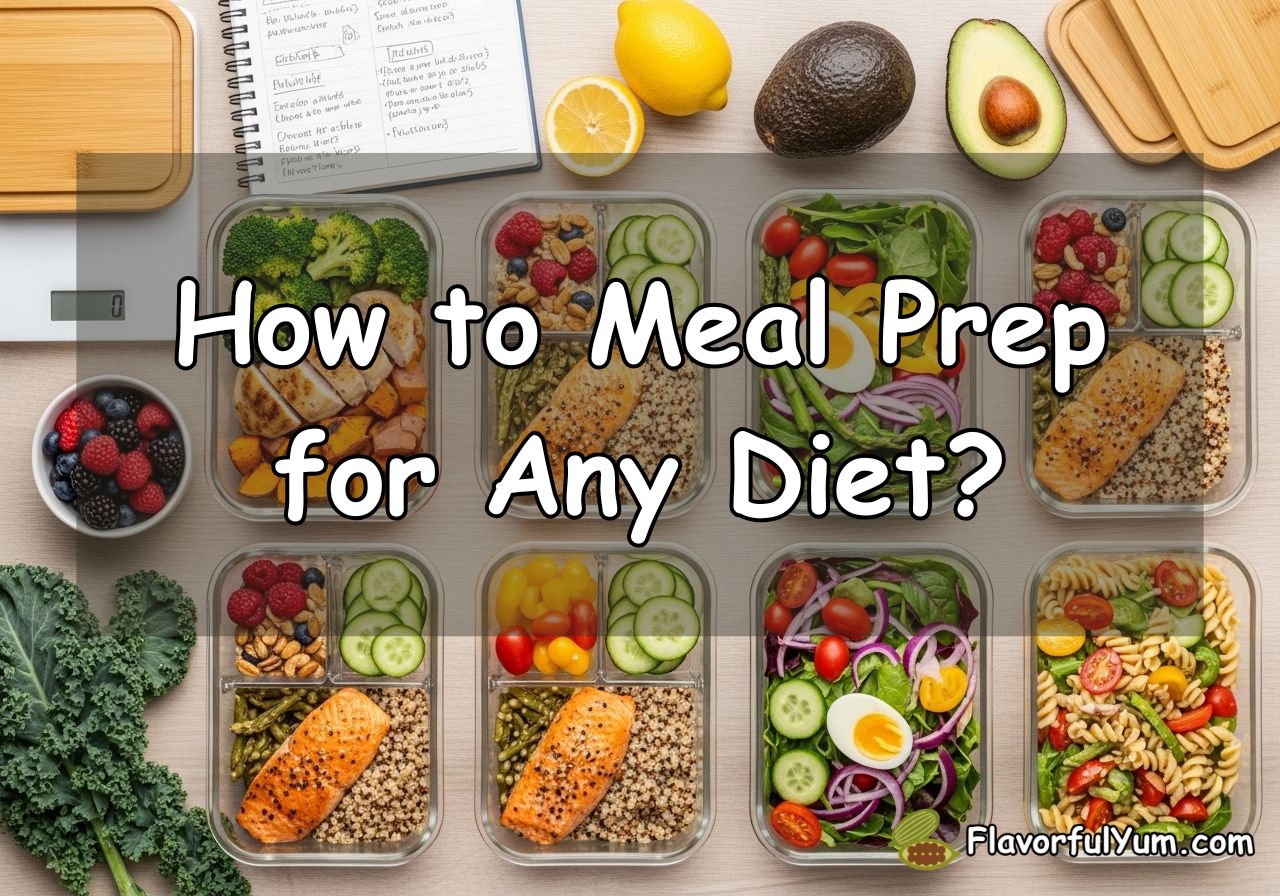
Meal prepping is one of the most effective ways to eat healthy, save time, and stay on track with your diet. I used to struggle with busy weeks and unhealthy takeout, but learning to meal prep changed everything. It allows me to plan my meals, control portions, and stick to my goals without stress.
No matter what diet you follow—whether it’s keto, vegetarian, low-carb, or balanced—meal prepping works. The key is understanding your dietary needs, choosing the right ingredients, and organizing your cooking process. When I prep meals ahead, I don’t have to decide what to eat every day, which saves energy and prevents unhealthy choices.
In this article, I share practical tips on how to meal prep for any diet. I cover planning, cooking, storing, and tips to make meal prep simple and flexible.
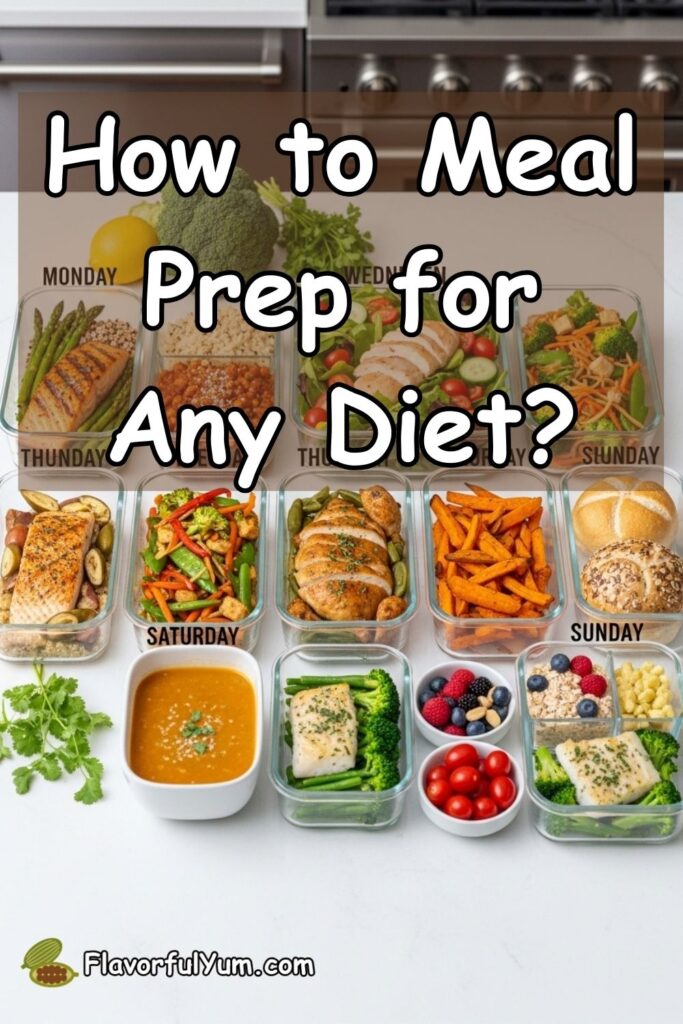
Why Meal Prep Matters?
Meal prep is more than just cooking in advance. It’s a strategy that helps you stick to your diet.
When I prep meals, I control what goes into my food. This reduces sugar, salt, and processed ingredients. I also avoid impulsive eating.
Meal prep saves time. I can cook in bulk on weekends or evenings and have ready meals all week. This reduces stress and frees up time for other activities.
It also saves money. Buying ingredients in bulk and cooking at home costs less than eating out.
Understand Your Diet First
Before starting meal prep, I always define my diet.
Different diets have different needs:
- Keto: High fat, low carb. Focus on meats, eggs, cheese, and low-carb vegetables.
- Vegetarian: Focus on beans, lentils, tofu, vegetables, and grains.
- Low-Carb: Limit bread, pasta, and sugar. Include protein and healthy fats.
- Balanced: Include protein, vegetables, fruits, and whole grains.
Knowing your diet helps me pick the right ingredients and avoid waste.
Plan Your Meals
Planning is the foundation of meal prep.
I start by writing down all meals for the week: breakfast, lunch, dinner, and snacks. Then I create a shopping list based on those meals.
Planning helps me avoid unnecessary purchases. It also allows me to reuse ingredients across meals, which saves money and reduces waste.
I usually plan meals that can be batch-cooked or stored for several days. This makes prep easier and more efficient.
Choose Simple Recipes
Simple recipes make meal prep manageable.
I focus on meals that use 5–10 ingredients and cook in under an hour.
Examples:
- Stir-fried vegetables with tofu
- Baked chicken with roasted vegetables
- Lentil soup
- Egg muffins with spinach and cheese
Simple meals reduce stress and make prep more consistent.
Batch Cooking Proteins
Protein is the base of most diets.
I cook large portions of protein at once: chicken, beef, tofu, or beans. Then I divide them into containers for the week.
This saves time and ensures I have ready-to-go meals.
Protein can be seasoned in different ways to avoid boredom. For example, I use garlic and herbs for one batch and soy sauce or curry spices for another.
Prep Vegetables and Grains
Vegetables and grains complete meals.
I wash and chop vegetables in advance. I store them in airtight containers in the fridge.
Grains like rice, quinoa, and pasta can be cooked in bulk and stored in the fridge. I reheat them when needed.
Frozen vegetables are also convenient and last longer than fresh ones.
Portion Meals Properly
Portion control is key for diet success.
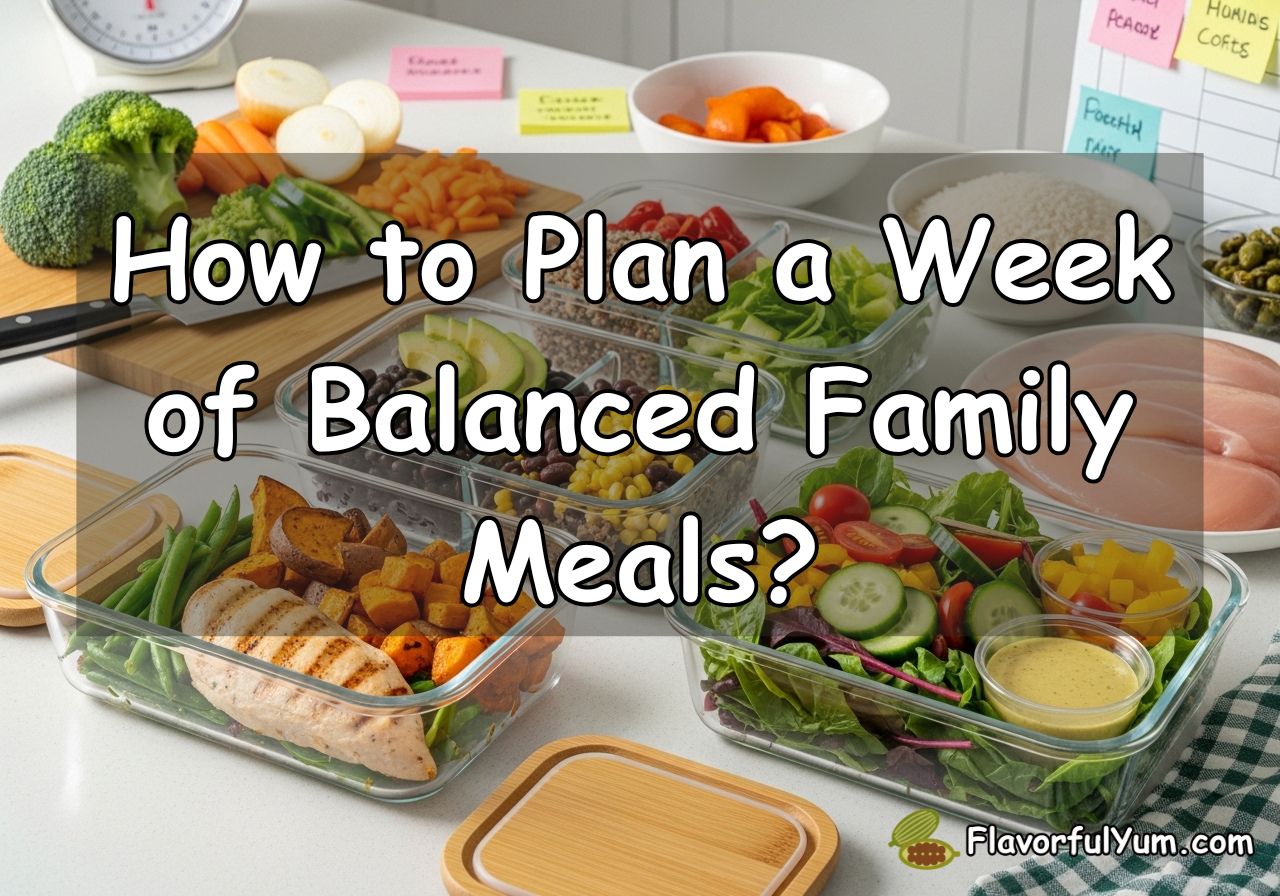
I use containers with separate sections or measure food with cups and spoons.
This ensures I get the right balance of protein, carbs, and vegetables for my diet.
Portioning ahead also helps prevent overeating.
Use Storage Containers Effectively
Proper storage keeps meals fresh.
I use airtight containers for most meals. Glass containers are great because they can go from fridge to microwave.
I label containers with the meal and date. This helps me keep track and use meals in order.
Some meals freeze better than others. I freeze soups, stews, and cooked proteins if I won’t eat them within 3–4 days.
Schedule Your Meal Prep
Meal prep works best when scheduled.
I usually cook on weekends or days when I have more free time. I block 1–2 hours for prep.
Having a schedule makes prep a routine, not a chore.
Even prepping just 2–3 meals in advance helps save time during the week.
Make Meal Prep Flexible
Flexibility prevents boredom and stress.
I prepare a few staple meals and rotate ingredients.
I also keep some quick snacks ready, like boiled eggs, hummus with carrots, or yogurt with fruit.
Having variety keeps me motivated to stick to my diet.
Keep Snacks and Breakfast Simple
Snacks and breakfast are easy to prep in advance.
Some options:
- Overnight oats with fruit
- Egg muffins with vegetables
- Greek yogurt with nuts
- Protein smoothies
These are quick, portable, and fit almost any diet.
Avoid Common Meal Prep Mistakes
Some mistakes make meal prep less effective.
Mistake 1: Cooking too many meals at once. This can lead to food going bad. I prep 3–4 days at a time.
Mistake 2: Not storing food properly. I use airtight containers and freeze when necessary.
Mistake 3: Skipping planning. Without a list, I buy extra or miss ingredients.
Avoiding these mistakes keeps meal prep effective.
Reuse Ingredients Creatively
I save time and money by using the same ingredient in multiple ways.
For example, roasted chicken can be used for:
- Salads
- Wraps
- Stir-fry
- Soups
Vegetables can be roasted, steamed, or used in omelets.
Creative reuse keeps meals fresh and reduces waste.
How to Prep for Specific Diets?
Keto
Focus on high-fat proteins like eggs, cheese, and fatty meat. I prep meat and vegetables in batches. Low-carb veggies like spinach and zucchini are staples.
Vegetarian
I prep beans, lentils, tofu, and vegetables. Quinoa, rice, and oats complete meals. I use spices and sauces to add variety.
Low-Carb
I prep protein-heavy meals with non-starchy vegetables. Eggs, chicken, and fish are key. Cauliflower rice or zucchini noodles replace grains.
Balanced
I prepare a mix of protein, grains, and vegetables. Meals include lean meat, whole grains, and fresh or frozen vegetables.
Reheat Meals Safely
Reheating properly keeps meals safe.
I heat food until steaming hot. For microwaving, I stir halfway through to prevent cold spots.
I avoid reheating more than once. Food should only be reheated one time to maintain safety and taste.
Benefits of Meal Prepping
Meal prep brings many advantages:
- Saves time during the week
- Helps maintain diet goals
- Reduces food waste
- Saves money
- Makes cooking less stressful
I feel more organized and confident with my meals.
Tips for Staying Motivated
Meal prep is easier when you enjoy the process.
I use colorful vegetables and flavorful seasonings.
I prep with music or a podcast to make it enjoyable.
I remind myself of the time and money I save each week.
Sample Meal Prep Plan for a Week
Breakfast:
- Overnight oats with fruit
- Egg muffins with spinach
Lunch:
- Quinoa and roasted vegetable bowl
- Chicken salad wraps
Dinner:
- Stir-fried vegetables with tofu
- Baked chicken with sweet potatoes
- Lentil soup
Snacks:
- Yogurt with nuts
- Boiled eggs
- Carrots with hummus
This plan uses simple ingredients, fits multiple diets, and is easy to prep in batches.
Final Thoughts
Meal prepping works for any diet. It allows me to plan, control portions, save money, and eat healthy without stress.
The key is planning, using simple recipes, batch cooking proteins and vegetables, and storing food correctly. Even a few meals prepared in advance make the week easier.
With practice, meal prep becomes routine. It gives flexibility, prevents unhealthy choices, and supports long-term health goals. Anyone can meal prep successfully by starting small, staying organized, and using the strategies above.

It’s Eliana Hazel. I’m a 33-year-old wife and mom of two from Tennessee who loves cooking fresh, simple meals for my family. I shop for veggies at Walmart, try new recipes, and add my own twist to make them special. When I’m not in the kitchen, I enjoy yoga, meditation, and catching up with my friends over green smoothies. Here, I share family-tested recipes, easy cooking tips, and a little inspiration to make your kitchen a happy place.
Related Posts

Previous Post
Next Post
Previous Post

Next Post

Hey, y’all! I’m Hazel!
I’m SO happy you’re here! I’m passionate about cooking fresh, homemade meals for my family and love sharing recipes that are simple, healthy, and full of flavor. Here on my blog, I believe in making food with love, experimenting with ingredients, and turning everyday meals into something special. In short, I believe that cooking at home brings families closer and makes life more joyful. >>> Learn more