
Now Reading: How to Meal Prep on a Tight Budget?
-
01
How to Meal Prep on a Tight Budget?
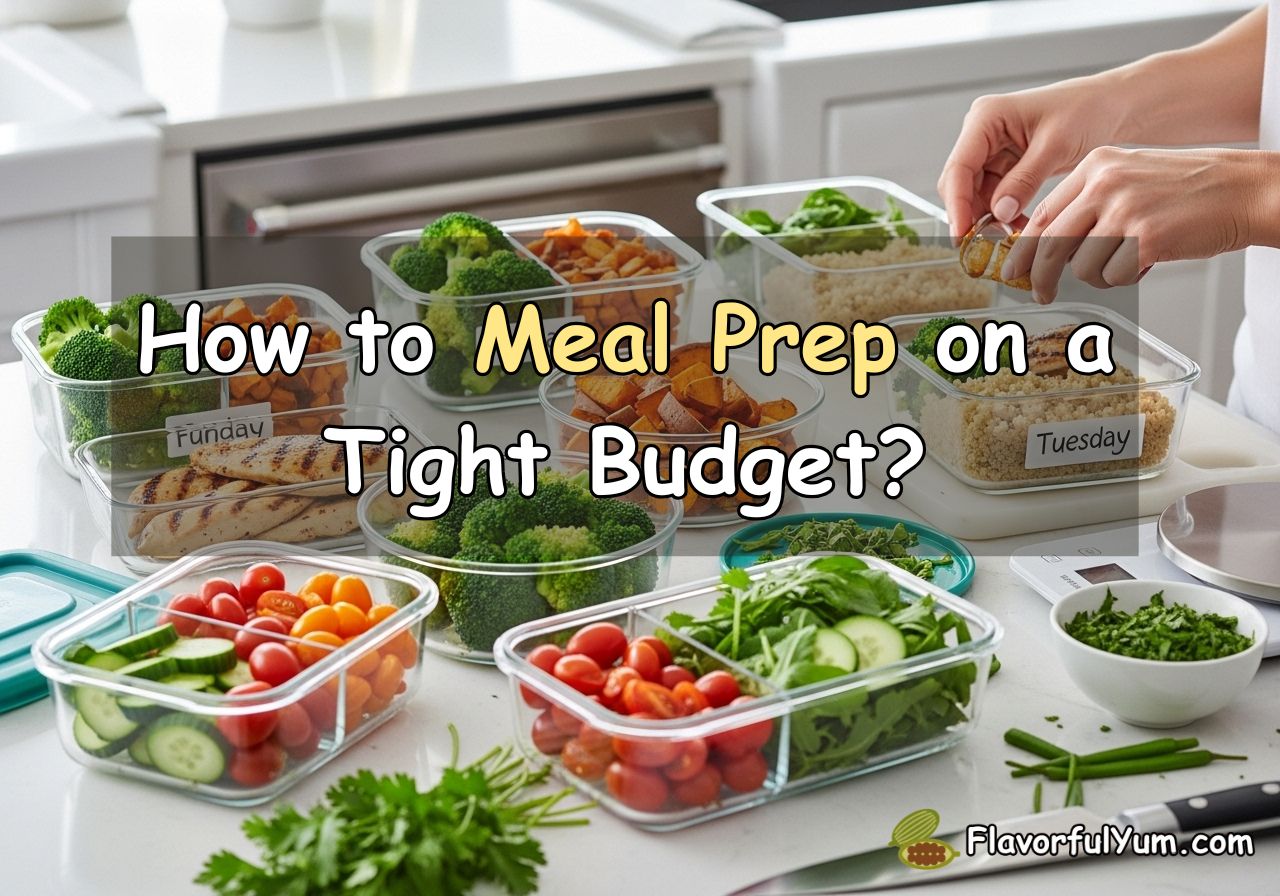
Meal prep saves time, reduces stress, and cuts food costs. I started meal prepping because I felt tired of overspending on groceries and takeout. Once I created a simple system, I noticed real savings each month.
You do not need fancy containers or expensive ingredients. You need a plan, basic staples, and consistency. In this guide, I explain exactly how I meal prep on a tight budget while keeping meals healthy and satisfying.
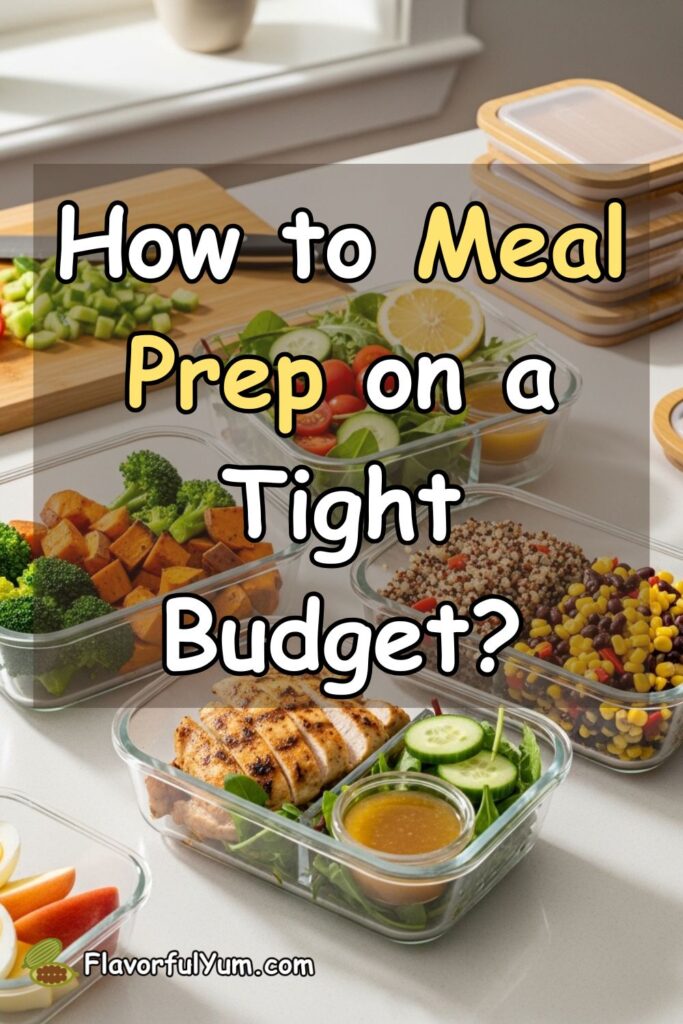
Why Meal Prep Saves Money?
Meal prep reduces waste and impulse spending.
When I plan meals in advance, I:
- Buy only what I need
- Avoid last-minute takeout
- Use ingredients fully
- Control portion sizes
Unplanned meals often lead to higher spending. A clear plan prevents that problem.
Step 1: Set a Weekly Food Budget
Start with a fixed number.
For example:
- $40 per week for one person
- $75 per week for two people
- $120 per week for a family
A set budget creates limits. Limits force smarter decisions.
I check prices online before shopping. I build meals around affordable items instead of building a list first.
Step 2: Plan Simple Meals
Complicated recipes increase cost. Simple meals reduce waste.
I build meals using this structure:
- One protein
- One grain or starch
- One vegetable
Examples:
- Rice + beans + roasted carrots
- Pasta + lentils + spinach
- Chicken + potatoes + broccoli
This formula keeps meals balanced and affordable.
Step 3: Focus on Cheap Staples
Some foods provide high value for low cost.
Here are budget-friendly staples I always buy:
Grains
- Rice
- Oats
- Pasta
- Potatoes
Proteins
- Eggs
- Dry beans
- Lentils
- Canned tuna
- Frozen chicken thighs
Vegetables
- Carrots
- Cabbage
- Onions
- Frozen vegetables
Extras
- Peanut butter
- Canned tomatoes
- Olive oil
- Garlic
Staples create dozens of meals without increasing spending.
Step 4: Buy in Bulk When Possible
Bulk buying reduces cost per serving.
I buy:
- Large bags of rice
- Dry beans
- Family packs of chicken
- Big containers of oats
I portion and freeze meat to avoid waste.
Bulk buying works best for foods you eat often.
Step 5: Choose Recipes With Overlapping Ingredients
Overlapping ingredients prevent waste.
For example:
If I buy spinach, I use it in:
- Omelets
- Pasta
- Smoothies
If I buy carrots, I use them in:
- Stir-fry
- Soup
- Snacks
One ingredient should appear in multiple meals.
Step 6: Cook in Large Batches
Batch cooking saves time and energy.
I choose two or three base recipes and cook large portions.
Examples:
- Big pot of rice
- Large batch of lentil soup
- Tray of roasted vegetables
Then I mix and match during the week.
Step 7: Use the Freezer
The freezer prevents waste.
I freeze:
- Cooked rice
- Beans
- Soups
- Extra meat
- Bread
Freezing extends shelf life and protects your budget.
Step 8: Prep Ingredients, Not Just Full Meals
You do not need full meal containers.
Sometimes I prep:
- Chopped vegetables
- Cooked grains
- Boiled eggs
- Marinated chicken
This method allows flexibility during the week.
Step 9: Avoid Pre-Packaged Convenience Foods
Pre-cut vegetables and ready-made meals cost more.
Whole ingredients cost less.
For example:
- Whole carrots cost less than baby carrots
- Block cheese costs less than shredded cheese
- Dry beans cost less than canned beans
Small savings add up.
Sample $50 Weekly Meal Plan (One Person)
Here is a realistic example.
Grocery List Estimate
- Rice (5 lb bag)
- Dry lentils
- Eggs (dozen)
- Frozen chicken thighs
- Potatoes
- Carrots
- Cabbage
- Onion
- Garlic
- Canned tomatoes
- Oats
- Peanut butter
- Bananas
Breakfast Options
- Oatmeal with banana and peanut butter
- Scrambled eggs with sautéed cabbage
- Boiled eggs and toast
Cost per breakfast stays low due to simple ingredients.
Lunch Options
- Lentil soup with carrots and onion
- Rice bowl with chicken and vegetables
- Egg fried rice
Each lunch uses the same core ingredients.
Dinner Options
- Baked chicken thighs with potatoes
- Cabbage stir-fry with rice
- Lentils with sautéed spinach and rice
Leftovers rotate into the next day.
Step 10: Reduce Food Waste
Food waste destroys budgets.
I follow these rules:
- Store vegetables properly
- Use older produce first
- Freeze leftovers quickly
- Label containers with dates
Even small waste adds up over time.
Step 11: Cook Once, Eat Multiple Times
I cook protein in large batches.
For example:
If I cook 8 chicken thighs, I use them for:
- Rice bowls
- Wraps
- Salads
- Soup
One cooking session creates several meals.
Step 12: Choose Seasonal Produce
Seasonal vegetables cost less.
In winter, I buy:
- Cabbage
- Carrots
- Potatoes
In summer, I buy:
- Zucchini
- Tomatoes
- Corn
Seasonal buying lowers cost and improves flavor.
Step 13: Compare Unit Prices
Unit price tells you the cost per pound or ounce.
I compare:
- Store brands
- Different package sizes
- Bulk bins
The lowest unit price usually wins.
Step 14: Limit Expensive Snacks
Snacks increase grocery bills.
Instead of chips and packaged bars, I choose:
- Hard-boiled eggs
- Oatmeal
- Fruit
- Popcorn kernels
Simple snacks protect the budget.
Step 15: Keep Meals Repetitive
Variety sounds exciting, but repetition saves money.
I often repeat meals during the week.
For example:
- Same breakfast daily
- Two lunch options
- Two dinner options
Repetition reduces waste and simplifies planning.
Step 16: Track Your Spending
Tracking reveals patterns.
I write down:
- Weekly grocery total
- Takeout spending
- Food waste
When I track spending, I stay accountable.
Step 17: Cook at Home More Often
Restaurants cost more than home cooking.
Even fast food adds up quickly.
Cooking simple meals at home reduces long-term costs.
Step 18: Use Affordable Flavor Boosters
Flavor does not need to be expensive.
Budget-friendly flavor ideas:
- Garlic
- Soy sauce
- Vinegar
- Dried spices
- Hot sauce
These small additions transform simple meals.
Step 19: Store Food Properly
Improper storage leads to spoilage.
I store:
- Herbs in water jars
- Greens in airtight containers
- Grains in sealed bags
- Meat in freezer-safe bags
Good storage extends freshness.
Step 20: Stay Flexible
If chicken costs too much, I switch to beans.
If fresh broccoli is expensive, I buy frozen.
Flexibility protects the budget.
Budget Meal Prep Tips for Families
For families, scale recipes wisely.
- Cook double batches
- Use slow cookers
- Pack school lunches from leftovers
- Rotate affordable meals
Family meal prep reduces stress during busy weeks.
Common Mistakes to Avoid
- Buying too many fresh vegetables at once
- Trying complex recipes
- Ignoring freezer space
- Shopping without a list
- Shopping while hungry
Simple habits prevent overspending.
How I Keep Motivation High?
Meal prep feels easier when I:
- Set aside one cooking day
- Play music or podcasts
- Use clear containers
- Plan meals I enjoy
Budget cooking does not need to feel restrictive.
Final Thoughts
Meal prep on a tight budget requires planning, discipline, and smart shopping. Focus on simple meals, affordable staples, and batch cooking. Use your freezer, reduce waste, and repeat ingredients throughout the week.
You do not need expensive tools or gourmet recipes. You need consistency and a clear system.
When I follow these steps, I spend less, waste less, and feel more organized. Start small. Plan one week. Cook in batches. Track spending. Over time, meal prep becomes a habit that protects both your wallet and your time.
Budget meal prep works. You just need a plan and the willingness to stick to it.

It’s Eliana Hazel. I’m a 33-year-old wife and mom of two from Tennessee who loves cooking fresh, simple meals for my family. I shop for veggies at Walmart, try new recipes, and add my own twist to make them special. When I’m not in the kitchen, I enjoy yoga, meditation, and catching up with my friends over green smoothies. Here, I share family-tested recipes, easy cooking tips, and a little inspiration to make your kitchen a happy place.
Related Posts

Previous Post
Next Post



Hey, y’all! I’m Hazel!
I’m SO happy you’re here! I’m passionate about cooking fresh, homemade meals for my family and love sharing recipes that are simple, healthy, and full of flavor. Here on my blog, I believe in making food with love, experimenting with ingredients, and turning everyday meals into something special. In short, I believe that cooking at home brings families closer and makes life more joyful. >>> Learn more