
Now Reading: How to Plan a Weekly Menu on a Tight Budget?
-
01
How to Plan a Weekly Menu on a Tight Budget?
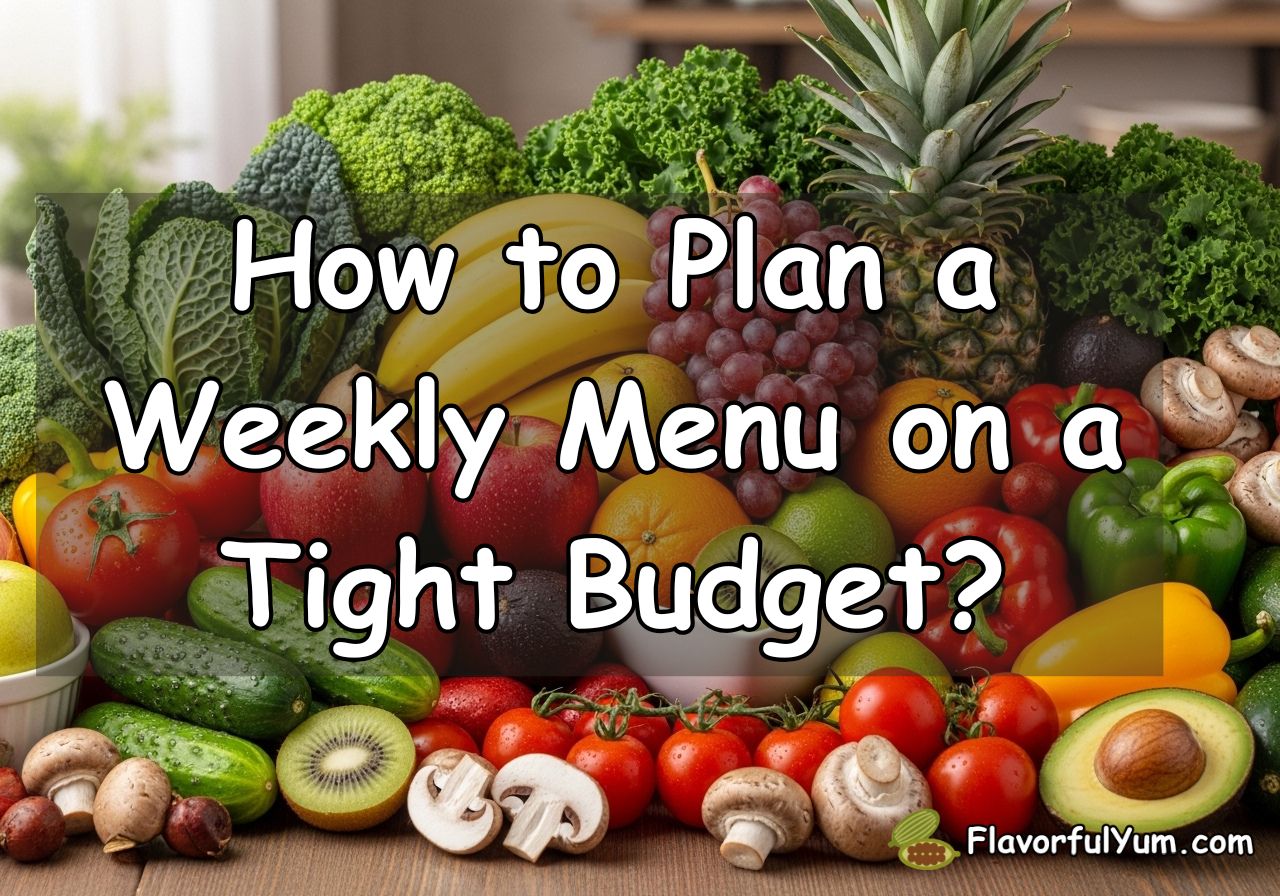
Planning a weekly menu on a tight budget helps me save money, reduce waste, and lower stress. When I plan ahead, I avoid last-minute food choices that cost more. I also use what I already have and stop buying food I do not need.
I do not need special skills or fancy tools. I need a clear plan, simple food, and steady habits.
This guide shows how I plan a weekly menu while spending less.

Start With Your Budget
The first step is to set a clear budget. I decide how much I can spend for the week.
For example, I may set $40 or $60 for one person. The exact amount depends on location and needs. The key point is to choose one number and stick to it.
A budget gives me limits. Limits help me make better choices.
Check What You Already Have
Before I plan anything, I check my fridge, freezer, and pantry.
I write down what I already own:
- Rice
- Pasta
- Canned beans
- Frozen vegetables
- Eggs
This step saves money because I build meals around food I already have.
I treat existing food as free resources.
Choose Simple Meals
I plan meals that use few ingredients.
I avoid meals with long ingredient lists. I focus on food I know how to cook.
Examples of simple meals:
- Rice with eggs and vegetables
- Pasta with tomato sauce
- Soup with potatoes and beans
- Toast with peanut butter
- Fried vegetables with rice
Simple meals cost less and take less time.
Use a Basic Meal Structure
I use a simple formula to build meals:
Grain + protein + vegetable
For example:
- Rice + eggs + carrots
- Pasta + beans + tomatoes
- Bread + tuna + cabbage
This formula works for lunch and dinner.
For breakfast, I use:
- Oats + fruit
- Toast + eggs
- Yogurt + oats
This system removes stress from planning.
Plan for 5 to 7 Days
I write a meal plan for the full week.
I do not need 21 different meals. I repeat meals when needed.
For example:
- Oats every morning
- Soup for lunch three days
- Rice meals for dinner
Repeating meals saves money and energy.
Build a Weekly Menu
Here is an example of a basic weekly menu:
Breakfast
- Oats with fruit
- Toast with eggs
Lunch
- Vegetable soup
- Leftovers
Dinner
- Rice with vegetables and eggs
- Pasta with tomato sauce
- Chicken with potatoes
This menu uses low-cost food and covers all meals.
Make a Shopping List
I build my list from my menu.
I write only what I need for the week.
I group items:
- Grains
- Vegetables
- Protein
- Pantry
This method keeps me focused at the store.
A list stops impulse buys.
Focus on Cheap Core Foods
I build my menu around low-cost staples.
These foods stretch my budget:
Grains
- Rice
- Pasta
- Oats
- Bread
Protein
- Eggs
- Beans
- Lentils
- Canned fish
- Chicken thighs
Vegetables
- Onions
- Carrots
- Potatoes
- Cabbage
- Frozen vegetables
Pantry
- Oil
- Salt
- Pepper
- Garlic
- Canned tomatoes
These foods work in many meals.
Use Frozen and Canned Food
Frozen and canned food lasts longer and costs less.
Frozen vegetables reduce waste. I use only what I need.
Canned beans and tomatoes add value to soups and sauces.
These items help me plan with less pressure.
Check Prices and Compare
At the store, I check price per unit.
I choose store brands. They cost less and taste similar.
I skip small packs when large packs cost less per unit.
This habit saves money every week.
Avoid Shopping While Hungry
Hunger leads to bad choices.
I shop after I eat. This helps me stick to my list.
I also avoid browsing extra aisles.
Plan Meals That Share Ingredients
I choose meals that use the same food.
For example:
- Onions for soup and pasta
- Rice for dinner and fried rice
- Potatoes for soup and baked meals
This method reduces waste and lowers cost.
Cook in Large Batches
I cook once and eat many times.
For example, I cook a large pot of soup.
I eat it for lunch for three days.
Batch cooking saves time and energy.
It also reduces daily cooking stress.
Freeze Extra Portions
I freeze food I do not eat right away.
This gives me ready meals for busy days.
Frozen meals stop me from ordering takeout.
Use Leftovers in New Meals
I treat leftovers as ingredients.
Examples:
- Rice becomes fried rice
- Chicken becomes wraps
- Vegetables go into soup
This habit saves money and reduces waste.
Keep Snacks Simple
Snacks can drain my budget.
I choose low-cost snacks:
- Popcorn
- Fruit
- Yogurt
- Toast
I avoid packaged snacks and sweets.
Simple snacks cost less and keep me full.
Drink Water More Often
Drinks add hidden costs.
Soda, juice, and coffee cost more than water.
I drink water at home and bring a bottle outside.
This habit saves money without effort.
Organize Your Food
I keep food visible and labeled.
I place older food in front.
This helps me use food before it expires.
An organized kitchen supports better planning.
Track Your Spending
I keep receipts and write down totals.
This shows me patterns.
I see where I overspend and where I save.
Tracking builds awareness and control.
Adjust Each Week
No plan is perfect.
Some weeks cost more. That is normal.
I adjust based on results.
I learn what works and what does not.
Each week improves my system.
Example Tight Budget Menu
Here is a simple example for one person.
Shopping list
- Rice
- Pasta
- Eggs
- Canned beans
- Frozen vegetables
- Onions
- Potatoes
- Canned tomatoes
- Garlic
- Oil
Meals
- Breakfast: oats or toast
- Lunch: vegetable soup
- Dinner: rice with eggs and vegetables
- Dinner: pasta with tomato sauce
- Dinner: beans with potatoes
This menu covers all meals and costs little.
Stay Consistent
Weekly planning works with habits, not perfection.
I do not need strict rules.
I aim for steady progress.
Even small changes save money over time.
Learn From Experience
I made mistakes at first.
I bought food I did not use.
I forgot what I already had.
I learned by tracking and adjusting.
Now planning feels easy.
Final Thoughts
Planning a weekly menu on a tight budget gives me control.
I set a budget. I check my food. I choose simple meals. I shop with a list.
I repeat meals and use leftovers.
These steps help me spend less and eat well.
Anyone can start today.
I started with basic food and simple habits.
With practice, weekly planning becomes natural.
I save money, waste less, and feel calm about food every week.

It’s Eliana Hazel. I’m a 33-year-old wife and mom of two from Tennessee who loves cooking fresh, simple meals for my family. I shop for veggies at Walmart, try new recipes, and add my own twist to make them special. When I’m not in the kitchen, I enjoy yoga, meditation, and catching up with my friends over green smoothies. Here, I share family-tested recipes, easy cooking tips, and a little inspiration to make your kitchen a happy place.
Related Posts



Previous Post
Next Post
Previous Post

Next Post

Hey, y’all! I’m Hazel!
I’m SO happy you’re here! I’m passionate about cooking fresh, homemade meals for my family and love sharing recipes that are simple, healthy, and full of flavor. Here on my blog, I believe in making food with love, experimenting with ingredients, and turning everyday meals into something special. In short, I believe that cooking at home brings families closer and makes life more joyful. >>> Learn more