
Now Reading: How to Properly Store Fresh Herbs to Extend Shelf Life?
-
01
How to Properly Store Fresh Herbs to Extend Shelf Life?
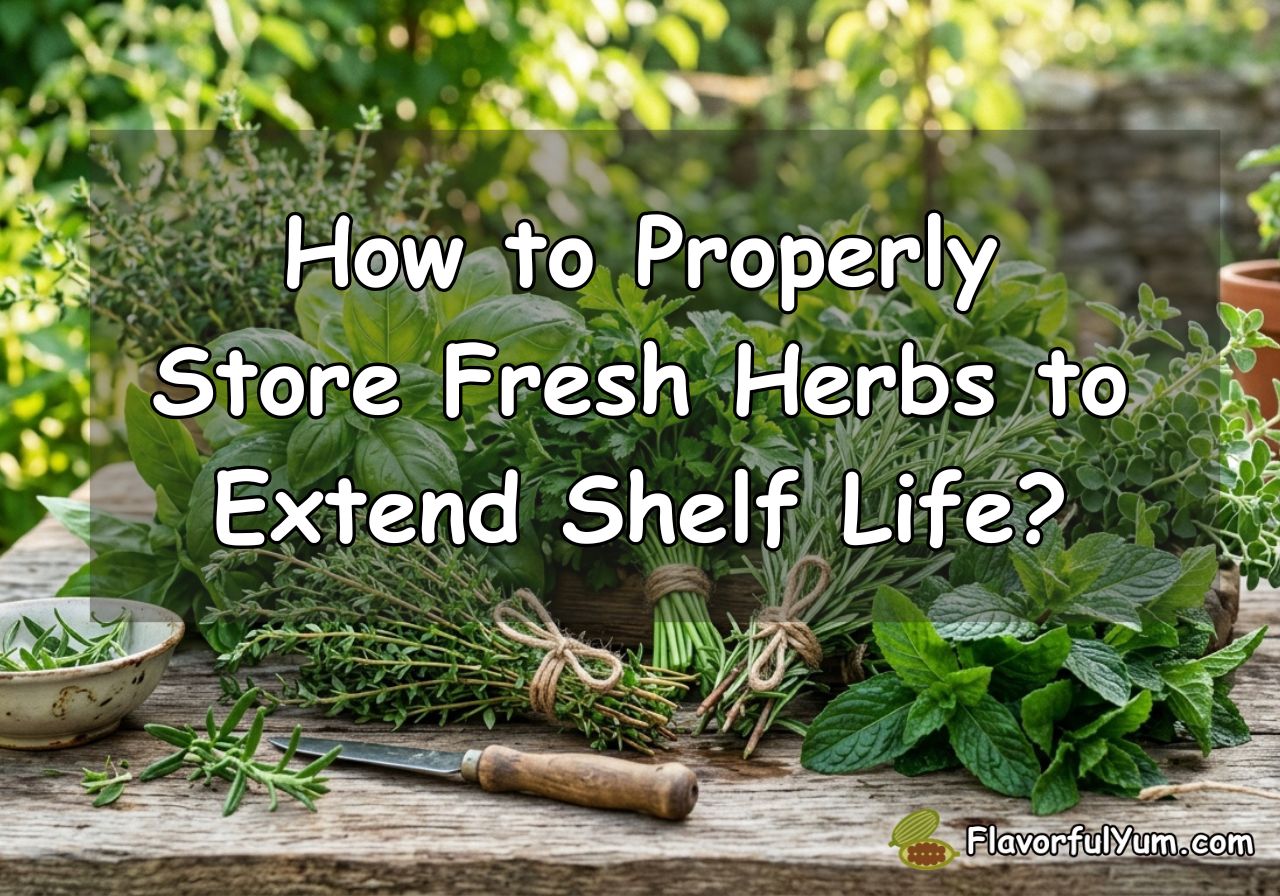
Fresh herbs add bright flavor, color, and aroma to meals. I use herbs often in soups, salads, pasta, and roasted vegetables. Fresh basil can lift a simple tomato dish. Fresh parsley can make rice taste cleaner. Fresh cilantro can add depth to tacos.
However, herbs spoil fast if I store them the wrong way. They wilt, turn brown, or become slimy within days. I learned that proper storage can extend shelf life and reduce waste. In this guide, I explain how to properly store fresh herbs to extend shelf life using simple steps that work.

Why Fresh Herbs Spoil Quickly?
Fresh herbs contain high moisture. Leaves lose water after harvest. When herbs lose moisture, they wilt. When herbs hold too much moisture, they rot.
Air, heat, and light also reduce freshness. I focus on three key goals:
- Control moisture
- Protect from excess air
- Store at the correct temperature
Different herbs require different storage methods. I divide herbs into two main groups: soft herbs and hardy herbs.
Step 1: Identify the Type of Herb
I first identify whether the herb is soft or hardy.
Soft herbs
- Basil
- Cilantro
- Parsley
- Mint
- Dill
Soft herbs have tender stems and delicate leaves. They need gentle storage.
Hardy herbs
- Rosemary
- Thyme
- Sage
- Oregano
Hardy herbs have woody stems and firmer leaves. They tolerate cooler storage better.
When I know the type, I choose the correct method.
How to Store Soft Herbs (Like Basil, Cilantro, and Parsley)?
Soft herbs need moisture, but not too much. I use two reliable methods.
Method 1: Store Soft Herbs in a Jar with Water
This method works well for cilantro, parsley, and mint.
What I need
- A clean glass jar
- Fresh water
- A plastic bag
Steps I follow
- I trim the ends of the stems.
- I fill the jar with 1 to 2 inches of water.
- I place the herbs upright in the jar like flowers.
- I loosely cover the leaves with a plastic bag.
- I store the jar in the refrigerator.
I change the water every two days. This step prevents bacteria growth.
This method can extend shelf life to 7 to 14 days.
Special Note for Basil
Basil needs a different approach. Basil does not tolerate cold temperatures well. Cold air turns basil leaves black.
How I store basil
- I trim the stems.
- I place basil in a jar with water.
- I leave the jar on the kitchen counter at room temperature.
- I keep it away from direct sunlight.
I change the water every two days. Basil can last about 5 to 7 days this way.
I avoid refrigerating basil unless the leaves already feel firm and dry. Even then, I store it carefully.
Method 2: Wrap Soft Herbs in Damp Paper Towels
This method works well when I want compact storage.
What I need
- Paper towels
- Water
- A resealable plastic bag or container
Steps I follow
- I lightly dampen a paper towel.
- I wrap the herbs loosely inside the towel.
- I place the wrapped herbs in a bag or airtight container.
- I store them in the refrigerator.
The towel should feel slightly damp, not wet. Too much moisture causes rot.
This method works well for parsley, dill, and cilantro.
How to Store Hardy Herbs (Like Rosemary and Thyme)?
Hardy herbs prefer less moisture. Too much water shortens their shelf life.
Method: Dry Wrap and Refrigerate
What I need
- Paper towels
- Airtight container or bag
Steps I follow
- I keep the herbs dry.
- I wrap them loosely in a dry paper towel.
- I place them in an airtight container or bag.
- I store them in the refrigerator.
This method prevents excess moisture buildup.
Hardy herbs can last up to 2 to 3 weeks with proper storage.
Should I Wash Herbs Before Storing?
I avoid washing herbs before storage unless they look dirty.
Water adds moisture. Extra moisture causes faster spoilage.
If I must wash them:
- I rinse quickly under cool water.
- I dry them completely using paper towels.
- I allow them to air dry before storing.
Dry leaves store longer than damp leaves.
How to Freeze Fresh Herbs?
Freezing extends shelf life for months. I use freezing when I cannot use herbs in time.
Method 1: Freeze Herbs in Oil
This method works well for cooking herbs like parsley, oregano, and thyme.
Steps I follow
- I chop the herbs.
- I place them in an ice cube tray.
- I cover them with olive oil.
- I freeze until solid.
- I transfer cubes to a freezer bag.
I use these cubes directly in soups, sauces, or sauté pans.
Method 2: Freeze Herbs in Water
This method works for cilantro and parsley.
Steps I follow
- I chop the herbs.
- I place them in an ice cube tray.
- I fill with water.
- I freeze until solid.
Frozen herbs lose texture but keep flavor. I use them for cooked dishes, not fresh salads.
How to Dry Fresh Herbs?
Drying offers long-term storage without a freezer.
Air Dry Method
- I tie herbs into small bundles.
- I hang them upside down in a dry area.
- I wait 1 to 2 weeks.
- I crumble leaves into a jar.
This method works best for hardy herbs like rosemary and thyme.
Signs That Fresh Herbs Have Spoiled
I check herbs regularly. I discard herbs if I see:
- Black or brown spots
- Slimy texture
- Strong unpleasant odor
- Mold growth
Fresh herbs should smell clean and bright. They should feel firm, not sticky.
Extra Tips to Extend Herb Shelf Life
I follow these small habits to reduce waste:
I avoid overcrowding.
Packed leaves trap moisture.
I remove damaged leaves.
One spoiled leaf can affect the rest.
I store herbs in the crisper drawer.
The crisper maintains stable humidity.
I label frozen herbs.
I write the name and date on freezer bags.
These habits help me keep herbs fresh longer.
How Long Do Fresh Herbs Last?
Here is a simple guide:
- Basil (room temperature in water): 5 to 7 days
- Cilantro (jar in fridge): 7 to 14 days
- Parsley (wrapped damp): 7 to 14 days
- Mint (jar method): up to 10 days
- Rosemary (dry wrap): 2 to 3 weeks
- Thyme (dry wrap): 2 to 3 weeks
Freezing extends shelf life up to 3 to 6 months.
Why Proper Herb Storage Matters?
Proper storage reduces food waste. It saves money. It preserves flavor.
When herbs stay fresh longer, I cook more often with them. Fresh herbs improve simple meals. They make salads taste brighter. They make soups taste richer.
I feel more organized when my refrigerator stays clean and herbs stay usable.
Common Herb Storage Mistakes
I avoid these mistakes:
- Storing basil in the refrigerator
- Wrapping herbs in soaking wet towels
- Sealing wet herbs in airtight containers
- Ignoring wilted leaves
Small mistakes shorten shelf life quickly.
Final Thoughts
Learning how to properly store fresh herbs to extend shelf life changed how I cook. I waste fewer ingredients. I save money. I enjoy fresh flavor longer.
The key steps remain simple:
- Identify soft or hardy herbs
- Control moisture
- Choose the right temperature
- Use freezing or drying when needed
You can apply these methods today. Start by checking the herbs in your kitchen. Adjust how you store them. Small changes can extend freshness and improve your meals.
Fresh herbs deserve proper care. With these simple storage methods, you can enjoy bright flavor for days or even months longer.

It’s Eliana Hazel. I’m a 33-year-old wife and mom of two from Tennessee who loves cooking fresh, simple meals for my family. I shop for veggies at Walmart, try new recipes, and add my own twist to make them special. When I’m not in the kitchen, I enjoy yoga, meditation, and catching up with my friends over green smoothies. Here, I share family-tested recipes, easy cooking tips, and a little inspiration to make your kitchen a happy place.
Related Posts



Previous Post
Next Post



Hey, y’all! I’m Hazel!
I’m SO happy you’re here! I’m passionate about cooking fresh, homemade meals for my family and love sharing recipes that are simple, healthy, and full of flavor. Here on my blog, I believe in making food with love, experimenting with ingredients, and turning everyday meals into something special. In short, I believe that cooking at home brings families closer and makes life more joyful. >>> Learn more