
Now Reading: How to Store Leftovers Safely?
-
01
How to Store Leftovers Safely?
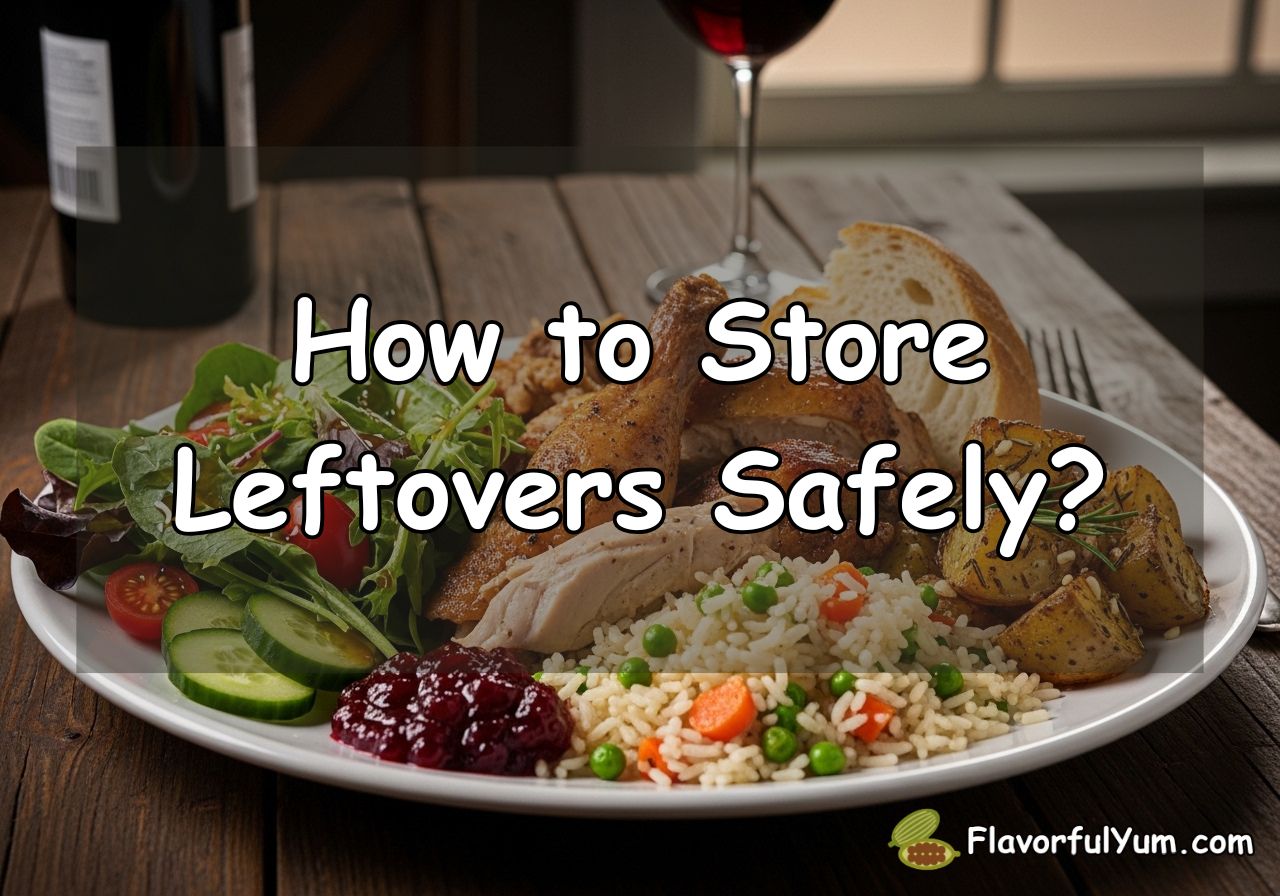
I often cook more food than I need. Most people do. Leftovers save time, save money, and reduce waste. But leftovers can also cause food poisoning if I store them the wrong way. I learned that safe storage depends on time, temperature, and clean habits.
In this guide, I explain how I store leftovers safely at home. I keep the language simple so anyone can follow the steps.
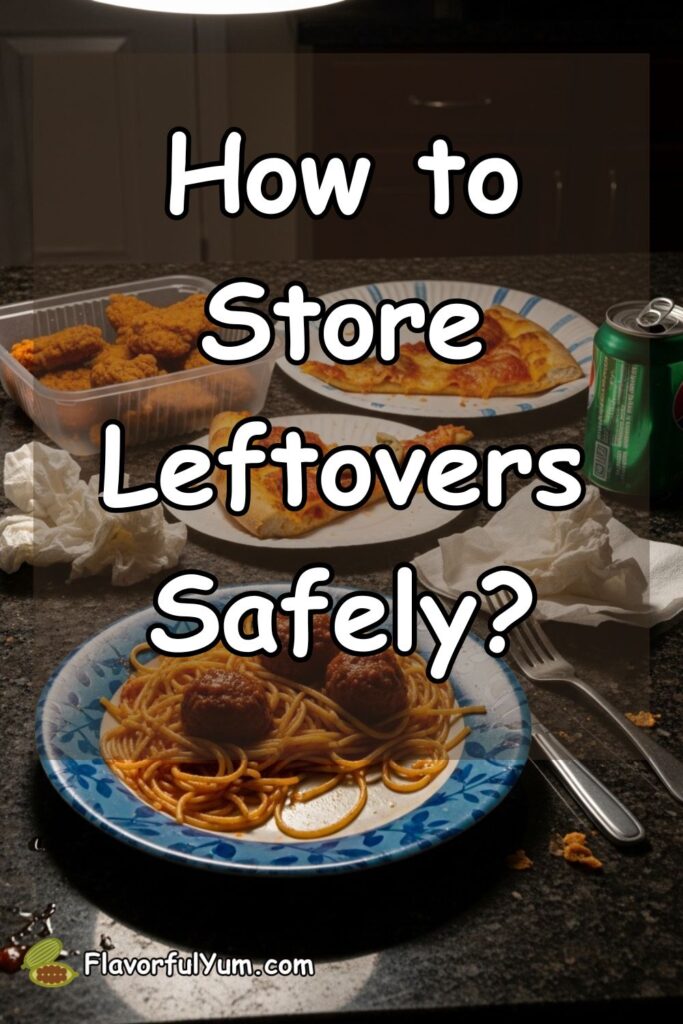
Why Safe Storage Matters?
Food contains bacteria. Some bacteria grow fast at room temperature. These bacteria can cause stomach pain, vomiting, and diarrhea.
Cooking kills most bacteria. But after cooking, bacteria can return. They grow faster when food stays warm for too long.
I store leftovers safely because I want to:
- Protect my health
- Avoid wasting food
- Keep flavors fresh
Safe storage is not hard. I just follow a few clear rules.
The Two-Hour Rule
The first rule I follow is the two-hour rule.
I do not leave cooked food at room temperature for more than two hours. If the room feels hot, I limit that time to one hour.
Bacteria grow fastest between 40°F and 140°F (4°C to 60°C). This range is called the danger zone.
When food stays in this range, bacteria multiply fast.
So I:
- Serve food
- Eat what I need
- Store the rest within two hours
This one habit prevents most problems.
Let Food Cool Before Storage
Hot food raises the temperature inside the fridge. That can affect other foods.
I let hot food cool slightly before I store it. But I do not wait too long.
I use these steps:
- I divide large portions into small containers.
- I let steam escape for a few minutes.
- I place containers in the fridge while food is still warm, not hot.
Small portions cool faster. This reduces bacterial growth.
Use Clean Containers
I always use clean containers for leftovers.
Dirty containers add new bacteria to food.
I prefer containers that:
- Have tight lids
- Are made of glass or food-safe plastic
- Fit small portions
Glass containers work best for me. They do not hold smells. They clean easily.
I avoid:
- Old takeout boxes with cracks
- Containers without lids
- Plastic bags for wet food
Clean storage keeps food safe longer.
Label and Date Everything
I used to forget how old my food was. Now I label all leftovers.
I write:
- Food name
- Storage date
This helps me track freshness.
When I see a container, I know:
- What it contains
- How long it stayed in the fridge
If I feel unsure, I throw it away. I trust labels more than memory.
Fridge Storage Guidelines
Most leftovers stay safe in the fridge for three to four days.
This applies to:
- Cooked meat
- Rice and pasta
- Soups and stews
- Cooked vegetables
I keep my fridge at or below 40°F (4°C).
I store food like this:
- Ready-to-eat food on top shelves
- Raw food on lower shelves
- Sealed containers only
Cold temperature slows bacterial growth.
Freezer Storage Guidelines
The freezer stops bacterial growth.
Most leftovers stay safe in the freezer for two to three months. Some foods last longer, but quality drops over time.
I freeze:
- Cooked meat
- Casseroles
- Soups
- Rice and beans
I do not freeze:
- Mayonnaise-based salads
- Fried foods with batter
- Cream sauces
I always:
- Use freezer-safe containers
- Remove air from bags
- Label with date
Freezing keeps food safe, but taste still matters.
How to Reheat Leftovers Safely?
Reheating kills bacteria, but only if I heat food fully.
I reheat leftovers until:
- The food feels hot all the way through
- Steam rises from the center
- Internal temperature reaches 165°F (74°C)
I stir food during reheating. This spreads heat evenly.
I never reheat food more than once. Each reheating step raises risk.
Microwave Reheating Tips
Microwaves heat unevenly. Some spots stay cold.
I follow these steps:
- I cover food with a lid or wrap.
- I stir halfway through heating.
- I let food rest for one minute.
- I check heat in the center.
Rest time lets heat spread.
If part feels cold, I heat again.
Do Not Mix Old and New Food
I never add fresh food to old leftovers.
This mixes bacteria levels.
If I cook a new batch:
- I store it in a new container
- I use a new label
Old food stays separate.
This keeps tracking simple and safe.
Foods That Spoil Faster
Some foods need extra care.
These spoil faster:
- Cooked rice
- Seafood
- Dairy dishes
- Cut fruit
I eat these within one to two days.
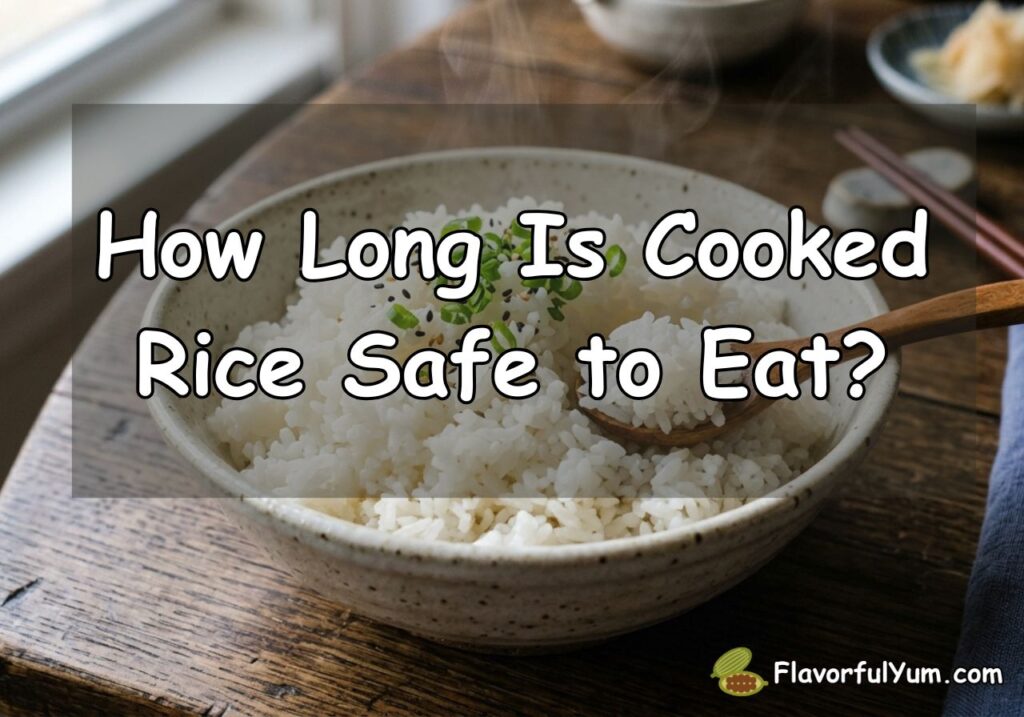
Rice deserves special mention. Bacteria grow fast in cooked rice if I leave it warm.
I cool rice fast and store it right away.
Signs That Leftovers Are Unsafe
I use my senses, but I do not rely on smell alone.
I throw food away if:
- It smells sour or strange
- It shows mold
- It feels slimy
- It changes color
If I feel unsure, I do not taste it.
Food poisoning is not worth the risk.
Safe Storage for Takeout Food
Takeout food follows the same rules.
I do not leave takeout boxes on the counter.
I:
- Transfer food into clean containers
- Store within two hours
- Eat within three days
Cardboard boxes trap moisture. They grow bacteria.
I move food into sealed containers instead.
Storage for Lunch and Work Meals
I pack leftovers for work often.
I use insulated lunch bags with ice packs.
I keep food cold until I eat it.
If I cannot refrigerate:
- I choose dry foods
- I eat within four hours
Cold storage stays important outside the house too.
How I Organize My Fridge?
Good fridge order helps safety.
I keep:
- New food at the back
- Older food at the front
This system reminds me to eat older food first.
I clean my fridge once a week.
Spills grow bacteria fast.
Clean shelves reduce cross-contamination.
Safe Thawing Methods
I never thaw food on the counter.
I thaw food using:
- The fridge
- The microwave
- Cold water in a sealed bag
Room temperature thawing lets bacteria grow.
The fridge method works best for me.
It takes longer but stays safe.
Can I Refreeze Leftovers?
Yes, but with care.
I refreeze food only if:
- It thawed in the fridge
- It still smells fresh
- It stayed cold the whole time
I do not refreeze food that:
- Sat at room temperature
- Thawed in hot water
- Looks or smells odd
Refreezing affects texture, but safety matters more.
Common Mistakes I Avoid
These mistakes cause most food problems:
- Leaving food out overnight
- Storing food in open bowls
- Guessing food age
- Reheating more than once
- Tasting spoiled food
I avoid these habits.
Simple steps prevent serious illness.
Special Case: Soups and Stews
Soups stay hot for long. That delays cooling.
I cool soup like this:
- I pour into shallow containers.
- I place containers in cold water.
- I store in the fridge fast.
Deep pots cool too slowly.
Shallow containers work better.
Special Case: Meat and Poultry
Meat carries more bacteria.
I store meat leftovers:
- In sealed containers
- On top fridge shelves
- For no more than three days
I reheat meat until fully hot.
Cold centers mean danger.
Special Case: Salads
Leafy salads spoil fast.
I store salads without dressing.
I add dressing only before eating.
Wet leaves grow bacteria faster.
Dry storage extends life.
Food Safety for Kids and the Elderly
Kids and older adults face higher risk.
I stay extra careful with their food.
I:
- Avoid old leftovers
- Reheat fully
- Serve fresh meals more often
Strong habits protect vulnerable people.
My Simple Leftover Safety System
I follow a simple system every day:
- Store within two hours
- Use clean containers
- Label and date
- Eat within three days
- Reheat once only
This system works for me.
It removes guesswork.
Final Thoughts
Leftovers help me save time and money. But safety always comes first.
I treat leftovers like fresh food. I respect time limits. I control temperature. I use clean storage.
Safe storage does not need special tools. It needs simple habits.
When I store leftovers safely, I protect my health and reduce waste at the same time.
That feels like a smart win for me and my kitchen.
It’s Eliana Hazel. I’m a 33-year-old wife and mom of two from Tennessee who loves cooking fresh, simple meals for my family. I shop for veggies at Walmart, try new recipes, and add my own twist to make them special. When I’m not in the kitchen, I enjoy yoga, meditation, and catching up with my friends over green smoothies. Here, I share family-tested recipes, easy cooking tips, and a little inspiration to make your kitchen a happy place.
Related Posts


Previous Post
Next Post
Hey, y’all! I’m Hazel!
I’m SO happy you’re here! I’m passionate about cooking fresh, homemade meals for my family and love sharing recipes that are simple, healthy, and full of flavor. Here on my blog, I believe in making food with love, experimenting with ingredients, and turning everyday meals into something special. In short, I believe that cooking at home brings families closer and makes life more joyful. >>> Learn more