
Now Reading: Is It Safe to Eat Food Left Out Overnight?
-
01
Is It Safe to Eat Food Left Out Overnight?
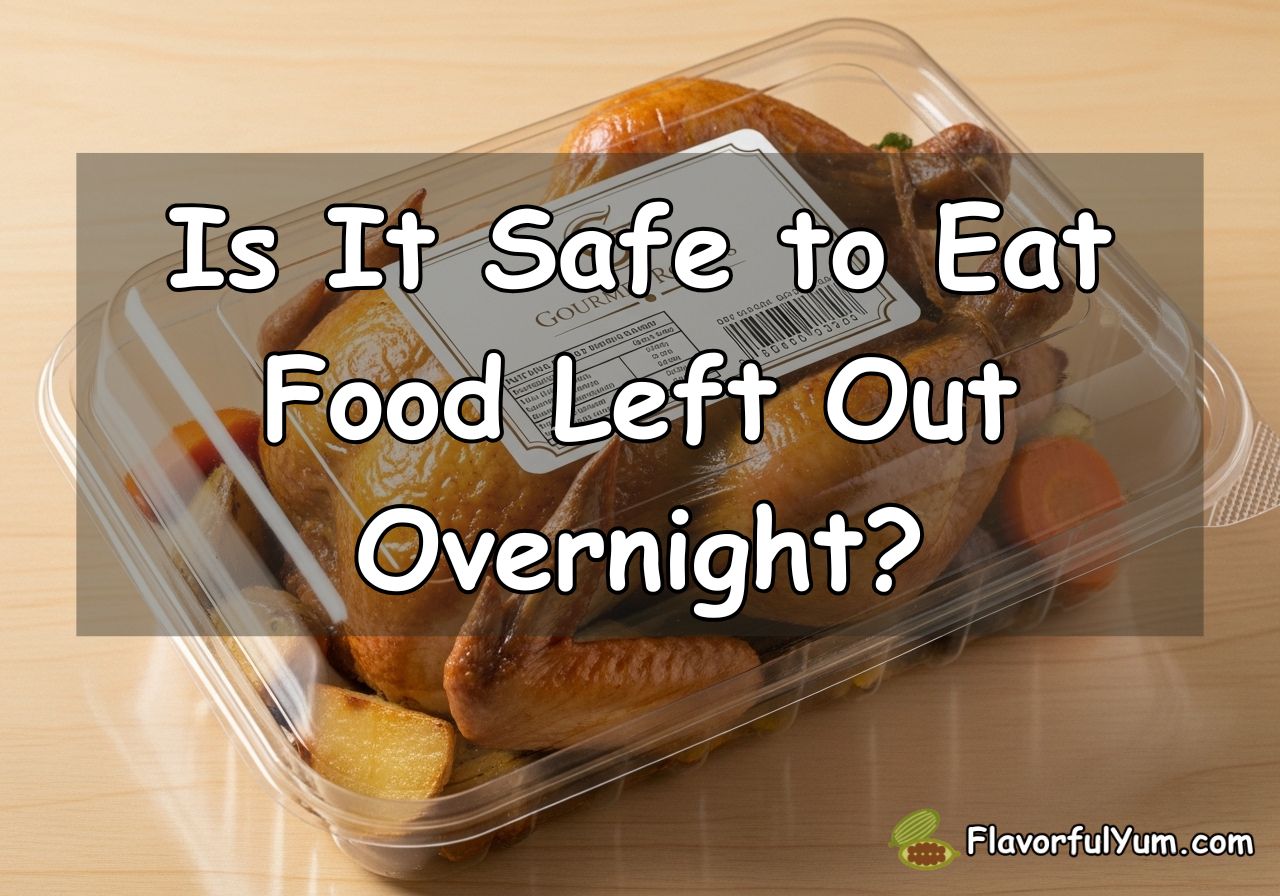
Many people ask this question, and I used to ask it too. I often looked at food on the counter and wondered if it was still safe. Sometimes the food looked fine, smelled fine, and tasted fine. Still, I felt unsure. Over time, I learned that food safety depends on clear rules, not just appearance.
Food left out overnight can carry serious risks. Bacteria grow fast at room temperature. These bacteria can cause illness even if food looks normal. Understanding how long food stays safe helps prevent food poisoning and protects health.
In this article, I explain what happens when food stays out too long, which foods spoil fastest, and how to store leftovers safely.

What Happens to Food at Room Temperature/
Food changes when it stays at room temperature. Bacteria begin to grow once food cools down or sits exposed.
Most harmful bacteria grow best between 40°F and 140°F. This range is known as the danger zone. Room temperature sits inside this range.
When food stays in this zone, bacteria multiply fast. Some bacteria double every 20 minutes. After a few hours, millions of bacteria can form.
This process happens even if food smells fine. Many harmful bacteria do not change smell, taste, or color.
The Two-Hour Rule
Food safety experts follow the two-hour rule. This rule states that cooked or perishable food should not stay out for more than two hours.
If the room temperature rises above 90°F, the safe time drops to one hour. Heat speeds up bacterial growth.
After two hours, the risk increases. After overnight, the risk becomes very high.
This rule applies to most foods, including meat, rice, pasta, dairy, and cooked vegetables.
Why Smell and Taste Do Not Protect You?
Many people rely on smell or taste to judge food. This method does not work for safety.
Some dangerous bacteria do not create strong smells. Food may look fresh but still contain harmful germs.
Tasting unsafe food can cause illness even in small amounts. Symptoms may appear hours or days later.
Food safety depends on time and temperature, not senses.
Foods That Spoil the Fastest
Some foods carry higher risk than others. These foods should never stay out overnight.
High-risk foods include:
- Meat and poultry
- Fish and seafood
- Eggs and dairy
- Cooked rice and pasta
- Cooked vegetables
- Soups and stews
These foods contain moisture and protein. Bacteria grow well in these conditions.
Low-risk foods include:
- Bread
- Crackers
- Whole fruits
- Nuts
- Dry snacks
Even low-risk foods can spoil, but they carry less danger.
What About Pizza and Fast Food?
People often leave pizza or fast food on the counter. This feels common, but it still carries risk.
Pizza contains cheese, meat, and sauce. These ingredients spoil fast. Leaving pizza out overnight increases bacterial growth.
Fast food burgers, fries, and chicken also fall under the two-hour rule.
Even if people eat this food often without problems, the risk stays real. One safe experience does not mean future safety.
Rice and Pasta Risks
Cooked rice and pasta cause many food poisoning cases.
Rice can contain spores that survive cooking. These spores grow into bacteria when rice cools at room temperature.
Leaving rice out overnight allows bacteria to grow fast. Reheating does not always kill all toxins.
The same risk applies to pasta and noodles.
Can Reheating Make Food Safe?
Reheating kills some bacteria, but it does not remove all toxins.
Some bacteria produce toxins that resist heat. Even boiling does not destroy these toxins.
If food stays out too long, reheating does not make it safe again.
The safest choice is to throw it away.
Signs That Food Is Unsafe
Some signs show clear spoilage, but many unsafe foods show no signs.
Clear signs include:
- Bad smell
- Slimy texture
- Mold
- Strange color
If you see these signs, discard the food.
If food stayed out overnight, discard it even without signs.
Who Faces Higher Risk?
Some people face higher risk from food poisoning.
These include:
- Children
- Pregnant women
- Older adults
- People with weak immune systems
For these groups, even small bacterial amounts cause serious illness.
Extra care helps protect health.
Safe Storage Rules
Safe storage prevents most food risks.
I follow these simple rules:
- Refrigerate leftovers within two hours
- Store food in shallow containers
- Keep fridge temperature below 40°F
- Label leftovers with date
- Eat leftovers within three to four days
These habits keep food fresh and safe.
How I Handle Leftovers?
When I finish cooking, I pack leftovers right away. I do not wait until bedtime.
I divide food into small containers. This helps food cool faster.
I place containers in the fridge and use them within three days.
This routine reduces waste and protects health.
Common Myths About Food Safety
Many food myths create confusion.
Myth 1: Food is safe if it smells fine
Myth 2: Reheating fixes all problems
Myth 3: Food left out one night is safe
Myth 4: Cold weather keeps food safe
These ideas feel logical but lack science support.
When to Throw Food Away?
Throw food away if:
- It stayed out overnight
- You feel unsure about safety
- You forgot how long it stayed out
- It smells or looks strange
Food waste feels bad, but food poisoning feels worse.
How Long Can Food Stay Out?
Here is a simple guide:
Cooked food: 2 hours
Hot weather: 1 hour
Perishable snacks: 2 hours
Dry snacks: several hours
Overnight always exceeds safe time.
Real-Life Example
I once left soup on the stove overnight. It smelled fine the next morning.
I almost reheated it, but I remembered safety rules. I threw it away.
That choice prevented possible illness.
Now I never leave cooked food out.
How to Build Safe Food Habits?
Safe habits create long-term protection.
I set phone reminders to store food.
I clean the kitchen before bed.
I check fridge space before cooking.
These habits prevent mistakes.
Final Thoughts
Food left out overnight is not safe to eat. Bacteria grow fast at room temperature. Many harmful germs show no signs.
Smell and taste do not guarantee safety. Reheating does not fix all risks.
The best rule stays simple. If food sat out overnight, throw it away.
Safe storage protects health, prevents illness, and builds smart food habits.

It’s Eliana Hazel. I’m a 33-year-old wife and mom of two from Tennessee who loves cooking fresh, simple meals for my family. I shop for veggies at Walmart, try new recipes, and add my own twist to make them special. When I’m not in the kitchen, I enjoy yoga, meditation, and catching up with my friends over green smoothies. Here, I share family-tested recipes, easy cooking tips, and a little inspiration to make your kitchen a happy place.
Related Posts


Previous Post
Next Post



Hey, y’all! I’m Hazel!
I’m SO happy you’re here! I’m passionate about cooking fresh, homemade meals for my family and love sharing recipes that are simple, healthy, and full of flavor. Here on my blog, I believe in making food with love, experimenting with ingredients, and turning everyday meals into something special. In short, I believe that cooking at home brings families closer and makes life more joyful. >>> Learn more