
Now Reading: Macros 101: How to Meal Prep for Protein, Carbs, and Fats?
-
01
Macros 101: How to Meal Prep for Protein, Carbs, and Fats?
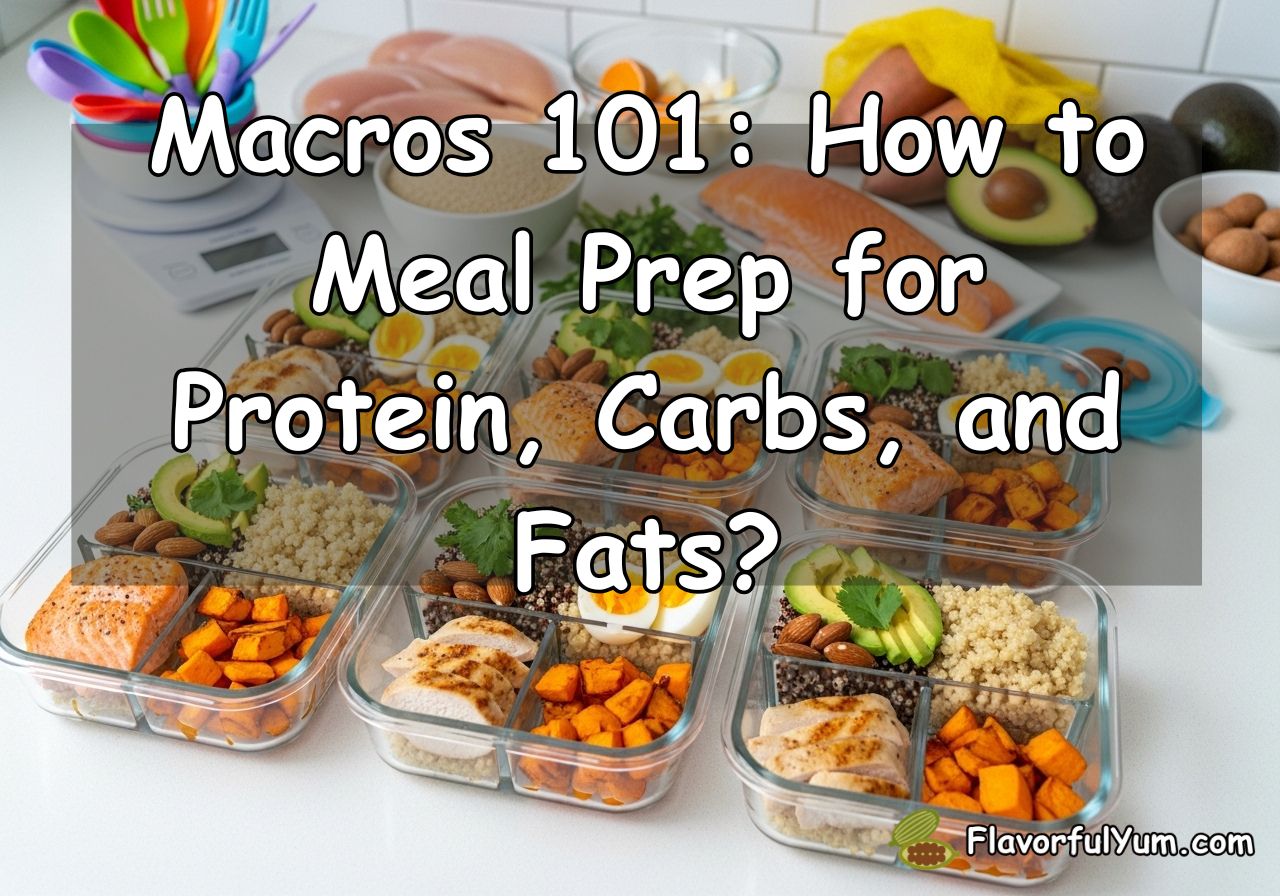
If you are trying to eat healthier, lose weight, or gain muscle, understanding macros can make a big difference. I used to focus only on calories, but learning about protein, carbs, and fats changed everything. When you know how to balance these three nutrients, meal prep becomes simple, predictable, and effective.

What Are Macros?
Macros is short for macronutrients. Your body uses macros as fuel. There are three main types:
- Protein – builds and repairs muscles and tissues.
- Carbohydrates – provide energy for daily activities and workouts.
- Fats – support hormones, brain function, and cell health.
I like to think of macros as the building blocks of your meals. Each meal should have a combination that fits your goals.
Why Meal Prep with Macros Matters?
Meal prepping saves time, reduces stress, and keeps you on track. When I prep meals with macros in mind, I never have to guess what to eat. My energy stays steady, I avoid junk food, and I hit my nutrition goals consistently.
Meal prep also helps me control portions. When I weigh or measure ingredients, I know exactly how much protein, carbs, and fat I am getting. This makes tracking easy.
How to Calculate Your Macros?
Before meal prepping, you need to figure out your macro targets. I follow these simple steps:
- Determine daily calories – This depends on your goal: weight loss, maintenance, or muscle gain.
- Set protein intake – A common rule is 0.8–1 gram per pound of body weight.
- Set fat intake – Usually 20–30% of total calories.
- Fill the rest with carbs – Carbs provide energy for workouts and daily life.
For example, if I eat 2,000 calories per day:
- Protein: 150 grams (600 calories)
- Fat: 60 grams (540 calories)
- Carbs: 215 grams (860 calories)
Tracking macros can feel complicated at first. I use a simple app to log my meals. It helps me stay consistent without overthinking.
Choosing Protein Sources
Protein is key for feeling full and building muscle. Here are my favorite protein sources:
- Chicken breast – lean, versatile, and easy to cook.
- Eggs – great for breakfast or snacks.
- Greek yogurt – high in protein and creamy.
- Fish – salmon, tuna, or cod.
- Tofu or tempeh – perfect plant-based options.
When I prep protein, I usually cook in bulk. Baking or grilling several chicken breasts at once saves time. I divide them into portions for the week.
Choosing Carbohydrate Sources
Carbs give energy, especially before workouts. I focus on nutrient-dense carbs:
- Brown rice – easy to cook in a large batch.
- Quinoa – high in protein and fiber.
- Sweet potatoes – packed with vitamins.
- Oats – perfect for breakfast or snacks.
- Fruits – apples, berries, or bananas.
I try to avoid processed carbs like white bread or sugary snacks. They spike my energy and make me hungry soon after.
Choosing Healthy Fats
Fats support hormones and keep meals satisfying. I include:
- Avocado – creamy and full of good fats.
- Nuts – almonds, walnuts, or cashews.
- Olive oil – perfect for cooking or salads.
- Nut butters – peanut or almond butter.
- Fatty fish – salmon or mackerel.
I measure fats carefully. A little goes a long way, and portion control helps me stay on target.
Meal Prep Tools I Use
Meal prep becomes easier with a few tools. These are my essentials:
- Meal prep containers – I use ones with compartments for balance.
- Food scale – helps measure protein, carbs, and fats accurately.
- Measuring cups and spoons – quick for grains and liquids.
- Slow cooker or instant pot – I can cook in bulk without standing over the stove.
With these tools, I can prep a week’s worth of meals in about 1–2 hours.
How to Build a Balanced Plate?
When I assemble a meal, I follow a simple formula:
- Half the plate: vegetables – low in calories, high in fiber and vitamins.
- One-quarter: protein – chicken, fish, eggs, or tofu.
- One-quarter: carbs – rice, quinoa, or potatoes.
- Add a small portion of healthy fats – avocado, nuts, or olive oil.
This approach keeps meals satisfying, colorful, and nutrient-dense.
Example Meal Prep Day
Here’s what a day might look like for me:
Breakfast:
- 3 scrambled eggs
- 1/2 avocado
- 1 slice whole-grain toast
Snack:
- Greek yogurt
- Handful of berries
- 10 almonds
Lunch:
- Grilled chicken breast
- 1 cup brown rice
- Steamed broccoli
- Drizzle of olive oil
Snack:
- Apple
- 2 tablespoons peanut butter
Dinner:
- Baked salmon
- Quinoa
- Roasted asparagus
Snack (optional):
- Protein shake if I need extra protein
Tips to Stay Consistent
I learned a few tricks that make meal prep stick:
- Prep in batches – Cook multiple meals at once.
- Use simple recipes – Easy meals reduce stress and save time.
- Mix flavors – Spices, herbs, and sauces keep meals interesting.
- Label containers – I write the day or meal to avoid confusion.
- Adjust portions – If I need more energy, I add carbs. If I want weight loss, I reduce carbs slightly.
Consistency is easier when meals are ready and delicious. I rarely skip meals or reach for takeout because I already have food prepped.
Common Mistakes to Avoid
Meal prep can go wrong if you’re not careful. I watch out for these mistakes:
- Skipping vegetables – Fiber keeps me full and helps digestion.
- Overestimating portions – I always weigh ingredients to be precise.
- Eating the same meals – Variety prevents boredom.
- Ignoring fat intake – Fats are essential and keep meals satisfying.
- Not adjusting macros – I recalculate if my goals change.
Avoiding these mistakes keeps meal prep effective and sustainable.
How do I Track My Macros?
Tracking macros is key to staying on target. I use an app to log each meal. It shows:
- Calories
- Protein
- Carbs
- Fats
Sometimes I plan meals in advance, other times I log after cooking. Both work if I stick to the plan.
Adapting Meal Prep to Your Goals
Your macros will depend on what you want:
- Weight loss – Slight calorie deficit, high protein, moderate carbs, moderate fats.
- Muscle gain – Calorie surplus, high protein, higher carbs, moderate fats.
- Maintenance – Balance protein, carbs, and fats to match energy needs.
I change my meal portions depending on my workouts and activity level.
Meal Prep for Busy Schedules
I understand life can get hectic. Here’s how I manage:
- Freeze meals – Keeps them fresh for weeks.
- Prep versatile ingredients – Cook rice, protein, and vegetables separately, then mix and match.
- Keep snacks ready – Nuts, yogurt, or fruits for on-the-go energy.
Even with a busy week, I rarely go off track because my meals are ready.
Final Thoughts
Meal prepping for macros is not complicated. It takes some planning at first, but the rewards are huge. I feel more energetic, confident, and in control of my nutrition.
Start small. Prep a few meals for the week. Track your protein, carbs, and fats. Over time, it becomes a habit, and healthy eating becomes simple.
Macros are your tool, not your limit. They give structure while allowing flexibility. With practice, meal prep becomes second nature, and your goals feel achievable.

It’s Eliana Hazel. I’m a 33-year-old wife and mom of two from Tennessee who loves cooking fresh, simple meals for my family. I shop for veggies at Walmart, try new recipes, and add my own twist to make them special. When I’m not in the kitchen, I enjoy yoga, meditation, and catching up with my friends over green smoothies. Here, I share family-tested recipes, easy cooking tips, and a little inspiration to make your kitchen a happy place.
Related Posts

Previous Post
Next Post
Previous Post
Next Post


Hey, y’all! I’m Hazel!
I’m SO happy you’re here! I’m passionate about cooking fresh, homemade meals for my family and love sharing recipes that are simple, healthy, and full of flavor. Here on my blog, I believe in making food with love, experimenting with ingredients, and turning everyday meals into something special. In short, I believe that cooking at home brings families closer and makes life more joyful. >>> Learn more