
Now Reading: The Ultimate Guide to Balanced Meals for Kids
-
01
The Ultimate Guide to Balanced Meals for Kids
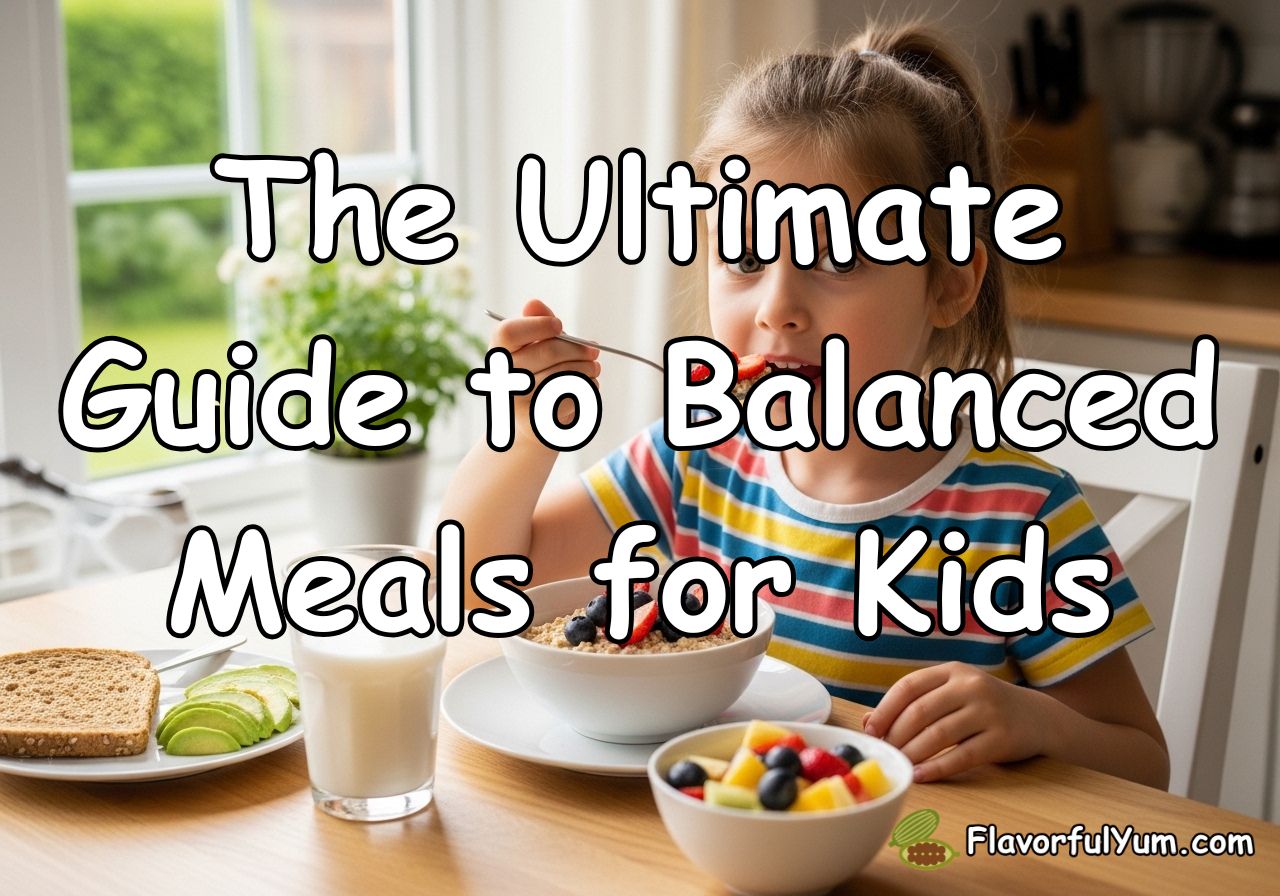
I know how challenging it can feel to feed kids well every day. Between school, activities, and work, it’s easy to grab whatever is quick. I used to rely on snacks and ready meals, thinking it was enough. Over time, I learned that balanced meals do not need to be complicated. With simple planning and the right mix of ingredients, I can give my kids food that fills them, nourishes them, and keeps them happy.
In this guide, I will share my system for creating balanced meals for kids. This includes what to include on the plate, how to make meals fun, and easy tips for parents.

What does a balanced meal mean?
A balanced meal gives kids energy, nutrients, and variety.
It is not about perfect portions or fancy food.
It is about including three main elements on the plate:
- Protein – Builds muscles and helps growth. Examples: eggs, chicken, beans, fish.
- Carbohydrates – Provides energy for school and play. Examples: rice, pasta, bread, potatoes.
- Fruits and Vegetables – Provides vitamins, minerals, and fiber. Examples: carrots, spinach, apples, berries.
Adding healthy fats like olive oil, avocado, or nuts supports brain development. A balanced meal helps kids feel full longer and supports healthy habits.
Step 1: Plan Meals Ahead
I learned that planning meals makes feeding kids easier.
I plan breakfast, lunch, and dinner for the week.
I include snacks.
I write a shopping list based on the plan.
Example weekly plan:
- Breakfast: Oatmeal with fruit, scrambled eggs with toast
- Lunch: Rice and beans, pasta with tomato sauce, turkey sandwiches
- Dinner: Chicken stir fry with vegetables, baked fish with potatoes, vegetable soup
- Snacks: Yogurt, fruit, popcorn, carrot sticks
Meal planning reduces stress and prevents last-minute unhealthy choices.
Step 2: Make Meals Colorful
Kids eat with their eyes first. I make sure the plate has colors from fruits and vegetables.
Tips I use:
- Mix red, yellow, green, and orange vegetables
- Serve fruit in fun shapes
- Include at least one vegetable at every meal
A colorful plate is more appealing and encourages kids to try new foods.
Step 3: Include Protein in Every Meal
Protein helps growth and keeps kids full.
Good sources:
- Animal-based: Eggs, chicken, turkey, fish, yogurt
- Plant-based: Beans, lentils, tofu, nuts, seeds
I often mix protein with grains and vegetables for easy meals.
Example:
- Chicken stir fry with rice and broccoli
- Lentil soup with carrots and potatoes
- Scrambled eggs with spinach and toast
Protein is especially important for breakfast to start the day with energy.
Step 4: Choose Healthy Carbohydrates
Carbohydrates are the main source of energy for kids.
I choose carbs that are minimally processed:
- Brown rice or whole-grain rice
- Whole wheat pasta or bread
- Oats, quinoa, and barley
- Potatoes and sweet potatoes
I avoid too many refined sugars like white bread or sugary cereals. Carbs paired with protein and fat keep kids full longer.
Step 5: Add Fruits and Vegetables
Fruits and vegetables provide vitamins, minerals, and fiber.
I include at least one fruit and one vegetable in every meal.
Tips:
- Serve raw veggies with hummus or yogurt dip
- Add fruit to oatmeal, pancakes, or yogurt
- Sneak vegetables into sauces, soups, and stir fries
Frozen vegetables are convenient and nutritious when fresh produce is limited.
Step 6: Include Healthy Fats
Healthy fats support brain development and keep kids full.
Sources I use:
- Olive oil
- Avocado
- Nuts and seeds
- Fatty fish like salmon
I add fats in small portions. For example: drizzle olive oil on roasted vegetables or add avocado to sandwiches.
Step 7: Keep Portions Kid-Friendly
Portion sizes for kids are smaller than for adults.
I follow simple rules:
- Half the plate: fruits and vegetables
- One-quarter: protein
- One-quarter: carbohydrates
This prevents overeating while ensuring variety. I adjust portions based on age and appetite.
Step 8: Make Meals Fun
I found that kids eat more when meals are fun.
Ideas I use:
- Cut sandwiches into shapes
- Use colorful plates
- Create “food faces” with fruits and vegetables
- Let kids assemble their meals (wraps, tacos, or rice bowls)
Fun meals encourage kids to try new foods without pressure.
Step 9: Include Snacks Wisely
Snacks keep kids energized between meals.
I choose snacks that are nutritious, not just filler:
- Fresh fruit or vegetables
- Yogurt or cottage cheese
- Nuts and seeds (if no allergy)
- Homemade muffins or granola bars
I avoid sugary drinks or candy as snacks. Healthy snacks support balanced meals.
Step 10: Make Meal Prep Simple
I learned that efficiency matters for busy families.
Tips I use:
- Chop vegetables in advance
- Cook proteins in bulk (chicken, beans, eggs)
- Use one-pan meals to save time
- Freeze leftovers for future meals
Simple prep reduces stress and ensures balanced meals even on busy nights.
Step 11: Encourage Kids to Drink Water
Water is the best drink for kids.
I serve water with every meal.
I limit sugary drinks and juices.
Water supports digestion, energy, and overall health.
Step 12: Introduce New Foods Slowly
I do not force new foods.
I introduce one new vegetable or fruit at a time.
I pair new foods with familiar favorites.
I encourage kids to taste, but I do not pressure them.
Patience helps kids develop healthy eating habits naturally.
Step 13: Make Meals Balanced in Every Sitting
I aim to include at least three elements in every meal:
- Protein
- Carbohydrate
- Fruits or vegetables
Example meals:
- Scrambled eggs with toast and sliced tomatoes
- Chicken stir fry with rice and broccoli
- Lentil soup with carrots and potatoes
Even simple meals can be balanced and nutritious.
Step 14: Plan Family Favorites
I rotate family favorites to keep meals enjoyable.
Examples:
- Spaghetti with meat sauce
- Tacos with beans and cheese
- Pancakes with fruit
- Baked fish with roasted potatoes
Rotating favorites keeps kids excited while staying balanced.
Step 15: Avoid Overly Processed Foods
Processed foods often contain excess salt, sugar, and unhealthy fats.
I limit:
- Frozen ready meals
- Sugary cereals
- Chips and cookies
Instead, I focus on fresh, whole foods for balanced nutrition.
Step 16: Involve Kids in Cooking
I involve kids in simple tasks:
- Washing vegetables
- Stirring ingredients
- Assembling plates
Kids eat more when they help prepare meals. It also teaches healthy habits early.
Step 17: Batch Cooking for Busy Days
Batch cooking saves time and ensures balanced meals.
I cook:
- Large portions of rice or pasta
- Chicken or beans in bulk
- Soups and stews for multiple meals
I store extra portions in the fridge or freezer. Busy nights no longer mean skipping balance.
Step 18: Make Breakfast Balanced
Breakfast is key for energy and focus.
I include:
- Protein (eggs, yogurt, peanut butter)
- Carbohydrate (oats, toast, fruit)
- Healthy fat (nuts, seeds, avocado)
Balanced breakfast sets a good tone for the day.
Step 19: Keep Lunchtime Nutritious
Lunch can be simple yet balanced:
- Turkey and cheese sandwich with carrot sticks
- Rice bowl with beans, vegetables, and avocado
- Pasta salad with vegetables and chicken
Packing balanced lunches reduces reliance on fast food or processed options.
Step 20: Keep Dinners Family-Friendly
Dinner should be filling, nutritious, and simple to cook.
Examples:
- Baked chicken with roasted vegetables and potatoes
- Pasta with tomato sauce and shredded cheese
- Stir fry with rice, vegetables, and tofu
Dinners should balance nutrients and be realistic for busy families.
Step 21: Teach Kids About Balanced Plates
I talk to kids about food without pressure.
I explain:
- “Protein helps your muscles grow”
- “Vegetables help you see better and stay strong”
- “Carbs give energy to play”
Understanding food makes kids more willing to eat balanced meals.
Step 22: Adjust for Preferences
I know not every kid likes every food.
I respect preferences but keep options healthy.
I rotate similar foods:
- Broccoli for one week, green beans next
- Apple slices, then berries
Small adjustments keep meals balanced and accepted.
Step 23: Keep Treats in Moderation
Treats are part of life.
I include occasional treats:
- Small cookies
- Homemade muffins
- Ice cream once a week
Treats teach moderation without making kids feel deprived.
Step 24: Stay Consistent
Consistency is key.
Balanced meals work best when offered regularly.
Even if one meal is skipped, the next can return to balance.
Consistency builds habits and reduces stress around food.
Step 25: Monitor Growth and Energy
Balanced meals show results in how kids feel.
I watch for:
- Energy levels during the day
- Healthy weight and growth
- Mood and focus
If necessary, I adjust meals slightly for more vegetables, protein, or whole grains.
Final Thoughts
Balanced meals for kids do not need to be complicated. With simple planning, colorful plates, protein, carbohydrates, and fruits or vegetables, we can give children food that fills them, nourishes them, and sets healthy habits.
I learned that planning meals, preparing in advance, and involving kids in the process makes feeding the family easier and more enjoyable. Balanced meals support growth, energy, and long-term health.
With this system, feeding kids becomes less stressful and more rewarding. We can make every meal count without pressure or confusion.

It’s Eliana Hazel. I’m a 33-year-old wife and mom of two from Tennessee who loves cooking fresh, simple meals for my family. I shop for veggies at Walmart, try new recipes, and add my own twist to make them special. When I’m not in the kitchen, I enjoy yoga, meditation, and catching up with my friends over green smoothies. Here, I share family-tested recipes, easy cooking tips, and a little inspiration to make your kitchen a happy place.
Related Posts

Previous Post
Next Post


Hey, y’all! I’m Hazel!
I’m SO happy you’re here! I’m passionate about cooking fresh, homemade meals for my family and love sharing recipes that are simple, healthy, and full of flavor. Here on my blog, I believe in making food with love, experimenting with ingredients, and turning everyday meals into something special. In short, I believe that cooking at home brings families closer and makes life more joyful. >>> Learn more