
Now Reading: Which Spices Fight Inflammation Naturally?
-
01
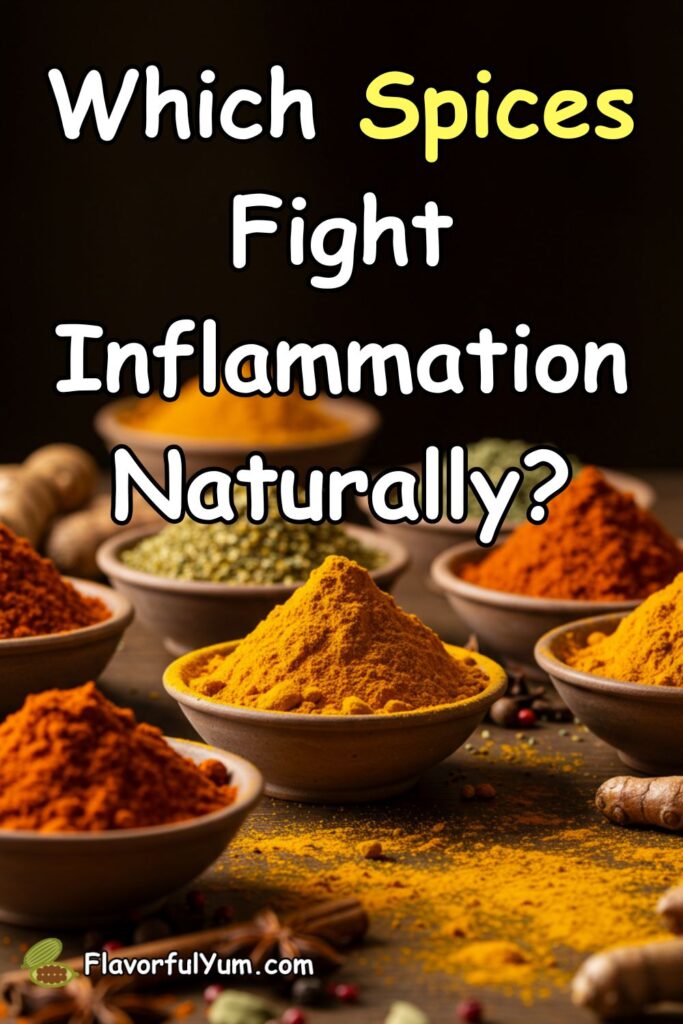
Which Spices Fight Inflammation Naturally?

I’ve spent more than seven years as a chef, and I have learned a lot. I see food not just as a fuel but as medicine. Food can heal you. I’ve seen this happen in my own life and with people I cook for. One big thing I’ve learned about is inflammation.
Your body has a way of protecting itself. When you get a cut or have an infection, your body sends a team of cells to the area. This is a defense system. The area gets red, swells up, and feels warm. This is called acute inflammation. It is a good thing. It helps your body heal.
But sometimes, this defense system does not turn off. It stays on all the time. This is called chronic inflammation. It is not always obvious. It can be a silent force working inside you. This long-term inflammation can lead to many health issues. For me, cooking is about fighting this problem. I believe in using food to help people live better.
This is where spices come in. For years, I have used spices for flavor. Now I use them to help the people I cook for. Spices are a powerful tool. They can help fight chronic inflammation naturally. I want to share the top spices you can easily add to your meals. These spices have a purpose. They do more than just make food taste good. They can help you feel better.
The Power of Turmeric
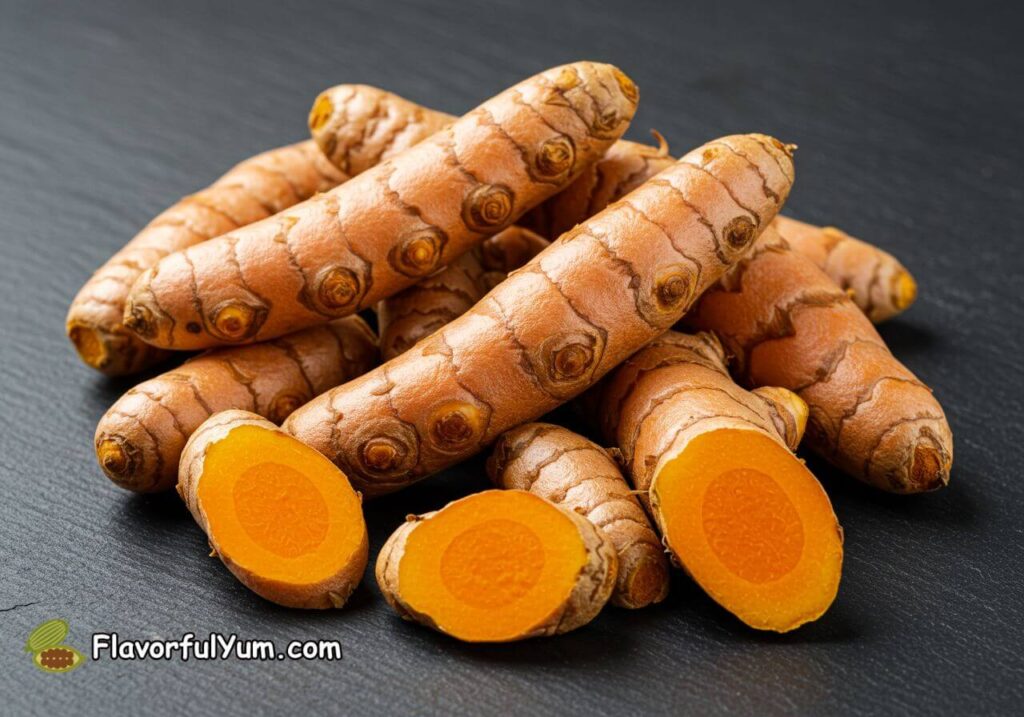
In my kitchen, turmeric is the king of all spices. People have used it for thousands of years in both cooking and medicine. Turmeric has a bright yellow-orange color. It gives curries and stews a deep, rich hue. But its real power is something you cannot see.
The active compound in turmeric is called curcumin. Curcumin is the part that does the work. It is a powerful anti-inflammatory. I think of curcumin like a bouncer at a club. It stops bad things from getting in. Curcumin works by blocking molecules that cause inflammation. It tells these molecules to stop. It prevents them from causing harm inside your body.
But there is a catch. Your body does not absorb curcumin very well on its own. It needs help. This is why I always use black pepper with turmeric. Black pepper has a compound called piperine. Piperine helps your body absorb curcumin much better. When I use turmeric in a dish, I always add a pinch of black pepper. This simple step makes the turmeric much more effective.
I use turmeric in my cooking almost every day. It is an easy spice to add to many dishes. One of my favorite ways to use it is in a golden milk latte. I warm up some milk, add a spoonful of turmeric, a pinch of black pepper, some ginger, and a little bit of cinnamon. It makes a warm, comforting drink. I drink this often before I go to bed.
Another way I use turmeric is in curries and stews. Turmeric is a base spice for many Indian and Southeast Asian dishes. It gives the dish its color and a warm, earthy flavor. I add it to lentil stews, chicken curries, and vegetable soups. I also put it in my morning smoothies. I just add a half-teaspoon. It does not change the flavor much, but it gives me an anti-inflammatory boost for the day. Finally, I sprinkle it on roasted vegetables. I mix it with a little olive oil, salt, and pepper. It gives potatoes, cauliflower, and carrots a beautiful color and a health benefit.
The Warmth of Ginger
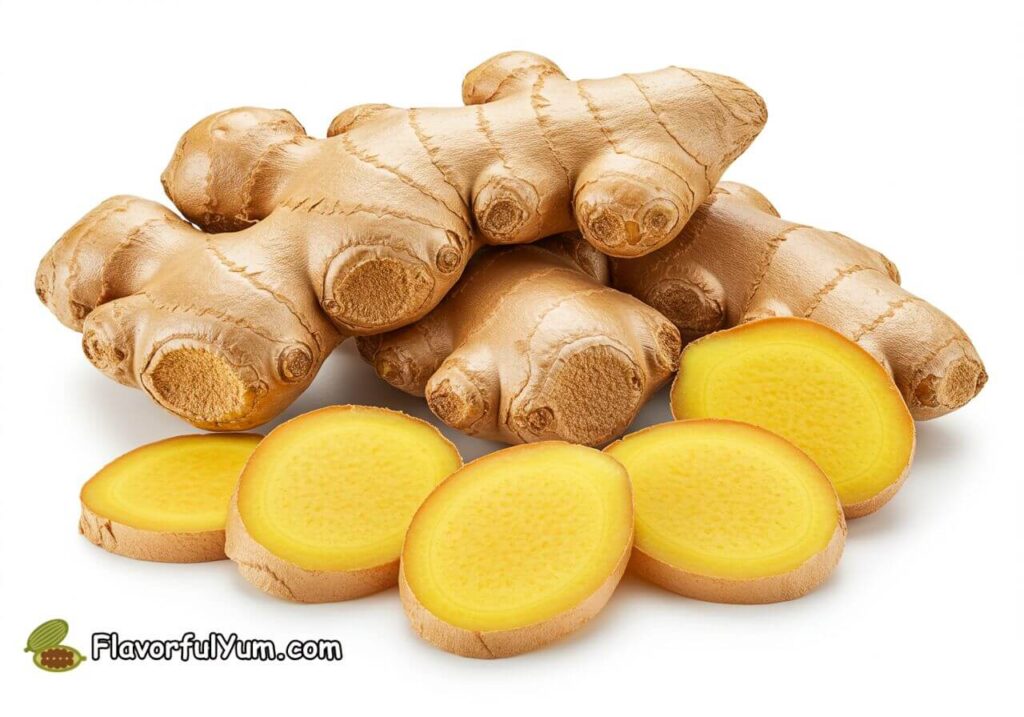
Ginger is another spice I cannot live without. It has a spicy, warm taste. Many people know it for its ability to soothe an upset stomach. But ginger does much more than that. It is a potent anti-inflammatory spice.
Ginger has active compounds called gingerols and shogaols. These compounds give ginger its strong flavor and its healing properties. I have used ginger for years to help with muscle soreness. After a long day on my feet in the kitchen, I sometimes get aches. A hot cup of ginger tea helps me a lot. The gingerols and shogaols in the tea work to calm the inflammation in my muscles.
Making ginger tea is simple. I slice up fresh ginger root and simmer it in hot water for a few minutes. I sometimes add a slice of lemon and a little honey. It makes a perfect warm drink on a cool day. I also add ginger to stir-fries. I use it with garlic and soy sauce to make a flavorful and healthy sauce. It adds a fresh, spicy kick.
Soups are another good place for ginger. I grate fresh ginger into my soups, especially chicken soup or a carrot-ginger soup. It adds a layer of flavor and warmth. For those who like to bake, ginger works well in baked goods. I use ground ginger in cookies, cakes, and quick breads. It gives a warm, spicy flavor that is perfect for desserts. Ginger is a truly versatile spice. I use both fresh ginger root and dried ground ginger. Both are good. The fresh ginger has a bit more zing, while the dried ginger is more concentrated.
Cinnamon’s Surprising Benefits

Many people think of cinnamon as a spice for sweets. They use it on toast or in apple pies. But cinnamon has some amazing properties that go beyond just flavor. It has anti-inflammatory power. I did not know this when I started as a chef. I was surprised.
One of cinnamon’s biggest benefits is its ability to help regulate blood sugar levels. When your blood sugar spikes, it can trigger inflammation. By helping to keep blood sugar stable, cinnamon helps prevent this from happening. It acts like a buffer.
I use cinnamon almost every day. I like to add it to my morning oatmeal or yogurt. It adds a warm flavor and makes it more satisfying. It is also great in coffee and tea. I sprinkle a little on top of my coffee grounds before brewing. The smell fills the kitchen. It is also good in baked apples. I slice up an apple, sprinkle it with cinnamon, and bake it until soft. It makes a simple, healthy dessert.
I also put cinnamon in my smoothies. A little bit goes a long way. It pairs well with bananas, apples, and oats. I also use it in savory dishes sometimes. I use a little bit in chili or on roasted sweet potatoes. It adds a subtle warmth and a deeper flavor. It shows how versatile this spice can be.
There are two main types of cinnamon: Ceylon and Cassia. Cassia is the one you most often find in stores. It is a stronger flavor. Ceylon is sometimes called “true cinnamon.” It has a more delicate flavor. Both have benefits. I keep both in my pantry.
The Zing of Cayenne Pepper
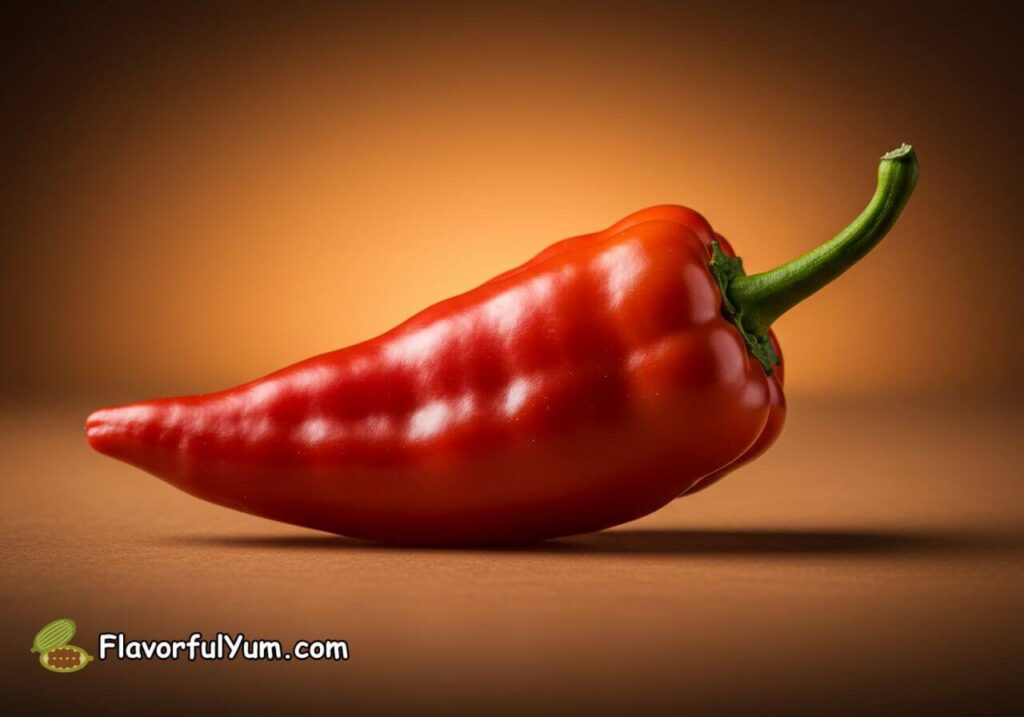
Cayenne pepper is a hot spice. I know it can scare some people away. But cayenne pepper has a powerful secret. Its heat comes from a compound called capsaicin. Capsaicin is a potent anti-inflammatory agent.
Capsaicin works in a different way than other spices. It works by affecting nerve signals. It binds to pain receptors in your body. This makes them less sensitive to pain. This is why some creams for muscle pain use capsaicin. It helps relieve both pain and inflammation.
I always tell people to use cayenne pepper with care. A little bit goes a long way. You only need a small sprinkle to get the benefits. I use it in many dishes to add a kick. I add it to spicy dishes and sauces. I use a little bit in a homemade hot sauce or a spicy chili. It adds a nice heat.
I also sprinkle it on eggs in the morning. It wakes up the taste buds. It adds a little heat to a simple breakfast. I also add it to homemade marinades for meat or vegetables. It gives a fiery flavor. Just remember, a pinch is often all you need. You can always add more, but you cannot take it away. I start with a very small amount.
Other Powerful Spices to Add to Your Pantry
My kitchen pantry is a treasure chest. I keep many spices on hand. A few other spices also have great anti-inflammatory properties. I use them often.
- Garlic: Garlic is a staple in my cooking. It is a member of the onion family. It has a compound called allicin. Allicin has many health benefits, including fighting inflammation. I use garlic in almost all my savory dishes. I add it to sauces, stir-fries, and roasted vegetables.
- Black Pepper: I already mentioned this one. Black pepper contains piperine. Piperine helps your body absorb the curcumin from turmeric. This makes turmeric more effective. I always use black pepper with turmeric in my cooking.
- Rosemary: Rosemary is a fragrant herb. I grow it in a small pot outside my kitchen. It is full of antioxidants. It has a compound called rosmarinic acid. This acid helps reduce inflammation. I use rosemary on roasted chicken, potatoes, and lamb. I also add a sprig to my soups.
- Clove: Clove has a strong, sweet aroma. It is often used in baking. It has a high antioxidant content. It also contains a compound called eugenol. Eugenol helps reduce inflammation. I use cloves in spiced ciders, baked ham, and desserts. I use them sparingly.
Conclusion
I believe good food is the first step to feeling good. We have a lot of control over what we put in our bodies. Spices can be a big part of that. Turmeric, ginger, cinnamon, and cayenne pepper are my top four. They are easy to find. They are easy to use. They give your food great flavor.
Adding these spices to your daily cooking is a simple, natural way to help your body. It can support a healthy lifestyle. It is a small change with a big impact. I have seen the difference it can make. Start your spice journey today. What is your favorite anti-inflammatory spice?

It’s Eliana Hazel. I’m a 33-year-old wife and mom of two from Tennessee who loves cooking fresh, simple meals for my family. I shop for veggies at Walmart, try new recipes, and add my own twist to make them special. When I’m not in the kitchen, I enjoy yoga, meditation, and catching up with my friends over green smoothies. Here, I share family-tested recipes, easy cooking tips, and a little inspiration to make your kitchen a happy place.
Related Posts



Previous Post
Next Post



Hey, y’all! I’m Hazel!
I’m SO happy you’re here! I’m passionate about cooking fresh, homemade meals for my family and love sharing recipes that are simple, healthy, and full of flavor. Here on my blog, I believe in making food with love, experimenting with ingredients, and turning everyday meals into something special. In short, I believe that cooking at home brings families closer and makes life more joyful. >>> Learn more