
Now Reading: Why Kids Need Balanced Meals: A Parent’s Guide?
-
01
Why Kids Need Balanced Meals: A Parent’s Guide?
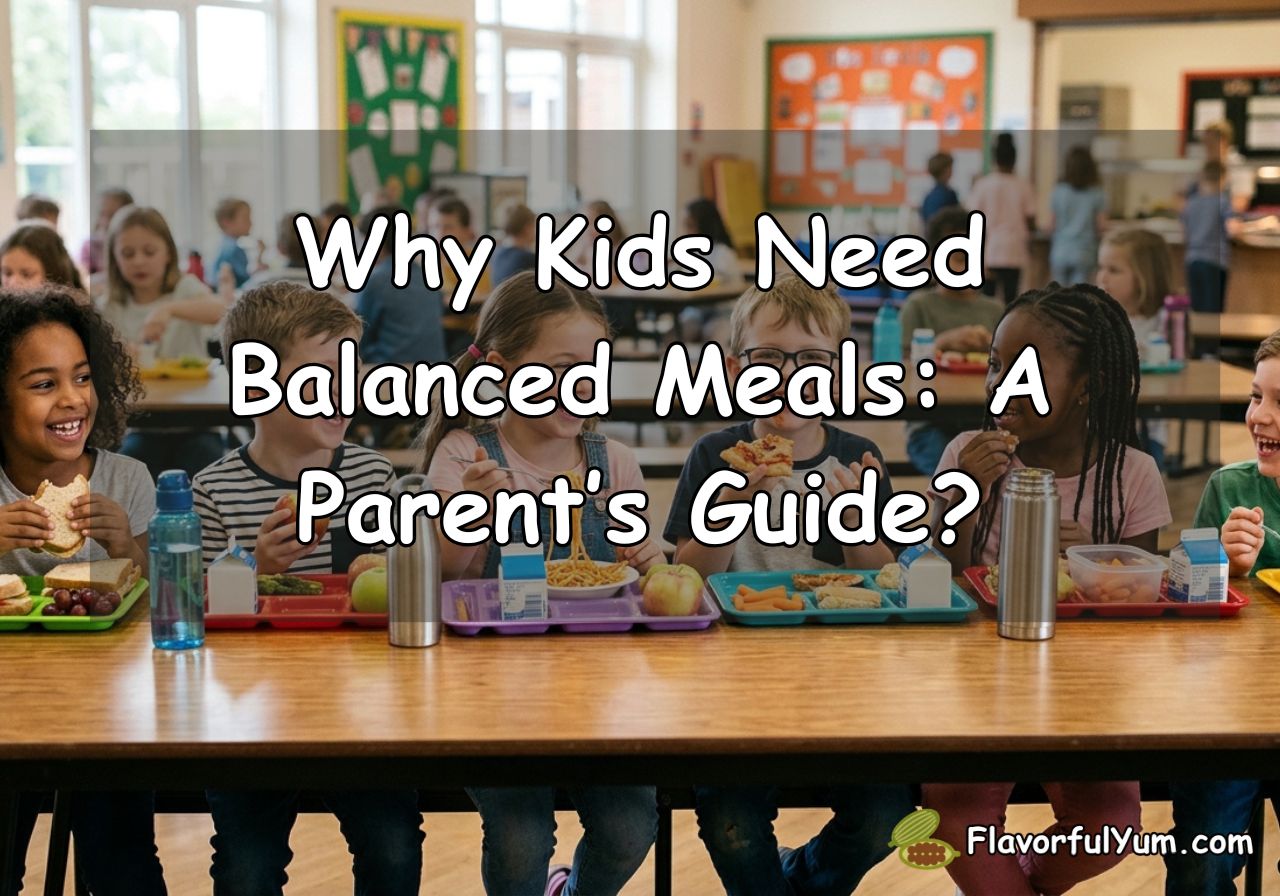
As parents, we all want our children to grow strong, think clearly, and feel happy. I have learned that one of the most powerful ways to support my child’s health is through balanced meals. Food fuels the body. Food shapes the brain. Food builds habits that can last a lifetime.
In this guide, I explain why kids need balanced meals and how we can provide them every day. I share clear steps, simple examples, and practical tips that I use in my own home.
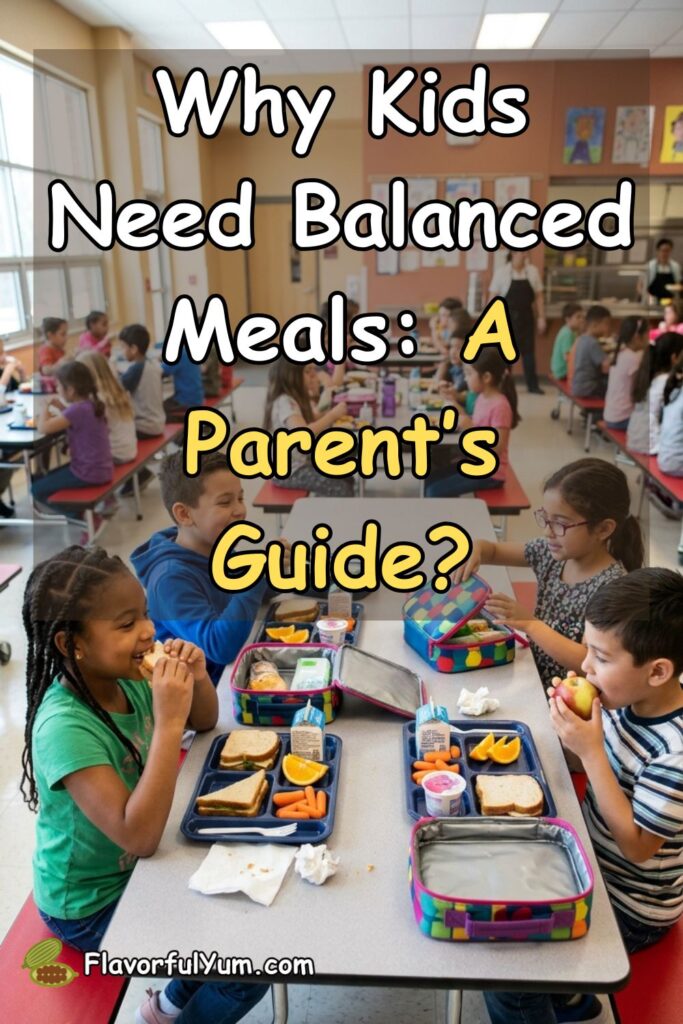
What Is a Balanced Meal?
A balanced meal contains the right mix of nutrients that a child’s body needs to grow and function well. A balanced meal usually includes:
- Protein
- Healthy fats
- Carbohydrates
- Fiber
- Vitamins
- Minerals
- Water
Each nutrient plays a clear role in a child’s growth and development. When we serve meals that include all these elements, we support steady energy, strong immunity, and healthy weight.
Why Balanced Meals Matter for Growing Bodies
Children grow fast. Their bones lengthen. Their muscles develop. Their brains form new connections each day. These changes require steady nutrition.
1. Balanced Meals Support Physical Growth
Protein helps build muscles and repair tissues. Calcium strengthens bones and teeth. Iron supports healthy blood. When kids eat balanced meals, their bodies receive what they need to grow at a healthy rate.
If a child lacks key nutrients, growth may slow. Energy levels may drop. Illness may occur more often.
2. Balanced Meals Improve Brain Function
The brain uses glucose from carbohydrates as fuel. Healthy fats support brain cell development. Iron supports focus and attention.
When my child eats a balanced breakfast, I notice better concentration at school. Teachers often report that children who eat well perform better in class. Balanced meals help memory, problem solving, and emotional control.
3. Balanced Meals Stabilize Energy Levels
Children burn energy quickly. They run, jump, play, and learn all day. Meals that include protein, fiber, and healthy fats help maintain stable blood sugar levels.
If a child eats only sugary snacks, energy rises fast and then drops fast. This pattern can cause mood swings and fatigue. Balanced meals help prevent this cycle.
4. Balanced Meals Strengthen the Immune System
Vitamins such as vitamin C and vitamin A support immune function. Zinc helps the body fight infection. A variety of fruits, vegetables, whole grains, and proteins provides these nutrients.
When I focus on balanced meals, I notice fewer sick days in our home. Strong nutrition supports a strong defense system.
Key Components of a Balanced Meal for Kids
Let us break down each part of a balanced meal in clear terms.
Protein
Protein builds muscles, skin, and organs. It also supports hormone and enzyme production.
Good sources of protein include:
- Eggs
- Chicken
- Fish
- Beans
- Lentils
- Greek yogurt
- Tofu
- Lean beef
I try to include a source of protein at every meal. Even snacks can include protein, such as yogurt or nuts.
Healthy Fats
Healthy fats support brain development and hormone balance. They also help the body absorb certain vitamins.
Healthy fat sources include:
- Avocado
- Olive oil
- Nuts
- Seeds
- Fatty fish such as salmon
I avoid serving large amounts of processed fried foods. Instead, I cook with olive oil or offer nut butter on whole grain toast.
Carbohydrates
Carbohydrates provide energy. Whole carbohydrates also contain fiber and important nutrients.
Healthy carbohydrate sources include:
- Whole grain bread
- Brown rice
- Oats
- Quinoa
- Fruits
- Vegetables
I choose whole grains over refined grains whenever possible. Whole grains provide longer-lasting energy.
Fruits and Vegetables
Fruits and vegetables supply vitamins, minerals, antioxidants, and fiber. Different colors provide different nutrients.
I try to include at least one fruit or vegetable at every meal. I also encourage my child to eat a variety of colors throughout the week.
Dairy or Dairy Alternatives
Dairy products provide calcium and vitamin D, which support bone health.
Options include:
- Milk
- Cheese
- Yogurt
- Fortified plant-based milk
If a child cannot tolerate dairy, fortified alternatives can provide similar nutrients.
How Balanced Meals Affect Behavior
Food affects mood and behavior. I have seen clear changes in my child when meals lack balance.
When children eat too much sugar and not enough protein or fiber, they may feel restless or irritable. Balanced meals help maintain stable blood sugar, which supports calm and steady behavior.
Teachers and caregivers often observe that children who eat regular balanced meals show better focus and cooperation.
The Long-Term Impact of Healthy Eating Habits
Eating habits often begin in childhood. Kids who learn to enjoy balanced meals are more likely to continue these habits as adults.
Healthy eating patterns can reduce the risk of:
- Obesity
- Type 2 diabetes
- Heart disease
- High blood pressure
When we model balanced eating, our children learn by example. I try to eat the same meals I serve to my child. This approach builds trust and consistency.
Common Challenges Parents Face
Many parents struggle with picky eating, busy schedules, or limited budgets. I understand these challenges because I face them too.
Picky Eaters
Some children resist vegetables or new foods. I avoid forcing my child to eat. Instead, I offer small portions and repeat exposure. Over time, repeated exposure increases acceptance.
I also involve my child in meal preparation. When kids help cook, they often feel more willing to taste new foods.
Busy Schedules
Busy days make fast food tempting. Planning helps solve this issue.
I prepare simple meals in advance. I cook extra portions for leftovers. I wash and cut vegetables ahead of time. These steps reduce stress during the week.
Budget Concerns
Balanced meals do not require expensive ingredients. Beans, rice, oats, eggs, and frozen vegetables provide affordable nutrition.
I plan meals around sales and seasonal produce. This strategy lowers costs while maintaining quality.
Simple Balanced Meal Ideas
Here are practical examples that I use in my home.
Breakfast Ideas
- Scrambled eggs, whole grain toast, and fruit
- Greek yogurt with berries and nuts
- Oatmeal with peanut butter and banana
Each option includes protein, carbohydrates, and healthy fats.
Lunch Ideas
- Turkey sandwich on whole grain bread, carrot sticks, and apple slices
- Rice bowl with beans, grilled chicken, and vegetables
- Pasta with tomato sauce, lean meat, and a side salad
Balanced lunches support steady energy through the afternoon.
Dinner Ideas
- Baked salmon, brown rice, and steamed broccoli
- Stir-fried tofu with mixed vegetables and quinoa
- Lean beef tacos with lettuce, tomatoes, and avocado
Dinner provides a chance to include multiple food groups in one meal.
Snack Ideas
Snacks should also contain balance.
- Apple slices with peanut butter
- Cheese and whole grain crackers
- Hummus with cucumber sticks
- Yogurt with seeds
Balanced snacks prevent extreme hunger before the next meal.
Portion Size Guidance
Children require smaller portions than adults. Portion sizes depend on age, activity level, and growth stage.
A simple method involves dividing the plate:
- Half the plate with fruits and vegetables
- One quarter with protein
- One quarter with whole grains
This visual method helps me create balanced plates without measuring every ingredient.
Hydration Matters Too
Water supports digestion, temperature control, and overall function. Children often forget to drink water during play.
I encourage water throughout the day. I limit sugary drinks such as soda and juice. Water remains the best choice for hydration.
Teaching Kids About Balanced Meals
Children benefit from understanding why food choices matter. I explain in simple terms:
- Protein helps your muscles grow.
- Carrots help your eyes.
- Milk helps your bones.
When kids understand the purpose of food, they feel more engaged in healthy choices.
Creating a Positive Mealtime Environment
The atmosphere during meals influences eating habits. I aim for calm and connection at the table.
I avoid distractions such as screens during meals. We talk about our day. This routine helps children listen to hunger and fullness cues.
Pressuring a child to clean the plate can reduce their ability to recognize fullness. I encourage my child to stop eating when full.
Signs of Imbalanced Nutrition
Parents should watch for signs that may suggest nutritional gaps:
- Constant fatigue
- Frequent illness
- Poor concentration
- Slow growth
- Mood swings
If concerns arise, a pediatrician can assess growth and nutrient needs.
The Role of Schools and Community
Schools influence children’s eating habits. Packed lunches and school meals should aim for balance.
Community programs and nutrition education also support healthy habits. When families, schools, and communities share consistent messages, children benefit.
Practical Weekly Meal Planning Steps
Here is the system I follow:
- Plan five simple dinners.
- Write a grocery list based on those meals.
- Prep ingredients on one day.
- Keep balanced snack options visible and ready.
Planning reduces last-minute stress and helps maintain consistency.
Encouraging Independence in Food Choices
As children grow, they seek independence. I offer controlled choices such as:
- “Do you want carrots or cucumbers?”
- “Do you prefer rice or potatoes?”
These choices allow independence while maintaining balance.
Addressing Sugar Intake
Sugar appears in many packaged foods. I read labels and choose products with lower added sugar.
Treats can fit into a balanced diet in small amounts. I avoid labeling foods as “bad.” Instead, I explain that some foods support growth more than others.
When Supplements May Help
Most children can meet nutrient needs through food. However, some children may require supplements.
A healthcare provider can recommend supplements such as vitamin D or iron if needed. I consult a professional before adding any supplement.
Building Lifelong Healthy Habits
Balanced meals do more than support daily health. They build patterns that can last decades.
When children learn to enjoy fruits, vegetables, and whole foods early in life, these choices become normal. I view each meal as an opportunity to shape positive habits.
Final Thoughts: Small Steps Lead to Big Results
Balanced meals do not require perfection. They require consistency. I focus on progress rather than strict rules.
When we provide children with balanced meals, we support:
- Strong growth
- Better focus
- Stable energy
- Healthy weight
- Positive habits
Every meal offers a chance to nourish the body and mind. I remind myself that simple choices each day create lasting impact. As parents, we hold the power to guide our children toward a healthy future through the food we place on the table.

It’s Eliana Hazel. I’m a 33-year-old wife and mom of two from Tennessee who loves cooking fresh, simple meals for my family. I shop for veggies at Walmart, try new recipes, and add my own twist to make them special. When I’m not in the kitchen, I enjoy yoga, meditation, and catching up with my friends over green smoothies. Here, I share family-tested recipes, easy cooking tips, and a little inspiration to make your kitchen a happy place.
Related Posts


Previous Post
Next Post



Hey, y’all! I’m Hazel!
I’m SO happy you’re here! I’m passionate about cooking fresh, homemade meals for my family and love sharing recipes that are simple, healthy, and full of flavor. Here on my blog, I believe in making food with love, experimenting with ingredients, and turning everyday meals into something special. In short, I believe that cooking at home brings families closer and makes life more joyful. >>> Learn more