
Now Reading: 9 Healthy Pasta Alternatives Recipes That You Will Love
-
01
9 Healthy Pasta Alternatives Recipes That You Will Love
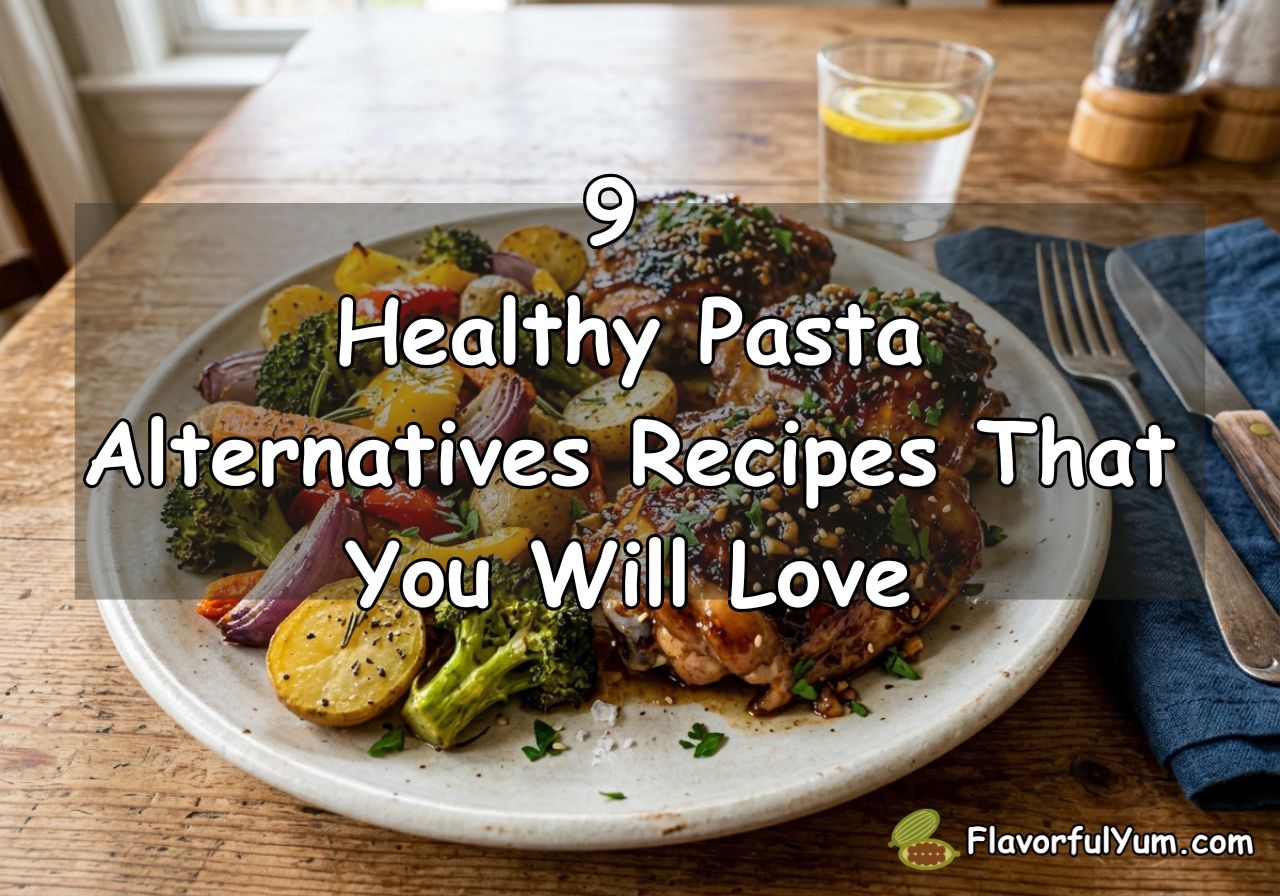
Pasta is one of the most satisfying foods in existence. The problem isn’t pasta itself — it’s what happens when refined white pasta becomes the default base for every dinner, delivering minimal nutrition alongside a reliable blood sugar spike and crash that leaves you hungry again two hours later.
Healthy pasta alternatives solve this without asking you to give up the comfort and satisfaction that pasta-style dinners provide. Zucchini noodles, spaghetti squash, chickpea pasta, lentil pasta, hearts of palm noodles, and cauliflower gnocchi each bring their own nutritional profile, texture, and flavor that makes them genuinely worth eating — not just a pale substitute for the real thing.
These nine recipes prove that pasta alternatives can stand entirely on their own merits.
Why Pasta Alternatives Are Worth Learning?
The case for pasta alternatives isn’t about eliminating regular pasta. It’s about expanding your repertoire so you have options that serve different nutritional goals on different nights.
Regular refined pasta provides carbohydrates and some protein but limited fiber, vitamins, and minerals. When you eat it three or four nights per week, you’re repeatedly choosing a nutritionally thin foundation for your meals regardless of how many vegetables and proteins you add on top.
What pasta alternatives bring to the table:
Zucchini noodles add vitamin C, potassium, and antioxidants at roughly 20 calories per cup compared to 200 calories per cup of cooked pasta. They work best with bold sauces that can stand up to their mild flavor and slight moisture.
Spaghetti squash provides beta-carotene, vitamin B6, and fiber at about 40 calories per cup. Its naturally sweet, nutty flavor pairs with both tomato-based and cream-based sauces.
Chickpea pasta is the closest to regular pasta in texture and cooking behavior. It delivers three times the protein and twice the fiber of white pasta and holds sauce exactly the way traditional pasta does.
Lentil pasta provides similar benefits to chickpea pasta with a slightly earthier flavor and higher iron content — particularly useful for people who eat limited meat.
Hearts of palm noodles are virtually calorie-free, neutral in flavor, and require zero cooking. They absorb whatever sauce they sit in and work best in cold preparations or quick warm dishes.
Cauliflower gnocchi replaces potato-based gnocchi at a fraction of the carbohydrate count while delivering a pillowy texture that gets genuinely crispy when pan-fried rather than boiled.
Tips for Cooking Pasta Alternatives Successfully
Three mistakes consistently produce disappointing results with pasta alternatives.
Not removing moisture from zucchini noodles. Raw zucchini contains significant water that releases during cooking and turns your sauce watery. Salt zucchini noodles, let them sit for ten minutes, then squeeze firmly in a clean towel before cooking. This single step dramatically improves zucchini noodle dishes.
Overcooking vegetable-based noodles. Zucchini, spaghetti squash, and hearts of palm cook faster than wheat pasta and become unpleasantly mushy if overcooked. Less time than you think is usually correct.
Using mild sauces on mild alternatives. Zucchini and spaghetti squash have subtle flavors that disappear under delicate sauces. Pair them with bold, well-seasoned sauces — garlic-heavy preparations, spiced meat sauces, and strong herb combinations work best.
9 Healthy Pasta Alternative Recipes
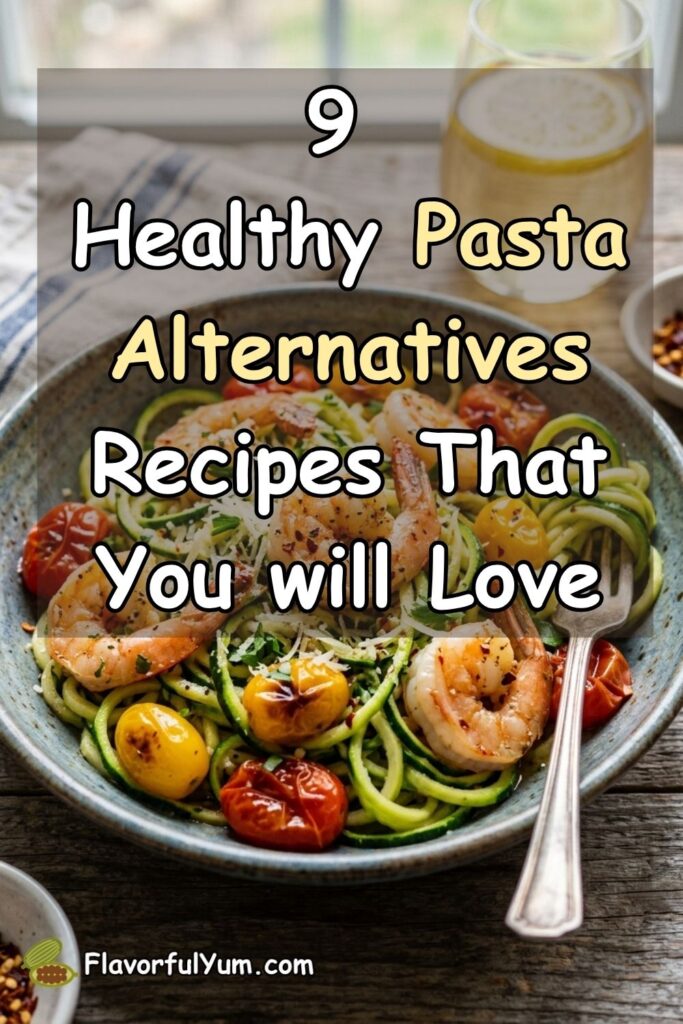
1. Zucchini Noodles With Garlic Shrimp and Cherry Tomatoes
Zucchini noodles work best with a sauce that provides enough flavor to complement rather than overwhelm their mild sweetness. Garlic shrimp and burst cherry tomatoes deliver exactly that balance.
Ingredients:
- 4 medium zucchini, spiralized into noodles
- 400g large shrimp, peeled and deveined
- 2 cups cherry tomatoes
- 5 garlic cloves, minced
- 3 tbsp olive oil
- ½ tsp chili flakes
- Juice of 1 lemon
- ¼ cup fresh basil, torn
- Salt and black pepper to taste
- Parmesan for serving
Instructions:
- Spiralize zucchini into noodles and place in a colander over a bowl
- Toss with 1 tsp salt and let sit for 10 minutes to draw out moisture
- Squeeze zucchini noodles firmly in a clean kitchen towel to remove as much water as possible — this step is essential
- Pat shrimp completely dry and season with salt, pepper, and chili flakes
- Heat 2 tbsp olive oil in a large pan over high heat
- Add shrimp in a single layer and cook for 90 seconds per side until pink — remove and set aside
- Add remaining olive oil and cherry tomatoes to the same pan over medium-high heat
- Cook tomatoes for 4 minutes until they blister and burst — press gently with a spoon to release their juices
- Add garlic and cook for 60 seconds stirring constantly
- Add zucchini noodles to the pan and toss for 2 minutes — cook briefly to warm through but not soften completely
- Return shrimp to the pan and toss everything together
- Squeeze lemon juice over the pan and add torn basil
- Serve immediately topped with parmesan
Alternative tip: Eat zucchini noodles immediately — they continue releasing water as they sit and become watery if left in the pan.
2. Spaghetti Squash With Meat Sauce
Spaghetti squash’s natural sweetness pairs perfectly with a rich, savory meat sauce. The squash strands hold sauce in the same way pasta does and provide a genuinely satisfying bowl.
Ingredients:
- 1 large spaghetti squash
- 500g lean ground beef or turkey
- 1 can (400g) crushed tomatoes
- 1 medium onion, diced
- 4 garlic cloves, minced
- 1 tsp dried oregano
- 1 tsp smoked paprika
- ½ tsp chili flakes
- 2 tbsp olive oil
- Salt and black pepper to taste
- Fresh basil and parmesan for serving
Instructions:
- Preheat oven to 200°C (400°F) and line a baking tray with parchment paper
- Cut spaghetti squash in half lengthwise and scoop out seeds
- Brush cut sides with olive oil and season with salt and pepper
- Place cut-side down on the tray and roast for 40–45 minutes until completely tender when pressed
- While squash roasts heat olive oil in a large pan over medium heat
- Add onion and cook for 6 minutes until softened
- Add garlic and cook for 90 seconds
- Add ground meat and cook for 8 minutes breaking into small pieces until browned throughout
- Add oregano, smoked paprika, and chili flakes and stir for 30 seconds
- Pour crushed tomatoes over the meat and stir to combine
- Simmer uncovered for 15 minutes until sauce thickens
- Remove squash from oven and use a fork to scrape flesh into noodle-like strands
- Season squash strands with salt and pepper
- Serve squash in the shell or in a bowl topped generously with meat sauce and fresh basil and parmesan
3. Chickpea Pasta With Roasted Vegetable Puttanesca
Chickpea pasta handles bold, briny sauces better than any other pasta alternative. Puttanesca — built on olives, capers, and anchovies or sun-dried tomatoes — delivers exactly the assertive flavor profile that makes chickpea pasta shine.
Ingredients:
- 300g chickpea pasta (penne or fusilli)
- 1 can (400g) crushed tomatoes
- ½ cup kalamata olives, halved
- 2 tbsp capers, drained
- ½ cup sun-dried tomatoes, chopped
- 4 garlic cloves, minced
- ½ tsp chili flakes
- 1 tsp dried oregano
- 3 tbsp olive oil
- Salt and black pepper to taste
- Fresh parsley and parmesan for serving
Instructions:
- Cook chickpea pasta according to package instructions — it typically takes 7–9 minutes and should be tested frequently as it can become mushy quickly
- Reserve ½ cup pasta cooking water before draining
- While pasta cooks heat olive oil in a large pan over medium heat
- Add minced garlic and chili flakes and cook for 60 seconds
- Add sun-dried tomatoes and cook for 2 minutes stirring frequently
- Add crushed tomatoes, oregano, olives, and capers and stir to combine
- Simmer sauce for 8 minutes until it thickens and flavors develop
- Drain chickpea pasta and add directly to the sauce
- Toss together adding pasta water a tablespoon at a time until sauce coats every piece of pasta evenly
- Season with salt and pepper — the olives and capers are salty so taste before adding salt
- Serve topped with fresh parsley and parmesan
4. Lentil Pasta With Spinach and Walnut Pesto
Lentil pasta’s earthy flavor pairs exceptionally well with herby, nutty sauces. This walnut pesto uses walnuts instead of pine nuts for a deeper flavor that complements the lentil pasta without fighting it.
Ingredients:
- 300g lentil pasta (spaghetti or penne)
- 3 cups baby spinach
- 1 cup fresh basil leaves
- ½ cup walnuts, toasted
- 2 garlic cloves
- 4 tbsp extra virgin olive oil
- Juice of 1 lemon
- ¼ cup parmesan, grated
- Salt and black pepper to taste
- Cherry tomatoes halved for serving
Instructions:
- Toast walnuts in a dry pan over medium heat for 3 minutes until fragrant — watch carefully as they burn fast
- Add basil, spinach, toasted walnuts, garlic, lemon juice, parmesan, salt, and pepper to a food processor
- Blend on high for 30 seconds, then drizzle olive oil through the feed tube with the processor running
- Blend until pesto is smooth but retains some texture — it should not be completely liquid
- Taste and adjust lemon juice and salt as needed
- Cook lentil pasta according to package instructions
- Reserve ½ cup pasta cooking water before draining
- Drain pasta and return to the pot over low heat
- Add pesto to the pasta and toss to coat
- Add pasta water one tablespoon at a time to loosen the pesto and help it coat evenly
- Serve topped with halved cherry tomatoes and extra parmesan
5. Hearts of Palm Pasta With Avocado Cream Sauce
Hearts of palm noodles require zero cooking and produce a dish that comes together in ten minutes. The avocado cream sauce clings to the noodles perfectly and delivers healthy fat alongside a richness that makes this feel genuinely indulgent.
Ingredients:
- 2 cans (400g each) hearts of palm noodles, drained and rinsed
- 2 ripe avocados, pitted and peeled
- 2 garlic cloves
- Juice of 1 large lemon
- ¼ cup fresh basil plus extra for serving
- 3 tbsp olive oil
- ¼ cup water to thin the sauce
- Salt and black pepper to taste
- Cherry tomatoes and pine nuts for topping
Instructions:
- Drain and rinse hearts of palm noodles thoroughly and pat gently dry
- Add avocado flesh, garlic cloves, lemon juice, fresh basil, olive oil, salt, and pepper to a blender
- Blend on high for 60 seconds until completely smooth
- Add water one tablespoon at a time while blending until sauce reaches a pourable but thick consistency
- Taste and adjust lemon juice and salt
- Place hearts of palm noodles in a large bowl
- Pour avocado cream sauce over the noodles
- Toss gently to coat every noodle in the sauce
- If the noodles are cold from the fridge warm gently in a pan for 2 minutes before saucing
- Serve topped with halved cherry tomatoes, toasted pine nuts, and extra fresh basil leaves
- Eat immediately — the avocado sauce discolors within 30 minutes of preparation
6. Cauliflower Gnocchi With Brown Butter and Sage
Pan-fried until crispy on the outside and tender inside, cauliflower gnocchi in brown butter and sage is one of the most satisfying pasta alternative preparations available. The browned butter adds a nutty depth that makes this simple dish taste genuinely luxurious.
Ingredients:
- 500g cauliflower gnocchi, store-bought or homemade
- 4 tbsp butter
- 8 fresh sage leaves
- 3 garlic cloves, thinly sliced
- ½ cup parmesan, grated
- Juice of half a lemon
- Salt and black pepper to taste
- Toasted pine nuts for serving
Instructions:
- Pat cauliflower gnocchi completely dry with paper towels — moisture prevents crisping
- Heat 1 tbsp butter in a large non-stick pan over medium-high heat
- Add gnocchi in a single layer — cook in batches if needed to avoid overcrowding
- Cook for 3 minutes without moving until the bottom develops a golden crust
- Flip each piece and cook for another 3 minutes until both sides are golden and crispy
- Remove gnocchi and set aside
- Add remaining butter to the same pan over medium heat
- Cook butter for 3–4 minutes swirling the pan occasionally until it turns golden brown and smells nutty — watch carefully as it goes from brown to burnt quickly
- Add sage leaves to the brown butter and cook for 30 seconds until crispy
- Add garlic slices and cook for 30 seconds
- Return gnocchi to the pan and toss in the brown butter sauce
- Squeeze lemon juice over everything and toss once more
- Serve topped with grated parmesan and toasted pine nuts
Why it works: Pan-frying rather than boiling cauliflower gnocchi completely transforms its texture — the crispy exterior and tender interior make it genuinely better than the boiled version.
7. Black Bean Pasta With Chipotle Tomato Sauce
Black bean pasta has a distinctive deep color and slightly earthy flavor that pairs naturally with bold, spiced sauces. This chipotle tomato sauce matches the pasta’s intensity and creates a dish with impressive protein and fiber content.
Ingredients:
- 300g black bean pasta
- 1 can (400g) crushed tomatoes
- 2 chipotle peppers in adobo sauce, minced
- 1 medium onion, diced
- 4 garlic cloves, minced
- 1 tsp cumin
- 1 tsp smoked paprika
- 2 tbsp olive oil
- Salt and black pepper to taste
- Fresh cilantro, sour cream, and lime for serving
Instructions:
- Cook black bean pasta according to package instructions — typically 7–8 minutes
- Test frequently as black bean pasta softens quickly and benefits from being slightly undercooked since it finishes in the sauce
- Reserve ½ cup pasta cooking water before draining
- Heat olive oil in a large pan over medium heat
- Add diced onion and cook for 6 minutes until softened
- Add minced garlic and cook for 90 seconds
- Add cumin and smoked paprika and stir for 30 seconds to bloom spices
- Add crushed tomatoes and minced chipotle peppers to the pan
- Stir to combine and simmer for 10 minutes until sauce thickens and chipotle flavor permeates throughout
- Season with salt and pepper and taste — add more chipotle for more heat
- Add drained black bean pasta directly to the sauce
- Toss together adding pasta water to achieve a saucy consistency
- Serve topped with fresh cilantro, a dollop of sour cream, and a squeeze of lime
8. Edamame Noodles With Sesame Ginger Dressing
Edamame noodles are made entirely from edamame soybeans and deliver more protein per serving than any other pasta alternative on this list. Their firm texture and neutral flavor work exceptionally well in cold noodle preparations with bold dressings.
Ingredients:
- 300g edamame noodles
- 2 cups shredded red cabbage
- 1 large carrot, julienned
- 1 cup cucumber, thinly sliced
- ¼ cup fresh cilantro
- 3 tbsp sesame oil
- 2 tbsp low-sodium soy sauce
- 1 tbsp rice vinegar
- 1 tbsp honey
- 1 tsp fresh ginger, grated
- 1 garlic clove, minced
- Sesame seeds and sliced green onions for serving
Instructions:
- Cook edamame noodles according to package instructions — typically 3–4 minutes as they cook significantly faster than wheat pasta
- Drain and rinse immediately under cold water to stop cooking and prevent sticking
- Toss cooled noodles with 1 tsp sesame oil to prevent clumping
- Whisk remaining sesame oil, soy sauce, rice vinegar, honey, grated ginger, and minced garlic together in a small bowl until fully combined
- Combine cooled noodles, shredded cabbage, julienned carrot, and sliced cucumber in a large bowl
- Pour sesame ginger dressing over everything and toss thoroughly until every component is evenly coated
- Add fresh cilantro and toss once more
- Divide between serving bowls and top with sesame seeds and sliced green onions
- Serve cold — this dish improves after 20 minutes as the dressing absorbs into the noodles
Nutrition note: Edamame noodles provide approximately 24g of protein per serving — more than a serving of chicken breast at equivalent weight.
9. Konjac Noodles With Thai Peanut Sauce
Konjac noodles — also called shirataki or miracle noodles — contain almost zero calories and carbohydrates. They are made from glucomannan fiber and have a neutral flavor that absorbs whatever sauce they sit in completely. Thai peanut sauce provides enough bold flavor to make these virtually calorie-free noodles genuinely satisfying.
Ingredients:
- 2 packs (200g each) konjac noodles, drained and rinsed
- 3 tbsp peanut butter, smooth and natural
- 2 tbsp low-sodium soy sauce
- 1 tbsp honey
- 1 tbsp sesame oil
- 1 tbsp rice vinegar
- 1 tsp chili flakes
- 1 garlic clove, minced
- 2 tbsp warm water to thin the sauce
- Shredded cabbage, bean sprouts, crushed peanuts, and lime for serving
Instructions:
- Drain konjac noodles and rinse thoroughly under cold running water for 2 minutes — rinsing removes the natural odor from the packing liquid
- Pat noodles dry with paper towels
- Dry-fry konjac noodles in a hot pan with no oil for 3 minutes, stirring frequently — this removes remaining moisture and dramatically improves their texture
- While noodles dry-fry whisk peanut butter, soy sauce, honey, sesame oil, rice vinegar, chili flakes, and minced garlic together in a bowl
- Add warm water one tablespoon at a time until sauce reaches a pourable consistency
- Remove dry-fried noodles from heat and transfer to a bowl
- Pour peanut sauce over the warm noodles and toss to coat completely
- Let noodles sit in the sauce for 2 minutes — they absorb the flavor during this resting time
- Serve topped with shredded cabbage, bean sprouts, crushed peanuts, fresh cilantro, and a squeeze of lime
Why it works: Dry-frying konjac noodles before saucing transforms their texture from slippery and rubbery to firm and absorbent — the single technique that separates good konjac noodle dishes from disappointing ones.
Final Thoughts
Healthy pasta alternatives earn their place in a regular cooking rotation when the right recipe matches the right alternative. Chickpea and lentil pasta for dishes that need a traditional pasta experience. Zucchini noodles and spaghetti squash for low-calorie, vegetable-forward dishes. Hearts of palm and konjac for near-zero calorie preparations. Cauliflower gnocchi for comfort food that delivers on texture.
Start with the chickpea pasta puttanesca or the spaghetti squash meat sauce this week — both deliver familiar pasta-style satisfaction that makes the alternative feel like an upgrade rather than a substitution.
Build two or three of these recipes into your regular rotation and pasta alternatives stop being a health compromise and start being genuinely preferred options on their own merits.

It’s Eliana Hazel. I’m a 33-year-old wife and mom of two from Tennessee who loves cooking fresh, simple meals for my family. I shop for veggies at Walmart, try new recipes, and add my own twist to make them special. When I’m not in the kitchen, I enjoy yoga, meditation, and catching up with my friends over green smoothies. Here, I share family-tested recipes, easy cooking tips, and a little inspiration to make your kitchen a happy place.
Related Posts


Previous Post
Next Post


Hey, y’all! I’m Hazel!
I’m SO happy you’re here! I’m passionate about cooking fresh, homemade meals for my family and love sharing recipes that are simple, healthy, and full of flavor. Here on my blog, I believe in making food with love, experimenting with ingredients, and turning everyday meals into something special. In short, I believe that cooking at home brings families closer and makes life more joyful. >>> Learn more