
Now Reading: 9 Smart Grocery Shopping Tricks for Easy Meal Prep
-
01
9 Smart Grocery Shopping Tricks for Easy Meal Prep
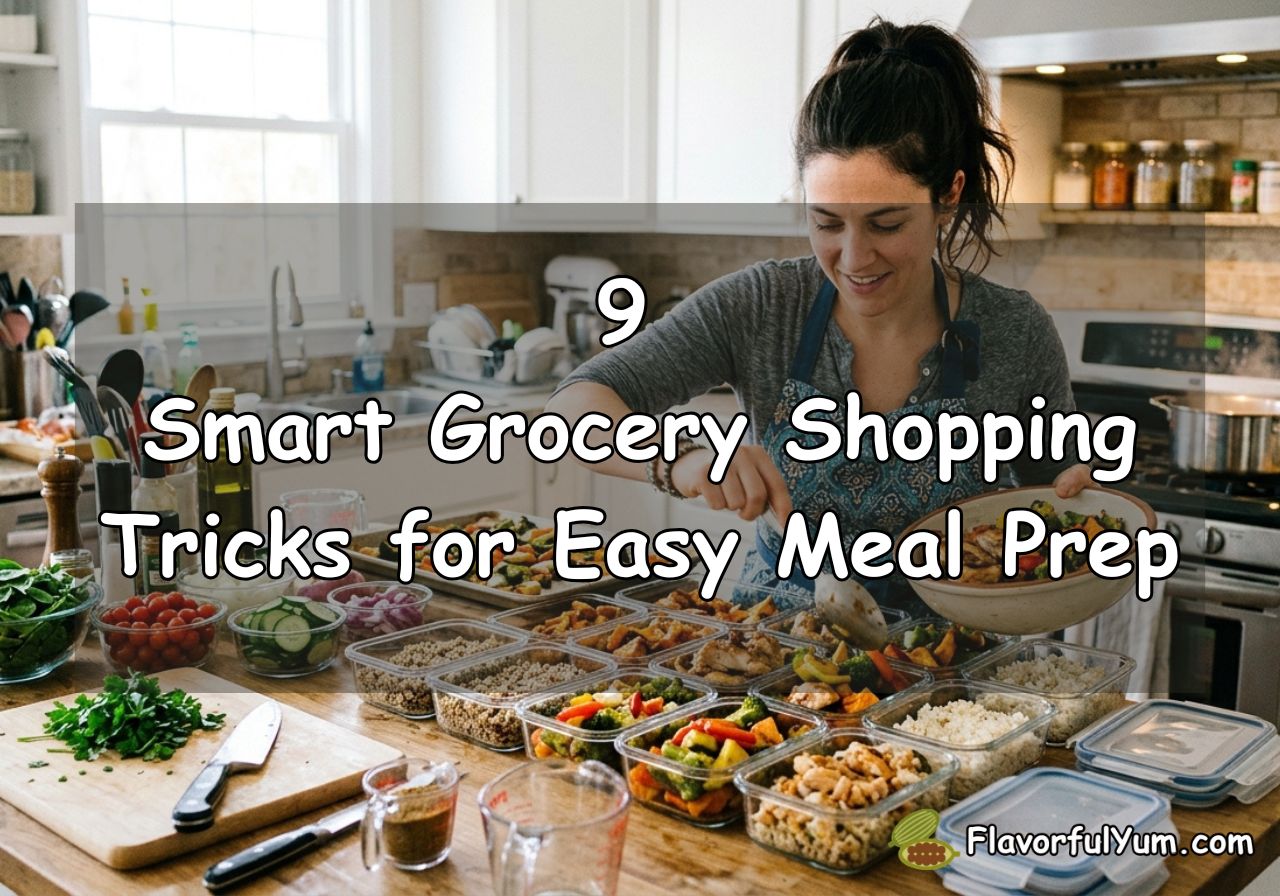
Meal prep can save time, reduce stress, and help you eat healthier. I’ve found that successful meal prep starts at the grocery store. Shopping with a plan makes cooking faster and reduces food waste. Over the years, I’ve discovered simple tricks that make grocery trips efficient and stress-free. These tricks also help me save money while keeping meals balanced and tasty.
In this article, I share practical grocery shopping tricks. I focus on clarity and simplicity so you can start using them immediately. Each tip is something I personally follow, and they work whether you meal prep for the week or just a few days.
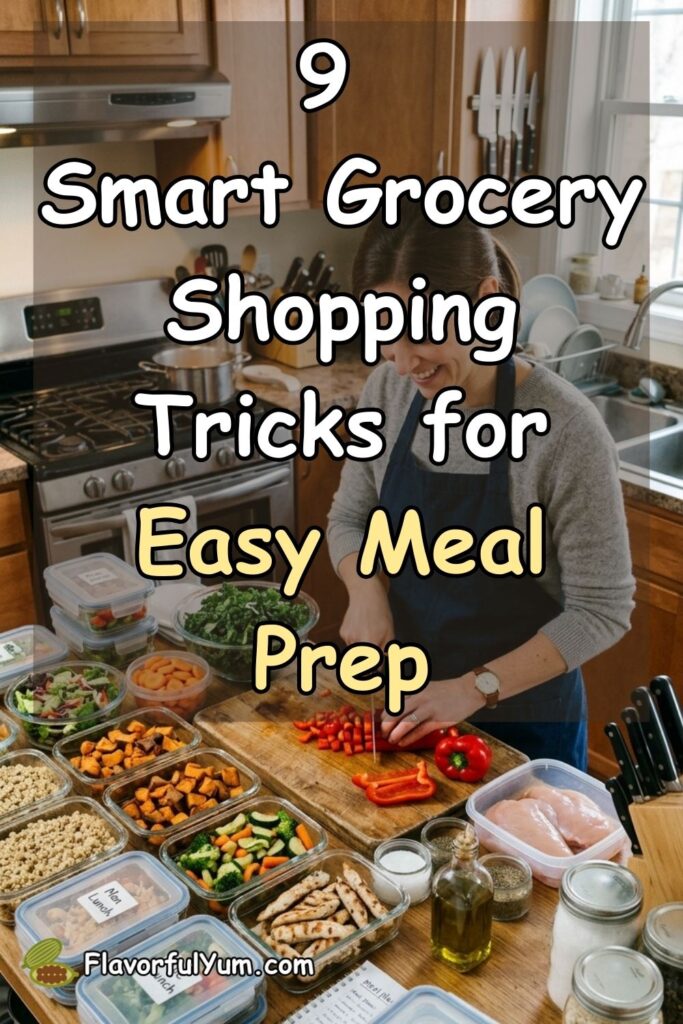
1. Make a Detailed Shopping List
A shopping list saves time and prevents impulse buys. I always plan my meals before I go to the store. This lets me know exactly what I need.
How to make an effective list:
- Write meals for the week. Include breakfast, lunch, dinner, and snacks.
- Note each ingredient, including spices and oils.
- Organize by store sections: produce, protein, pantry, dairy, frozen.
- Check your pantry and fridge first to avoid buying items you already have.
By following a list, I spend less time in the store and reduce food waste.
2. Shop the Perimeter First
Most grocery stores have fresh produce, meat, fish, dairy, and bakery items on the perimeter. Processed foods, snacks, and packaged items are often in the middle aisles.
Why this helps meal prep:
- Fresh foods are the base of healthy meals.
- Shopping the perimeter first ensures I fill my cart with essentials before picking extras.
- It reduces the chance of impulse buys high in sugar, salt, or unhealthy fats.
3. Buy Versatile Ingredients
I focus on ingredients that work in multiple meals. This reduces shopping trips and keeps my meal prep simple.
Examples of versatile items:
- Chicken breast – works for salads, stir-fries, and soups.
- Eggs – breakfast, lunch bowls, or baked dishes.
- Frozen vegetables – easy to steam or sauté for any meal.
- Brown rice or quinoa – base for salads, stir-fries, or side dishes.
These items help me mix and match meals while keeping prep efficient.
4. Embrace Frozen Foods
Frozen foods are convenient, nutritious, and reduce waste. I buy frozen vegetables, berries, and fish regularly.
Benefits of frozen foods:
- They last longer than fresh items.
- They require little prep; some come pre-chopped.
- They help me avoid last-minute grocery runs.
- Nutrients are often preserved at peak ripeness.
I use frozen vegetables in stir-fries, soups, and casseroles. Frozen berries go straight into smoothies.
5. Stick to a Budget-Friendly Strategy
Meal prep doesn’t have to be expensive. I plan meals around affordable staples.
Budget-friendly tips:
- Buy seasonal produce; it costs less and tastes better.
- Choose store brands for pantry items like rice, beans, and oats.
- Use bulk bins for nuts, seeds, or grains.
- Limit processed snacks and drinks—they add cost and calories.
A focused shopping list plus seasonal buying keeps grocery bills manageable.
6. Pre-Cut or Pre-Washed Produce
Pre-cut or pre-washed vegetables save prep time. I often pick up bagged spinach, shredded carrots, or pre-cut broccoli.
Tips for using pre-cut produce:
- Use them in salads, stir-fries, or bowls.
- Pair them with protein for quick meals.
- Store in airtight containers to extend freshness.
Here is the Best Seller Bowls Set on Amazon. Check Price & Read reviews.
This small trick saves me 10–15 minutes per meal prep session.
7. Keep a Few Quick Proteins on Hand
Protein is essential for balanced meals. I always stock quick-cooking options.
Quick protein ideas:
- Canned tuna or salmon
- Rotisserie chicken
- Eggs
- Tofu or tempeh
- Pre-cooked shrimp
Having ready-to-go proteins makes meal prep faster. I can assemble bowls, wraps, or salads in minutes.
8. Organize Your Cart by Meal Prep Flow
I organize my shopping cart with meal prep in mind.
How I do it:
- Group items by meal type: breakfast, lunch, dinner, snacks.
- Keep fragile items like berries or lettuce on top.
- Heavy items like milk or canned goods go at the bottom.
- Avoid overcrowding so produce doesn’t get squished.
This method helps me unload efficiently and store groceries properly at home.
9. Check Expiration Dates
Expiration dates prevent waste. I always check them, especially on dairy, meat, and pre-made foods.
Tips for smart selection:
- Pick items with the latest dates for longer storage.
- Freeze items you won’t use immediately.
- Rotate older items to the front of the fridge or pantry.
This habit keeps my meal prep ingredients fresh all week.
10. Buy in Bulk When It Makes Sense
Some pantry staples last a long time. Buying in bulk can save money and reduce frequent trips.
Good bulk items for meal prep:
- Grains like rice, quinoa, or oats
- Beans or lentils
- Nuts and seeds
- Frozen vegetables and fruits
I weigh the cost and storage space to decide what to buy in bulk.
11. Use a Digital Grocery List
I track my shopping list digitally. Apps help me check items off in real-time and avoid forgetting essentials.
Digital list benefits:
- Easy to update based on pantry inventory.
- Can categorize by store section.
- Reduces paper waste.
- Some apps allow barcode scanning for quick inventory tracking.
This keeps me organized and efficient for weekly meal prep.
12. Plan for Leftovers
I plan meals that create leftovers. Leftovers save time for busy days.
Ideas for easy leftovers:
- Roast a whole chicken for multiple meals.
- Cook a large batch of grains.
- Make soups or stews in larger quantities.
Leftovers can become lunches, wraps, or salads. This approach reduces cooking stress midweek.
13. Limit Impulse Purchases
Impulse buys add calories and cost. I avoid aisles with high-sugar snacks unless needed.
Tricks to reduce impulse buys:
- Shop with a list and stick to it.
- Eat before grocery shopping to avoid cravings.
- Avoid checkout candy and drinks.
This keeps both meal prep and grocery bills on track.
14. Prepare a Meal Prep Station at Home
A grocery trip is only effective if home prep is organized. I dedicate a space in my kitchen for meal prep.
Meal prep station essentials:
- Cutting boards and knives
- Airtight containers
- Measuring cups and spoons
- Mixing bowls
- Labels for dates
A prepared station reduces stress and makes it easier to assemble meals quickly.
15. Use Herbs and Spices
Flavor is key for meal prep success. I keep fresh and dried herbs on hand.
Flavor ideas:
- Basil, cilantro, parsley for freshness
- Paprika, cumin, garlic powder for depth
- Lemon or lime juice for brightness
- Ginger or turmeric for warmth
Herbs and spices make simple ingredients taste indulgent without adding calories.
16. Plan for Balanced Meals
I always aim for meals with protein, fiber, and healthy fats. This keeps me full longer.
Balanced meal components:
- Protein: chicken, fish, tofu, eggs
- Fiber: vegetables, beans, whole grains
- Healthy fats: avocado, nuts, olive oil
A balanced plate helps me stick to meal prep plans without snacking excessively.
17. Check Weekly Grocery Deals
I look at store flyers or apps before shopping. Deals can inspire meals I hadn’t planned.
Tips:
- Choose seasonal produce on sale.
- Buy proteins on discount and freeze if possible.
- Use coupons or loyalty points for pantry staples.
This strategy saves money and adds variety to meal prep.
18. Keep a Running Inventory
I track what I have at home. This prevents overbuying and ensures I use ingredients before they spoil.
Inventory tips:
- Note pantry, fridge, and freezer items.
- Update when items are used.
- Group similar items together for visibility.
A clear inventory reduces last-minute grocery trips.
19. Choose Multi-Purpose Containers
Containers make meal prep easy and portable. I use reusable containers that fit my fridge and freezer.
Container tips:
- Use glass or BPA-free plastic containers.
- Choose stackable options to save space.
- Portion containers for single meals.
This makes storing and grabbing meals effortless.
20. Stick to a Routine
I shop and prep on consistent days each week. Routine reduces stress and ensures fresh meals.
Routine tips:
- Shop at the same store each week.
- Prep meals immediately after shopping.
- Schedule time for chopping, cooking, and storing ingredients.
Consistency keeps meal prep habits strong.
Final Thoughts
Smart grocery shopping is the foundation of easy meal prep. I’ve found that planning meals, organizing lists, buying versatile ingredients, and using frozen items simplify the process.
A few small changes at the grocery store make cooking faster and reduce waste. They also save money and support balanced eating.
Meal prep doesn’t have to be complicated. With these tricks, I can enjoy fresh, flavorful meals every day without stress.
By following these strategies, anyone can streamline grocery shopping, simplify meal prep, and enjoy meals that feel satisfying and easy to make.

It’s Eliana Hazel. I’m a 33-year-old wife and mom of two from Tennessee who loves cooking fresh, simple meals for my family. I shop for veggies at Walmart, try new recipes, and add my own twist to make them special. When I’m not in the kitchen, I enjoy yoga, meditation, and catching up with my friends over green smoothies. Here, I share family-tested recipes, easy cooking tips, and a little inspiration to make your kitchen a happy place.
Related Posts

Previous Post
Next Post


Hey, y’all! I’m Hazel!
I’m SO happy you’re here! I’m passionate about cooking fresh, homemade meals for my family and love sharing recipes that are simple, healthy, and full of flavor. Here on my blog, I believe in making food with love, experimenting with ingredients, and turning everyday meals into something special. In short, I believe that cooking at home brings families closer and makes life more joyful. >>> Learn more