
Now Reading: What Makes a Recipe Truly “Healthy”? (Beginner Guide)
-
01
What Makes a Recipe Truly “Healthy”? (Beginner Guide)
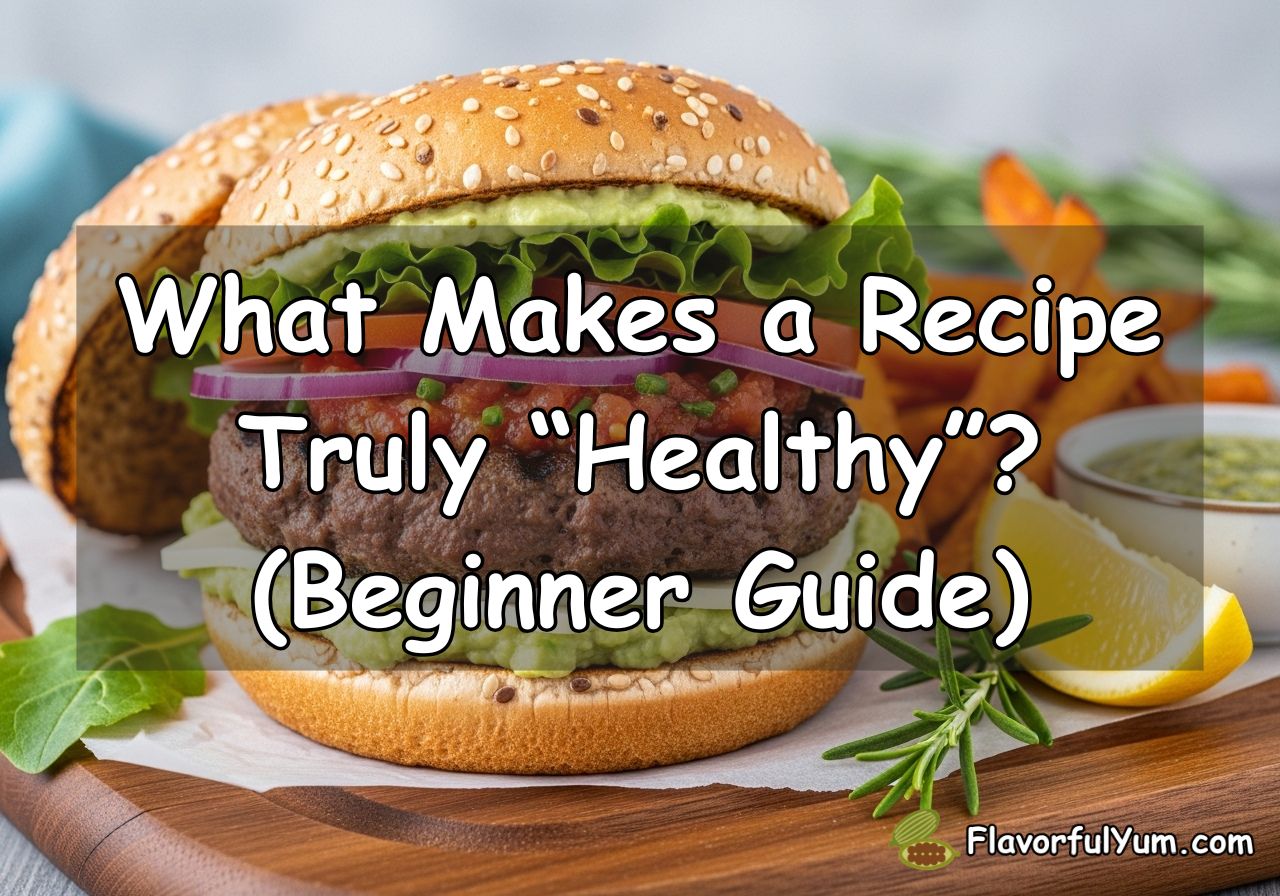
Many people want to eat healthy. They search for healthy recipes, follow food trends, and try new diets. But one big question remains: what actually makes a recipe healthy?
I asked myself this question many times. I saw recipes labeled “healthy” that were full of sugar, low in nutrients, or very processed. I learned that a healthy recipe is not about trends. It is about balance, ingredients, and how food supports the body.
This beginner guide explains what makes a recipe truly healthy in a simple and practical way. It focuses on real food, clear rules, and habits you can use every day.

Why the Word “Healthy” Can Be Confusing?
The word “healthy” means different things to different people.
Some think healthy means low calories.
Some think healthy means vegan or gluten-free.
Some think healthy means high protein.
But none of these alone define a healthy recipe.
A recipe is healthy when it:
- Supports your body
- Provides key nutrients
- Keeps energy stable
- Fits into your daily life
Healthy food should help you feel better, not stressed or restricted.
The Core Elements of a Healthy Recipe
A truly healthy recipe includes several basic elements.
1. Whole Ingredients
Whole foods are foods close to their natural form.
Examples:
- Vegetables
- Fruits
- Whole grains
- Beans and lentils
- Eggs
- Fish
- Nuts and seeds
Whole foods contain fiber, vitamins, and minerals. These nutrients support digestion, immunity, and energy.
A recipe based on whole foods is almost always healthier than one based on packaged items.
2. Balanced Macronutrients
Macronutrients include:
- Carbohydrates
- Protein
- Fat
A healthy recipe includes all three.
Carbohydrates
Carbs provide energy.
Good sources include:
- Brown rice
- Oats
- Potatoes
- Quinoa
- Fruit
- Vegetables
Protein
Protein supports muscles and keeps you full.
Good sources include:
- Beans
- Lentils
- Tofu
- Eggs
- Fish
- Chicken
- Greek yogurt
Fat
Fat supports hormones and brain health.
Good sources include:
- Olive oil
- Avocado
- Nuts
- Seeds
A recipe with only carbs or only protein is not balanced. Balance prevents energy crashes and hunger.
3. High Fiber Content
Fiber supports digestion and gut health.
Fiber also:
- Keeps you full
- Stabilizes blood sugar
- Supports heart health
High fiber foods include:
- Vegetables
- Fruits
- Beans
- Whole grains
- Seeds
A healthy recipe usually includes at least one high fiber ingredient.
4. Low Added Sugar
Added sugar increases calories without adding nutrients.
Too much sugar can cause:
- Energy crashes
- Weight gain
- Cravings
- Blood sugar spikes
Healthy recipes use:
- Fruit for sweetness
- Small amounts of honey or maple syrup
- No refined sugar when possible
If sugar is one of the first ingredients, the recipe is not truly healthy.
5. Moderate Salt Levels
Salt adds flavor, but too much harms health.
High salt intake can:
- Raise blood pressure
- Increase water retention
Healthy recipes use:
- Herbs
- Spices
- Garlic
- Lemon
- Vinegar
These add flavor without excess salt.
The Role of Processing
Processing changes food structure.
Highly Processed Foods
These include:
- Chips
- Sugary cereals
- Instant noodles
- Frozen meals
- Snack bars
They often contain:
- Refined oils
- Added sugar
- Preservatives
- Artificial flavors
Recipes based on these foods are not healthy.
Minimally Processed Foods
These include:
- Frozen vegetables
- Canned beans
- Oats
- Yogurt
These foods still retain nutrients and are fine for healthy recipes.
Healthy Cooking Methods
How you cook food matters.
Better Methods
- Steaming
- Baking
- Roasting
- Grilling
- Stir-frying with little oil
Less Healthy Methods
- Deep frying
- Heavy battering
- Cooking with large amounts of oil
Healthy recipes use methods that preserve nutrients and limit excess fat.
Ingredient Quality Matters
Two recipes can look similar but differ in quality.
Example:
Pasta with cream sauce vs pasta with vegetables and olive oil.
Both use pasta.
Only one supports health.
Healthy recipes choose:
- Fresh ingredients
- Simple seasonings
- Real foods over substitutes
Portion Size Is Part of Health
Even healthy food becomes unhealthy in large amounts.
A healthy recipe:
- Feels satisfying
- Does not rely on huge portions
- Includes volume from vegetables and fiber
Large portions of low fiber foods lead to overeating.
Nutrient Density
Nutrient density means how many nutrients a food provides per calorie.
High nutrient foods:
- Spinach
- Broccoli
- Berries
- Beans
- Eggs
- Fish
Low nutrient foods:
- Candy
- White bread
- Soda
- Pastries
Healthy recipes focus on high nutrient density.
Variety and Color
Color shows nutrient variety.
Different colors provide different benefits:
- Green: iron, calcium, fiber
- Red: antioxidants
- Orange: vitamin A
- Purple: polyphenols
- Yellow: vitamin C
A healthy recipe often includes two or more colors.
Real-Life Healthy Recipe Example
Let’s compare two meals.
Meal A
White pasta
Cream sauce
Processed chicken
No vegetables
Meal B
Whole grain pasta
Olive oil and garlic
Grilled chicken
Spinach and tomatoes
Meal B is healthier because it includes:
- Fiber
- Protein
- Healthy fats
- Vegetables
- Lower processing
Healthy Does Not Mean Perfect
Healthy eating is not about perfection.
A healthy recipe:
- Fits your lifestyle
- Uses available ingredients
- Feels enjoyable
- Does not create guilt
Food should support your life, not control it.
Common Myths About Healthy Recipes
Myth 1: Healthy Means Low Calorie
Low calorie does not mean nutritious.
A 100-calorie cookie is not healthier than a 300-calorie meal with protein and vegetables.
Myth 2: Healthy Means No Fat
Fat is essential for health.
The problem is not fat. The problem is poor fat quality.
Myth 3: Healthy Means Expensive
Beans, rice, eggs, oats, and vegetables are cheap and healthy.
Myth 4: Healthy Means Bland
Healthy food can taste amazing with spices, herbs, and cooking methods.
How to Read a Recipe and Judge Its Health?
When you see a recipe online, ask these questions:
- Does it use whole foods?
- Does it include protein?
- Does it include vegetables or fruit?
- Is sugar limited?
- Is the cooking method simple?
- Does it include fiber?
- Are ingredients easy to recognize?
If most answers are yes, the recipe is healthy.
Healthy Recipe Checklist
Use this simple checklist:
A healthy recipe usually includes:
- At least one vegetable
- A protein source
- A fiber source
- A healthy fat
- Minimal sugar
- Simple ingredients
Sample Healthy Plate Structure
I use this structure often:
Half plate:
Vegetables or fruit
Quarter plate:
Protein
Quarter plate:
Whole grains or starchy vegetables
Add:
Healthy fat
This works for most meals.
Beginner Mistakes to Avoid
Many beginners make the same mistakes.
1. Overusing Smoothies
Smoothies can lack fiber if blended too much.
2. Relying on “Healthy” Labels
Labels do not guarantee nutrition.
3. Cutting Entire Food Groups
Removing carbs or fats causes imbalance.
4. Ignoring Hunger Signals
Eating too little harms energy and mood.
Healthy Recipes Support More Than Weight
A healthy recipe should support:
- Energy
- Digestion
- Focus
- Mood
- Sleep
- Immunity
Health is not just about body size.
How I Personally Choose Healthy Recipes?
I follow three simple rules:
- I choose recipes with vegetables.
- I avoid recipes with long ingredient lists.
- I include protein in every meal.
This keeps my meals simple and effective.
Sample Healthy Day of Eating
Here is a simple example.
Breakfast
Oatmeal with banana, peanut butter, and chia seeds
Snack
Apple and almonds
Lunch
Quinoa salad with chickpeas, spinach, tomatoes, and olive oil
Snack
Carrot sticks with hummus
Dinner
Baked salmon, roasted vegetables, and brown rice
This day includes:
- Fiber
- Protein
- Healthy fats
- Whole foods
- Variety
Emotional Relationship With Food Matters
A healthy recipe should not cause stress.
If food creates:
- Guilt
- Fear
- Obsession
- Restriction
Then something is wrong.
Healthy eating should feel:
- Supportive
- Flexible
- Sustainable
Long-Term Health Comes From Patterns
One meal does not define health.
Health comes from:
- Daily habits
- Consistent choices
- Balanced meals
- Enjoyable food
A healthy recipe supports a healthy pattern.
Final Definition: What Makes a Recipe Truly Healthy?
A recipe is truly healthy when it:
- Uses mostly whole foods
- Includes protein, fiber, and healthy fats
- Limits added sugar and excess salt
- Uses simple cooking methods
- Provides real nutrients
- Feels satisfying and enjoyable
- Supports daily life without stress
Healthy food is not about rules. It is about nourishment.
Conclusion
A healthy recipe is not a trend. It is not a label. It is not about cutting food groups.
A healthy recipe:
- Feeds your body
- Gives energy
- Supports balance
- Fits real life
I learned that the best healthy recipes are simple. They use real ingredients. They feel good to eat. They support long-term habits.
When you focus on whole foods, balance, and enjoyment, you no longer need to ask if a recipe is healthy. You can see it, feel it, and trust it.

It’s Eliana Hazel. I’m a 33-year-old wife and mom of two from Tennessee who loves cooking fresh, simple meals for my family. I shop for veggies at Walmart, try new recipes, and add my own twist to make them special. When I’m not in the kitchen, I enjoy yoga, meditation, and catching up with my friends over green smoothies. Here, I share family-tested recipes, easy cooking tips, and a little inspiration to make your kitchen a happy place.
Related Posts
Previous Post
Next Post
Previous Post

Next Post


Hey, y’all! I’m Hazel!
I’m SO happy you’re here! I’m passionate about cooking fresh, homemade meals for my family and love sharing recipes that are simple, healthy, and full of flavor. Here on my blog, I believe in making food with love, experimenting with ingredients, and turning everyday meals into something special. In short, I believe that cooking at home brings families closer and makes life more joyful. >>> Learn more